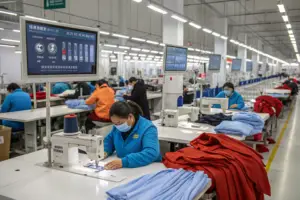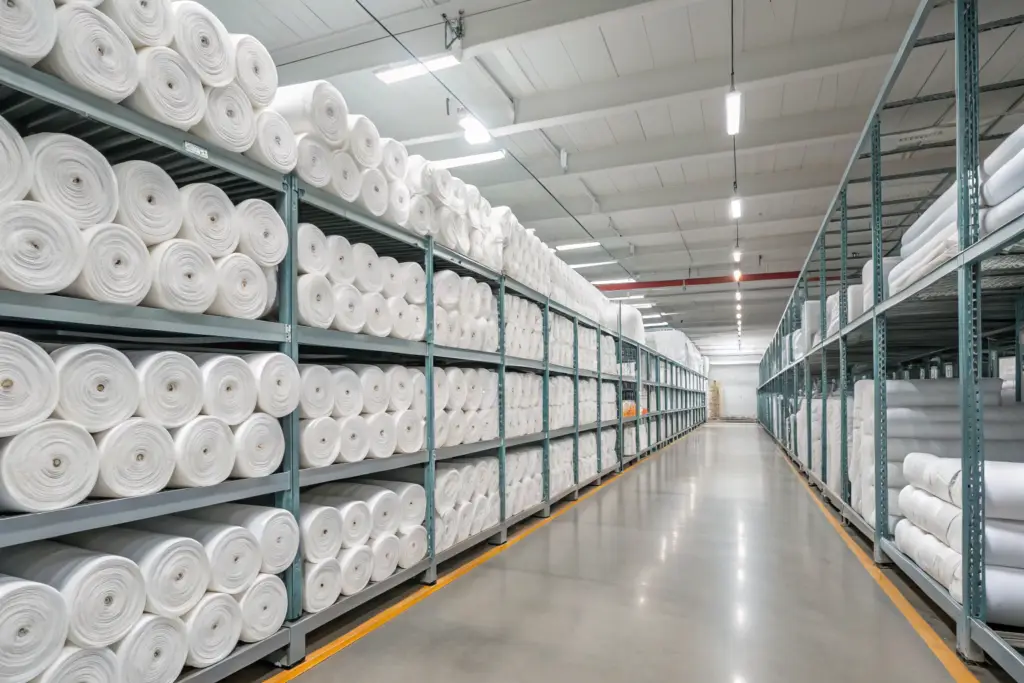
You've invested in OEKO-TEX certified fabrics for your apparel line. This ensures safety, superior hand feel, and durability for your customers. But what happens after production and before the garments reach the store? Improper storage can undermine all the benefits of certification, leading to musty odors, mildew stains, yellowing, or even chemical contamination that compromises the certification itself. For U.S. apparel brands and buyers, protecting your inventory investment is as crucial as selecting the right fabric.
The best practices for storing OEKO-TEX certified fabrics focus on controlling four key environmental factors: moisture, light, contaminants, and physical stress. The core principles are to store fabrics in a cool, dry, dark, and clean environment, ideally in their original protective packaging, and segregated from non-certified or heavily dyed materials to prevent cross-contamination.
Proper storage is not just a warehouse concern; it's an extension of quality assurance. I've seen brand partnerships strained because a beautiful, high-certified fabric arrived at the cutting room with irreversible storage damage. Let's dive into the specific, actionable steps you and your manufacturing partner must take to preserve the quality and integrity of your certified fabrics from mill to finished goods.
Why Is Controlling Humidity the Most Critical Storage Factor?
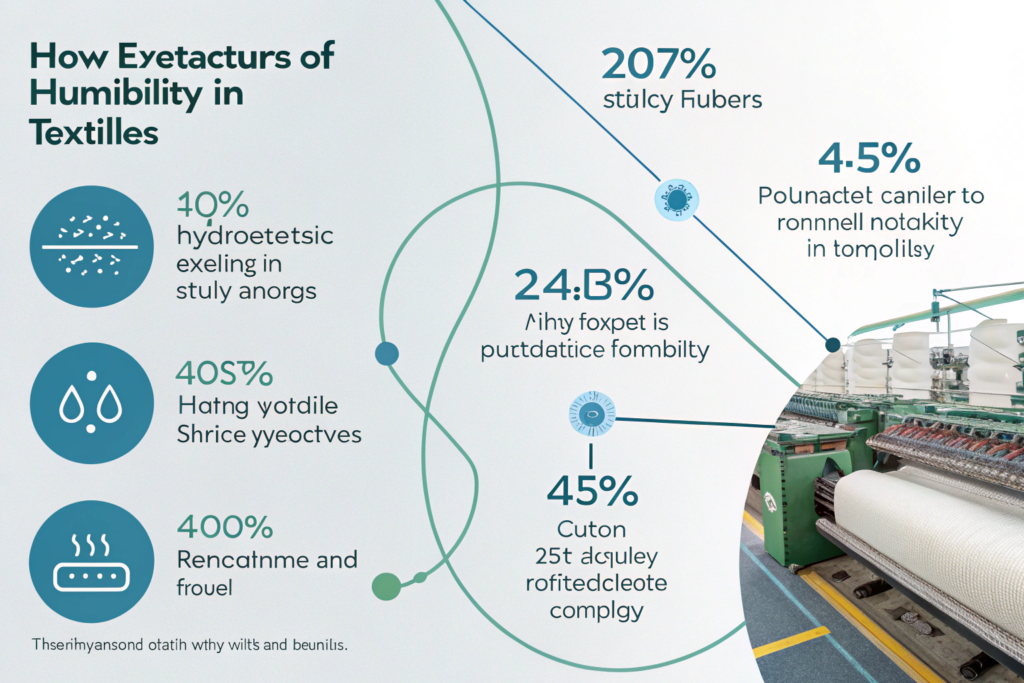
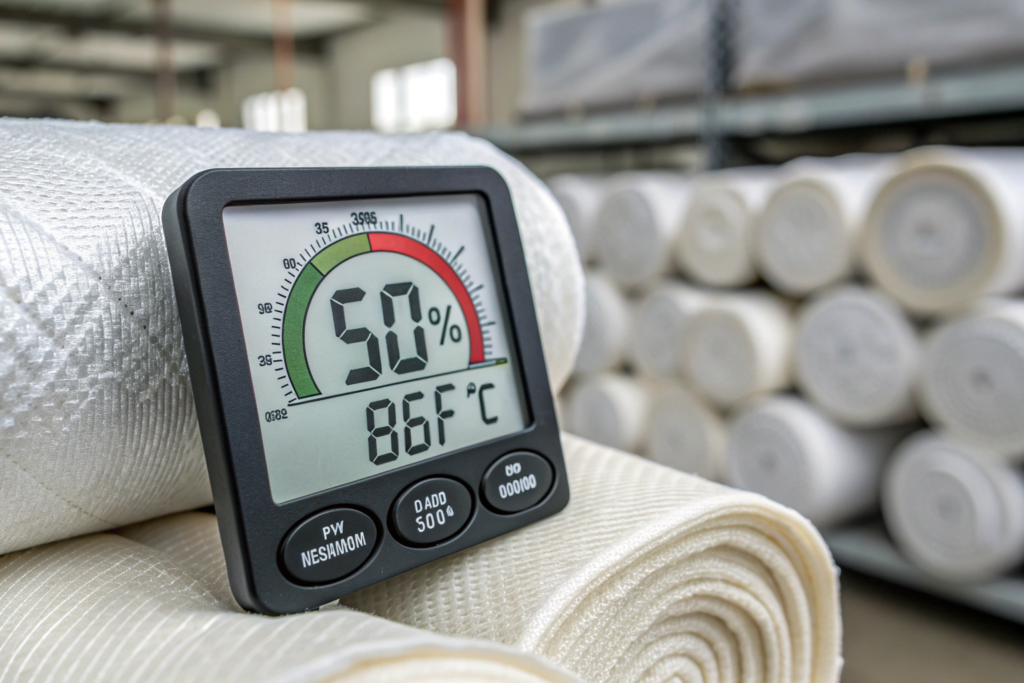
Humidity is the number one enemy of stored textiles, including OEKO-TEX certified ones. Fabrics are hygroscopic, meaning they absorb moisture from the air. High humidity (above 60-65%) creates a perfect breeding ground for mold and mildew. These microorganisms can cause foul odors, discoloration (often pink or black spots), and even weaken fibers. Crucially, mold growth is a biological contamination that can nullify the "harmless to human ecology" promise of the OEKO-TEX label.
Beyond mold, humidity fluctuations can cause hydrolysis in synthetic fibers like polyester, especially in certain polyurethane (PU) coatings or laminates used in performance wear. This chemical breakdown makes fabrics sticky or brittle. For natural fibers like cotton or wool, high humidity encourages insect attraction. The ideal relative humidity for long-term textile storage is between 45% and 55%. This range is low enough to inhibit microbial growth but not so low as to cause excessive static electricity.
What Tools and Infrastructure Are Needed for Humidity Control?
Effective humidity control requires investment and planning from your manufacturing partner. When auditing a potential supplier like Shanghai Fumao, ask about their fabric warehouse conditions. Here’s what to look for:
- Dehumidifiers and HVAC Systems: The storage area should be equipped with industrial dehumidifiers and a climate-control system, not just fans. We maintain a dedicated, sealed raw material warehouse where humidity and temperature are constantly monitored with digital sensors.
- Proper Packaging: Fabrics should not be stored naked. They must be wrapped in breathable, low-alkaline paper (like pH-neutral paper) and then sealed in polyethylene plastic bags. The paper absorbs any residual moisture, while the plastic bag acts as a secondary barrier. Never use direct plastic contact without paper, as it can trap moisture against the fabric.
- Pallet Use: Fabric rolls must always be stored on pallets, never directly on the concrete floor. This prevents "moisture wicking" from the floor, a common cause of bottom-layer spoilage. We use plastic or treated wooden pallets.
A real example: two years ago, a client shipped us a batch of premium OEKO-TEX certified organic cotton jersey to be made into a capsule collection. Due to a port delay, the container was stuck in a humid coastal area for weeks. Upon arrival, we immediately detected a musty smell. Instead of proceeding, we quarantined the fabric, performed a lab test which confirmed mold spores, and informed the client. We jointly decided to reject the batch. While it was a financial loss, it protected their brand from a potential product recall and customer health complaints.
How Does Humidity Affect Different Fiber Types in Storage?
The sensitivity varies. A simple guideline for storage priority is:
| Fiber Type | Primary Humidity Risk | Recommended Storage RH | Special Note |
|---|---|---|---|
| Natural (Cotton, Linen, Wool) | Mold, Mildew, Insects | 45-55% | Wool requires protection from moths; use cedar blocks or proper sealing. |
| Synthetics (Polyester, Nylon) | Hydrolysis, Static Buildup | 40-55% | PU-coated fabrics are extremely hydrolysis-sensitive. |
| Cellulosic (Viscose, Lyocell) | Mold, Loss of Strength | 50-55% | Very moisture-absorbent; requires excellent ventilation in packaging. |
| Protein (Silk) | Mold, Yellowing | 45-50% | Particularly prone to color change and weakening from dampness. |
How Can Light and Chemical Exposure Degrade Certified Fabrics During Storage?
OEKO-TEX certification guarantees the absence of certain harmful substances at the point of testing. However, improper storage can introduce new contaminants or trigger chemical reactions that degrade the fabric, effectively voiding its certified status over time. The two main culprits here are light and airborne pollutants.
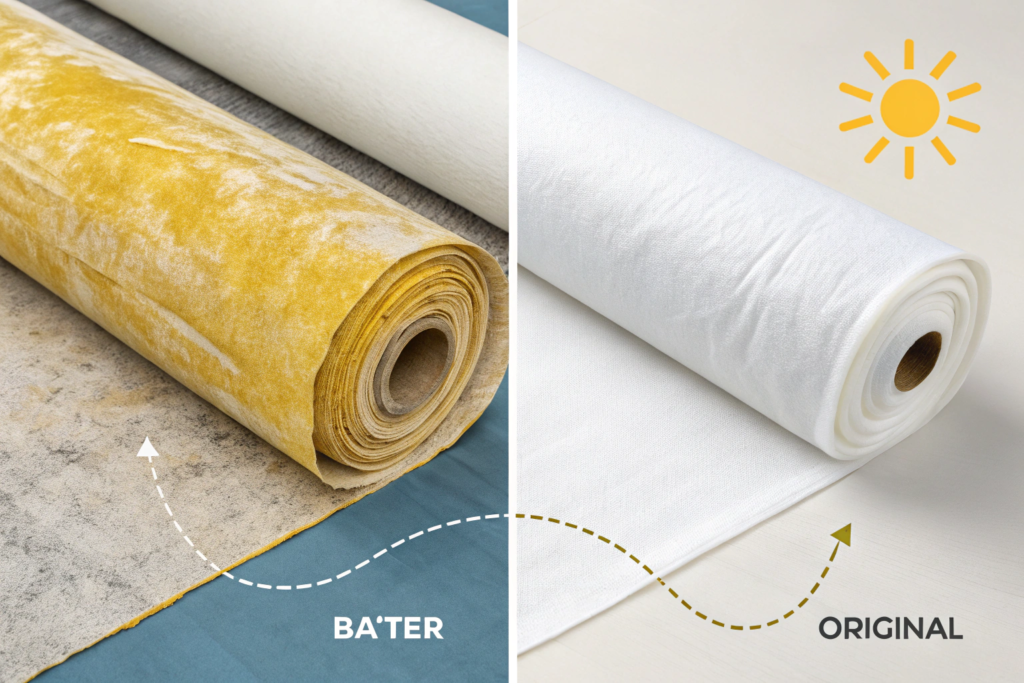
Direct sunlight and even strong artificial light contain ultraviolet (UV) rays. UV radiation is a powerful catalyst for photo-oxidation. This process breaks down dye molecules and fiber polymers, leading to fabric yellowing (especially in whites and bright colors), fading, and loss of tensile strength. A fabric can become brittle and lose its soft hand feel before it’s ever cut. Furthermore, certain optical brightening agents (OBAs), which might be present even in certified fabrics, can break down under UV light and cause uneven yellowing.
Chemical exposure, or "cross-contamination," is another silent threat. Storing OEKO-TEX certified fabrics near non-certified materials, especially those with strong chemical smells (like some vinyls, rubber, or low-cost foams), can lead to fume fading. Volatile organic compounds (VOCs) from these materials can migrate through the air and settle on the fabric, potentially causing discoloration or odor absorption. Storing fabrics near cleaning chemicals, paints, or fuels is an obvious but surprisingly common mistake in disorganized warehouses.
What Are the Best Practices for Light and Contaminant Control?
Implementing a "first in, first out" (FIFO) inventory system is the first defense, minimizing storage time. Beyond that:
- Store in Darkness: The fabric warehouse should have no windows. If windows exist, they must be blacked out. Use low-heat, non-UV emitting LED lights for occasional inspection and keep them off when the area is not in use.
- Maintain Clean Air: The storage area must be separate from production floors, especially from printing, dyeing, or finishing sections where airborne chemicals are prevalent. Air filtration systems are ideal. At our Shanghai Fumao facility, the fabric warehouse is under positive air pressure with filtered intake to prevent dust and contaminants from entering.
- Segregate Materials: Clearly label and physically separate OEKO-TEX certified fabric rolls from non-certified inventory. Also, separate heavily dyed or dark fabrics from light-colored ones to prevent dye sublimation through the packaging over time.
- Use Appropriate Packaging: The original plastic-and-paper wrap is essential. For very long-term storage (over 6 months), consider using Vapor Corrosion Inhibitor (VCI) bags or films. These materials release a mild protective gas that forms a barrier against moisture and atmospheric pollutants.
Can Improper Storage Invalidate the OEKO-TEX Certificate?
Technically, the certificate is tied to the article at the time of testing. However, if storage introduces contaminants (like mold or absorbed VOCs) that would cause the fabric to fail OEKO-TEX Standard 100 tests—particularly for pH value, formaldehyde, or banned substances—then the material is no longer compliant for use in certified garments. As a responsible manufacturer, we treat such compromised fabric as non-certified. The legal and reputational risk of using it is too high. This is why we have strict incoming inspection protocols that include a smell and visual check for any signs of storage damage before the fabric even enters our production cycle.
What Physical Handling and Documentation Practices Prevent Damage?
The physical care of fabric rolls is as important as environmental control. Rough handling can cause creases, pulls, or distortions that are impossible to remove, leading to cutting waste and flawed garments. For OEKO-TEX certified fabrics, which often include delicate knits or special finishes, this is a major cost and quality concern.
Always handle fabric rolls with clean gloves. Oils and dirt from hands can transfer to fabrics, causing stains that might not be visible until after cutting or sewing. Use proper equipment like forklifts or fabric trolleys designed to cradle the roll, never drag or drop them. Rolls should be stored vertically on their ends or horizontally on sturdy shelving that supports the entire length to prevent bending or sagging in the middle, which can create a permanent deformation.
How Does Inventory Management Software Help?
Modern inventory tracking is a best practice that goes beyond organization. Using a Warehouse Management System (WMS) or Material Requirements Planning (MRP) software allows you and your supplier to:
- Track Lot Numbers: Every batch of OEKO-TEX certified fabric comes with a unique certification number. Linking this to the fabric roll ID in the system ensures full traceability.
- Monitor Storage Duration: The software can flag fabrics approaching a predefined maximum storage time (e.g., 12 months), prompting a quality re-check before use.
- Ensure FIFO: Automated picking lists enforce First-In-First-Out, preventing old stock from being buried and degrading.
- Record Conditions: Some advanced systems log environmental data (temperature/humidity) from connected sensors, creating an audit trail.
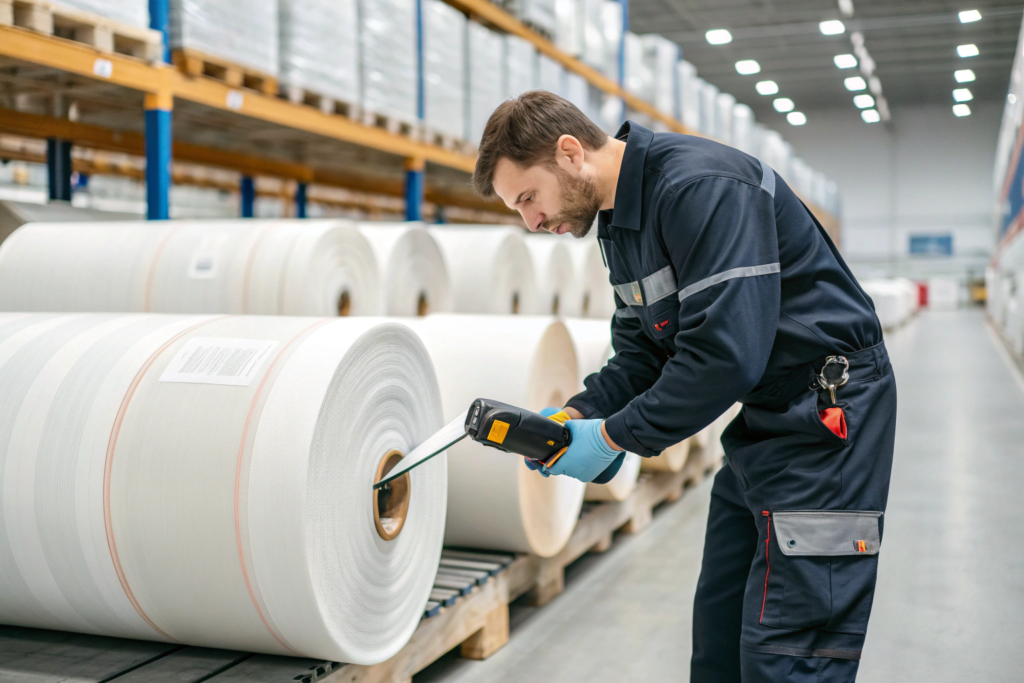
For instance, we implemented a barcode system for all incoming fabric at Shanghai Fumao. When we received a large order of OEKO-TEX certified recycled polyester for a well-known outdoor brand, each roll was scanned, and its "clock" started. The system automatically prioritized this lot for production within three months. This disciplined approach gave the brand complete confidence in the consistency and freshness of their materials.
What Should Be Included in a Fabric Storage Agreement with Your Supplier?
Don't leave storage to chance. Make it part of your technical pack or supplier agreement. Key clauses should address:
- Environmental Standards: Specify required temperature (e.g., 15-25°C / 59-77°F) and humidity ranges.
- Packaging: Require that fabrics remain in original, protective packaging until ready for cutting.
- Segregation: Mandate separate storage for certified vs. non-certified goods.
- Access: Reserve the right to audit the storage facilities, either in person or via live video tour.
- Liability: Define responsibility for fabric damaged due to non-compliant storage conditions at the supplier's facility.
This formalizes expectations and protects your investment. A trustworthy partner like us welcomes such clarity, as it aligns with our own standard operating procedures to protect your goods—and our reputation.
How to Inspect Fabrics Upon Arrival for Storage-Related Damage?
Before you approve production or pay an invoice, you must inspect incoming OEKO-TEX certified fabrics. This final checkpoint can catch storage or transit damage from earlier links in the supply chain. A systematic inspection involves both sensory checks and simple tests.
Start with a visual inspection under good, neutral lighting. Unroll a few meters of fabric and look for:
- Discoloration: Yellowing, fading, or uneven color patches.
- Spots: Any mildew stains (often speckled) or oil stains.
- Physical Defects: Creases that don't relax, pulls, or snags.
Next, perform a smell test. Roll a portion of the fabric close to your face and inhale deeply. It should smell neutral, like clean cloth, or like its original finishing (e.g., a mild softener). Reject the fabric if you detect:
- A musty, moldy, or sour odor (indicates microbial growth).
- A smoky or chemical smell (indicates contamination).
- A sharp, acidic odor.
Finally, conduct a simple pH test using pH test strips. Dissolve a small fabric sample in distilled water and measure the pH. According to OEKO-TEX Standard 100, for products with skin contact, the pH value must be between 4.0 and 7.5. A result outside this range could indicate chemical contamination or degradation from poor storage.
What Are the Steps to Take If You Find Damage?
If you identify potential storage damage, do not proceed. Follow this protocol:
- Quarantine: Immediately move the entire suspect lot away from your good inventory.
- Document: Take clear, high-resolution photographs and videos of the damage.
- Test: Send a sample to a third-party lab (like SGS or Intertek) for analysis against key OEKO-TEX parameters.
- Communicate: Notify your supplier immediately with evidence. A professional supplier will work with you to resolve the issue, whether that means replacing the fabric, offering a discount, or filing a claim with the logistics provider.
Last fall, a client in New York received a pre-production fabric sample from us that had a slight off-smell. They alerted us immediately. We traced it to a specific roll that had been stored near a warehouse repainting project for a single day. We replaced the entire roll at our cost and reviewed our internal protocols to prevent recurrence. Their vigilance and our proactive response strengthened our partnership.
How Can You Partner with Your Supplier on Proactive Storage Management?
The best approach is collaborative. Engage with your manufacturer early. Ask them:
- "What is your standard storage protocol for fabrics awaiting production?"
- "Can you share photos or videos of your fabric warehouse?"
- "How do you handle and inspect fabrics upon receipt from the mill?"
- "What is your process if you discover storage damage from the mill?"
When a supplier like Shanghai Fumao Clothing can provide clear, documented answers and evidence, it demonstrates a commitment to quality that extends far beyond the production line. It shows they are a true guardian of your materials and your brand's integrity from the moment the fabric arrives at their door.
Conclusion
Storing OEKO-TEX certified fabrics properly is a non-negotiable part of maintaining their value, performance, and compliance. It requires a disciplined focus on a cool, dry, dark, and clean environment, meticulous physical handling, and transparent communication between brand and manufacturer. By treating storage as a critical phase of the supply chain, you protect your financial investment, ensure your final products deliver on their certified promise, and avoid costly delays or quality failures.
Choosing a manufacturing partner with robust warehouse management systems and a deep understanding of these principles is essential. It transforms storage from a passive holding area into an active component of your quality assurance program.
If you are looking for a partner who understands that quality begins the moment raw materials are received, let's connect. At Shanghai Fumao, we pride ourselves on our end-to-end control, including state-of-the-art storage facilities that protect the integrity of your OEKO-TEX certified and other premium fabrics. Contact our Business Director Elaine to discuss how we can safeguard your next collection from concept to delivery. Reach out at: elaine@fumaoclothing.com.