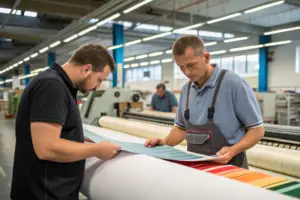
Working with multiple clothing suppliers across countries like China, Vietnam, and India gives brands flexibility, price competitiveness, and scalability. But it also adds complexity. From communication breakdowns to inconsistent quality, poor supplier coordination can lead to delays, production errors, and profit losses—especially during peak selling seasons.
The best practices for managing multiple suppliers involve centralizing communication, standardizing quality expectations, using digital tools, and building transparent partnerships. U.S. apparel brands sourcing globally must treat supplier management as a core operational strategy, not an afterthought.
If you're a buyer like Ron, who works with several overseas vendors to source formalwear, kidswear, or activewear, this guide will help you streamline your multi-supplier operations and avoid costly mistakes.
How Do You Centralize Communication With Overseas Suppliers?
Effective communication is the backbone of successful supplier management. When messages are scattered across WhatsApp, email, and Excel, confusion builds and errors multiply. Centralizing dialogue brings structure and transparency.
What Communication Platforms Work Best?
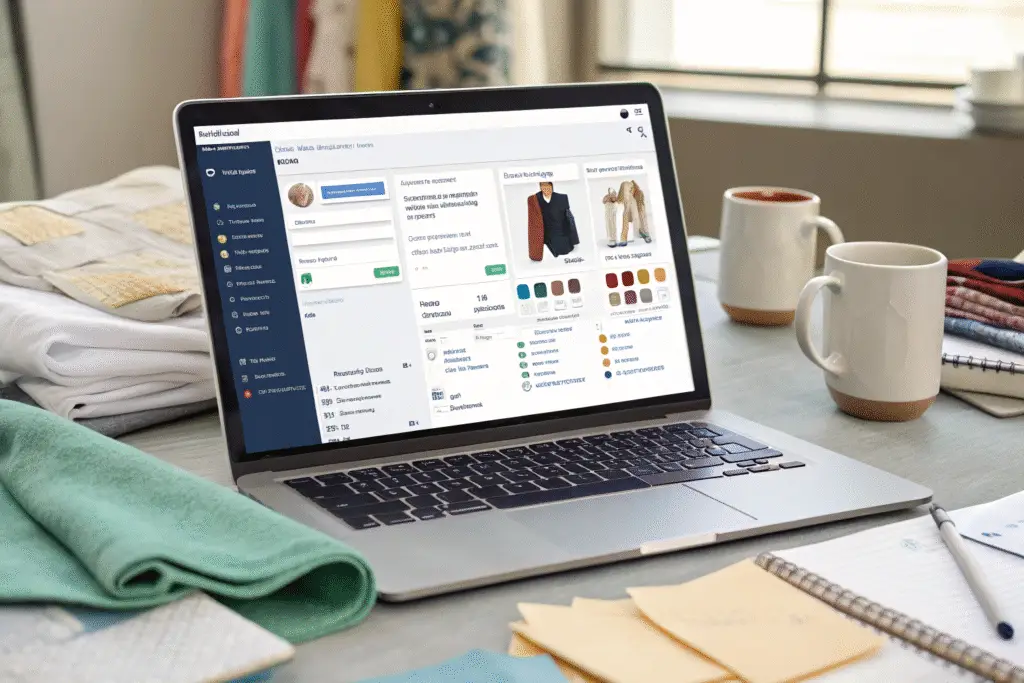
We use platforms like Slack or ClickUp to manage all conversations with suppliers. These tools allow us to assign tasks, share updates, and attach files in organized threads. If a supplier only uses WeChat, we mirror those updates in Slack for our internal tracking.
Even better, platforms like Anvyl or Zebra offer sourcing-specific tools with product timelines, quality checklists, and sample logs. One shared space removes the ambiguity of “who said what.”
How Often Should You Check In With Each Supplier?
Set a standard cadence—weekly for active orders and monthly for dormant accounts. Don’t rely solely on reactive updates. Instead, create a shared production calendar to track approvals, cutting dates, and shipment ETAs. At Fumao, we send clients weekly status snapshots so no one’s left guessing.
How Do You Maintain Consistent Quality Across Vendors?
Inconsistent quality from different suppliers is one of the most frustrating problems for brand buyers. It results in mismatched product lines and return issues. Aligning all vendors under one QC umbrella helps maintain brand trust.
Should All Factories Use the Same Quality Manual?
Yes. Create a master quality control manual with acceptable standards for stitching, measurements, fabric GSM, colorfastness, and labeling. At Fumao, we help clients build this from scratch if they don’t have one yet.
Third-party firms like Bureau Veritas or TUV SUD can also help create universal QC protocols for your vendor network. Send this manual during onboarding and audit compliance quarterly.
What’s the Role of Sample Approval?
Before bulk production, get gold seal samples from each supplier and archive them. Use these as the benchmark for inspection. Even minor elements like button placement or collar curve must match across vendors.
Use tools like Inspectorio to record inspections and spot patterns in factory performance. Over time, underperformers can be flagged or replaced before larger issues surface.
How Can You Balance Pricing and Lead Times?
Price competition is often the reason brands use multiple suppliers—but chasing the lowest price without considering lead time or reliability is dangerous. Instead, balance cost with delivery confidence and product complexity.

Do You Need a Tiered Supplier Strategy?
Yes. Divide suppliers into Tier 1 (strategic) and Tier 2 (tactical) roles. Tier 1 partners handle complex or signature styles where quality matters more. Tier 2 suppliers can focus on reorders, basics, or test programs.
Use spreadsheets or ProcurementExpress to compare quotes, but weigh each bid with their delivery reliability rate, not just cost per unit. At Fumao, we maintain 95% on-time delivery, making us a preferred Tier 1 vendor for American brands.
When to Consolidate Orders vs. Split?
Consolidate if multiple SKUs use the same fabric or trims. This gets you better pricing and minimizes wastage. Split orders when you want backup suppliers or need faster shipping lanes (e.g., Vietnamese shirts might ship faster to West Coast ports than inland Chinese ones).
Flexport offers supply chain analytics that help assess the trade-offs between shipping time and landed cost when managing multiple vendors.
What Tools Help Monitor Production and Shipments?
Digital tools make multi-supplier management scalable. From order placement to cargo arrival, visual tracking reduces email overload and prevents surprises.
What’s the Best Way to Track Production Progress?
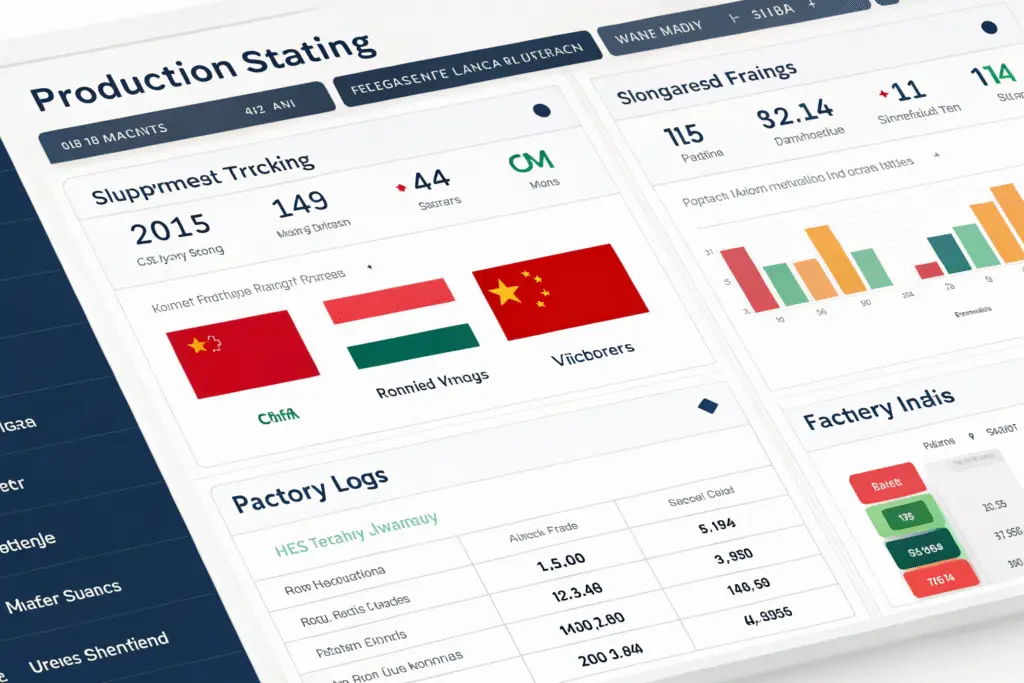
Platforms like Hubventory and Shipamax let you track production stages: material arrival, sample sign-off, cutting, sewing, packing, and handover. These tools integrate with your ERP or Google Sheets for transparency.
You can also ask suppliers to submit weekly updates via a shared Google Form, which can feed a live dashboard in Google Data Studio.
Can I Monitor Logistics in Real-Time?
Yes. At Fumao, we integrate our DDP shipping system with platforms like AfterShip and Easyship. These tools allow buyers to get live status updates—when goods leave the port, reach customs, or get delivered.
Using one logistics partner for all suppliers also helps consolidate documents, reduce duplicate work, and ease customs clearance into the U.S.
Conclusion
Managing multiple clothing suppliers doesn’t have to be messy. With the right tools, clear SOPs, and smart tiering, you can maintain high quality, competitive prices, and timely deliveries. Think like a supply chain strategist—not just a buyer.
If you're juggling vendors and need a reliable, full-package manufacturing partner for your next collection, let’s talk. At Shanghai Fumao, we help U.S. brands simplify their sourcing by offering consistent quality, fast communication, and DDP delivery options.
📩 Contact our Business Director Elaine at elaine@fumaoclothing.com to build your multi-supplier strategy today.