When sourcing clothing from overseas, payment methods aren't just financial decisions—they're a matter of trust, security, and timing. Many importers, especially those new to the process or scaling operations, experience uncertainty over how best to transfer funds safely and cost-effectively to foreign factories. Payment mistakes can lead to delayed shipments, poor-quality goods, or even fraud.
The best payment methods for overseas clothing orders depend on your order size, supplier relationship, and risk tolerance. Options like Telegraphic Transfer (T/T), Letters of Credit (L/C), PayPal, and escrow services each offer different levels of protection and flexibility.
If you’re a brand buyer like Ron—our ideal American customer—who is quality-conscious but also margin-focused, you need methods that balance control and cost. In this article, I’ll break down the most trusted payment options, show when to use each, and share real-world insights from our clients in the U.S. apparel market.
Is Telegraphic Transfer (T/T) Still the Industry Standard?
Even in 2025, Telegraphic Transfer (T/T) remains the go-to method for many international clothing buyers. It's fast, bank-to-bank, and widely accepted by manufacturers in China, Vietnam, India, and Bangladesh.
T/T is typically structured in phases: 30% upfront before production, 70% after inspection but before shipment. This structure protects both parties while speeding up the supply chain.
Why Do Buyers Still Rely on T/T?
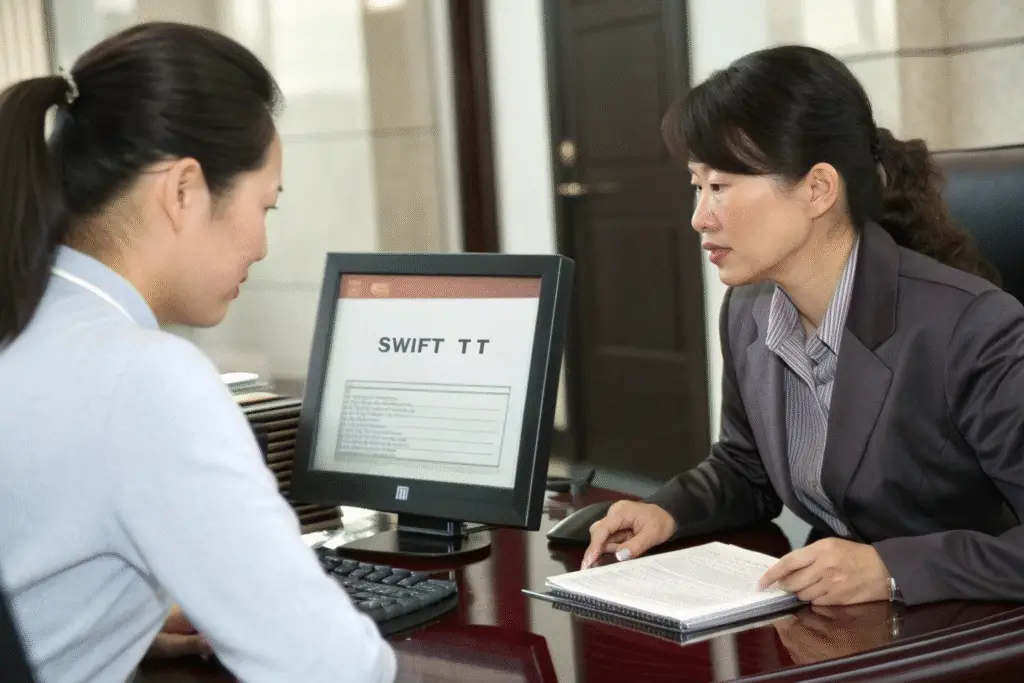
T/T is preferred because it allows relatively quick transactions via the SWIFT network. While newer fintech options are emerging, many large-scale clothing suppliers still build their processes around bank wires. It also offers a paper trail that can help resolve disputes.
As a factory, we’ve seen American clients use T/T as a way to reserve production capacity fast. For first-time orders, some may request 50%/50% to reduce risk. It all comes down to mutual trust and solid communication.
What Risks Come with Using T/T?
The biggest risk is transferring large sums without shipment guarantees. Once funds are wired, reversing them is nearly impossible. For this reason, third-party inspection and a solid purchase agreement are crucial. You should always verify the factory’s bank account details and check if they match the business license and export registration.
How Secure Are Letters of Credit (L/C) for Bulk Orders?
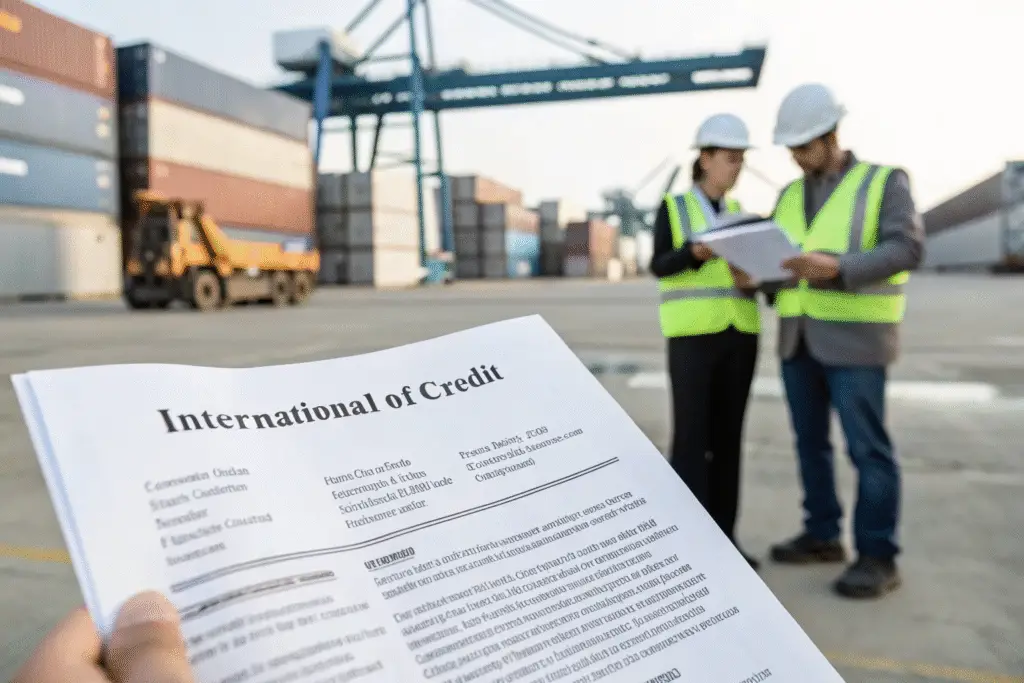
For bulk apparel orders worth $50,000 and above, Letters of Credit (L/C) offer strong financial protection. An L/C ensures the factory only gets paid when specific terms are fulfilled, verified by banks on both ends.
Letters of Credit transfer risk from the buyer to the issuing bank, making them ideal for large, high-value orders that cannot tolerate production or shipping failure.
When Should You Use an L/C?
L/Cs are popular with large retailers or distributors who place container-level garment orders. If you're sourcing private-label collections, school uniforms, or licensed apparel with strict delivery schedules, L/Cs are highly recommended.
Despite their complexity, L/Cs are recognized by most export-focused garment manufacturers in Asia. They reduce buyer exposure by requiring shipping documents before any money is released.
What Are the Drawbacks of L/Cs?
L/Cs are not cost-free. Bank fees on both sides can range from $200–$600 per transaction. Plus, they involve paperwork and strict compliance with clauses. If the supplier makes an error in documentation—even a typo—it can delay payment. Some buyers find them too rigid for fast-moving fashion production cycles.
Still, for established brands sourcing from unfamiliar factories, the peace of mind is often worth it.
Is PayPal a Smart Choice for Smaller Apparel Orders?
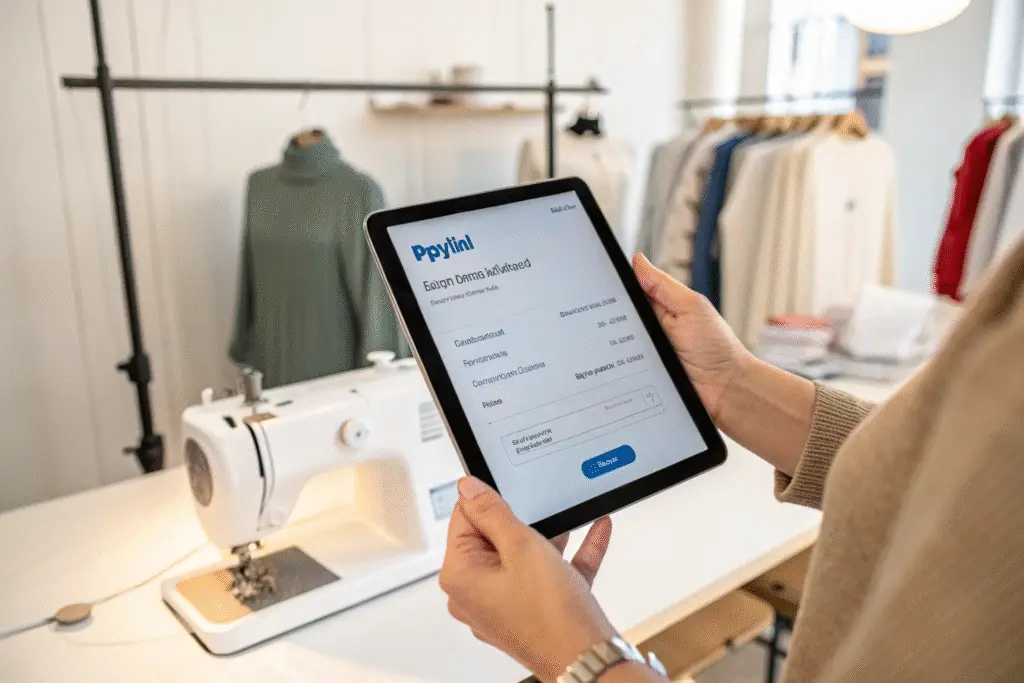
Many new or small-batch buyers ask: “Can I just use PayPal?” The answer is yes—but with caveats. PayPal offers quick digital payments, buyer protection, and easy dispute resolution, making it popular for small MOQ orders.
PayPal is ideal for sample orders, first-time test runs, or small accessory purchases. It reduces entry barriers and supports credit card payments, making it easier for startup fashion buyers.
When Is PayPal Appropriate?
PayPal works well for transactions under $3,000 where the risk is manageable. Some apparel factories accept PayPal for sample development charges or low-volume designs. It provides instant proof of payment and does not require extensive documentation.
This is particularly helpful when dealing with short delivery timelines or when your sourcing process involves several small purchases from multiple vendors.
What Are the Limitations of Using PayPal?
PayPal fees can eat into your margin—especially when you're paying from a business account. Foreign exchange rates and transaction charges usually total around 4–6%. Also, suppliers may hesitate to use PayPal for larger orders due to chargeback risks.
In many cases, suppliers will add a service charge or decline PayPal if the payment exceeds $5,000.
Can Escrow Services Bridge Trust Gaps in New Relationships?
Escrow services act as a neutral third party, holding funds until both buyer and supplier meet agreed-upon conditions. These services are gaining traction in B2B garment trade—especially for first orders with new partners.
Escrow is perfect for cautious buyers who want goods confirmed before payment, especially when entering a new supply relationship or switching factories.

When Should You Choose Escrow?
Escrow works great for sample batches or mid-size custom apparel orders with new suppliers. Platforms like Alibaba Trade Assurance and third-party services like Escrow.com offer systems where the money is only released once the goods pass inspection or meet set milestones.
It also works well when dealing with newer factories not yet able to offer flexible payment terms. As a factory, we’ve used escrow with overseas clients during their onboarding phase.
What Should You Know Before Using Escrow?
Most escrow services charge a handling fee of 1%–2% of the transaction amount. Also, the supplier needs to agree to the terms—which not all are willing to do due to payment delays.
Another consideration is the dispute resolution process. If there’s a disagreement, funds could be locked for weeks. Therefore, clear contracts and visual confirmation (like QC videos) are essential before triggering the release.
Conclusion
Choosing the right payment method when sourcing garments overseas is not just about convenience—it’s a strategic decision that affects your bottom line and supply chain reliability. Whether it’s the speed of T/T, the protection of L/C, the simplicity of PayPal, or the neutrality of escrow, each method has its place depending on your business needs.
As a clothing manufacturer working with U.S. brands, we’ve seen every possible payment method in action. The key is open communication and a tailored approach. For buyers like Ron, who value both price and security, hybrid solutions—like T/T with third-party inspection or escrow on first orders—offer a smart path forward.
If you're ready to scale your sourcing while minimizing risk, let's discuss the best payment method for your next order.