A well-executed label isn’t just functional—it’s a reflection of your brand’s quality and identity. Yet many apparel buyers focus on the garment itself and forget to specify the correct neck, care, or size label until production begins. That delay can result in generic or misplaced branding.
Smart labeling improves customer experience, increases retention, and supports compliance in retail and eCommerce environments. Whether you're launching a DTC clothing brand or sourcing for wholesale, labeling matters more than most realize.
At Fumao Clothing, we help clients define and apply label strategies that enhance both branding and efficiency. Here's how to choose the best label types for each garment component.
What Are the Main Types of Neck Labels for Branding?
The neck label is the first branding point your customer interacts with when they wear your garment. It must balance comfort, longevity, and visual clarity.
Neck labels can be sewn woven tags, printed ink, heat transfer vinyl, or satin loops—each with specific pros and cons based on garment type.

What Is the Best Label Method for Comfort and Durability?
| Method | Best For | Pros | Cons |
|---|---|---|---|
| Woven Label | Premium knits, outerwear | Textured, long-lasting | May irritate neck on thin fabric |
| Heat Transfer | Activewear, basics | Soft, tagless, smooth finish | Slight fade after 50+ washes |
| Printed Label | Lounge/sleepwear | Low cost, no feel | Least durable |
| Satin Loop | Luxury/casual wear | Premium feel, fold options | Needs clean sewing execution |
For soft tees, we often recommend heat transfer. For denim or jackets, woven labels make a strong brand statement.
Check out Avery Dennison’s label technology guide or Dutch Label Shop’s gallery for examples.
Where Should Neck Labels Be Positioned?
- Center back neckline (standard)
- Offset shoulder seam (for athletic branding)
- Bottom hem tag (for streetwear styling)
You can view neck label placement examples on T-Shirt Magazine or Bella+Canvas brand guide.
What Should Be Included in the Care Label?
The care label isn’t just about laundry—it’s a compliance and return-prevention tool. It must clearly communicate fabric content, washing methods, and legally required info.
Care labels should include fiber content, wash symbols, country of origin, RN number (for U.S.), and care instructions in key markets’ languages.

What Are the Legal Requirements for Care Labels?
In the U.S., per FTC guidelines, you must show:
- Fiber content (e.g., 95% cotton, 5% elastane)
- Country of origin (e.g., Made in China)
- RN number (registered manufacturer number)
- Care instructions (machine wash cold, do not bleach)
In the EU, labels must comply with Regulation EU 1007/2011, requiring language localization and fiber clarity.
Should You Use Symbols or Text?
Ideally, both. Use Ginetex’s care symbols for universal understanding, and add English or multilingual text for clarity. In Canada or Japan, label bilingualism is often required.
You can create care labels using LabelWeaver or ItFitsLabel.
What Are the Best Size Label Options for Clothing?
Sizing is deceptively simple—but if done inconsistently, it causes high return rates and buyer confusion. Good size labels must be accurate, durable, and readable.
You can integrate size info into neck labels, use separate loop tags, or apply heat press/printed methods—depending on your garment type.

How Should You Apply Size Labels Across Styles?
| Garment Type | Recommended Size Labeling |
|---|---|
| T-shirts, Basics | Heat press or printed inside back |
| Hoodies, Outerwear | Woven loop label + size tab |
| Leggings, Activewear | Printed on waist or hip seam |
| Kidswear | Separate size + age label |
To match U.S. buyer expectations, follow alpha sizing (S, M, L) and numeric sizes (28, 30, 32, etc.) for denim or bottoms. For Europe, you may need to include EU sizes.
Reference global standards from ISO Size Labeling and examples from NextLabel.
Where Else Can Size Tags Be Placed?
- Inside neck seam (combined with brand tag)
- Side seam hem (for leggings or dresses)
- Waistband inner (denim, shorts, boxers)
Use contrasting thread or bold text to enhance readability.
How to Coordinate Label Production With Your Factory?
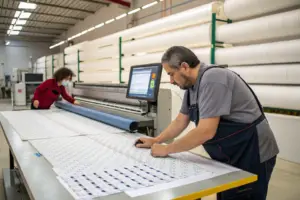
Labels may seem small—but they involve color matching, fabric compatibility, needle choice, and machine setup. The earlier you plan labels, the smoother your bulk production runs.
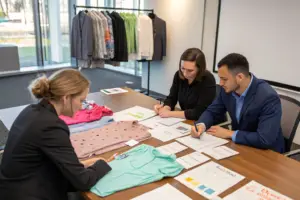
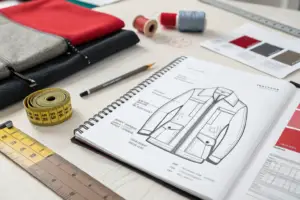
Always include label mockups in your tech packs, finalize artwork before sample approval, and clarify placement in advance.

What to Include in the Label Spec Sheet?
- Label type and location (neck, care, size)
- Artwork (vector file, .ai or .eps)
- Label material (satin, cotton, TPU, etc.)
- Print or weave method
- Stitching requirement (folded, looped, straight)
You can build specs using tools like Techpacker or Maker’s Row.
Can Labels Be Pre-made Before Bulk PO?
Yes. Most factories request label files during sample stage and begin label production separately. For bulk, labels are attached in-line or post-sewing. Allow 7–10 extra days for label lead time.
Some suppliers work with third-party label makers like Avery Dennison or Finotex.
Conclusion
Labeling isn’t just about ticking boxes—it’s an extension of your brand story. From the neck logo to care tags and size markers, every label tells your customer something about the quality and reliability of your product.
At Fumao Clothing, we help clients integrate professional labeling into their bulk orders with precision and compliance. Whether you need heat transfers, woven tags, or full custom trim kits, our production team is here to support you.
To start sourcing quality clothing with custom branding solutions, email our Business Director Elaine at elaine@fumaoclothing.com today.