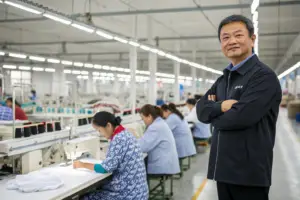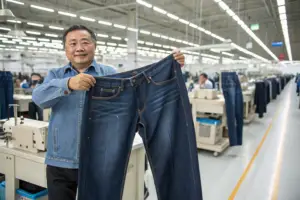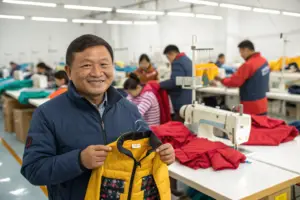
As the owner of Fumao Clothing with over a decade of experience in Chinese manufacturing, I understand the challenge of finding reliable low MOQ manufacturers. The term "best" depends entirely on your specific needs—whether you prioritize lowest possible quantity, specific expertise, communication quality, or ethical standards. Having worked alongside hundreds of American brands and seen their manufacturing journeys, I can provide honest insights about navigating China's low MOQ landscape.
The best low MOQ clothing manufacturers in China typically specialize in specific product categories, maintain balanced client portfolios, offer transparent communication, and have proven track records with international brands. Rather than seeking a universal "best" manufacturer, successful brands find the right manufacturing partner for their specific needs and stage.
I've witnessed brands waste months and thousands of dollars pursuing manufacturers who were technically excellent but completely wrong for their business stage or product type. Let me share what actually makes a manufacturer "best" for low MOQ production and how to identify your ideal partner.
What defines a truly reliable low MOQ manufacturer?
Beyond the basic ability to produce garments at lower quantities, truly valuable low MOQ manufacturers possess specific characteristics that make them sustainable partners for emerging brands. These traits often matter more than minor price differences.
Reliable low MOQ manufacturers maintain consistent quality across small batches, provide transparent communication, offer reasonable pricing structures, and demonstrate understanding of startup challenges. These characteristics separate true partners from factories simply tolerating small orders.
Why is specialized expertise crucial for low MOQ success?
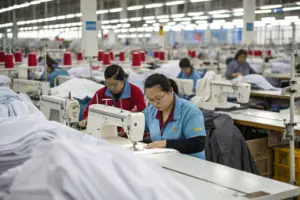
Factories specializing in specific product categories typically deliver better results at lower quantities because their equipment, operators, and systems are optimized for those particular garments. Generalist factories often struggle with quality consistency across diverse small orders.
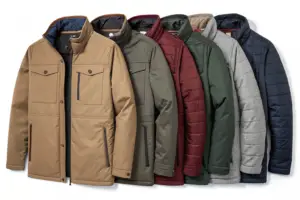
Our factory focuses on woven shirts, technical outerwear, and contemporary womenswear—categories where we've developed specialized low MOQ processes. A brand producing technical jackets received significantly better quality from us at 150 units than from a generalist factory at 300 units because our specialized expertise with similar garments allowed for better problem anticipation and resolution.
How does communication quality impact low MOQ partnerships?
Exceptional communication becomes more critical with lower quantities where there's less margin for error. Manufacturers with dedicated international communication teams typically provide better low MOQ experiences than those where owners handle all communication.
We invested in a bilingual production management team that serves as a bridge between our international clients and factory floor. Brands consistently report that this communication infrastructure provides the transparency needed for successful low MOQ production, unlike manufacturers where language barriers and time zone differences create constant misunderstandings.
What manufacturing regions specialize in low MOQ production?
China's manufacturing capabilities vary significantly by region, with different areas developing specialties based on historical industry concentration and infrastructure development.
Guangdong province excels in contemporary fashion with moderate low MOQ capabilities, Zhejiang province dominates technical and outerwear with slightly higher MOQs, while smaller specialized factories throughout China offer niche low MOQ services. Understanding these regional differences helps target your search effectively.
Why does Guangdong offer strong low MOQ options?
Guangdong province, particularly the Pearl River Delta region, has developed flexible manufacturing ecosystems that can accommodate smaller orders while maintaining quality standards. The density of supply chains and skilled workers supports efficient low MOQ production.
Our operations in Guangdong benefit from this ecosystem—we can source materials and trims in smaller quantities due to the concentration of suppliers serving diverse order sizes. A Los Angeles-based contemporary brand found they could maintain 150-unit MOQs with us while accessing materials that would require 500+ units in less developed manufacturing regions.
What unique advantages do Zhejiang manufacturers offer?
Zhejiang province, particularly around Ningbo and Shaoxing, has developed exceptional expertise in technical fabrics and complex construction. While MOQs tend to be slightly higher, the technical capability often justifies the quantity requirements for appropriate products.
We maintain technical production facilities in Zhejiang specifically for our clients needing advanced fabrications or complex construction. A technical apparel brand found our Zhejiang facility could produce their advanced outerwear at 200-unit MOQs with quality that matched manufacturers requiring 500+ units, making the slightly higher minimum worthwhile for their specific needs.
How do you evaluate low MOQ manufacturer capabilities?
Beyond basic MOQ numbers, assessing manufacturer suitability requires investigating specific capabilities that determine whether they can actually deliver on their promises for your particular products.
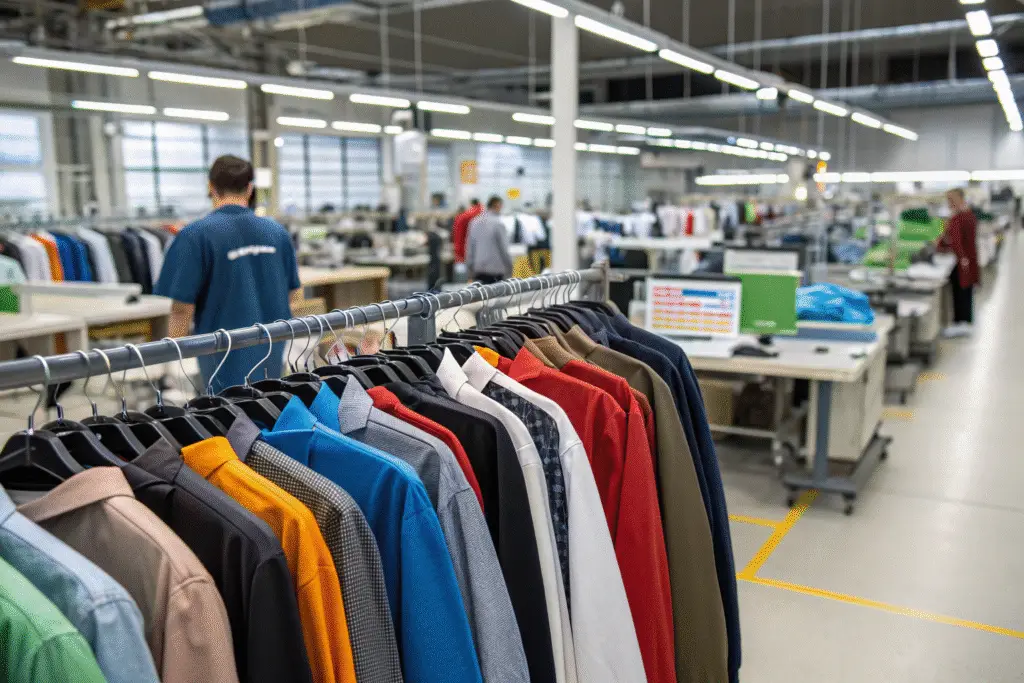
Effective manufacturer evaluation involves verifying quality control systems, assessing technical team capabilities, reviewing communication processes, and understanding their true specialization areas. These factors often matter more than the lowest possible MOQ number.
Why do quality control systems determine low MOQ success?
Robust quality systems become more crucial with smaller orders where there's less statistical room for error. Manufacturers with systematic QC processes typically deliver more consistent results across small production runs.
We implemented a comprehensive quality system specifically designed for lower quantity production, including 100% measurement checking for key specifications. Brands consistently report better quality outcomes with our 150-unit orders than with factories producing 500+ units with less rigorous inspection protocols.
How does technical team capability impact low MOQ results?
Strong technical teams can anticipate and prevent issues during sampling and production, reducing the need for multiple sample rounds that make low MOQ production economically challenging for manufacturers.
Our technical team includes pattern engineers with 10-20 years of experience in our specialized categories. A New York brand found they achieved perfect first samples with our team at 150 units, while another factory required three sample rounds for similar styles at 200 units. This technical expertise difference ultimately made our effective MOQ lower despite the similar quantity requirements.
What are the realistic MOQ ranges by product type?
Understanding typical MOQ ranges by product category helps set realistic expectations and identifies when a manufacturer's quoted MOQ is reasonable versus potentially problematic.
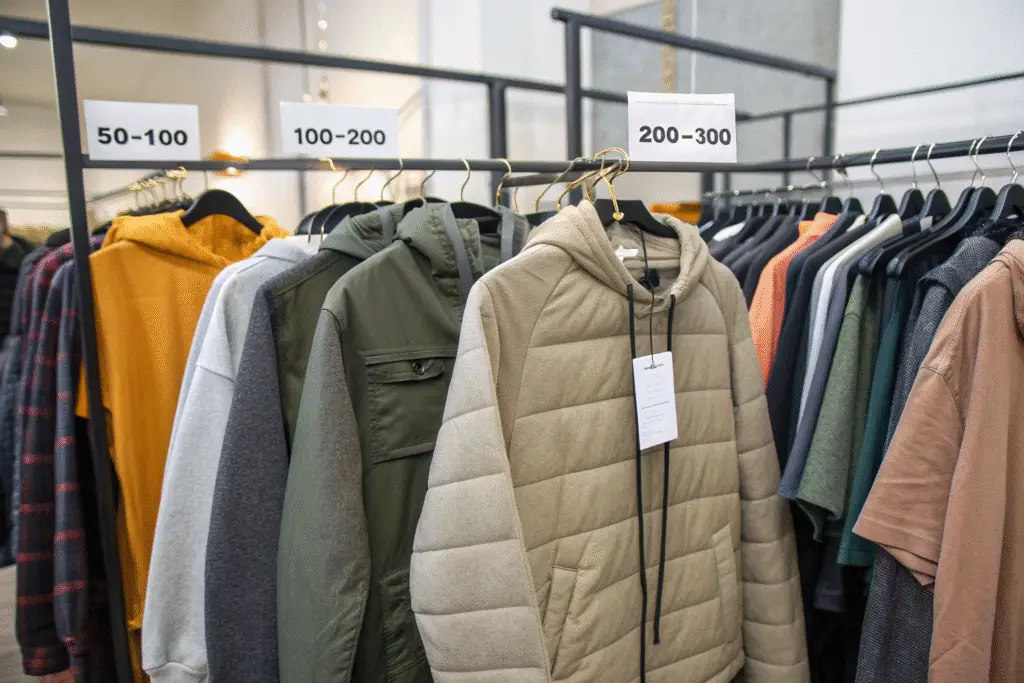
Realistic low MOQ ranges typically span 50-100 units for simple cut-and-sew items, 100-200 units for moderately complex garments, and 200-300 units for technically complex products with custom materials. Significant deviations from these ranges often indicate misalignment.
What MOQs are realistic for basic garments?
Simple garments like t-shirts, basic woven shirts, and simple skirts typically achieve the lowest MOQs due to standardized construction and efficient production processes. Factories specializing in these categories often offer 50-100 unit MOQs.
Our basic woven shirt MOQ starts at 100 units using our standard fabric selections. Brands understand they'll pay a price premium at this quantity—typically 40-60% higher per unit than 500-unit pricing—but gain the inventory flexibility crucial for early-stage businesses.
Why do complex garments require higher MOQs?
Technically complex garments like tailored blazers, technical outerwear, and intricate dresses naturally require higher MOQs due to extended setup times, specialized equipment requirements, and complex quality control processes.
Our MOQ for technical outerwear is 200 units because the production involves specialized equipment, multiple construction stages, and extensive testing. An outdoor brand initially sought 100-unit production but understood our technical requirements justified the higher minimum after we detailed the 47 separate operations involved in their jacket design.
How can you verify manufacturer reliability and reputation?
Verifying manufacturer claims is crucial in an industry where overpromising is common. Systematic verification separates truly reliable partners from those who will cause production headaches.
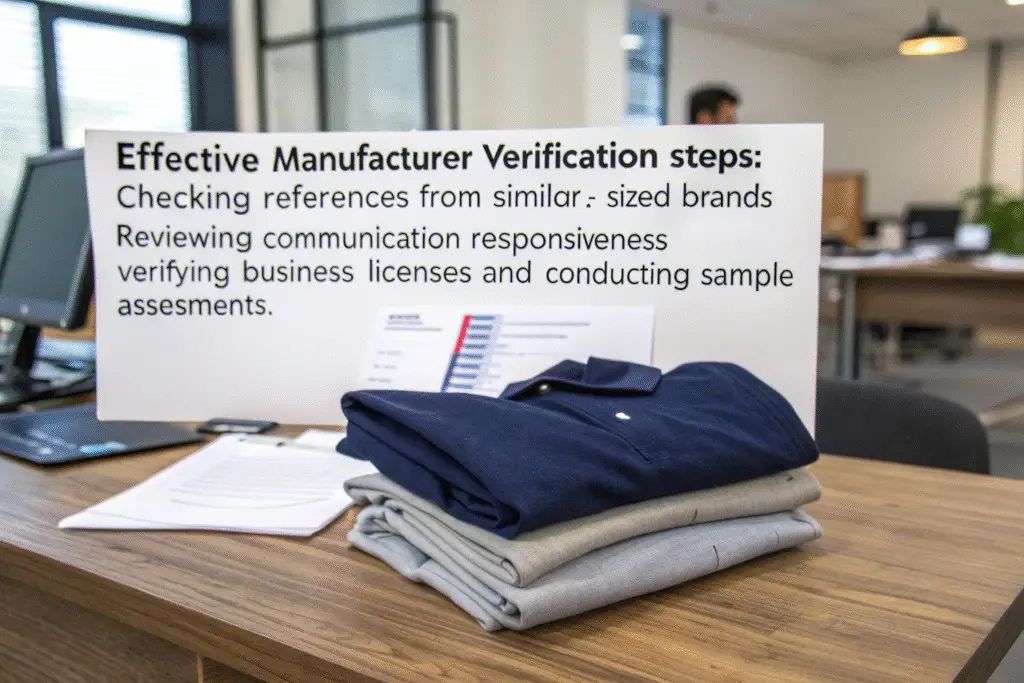
Effective manufacturer verification includes checking references from similar-sized brands, reviewing communication responsiveness, verifying business licenses and certifications, and conducting sample assessments. These steps prevent partnership disasters.
Why do references from similar-sized brands matter most?
Manufacturers often treat billion-dollar brands differently than emerging companies. References from businesses at your scale provide the most relevant insights about how you'll actually be treated.
We encourage potential clients to speak with our current clients at similar business stages. A emerging brand specifically sought references from companies doing 100-300 unit production and found the feedback more valuable than testimonials from large corporations with completely different manufacturing needs and treatment.
How does sample assessment predict production outcomes?
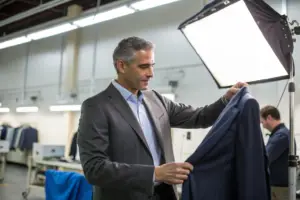
The sample development process reveals much about a manufacturer's capabilities, communication style, and attention to detail. Problematic sampling experiences typically predict problematic production experiences.
We view sample development as a mutual evaluation period. A San Francisco brand decided to work with us specifically because our sample process included detailed technical feedback about how to improve their design for production, demonstrating expertise beyond simply executing their instructions.
What red flags indicate problematic low MOQ manufacturers?
Certain warning signs consistently predict manufacturing partnerships that will cost brands time, money, and stress. Recognizing these red flags early prevents costly mistakes.
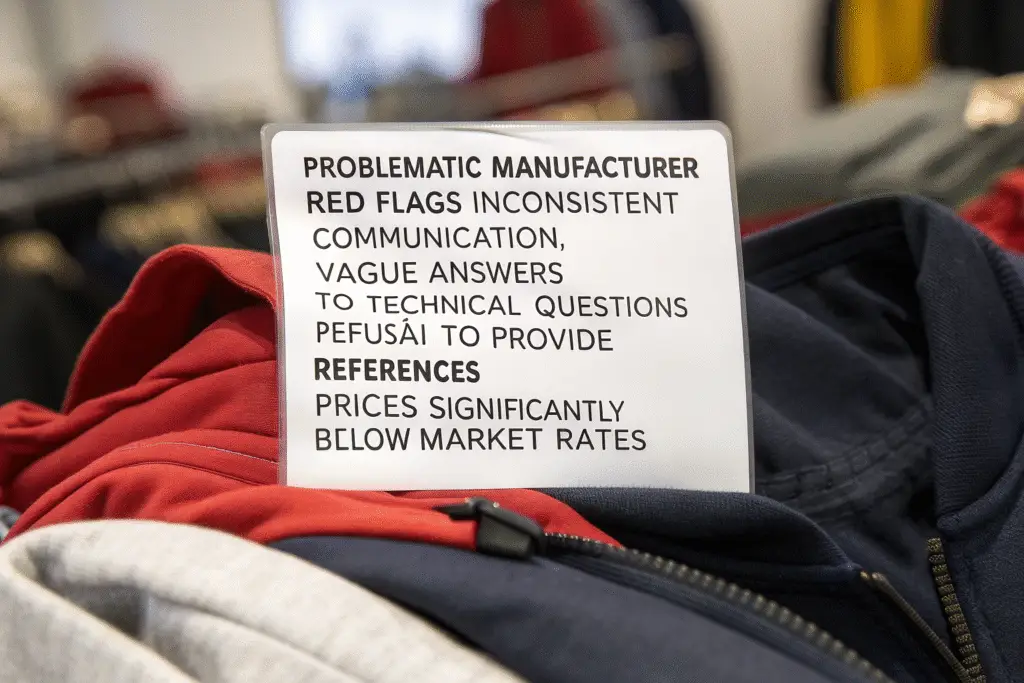
Problematic manufacturer red flags include inconsistent communication, vague answers to technical questions, refusal to provide references, and prices significantly below market rates. These indicators often signal deeper issues.
Why are significantly below-market prices concerning?
Manufacturers offering prices 30-50% below typical market rates often achieve these prices through problematic practices like material substitution, unauthorized factory outsourcing, or hidden cost structures.
We've rescued multiple brands from manufacturers offering impossibly low pricing. One brand discovered their "amazing deal" came from unauthorized subcontracting to unapproved facilities when their shipment arrived with completely different materials than specified. Understanding realistic pricing prevents these devastating experiences.
How does communication inconsistency predict problems?
Manufacturers with erratic response patterns, frequently changing contacts, or vague answers to technical questions typically struggle with organization and transparency—critical elements for successful low MOQ production.
We maintain consistent communication protocols including designated account managers and 24-hour response guarantees. Brands specifically mention this communication reliability as crucial for their low MOQ success, compared to previous manufacturers where unpredictability created constant anxiety.
Conclusion
Finding the best low MOQ clothing manufacturer in China requires matching your specific needs with a factory's genuine capabilities rather than seeking a mythical "best" manufacturer. The most successful partnerships emerge when brands understand their true requirements and manufacturers demonstrate authentic expertise aligned with those needs.
Rather than focusing exclusively on the lowest possible MOQ number, consider the complete partnership including communication quality, technical capability, and specialization alignment. These factors often determine low MOQ success more dramatically than minor quantity or price differences.
If you're seeking a low MOQ manufacturing partner and want honest assessment of whether our capabilities align with your needs, we'd be happy to discuss your specific situation. Contact our Business Director, Elaine, at elaine@fumaoclothing.com for a transparent conversation about potential fit.