You want to build a fashion brand that aligns with your environmental values, but navigating the world of sustainable fabrics feels overwhelming. With so many options claiming to be "eco-friendly," how do you identify which materials genuinely reduce environmental impact while meeting your quality and budget requirements? The choice between organic cotton, recycled polyester, hemp, and emerging alternatives involves complex trade-offs between water usage, chemical inputs, carbon footprint, and circularity.
The best fabrics for sustainable clothing production balance environmental benefits with practical manufacturing requirements, offering verified certifications, transparent supply chains, and viable end-of-life options. Currently, GOTS-certified organic cotton, recycled polyester, Tencel™ Lyocell, hemp, and linen represent the most established sustainable options, each excelling in different environmental categories while maintaining commercial viability. These materials have proven their sustainability credentials through life cycle assessments and offer reliable supply chains for fashion brands. Let's explore how each fabric performs across key sustainability metrics and manufacturing considerations.
How do natural fibers compare for sustainability?
Natural fibers derived from plants offer biodegradability and renewable sourcing, but their environmental impact varies dramatically based on farming practices, processing methods, and transportation distances. Understanding these differences helps you select the most appropriate natural fibers for your sustainable collection.
Organic cotton, hemp, and linen represent the leading sustainable natural fibers, each with distinct environmental advantages. GOTS-certified organic cotton reduces water consumption by 91% compared to conventional cotton and eliminates synthetic pesticides, though it still requires substantial water resources. Hemp grows rapidly with minimal water and naturally enriches soil, while linen from flax plants thrives in poor soil with little irrigation. We recently helped a basics brand transition from conventional to organic cotton, absorbing the 25% cost increase through production efficiencies while leveraging their sustainability story to justify a 15% price premium that customers willingly paid.

Why is certification crucial for natural fibers?
Without third-party verification, sustainability claims are difficult to substantiate. GOTS (Global Organic Textile Standard) certification ensures organic fiber content and environmentally responsible processing, while OCS (Organic Content Standard) verifies organic material presence. A conscious activewear brand discovered their "organic" cotton supplier couldn't provide GOTS documentation—switching to certified organic ensured their claims were legitimate and built customer trust through supply chain transparency.
What are the limitations of natural fibers?
Even sustainable natural fibers have environmental impacts—organic cotton still requires significant water, and all plant-based fabrics typically need international shipping unless sourced locally. We help clients balance these realities by selecting fibers appropriate for their specific environmental priorities. A European brand chose linen over organic cotton specifically for its lower water footprint and regional availability, reducing their transportation emissions while supporting European flax farmers.
What makes recycled synthetics environmentally responsible?
Recycled synthetic fabrics transform waste materials into new textiles, reducing reliance on virgin petroleum and diverting plastic from landfills and oceans. While synthetics have environmental drawbacks, recycled versions significantly improve their sustainability profile while maintaining performance benefits.
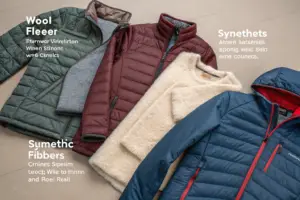
Recycled polyester (rPET) and recycled nylon lead the recycled synthetic category, offering substantial reductions in energy consumption (30-50%) and carbon emissions (20-30%) compared to virgin equivalents. rPET from post-consumer plastic bottles has become particularly accessible, with established supply chains and competitive pricing. We helped a swimwear brand transition to recycled nylon from fishing nets and industrial waste, creating a powerful sustainability story while maintaining the durability and chlorine resistance their customers required.

How does recycling impact fabric quality?
Modern recycling technologies produce recycled synthetics that match virgin quality while reducing environmental impact. Mechanical recycling melts existing plastics, while chemical recycling breaks polymers down to molecular level for purer results. A technical outerwear brand was initially concerned about recycled polyester's performance until testing revealed equivalent durability, water resistance, and colorfastness to virgin materials—allowing them to make the switch without compromising functionality.
What are the circularity considerations?
While recycled synthetics extend material life, they still contribute to microplastic pollution and typically can't be recycled again. We guide brands toward solutions like Guppyfriend washing bags that capture microfibers and design for disassembly that facilitates future recycling. A sportswear company implemented a take-back program alongside their recycled collection, creating a closed-loop system that addressed the end-of-life challenge of synthetic fabrics.
Why are regenerated cellulosics gaining popularity?
Regenerated cellulosic fibers created from renewable wood pulp offer a compelling combination of natural origin, closed-loop production, and luxurious properties. These "next-generation naturals" bridge the gap between synthetic performance and natural fiber sustainability.
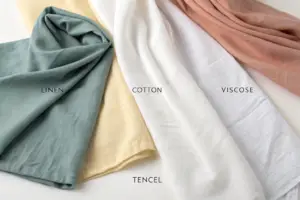
Tencel™ Lyocell leads this category with its closed-loop production process that recycles 99% of solvents and uses sustainably sourced wood from certified forests. The fiber's smooth surface, excellent moisture-wicking, and biodegradability make it suitable for everything from denim to luxury apparel. We helped a contemporary brand replace viscose with Tencel™ in their drapey silhouettes, improving the fabric's environmental profile while maintaining the fluid hand-feel their designs required.

How does Lyocell differ from viscose?
While both originate from wood pulp, Lyocell uses a closed-loop process with non-toxic solvents, whereas conventional viscose employs carbon disulfide in an open process that releases chemicals. Brands increasingly seek EcoVero viscose as a sustainable alternative, which uses sustainable wood sources and has significantly lower emissions and water impact than conventional viscose. A fast-fashion brand transitioned their entire viscose range to EcoVero, reducing water usage by 50% and emissions by 50% while maintaining their price points.
What about newer regenerated materials?
Innovative materials like orange fiber (from citrus waste), pineapple leaf fiber (Piñatex), and mushroom-based leather alternatives offer exciting possibilities but currently face scalability challenges. We help clients strategically incorporate these materials in limited editions while relying on established sustainable fabrics for core collections. A luxury accessories brand used mushroom leather for a special capsule collection, generating significant press attention while their main line utilized more commercially viable recycled materials.
How do fabric blends impact sustainability?
While 100% sustainable fabrics represent the ideal, practical considerations often make blends necessary for achieving specific performance, aesthetic, or cost requirements. Strategic blending can enhance sustainability when approached thoughtfully.
Common sustainable blends include organic cotton with recycled polyester (combining natural comfort with synthetic durability), Tencel with linen (enhancing drape and reducing wrinkling), and hemp with organic cotton (softening hand-feel while maintaining strength). We recently developed a performance blend of 50% recycled polyester and 50% Tencel that offered moisture-wicking, reduced pilling, and maintained biodegradability for an activewear brand seeking to minimize their environmental impact.

What are the recycling challenges with blends?
Fabric blends complicate recycling since separating fibers is difficult with current technology. We guide clients toward mono-material construction where possible or designing for disassembly that facilitates separation. A circular economy pioneer designed their garments with separable components—Tencel main body with recycled polyester reinforcement—enabling cleaner recycling at end-of-life while maintaining performance requirements.
How can blending reduce environmental impact?
Strategic blending sometimes reduces overall environmental impact by extending garment life through improved durability or enabling the use of smaller quantities of premium sustainable materials. A denim brand used 2% elastane with 98% organic cotton to create stretch denim that maintained fit longer, reducing replacement frequency and ultimately decreasing their customers' overall environmental footprint through extended wear.
What certifications verify fabric sustainability?
Certifications provide crucial third-party verification of sustainability claims, helping brands navigate greenwashing and make informed sourcing decisions. Understanding which certifications matter most for different environmental priorities streamlines fabric selection.
Key certifications include GOTS for organic fibers, Bluesign for chemical management, Oeko-Tex for human ecology, GRS (Global Recycled Standard) for recycled content, and FSC for forest-derived materials. We maintain a certification library that helps clients quickly identify fabrics meeting their specific sustainability criteria. A conscious brand targeting the European market prioritized GOTS and Oeko-Tex certifications, recognizing these as the most trusted standards among their customer base.

How do certifications impact sourcing decisions?
Certifications often determine which fabrics make it into sustainable collections, with many retailers and consumers specifically seeking certified products. We've observed that brands leading with certification stories typically see 20-30% higher engagement with their sustainability messaging. A direct-to-consumer brand featured their GOTS and Fair Trade certifications prominently in marketing, driving a 25% increase in conversion among environmentally conscious shoppers.
What about emerging certification standards?
New certifications continue to emerge addressing specific environmental concerns like water usage, carbon footprint, and biodegradability. While these provide valuable specialization, we recommend prioritizing established certifications with broad recognition while selectively incorporating emerging standards that address your brand's specific environmental focus areas. A water-conscious brand added the Waterless certification to their existing GOTS credentials, strengthening their position on water conservation.
Conclusion
Selecting the best fabrics for sustainable clothing production requires balancing environmental impact, performance requirements, cost considerations, and certification credibility. The most successful sustainable collections combine established options like GOTS organic cotton and recycled polyester with strategic use of innovative materials where they provide genuine environmental benefits. By understanding the complete life cycle of each fabric—from raw material sourcing to end-of-life disposal—you can make informed decisions that align with your brand's specific sustainability goals.
Remember that the most sustainable fabric is one that creates beautiful, durable clothing that people wear and cherish for years. For guidance navigating sustainable fabric selection with access to certified materials and transparent supply chains, contact our Business Director Elaine at elaine@fumaoclothing.com. Let's build your sustainable collection on a foundation of genuinely eco-friendly fabrics that perform as beautifully as they promise.