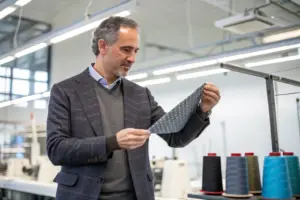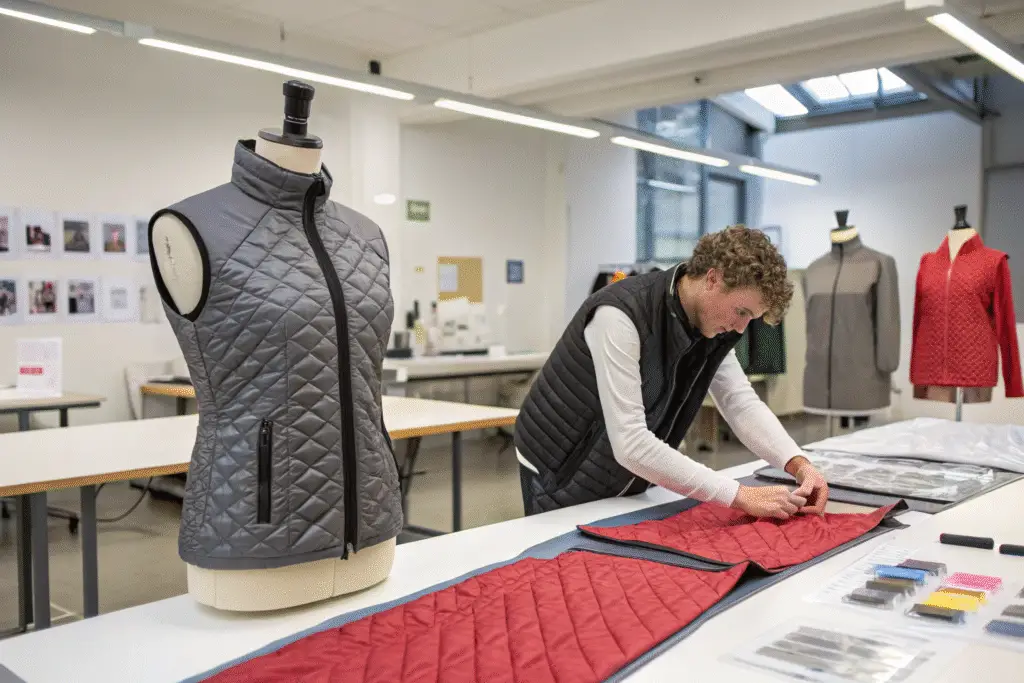
Reversible clothing has taken the U.S. fashion market by storm—offering customers not just style flexibility, but also sustainability and cost savings. Brands that offer well-made reversible jackets, dresses, or tops can appeal to practical consumers and stand out on crowded retail shelves. But achieving that “two-in-one” quality isn’t just about cutting and stitching two pieces together—it starts with the right fabric.
If you choose the wrong material, your reversible garment will bulk, wrinkle, or fall apart after a few washes.
As a Chinese apparel manufacturer who partners with U.S. brands focused on customization and performance, I’ve seen reversible styles become popular in both casualwear and activewear categories. Today, I’ll break down which fabrics work best—and why fabric selection is the foundation for successful reversible clothing manufacturing.
Which Fabric Properties Matter Most for Reversible Garments?
The perfect fabric for reversible clothing must balance functionality, aesthetic duality, and sewing compatibility. Unlike regular garments, reversible pieces are visible inside and out—so both surfaces must look and feel great.
Double-faced fabrics, interlock knits, and bonded textiles are top choices due to their clean finish, structural stability, and dual-surface design.
Why Is Fabric Weight Important in Reversible Design?
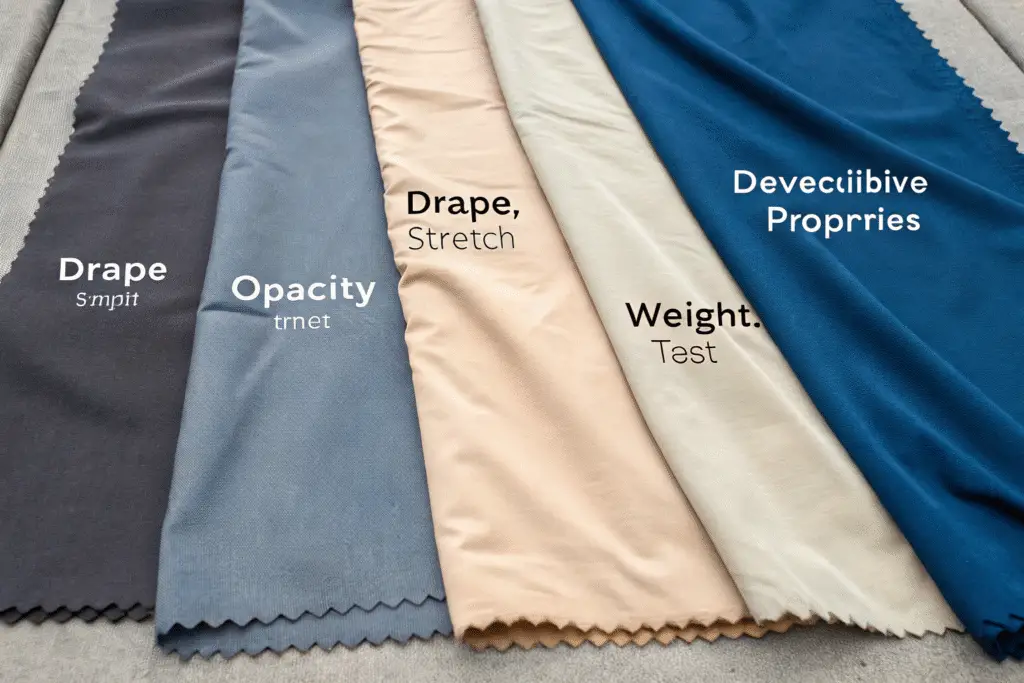
Too heavy, and the garment will feel bulky. Too thin, and seam structure fails or the reverse print shows through. For reversible clothing, optimal fabric weight is generally in the 180gsm–300gsm range depending on garment type.
Light reversible tops use cotton-modal interlocks (~180gsm), while reversible outerwear can go up to 350gsm using bonded or quilted fabrics. More on fabric weight and garment structure at Mood Fabrics’ GSM chart.
What Surface Treatments Help Both Sides Look Distinct?
Look for double-dye finishes, heathered vs solid color effects, or digital prints on only one face. This creates visual contrast without affecting reverse wearability. Reversible garments are popular in travelwear for this reason—two looks in one.
Leading fabric mills now offer mirror-finished knits, allowing both faces to have different colors but similar comfort. Learn more at Textile World.
What Are the Top Fabric Types for Reversible Clothing?
Choosing the right textile isn't just a style decision—it's what defines your product’s durability, comfort, and visual appeal. Based on experience with U.S. buyers in sportswear, loungewear, and fashion brands, here are the best performers.
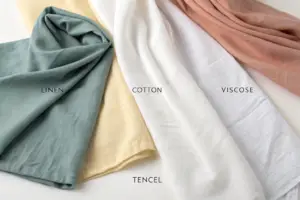
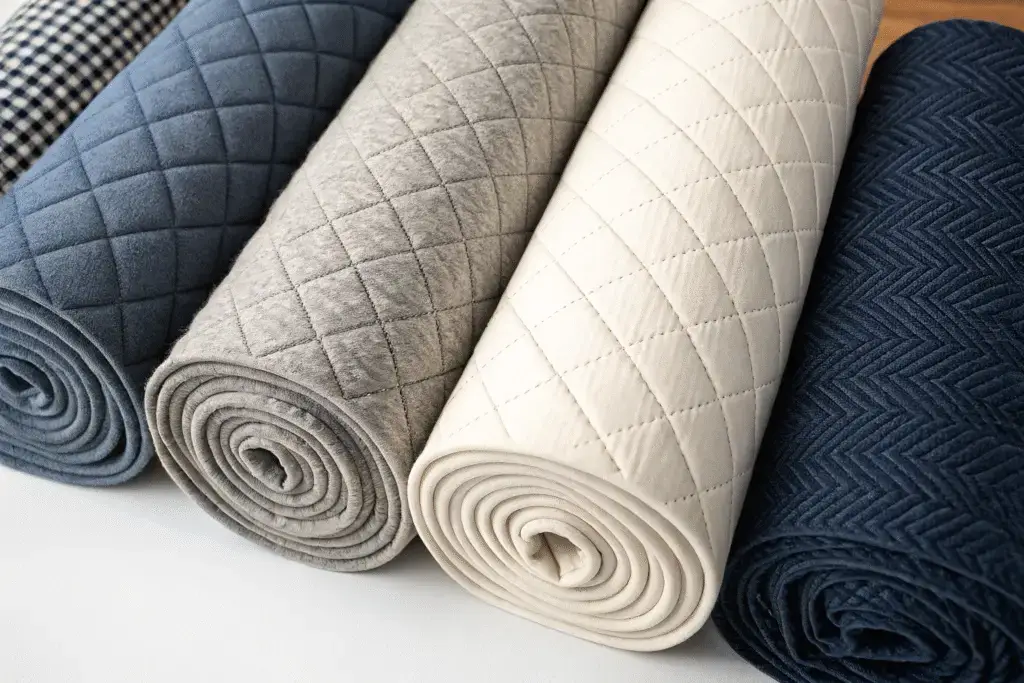
Double-knit jersey, bonded cotton blends, double gauze, and lightweight quilted fabrics are leading the reversible apparel trend.
Is Double Knit Jersey Ideal for Reversible Clothing?
Yes—especially for casual fashion, kidswear, and stretch tops. Double-knit jersey is soft, stretchy, and lays flat with minimal edge curling. Its two-layer structure gives uniform recovery on both faces, and each side can be finished differently.
We often manufacture poly-cotton interlock or rayon blends with one side brushed and the other smooth, ideal for fall fashion. You can see examples at Fabric Wholesale Direct.
How Does Bonded Cotton Perform in Reversible Outerwear?
Bonded fabrics consist of two layers fused together using heat or adhesive. Cotton-poly blends are most common, and they help reversible jackets or coats hold shape without lining. They're also machine washable and less prone to fraying.
Make sure to request bonded fabric that has breathability and crease resistance. Poor bonding can cause bubbling or delamination. You can compare types at Taiwan Textile Federation.
How to Handle Seams and Labels in Reversible Apparel?
When sourcing for reversible garments, construction details like seams, tags, and stitching methods can make or break the product. These are more visible than in standard single-layer designs.
Use flat seams, hidden tags, and clean finish methods to preserve dual-side wearability.
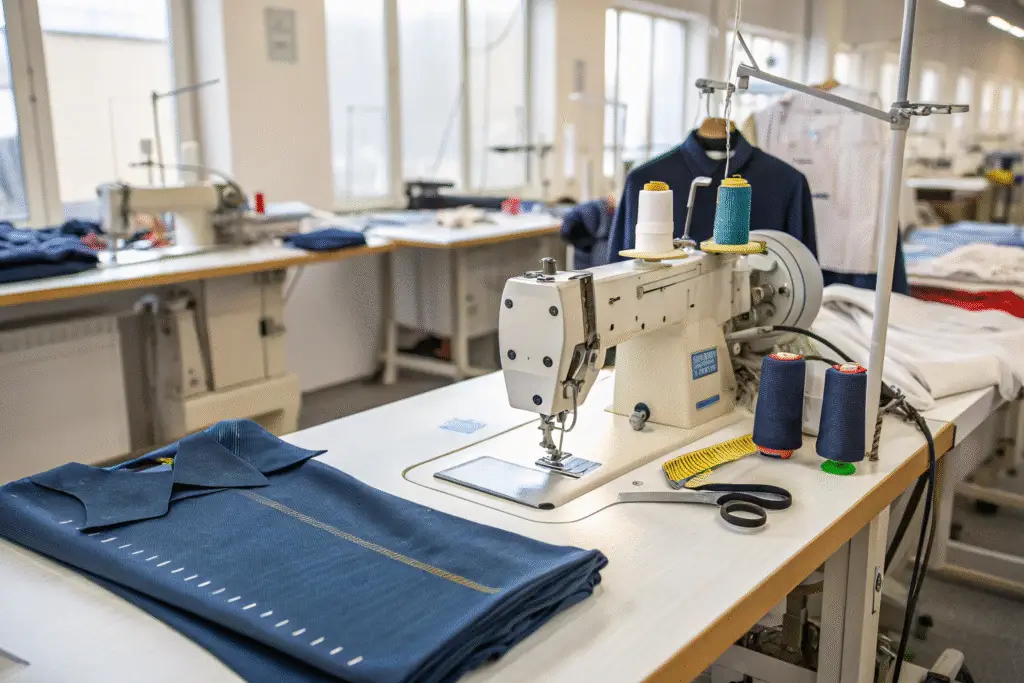
What Stitching Techniques Are Best for Reversible Garments?
We recommend flatlock stitching, reversible coverstitching, or binding tape finishes. These prevent interior bulk and help both sides lie flat. For athletic styles, four-thread overlock seams are common.
To avoid uncomfortable chafing, always use soft thread options like wooly nylon or fine polyester. You can see stitch types explained at Sew Guide.
Where Should You Place Labels in Reversible Garments?
Avoid stitched-in neck tags. Use tear-away, print-on, or side seam labels to maintain reversibility. For retail products, some brands even use QR code labels that scan garment care instructions.
We offer heat transfer neck prints using OEKO-TEX inks for clients like Ron, who want private-label branding without hurting usability. See examples at Stahls’ Heat Transfers.
How to Source and Test Reversible Fabrics from China?
If you're sourcing reversible clothing from China, the factory must understand how to match color, stretch, and finish on both sides. Not all mills can handle double-dyeing or precision bonding—especially for MOQ-sensitive orders.
Request swatch sets, finishing test reports, and video samples to verify quality before bulk production.
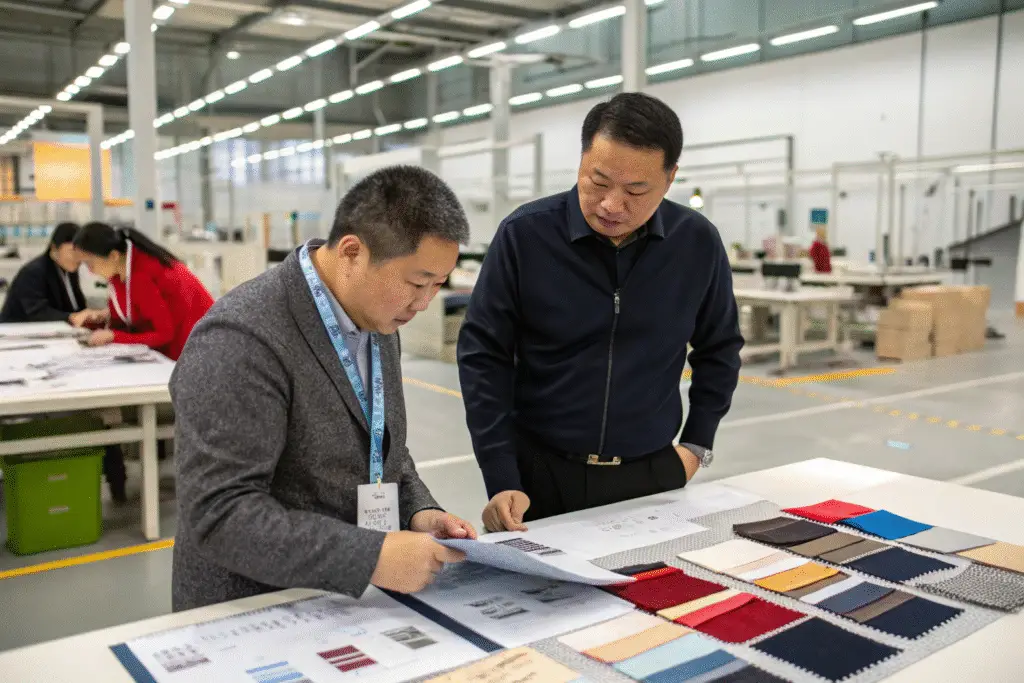
What Lab Tests Should Reversible Fabrics Pass?
At minimum, reversible fabrics should pass:
- Tear strength tests (ASTM D2261)
- Colorfastness (ISO 105)
- Bond durability (for fused layers)
For sportswear or children's wear, also ask for OEKO-TEX Standard 100 or GRS Certification if using recycled fibers. Find more on Textile Testing Standards.
Can You Order Reversible Custom Fabrics in Small MOQ?
Yes—but only from experienced factories. At Fumao, we offer MOQ as low as 300 meters per color for double-knit reversible jersey, and 500 meters for bonded reversible fabrics. We can custom match colors, create lab dips, and include DDP shipping to U.S. warehouses.
If your current supplier refuses small batch development or won't show both sides in lab dips, it may be time to switch. Learn more about our sampling process on Fumao Clothing Website.
Conclusion
Reversible clothing offers a competitive edge in today’s market—but only if you start with the right fabrics. From double knits and bonded cotton to flat seams and dual-color finishes, everything must be chosen for both form and function.
At Shanghai Fumao, we help U.S. fashion brands and retailers produce custom reversible apparel with certified fabrics, smart finishing, and small-batch flexibility. Want to build a reversible jacket, hoodie, or shirt line that stands out? Contact our Business Director Elaine at elaine@fumaoclothing.com and we’ll help bring your double-sided vision to life.