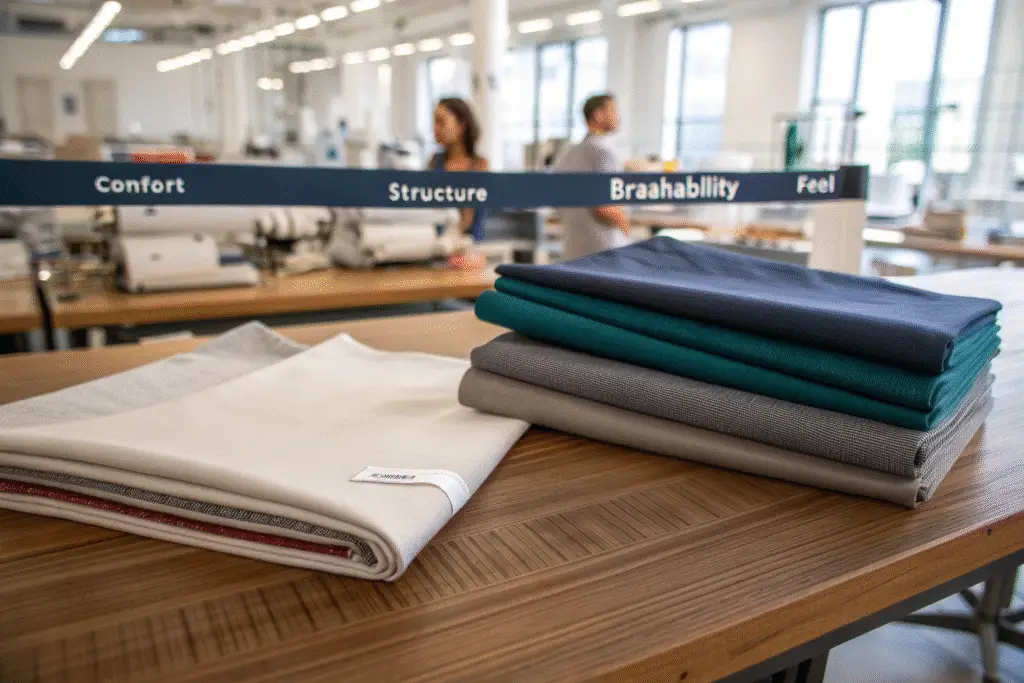
Lining fabrics are the unsung heroes of garment construction. Though not always visible, they play a crucial role in comfort, structure, breathability, and how a piece of clothing feels on the body. As the owner of a Chinese apparel manufacturing factory that works with U.S. and European fashion brands, I’ve learned that choosing the right lining fabric can elevate the final garment from basic to luxury.
The best fabrics for lining depend on the end-use of the garment, desired drape, breathability, and cost efficiency. From silky satin linings in blazers to mesh linings in sportswear, there’s a wide range of options that meet different apparel needs.
In this article, I’ll walk you through the most reliable and widely used lining materials, their pros and cons, and how we help clients select and source the right ones during bulk apparel production.
What Are the Most Common Lining Fabrics Used Today?
Different garments call for different linings. In our production experience, fabric weight, smoothness, cost, and availability all influence which lining type to use.
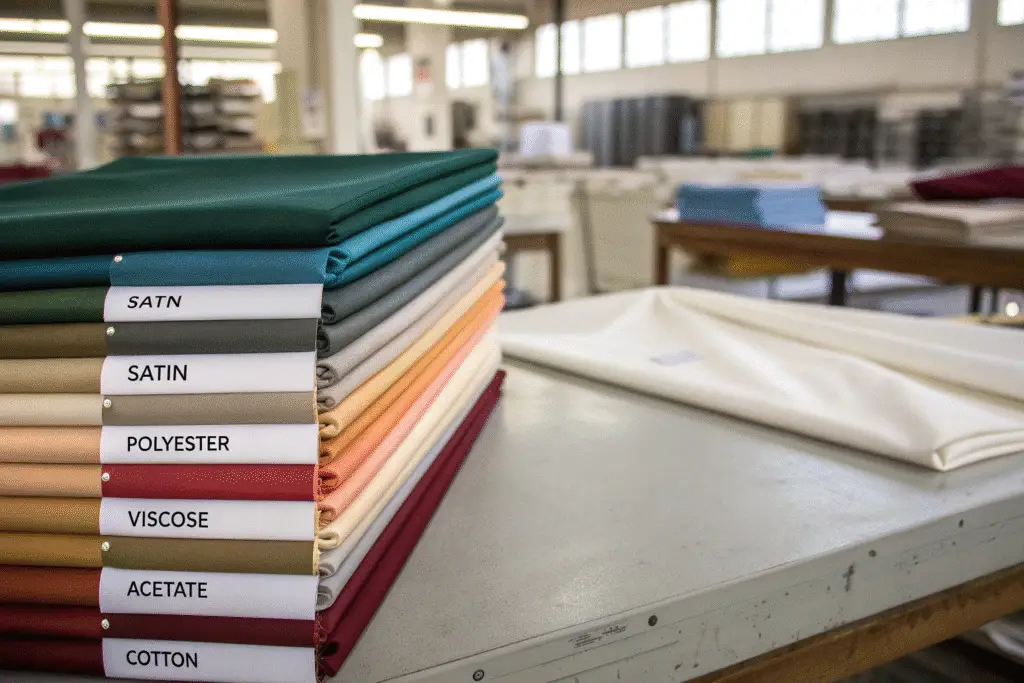
The most frequently used linings in modern fashion include polyester, satin, acetate, viscose, and cotton—each offering specific benefits.
Why Is Polyester Lining So Widely Used?
Polyester is the most cost-effective and readily available lining fabric. It’s wrinkle-resistant, moisture-resistant, and comes in multiple weights. For mass production, it's an ideal choice.
We source recycled polyester linings through Global Recycled Standard (GRS) certified mills. Many of our American clients request these for eco-conscious collections. Mood Fabrics offers a good retail reference for quality types available.
What Makes Satin Ideal for Luxury Pieces?
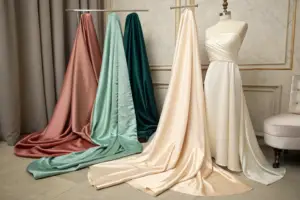
Satin linings provide a soft, luxurious feel and glide easily over skin or inner clothing layers. They’re preferred for dresses, blazers, and coats where elegance matters.
We use poly satin and silk satin depending on budget and positioning. U.S. bridalwear clients often opt for ivory-tone satin linings to complement lace overlays.
How Does Garment Type Affect Lining Choice?
Lining isn’t one-size-fits-all. The type of garment—formal, casual, functional, or weather-specific—dictates which lining fabric performs best in both style and function.
Garment categories like suits, outerwear, skirts, and activewear each require specific lining characteristics such as structure, moisture-wicking, or movement.
What’s the Best Lining for Suit Jackets and Blazers?
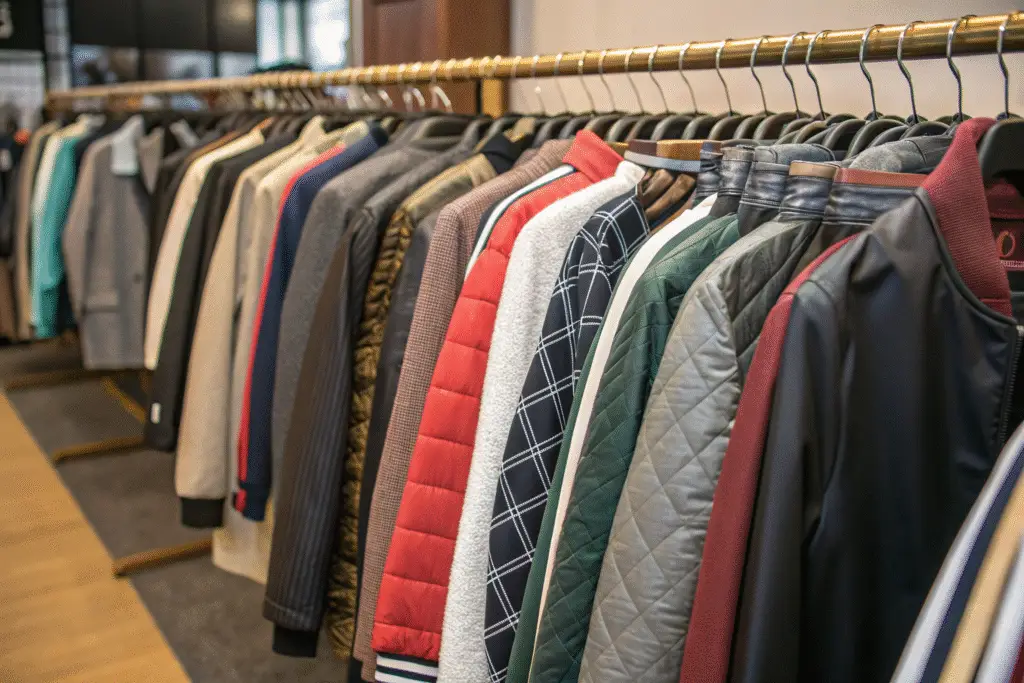
Suits require structured yet breathable linings. We commonly use viscose or acetate because they offer better breathability than polyester, and help wick moisture from the back and armpits.
Most formalwear buyers request Bemberg™ lining (cupro), a sustainable premium option made from cotton linter, used by brands like Hugo Boss. For budget clients, we provide dyed viscose twill lining with a satin finish.
What Works Best for Sportswear and Outdoor Jackets?
Mesh linings are commonly used in activewear, windbreakers, and raincoats. They help ventilate and prevent sticky fabric contact, especially in warmer climates.
We often source athletic mesh linings from performance textile suppliers like Taiwan K. H. Co., especially for U.S. gymwear and sportswear clients who prioritize breathability and anti-microbial finishes.
What Are the Most Breathable and Skin-Friendly Linings?
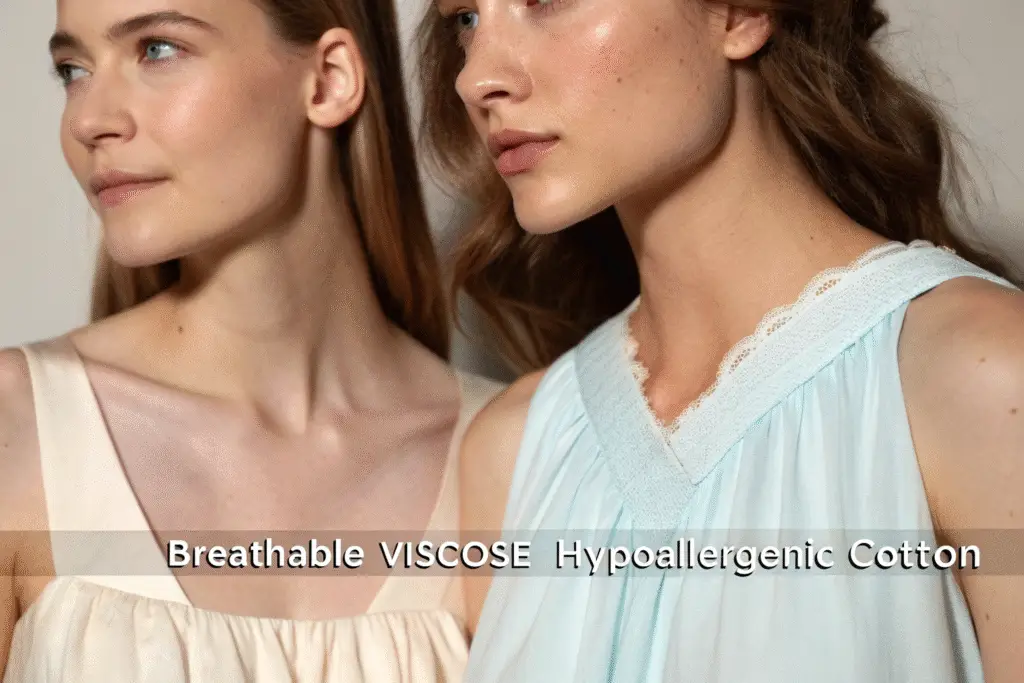
In summer clothing or pieces worn close to the body, comfort is everything. That means using lining fabrics that are breathable, moisture-wicking, and hypoallergenic.
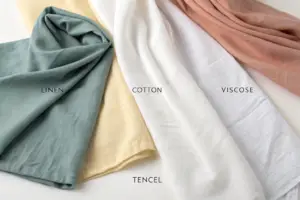
Cotton, viscose, and TENCEL™ linings offer high breathability and skin-friendliness—ideal for warm weather or sensitive skin markets.
When Should Cotton Be Used as a Lining?
Cotton lining works well in casualwear like shirts, skirts, and kidswear. It’s soft, hypoallergenic, and allows airflow—but wrinkles easily and adds bulk.
Many U.S. babywear and natural-fiber brands use organic cotton lining to avoid skin irritation. We also apply enzyme-washing to cotton linings to improve softness and reduce shrinkage.
Is Viscose a More Sustainable Breathable Option?
Yes, viscose breathes better than polyester and has a smoother finish than cotton. It's sourced from wood pulp and often used in dresses and unstructured jackets.
We offer FSC-certified viscose from suppliers aligned with Lenzing™ EcoVero. It’s a great solution for clients needing mid-tier breathable linings with sustainability claims.
How to Choose the Right Lining Supplier in China?
Lining selection isn't just about the fabric—it’s about your supplier’s ability to deliver consistency, colors, and compliance.
Choosing the right Chinese lining supplier involves checking fabric library depth, lead times, colorfastness tests, and communication clarity.
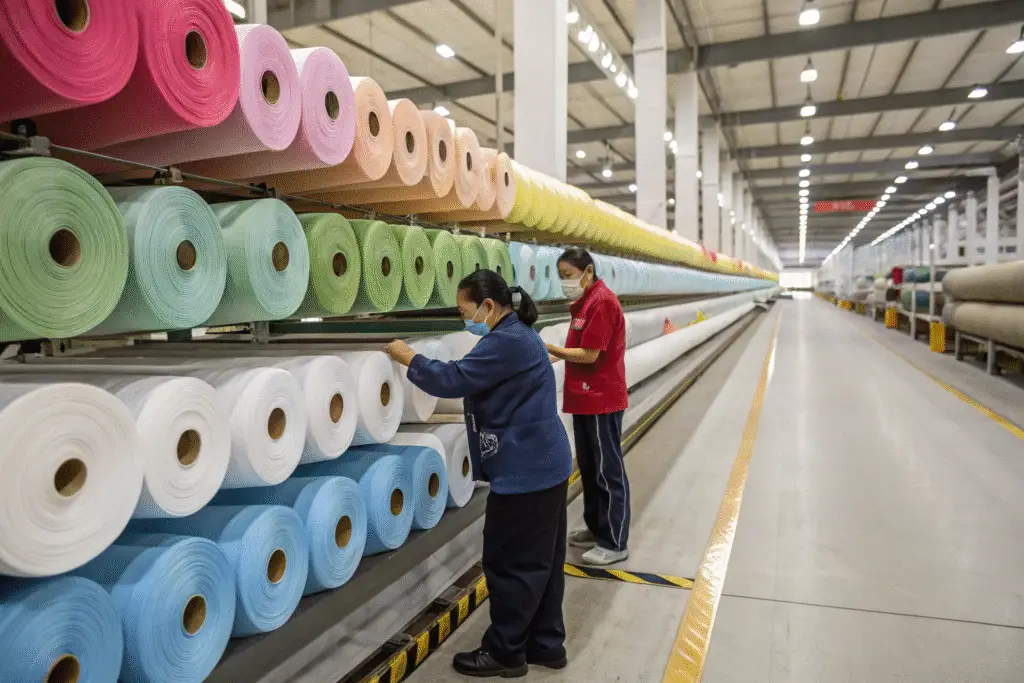
What Makes a Lining Supplier Reliable?
Look for suppliers who can offer lab dips, stretch recovery test results, and roll-to-roll consistency. A good lining partner will also provide OEKO-TEX certification for safety and colorfastness reports for export-ready compliance.
At Fumao, we work with mills in Zhejiang and Jiangsu that specialize in linings. We maintain swatch libraries and update our buyers each season with trending colors, textures, and improvements.
Can Small Orders Access Custom Lining Colors?
Yes. Some mills support minimums as low as 300–500 meters per color, especially for polyester and viscose linings. For lower volumes, we stock neutral linings (black, ivory, nude, navy) that can be used across multiple garments.
Clients launching capsule collections appreciate our small-batch lining support. We also attend Intertextile Shanghai and source lining trends a season ahead for our international clients.
Conclusion
A well-chosen lining fabric adds value, functionality, and a better wearing experience to any garment. Whether you’re producing tailored suits, breathable summer dresses, or sportswear with technical mesh, lining fabrics can make or break the garment’s quality perception.
At Shanghai Fumao, we guide our global clients in selecting the best linings based on their design, market, and budget. From sourcing certified breathable options to matching lining color to outer shell, we handle every detail to ensure your product stands out.
Planning your next apparel collection? Reach out to our Business Director Elaine at elaine@fumaoclothing.com and let’s create garments with comfort and quality—from the inside out.