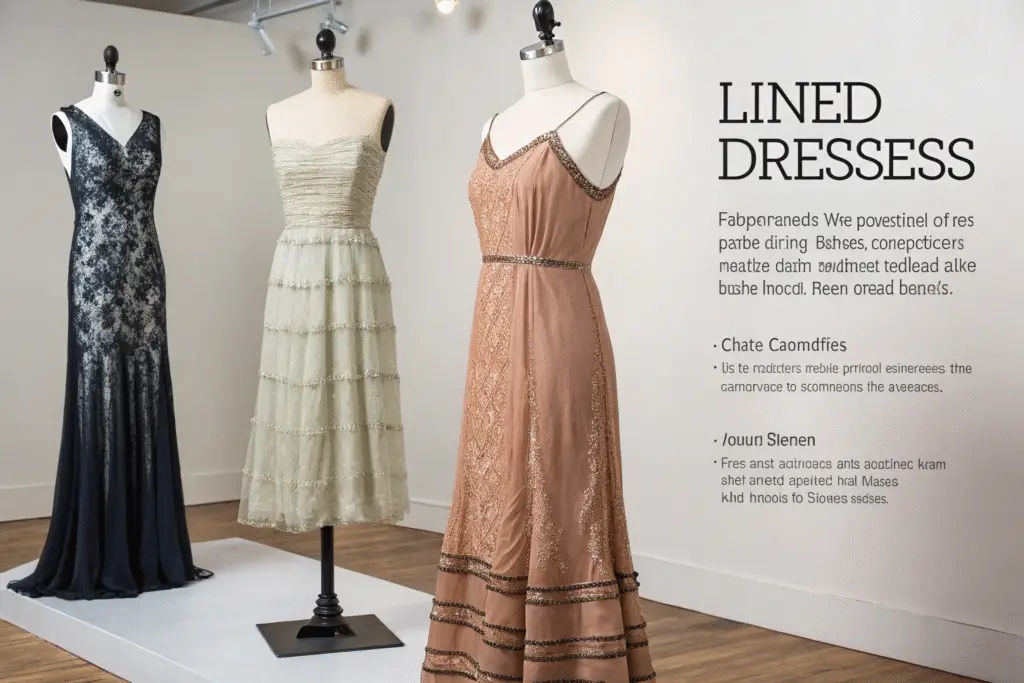
Lined dresses are a staple in women’s fashion collections, from evening gowns and cocktail dresses to casual sundresses. The lining makes all the difference — it determines how the dress drapes, breathes, and feels against the skin. For buyers like Ron sourcing from overseas, getting the lining wrong can lead to returns, poor reviews, or garments that don’t perform in-store.
The best fabrics for lined dresses include lightweight satins, soft cottons, breathable rayons, anti-static polyesters, and stretch blends — depending on the dress purpose, season, and price point.
At Fumao Clothing, we’ve produced thousands of lined dress styles for global brands. In this article, I’ll break down the top lining fabric choices, how to match them with dress shells, key sourcing considerations, and ways to save cost without compromising comfort or quality.
What Are the Most Common Lining Fabrics in Dressmaking?
The lining of a dress affects wearability, breathability, and how well the dress holds its shape. Not all linings are created equal — especially when you’re sourcing for different price segments.
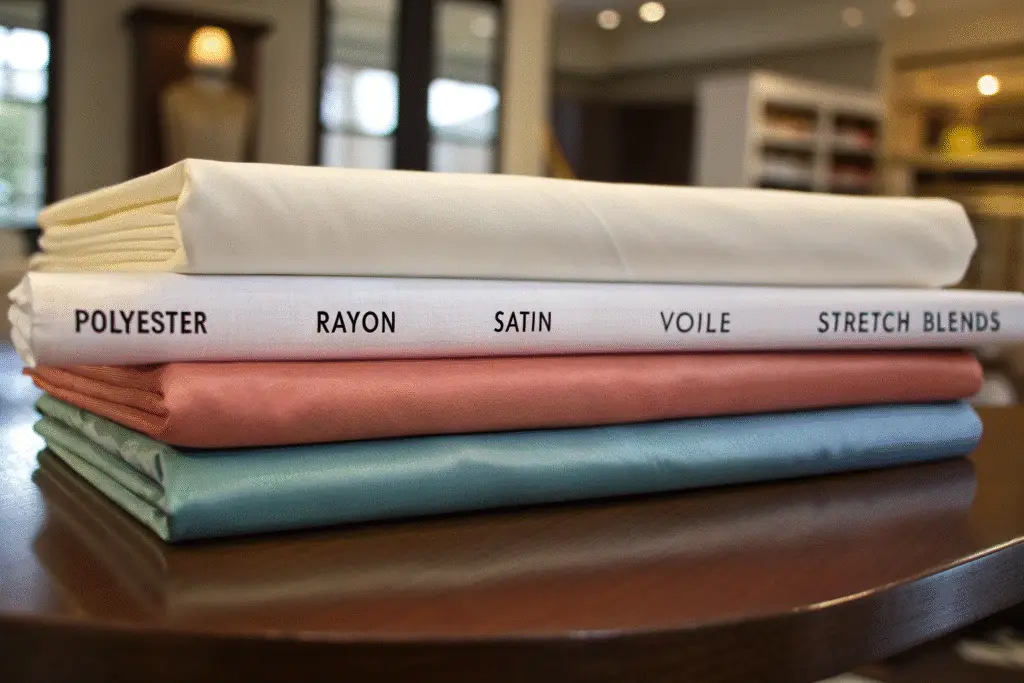
Top lining fabrics for dresses include polyester, rayon, satin, cotton voile, and spandex blends — each chosen based on breathability, weight, and compatibility with outer fabrics.
Why Is Polyester Lining Still So Popular?
Polyester linings remain a top choice due to their affordability, wrinkle resistance, and wide color availability. They work well for formalwear and structured dresses. Many brands use anti-static polyester linings to prevent clinging in skirts and gowns.
Poly linings also offer better opacity under lightweight shells like chiffon. We source OEKO-TEX certified poly linings to ensure skin safety in all climates.
Is Rayon a Better Alternative for Comfort?
Rayon, especially viscose rayon, is ideal for summer or casual dresses. It feels cool, soft, and breathable — mimicking silk at a lower cost. We often use rayon challis or twill as a lining for boho and beachwear brands.
However, rayon may shrink slightly after washing, so pre-shrinking or blending with poly is often recommended for budget-conscious lines.
How to Match Lining Fabric with Dress Shell Material?
The outer fabric and inner lining must complement each other in drape, structure, and elasticity. A mismatch can ruin silhouette or comfort.
When choosing lining fabric, consider weight, sheen, stretch, and skin contact. The wrong lining can cause cling, bunching, or overheating.
What Lining Works Best for Sheer or Lace Dresses?
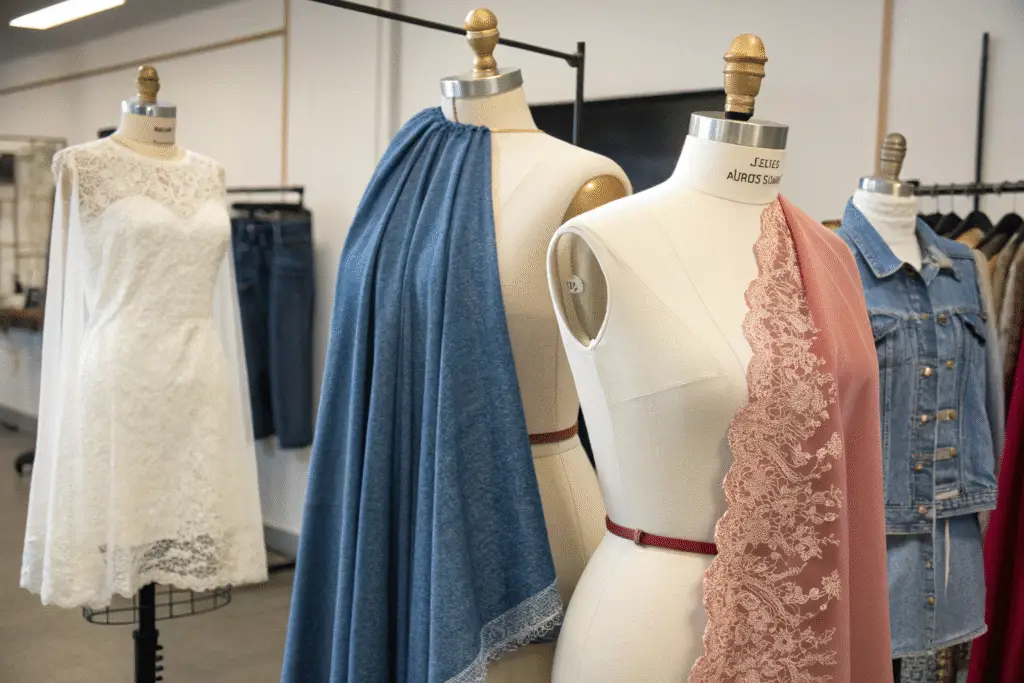
For sheer overlays like chiffon or lace, choose lightweight satin, poly crepe, or rayon linings. These maintain the floaty look while adding body. Avoid linings that are heavier than the outer shell — it will drag the garment down.
Many bridal and bridesmaid dresses use poly charmeuse lining due to its smoothness and light support.
What If the Outer Fabric Is Stretchy?
Use a stretch lining. Options include poly-spandex jersey or nylon tricot, both of which allow the outer shell to move without warping. We often use stretch mesh lining for bodycon dresses or knitwear hybrids.
Always check if the lining has similar elasticity as the shell — otherwise, you’ll have puckering or seam strain during wear.
What Performance Features Should You Look For?
The lining isn’t just hidden — it’s a key functional layer. Brands now request more technical properties in linings, especially for activewear-inspired dress collections.
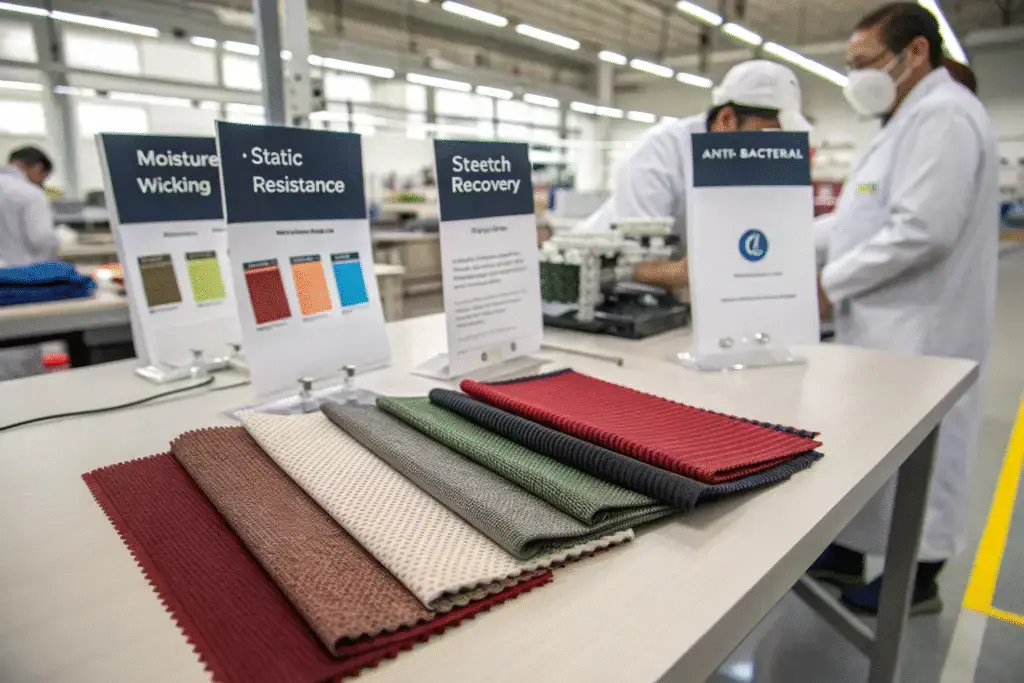
Functional properties like stretch, anti-static, moisture-wicking, and antibacterial coatings help improve comfort and reduce returns.
Can Dress Linings Be Moisture-Wicking?
Yes. Many brands use moisture-wicking linings in day dresses, maternity wear, and travel styles. These linings use polyester microfiber with capillary action to pull sweat away from the skin.
We also offer cool touch linings finished with jade powder blends for summer collections.
Do You Need Antibacterial or Odor Control in Linings?
For hot climates or innerwear-style dresses, linings with silver ion or bamboo charcoal finishes offer odor resistance. Check out Polygiene or HeiQ Viroblock treated fabrics for this purpose.
Such features are popular in athleisure dresses and brands targeting Gen Z consumers who prioritize freshness and hygiene.
What Cost Factors Affect Lined Dress Production?
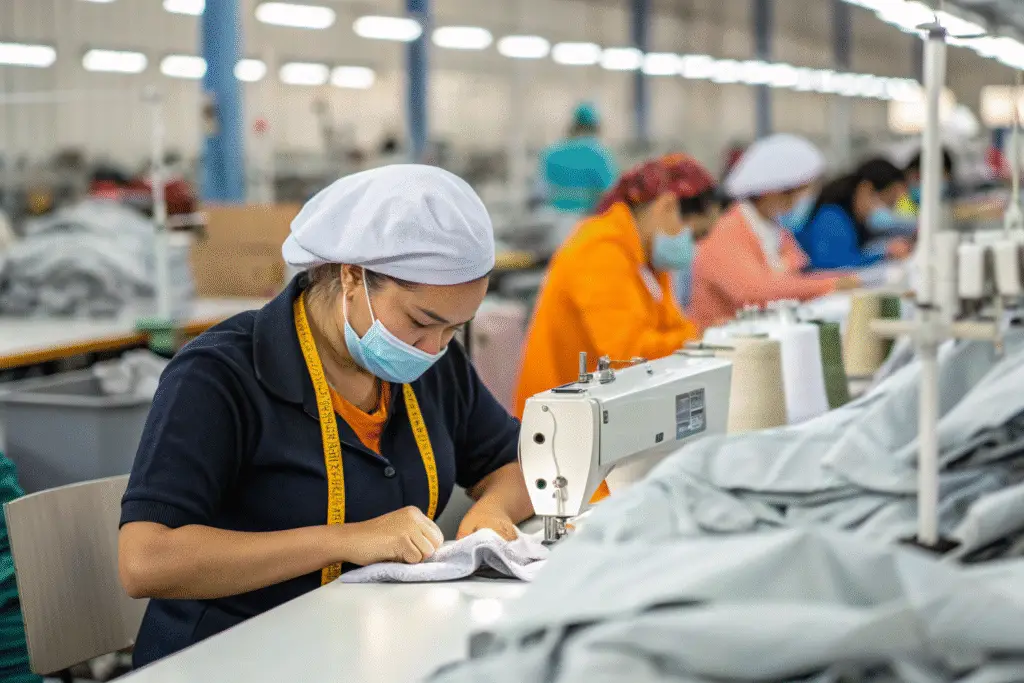
Adding a lining increases not just material cost, but labor time, yield calculation, and finishing processes. Understanding this helps keep production within target margins.
Key cost drivers for lined dresses include lining material type, fabric width, sewing complexity, color dye surcharge, and lining-wastage ratio.
How Much More Does a Lined Dress Cost?
On average, lining adds 15–25% to the total dress FOB price. But this varies:
| Lining Fabric | Cost Impact (Est.) | Common Usage |
|---|---|---|
| Polyester | Low | Basic dresses |
| Rayon | Medium | Premium casual |
| Stretch lining | Medium-High | Bodycon or knit dresses |
| Satin | Medium | Evening & formalwear |
Ask your supplier for fabric utilization rate and whether linings are stocked or dyed-to-order. Learn more about calculating garment yield to minimize overordering.
Can You Save Money with Partial Linings?
Yes — use half-lining (just the skirt or bust), or panel lining only where needed. Some clients combine sheer sleeves with lined bodices. This not only saves cost but offers visual contrast.
We also recommend using stock color linings to avoid small-quantity dye fees. For DTC brands, lining swatch cards help speed up development with fewer revisions.
Conclusion
Lining fabrics are more than just a hidden layer — they shape comfort, fit, silhouette, and performance in every dress. Whether you’re sourcing for high-end formalwear or everyday dresses, choosing the right lining material is essential to your product’s success.
At Fumao Clothing, we help global brands match the right lining to their designs while keeping production lean, efficient, and budget-friendly. From satin to rayon to performance knits, we offer full-package sourcing and customization services, shipped DDP to the U.S. and Europe.
For samples, tech pack support, or pricing inquiries, contact our Business Director Elaine at elaine@fumaoclothing.com. Let’s line your dresses with quality and confidence.