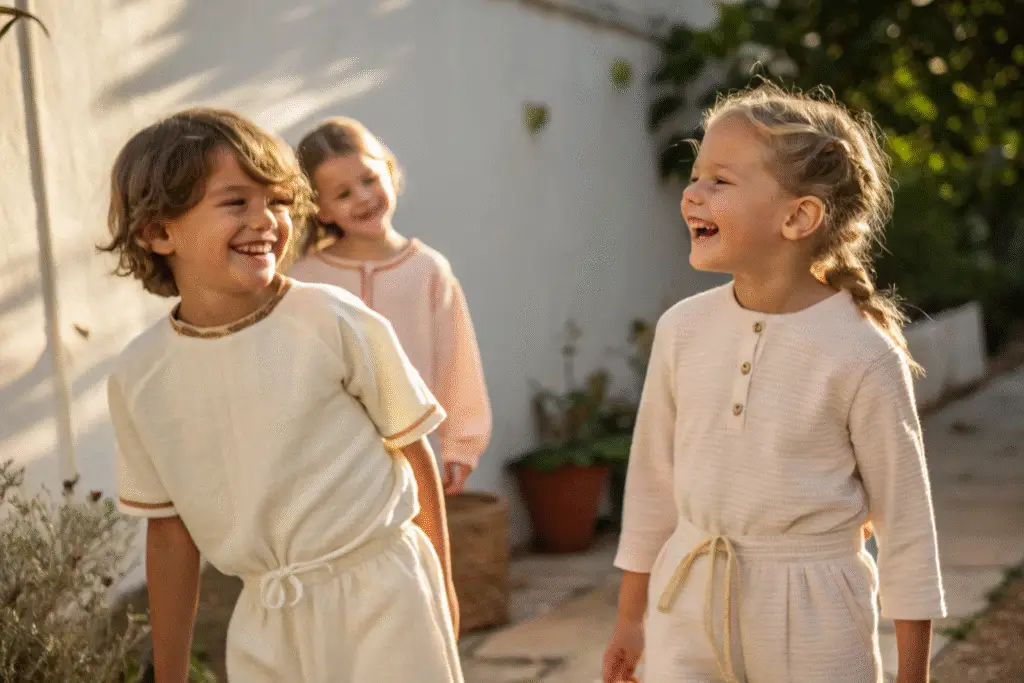
Finding the perfect fabric for children’s wear is more than just choosing color or print. When it comes to kids' clothing, especially for babies and toddlers, the stakes are higher—parents demand products that are gentle, hypoallergenic, breathable, and safe from any harmful chemicals.
The best fabrics for children’s wear prioritize softness, breathability, durability, and certified safety—offering kids the freedom to move, and parents the peace of mind.
At Fumao Clothing, we’ve supported dozens of U.S. brands in sourcing child-safe apparel materials from certified mills across China. Let’s explore the top fabrics that meet the highest standards of comfort and safety for kids.
Why Is Organic Cotton the Gold Standard for Kids’ Apparel?
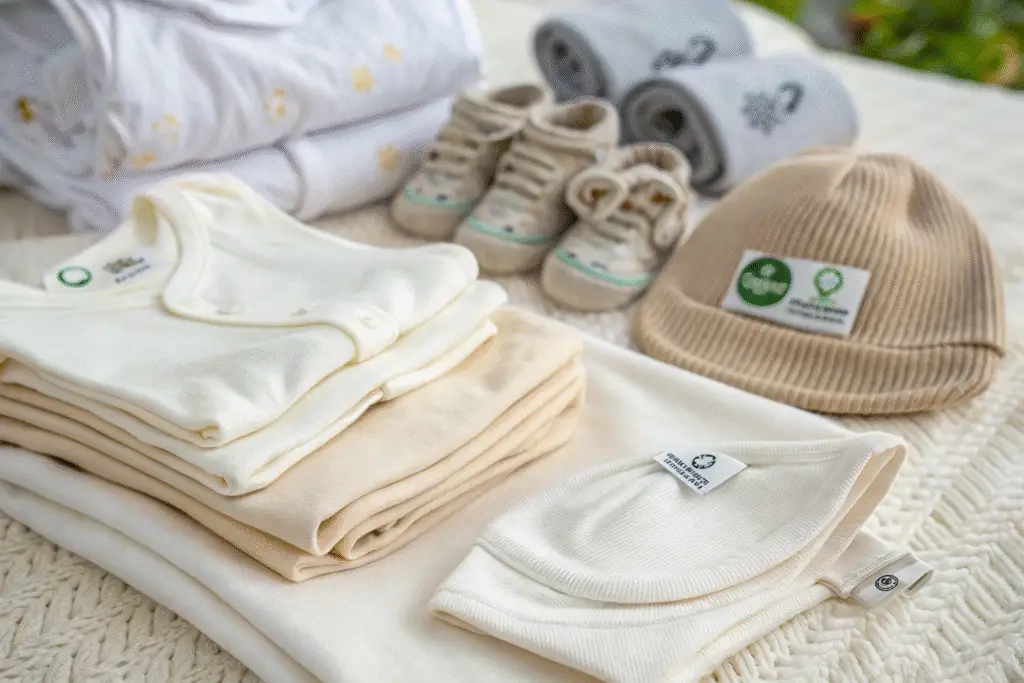
Organic cotton remains a top choice for many children's apparel lines, especially for brands that position themselves as eco-conscious and baby-safe.
Its chemical-free cultivation and soft fiber structure make it ideal for sensitive baby skin, while maintaining durability for daily wear.
What Certifications Should Organic Cotton Have?
If you're serious about fabric integrity, look for suppliers offering GOTS-certified or OEKO-TEX Standard 100 verified cotton. These ensure the raw materials are free from pesticides, formaldehyde, heavy metals, and other harmful substances—critical for skin contact garments like baby bodysuits or pajamas.
Organic cotton is also more breathable than polyester blends, reducing risks of rashes and overheating in warm climates.
Does Organic Cotton Hold Up to Washing?
Yes—but pre-washing and enzyme treatments are key. Our partners offer pre-shrunk and pre-softened versions that maintain softness even after multiple washes. If untreated, organic cotton may wrinkle or shrink. That’s why enzyme-washed finishes are growing in popularity in babywear manufacturing.
Is Bamboo Viscose Fabric Safe for Sensitive Skin?
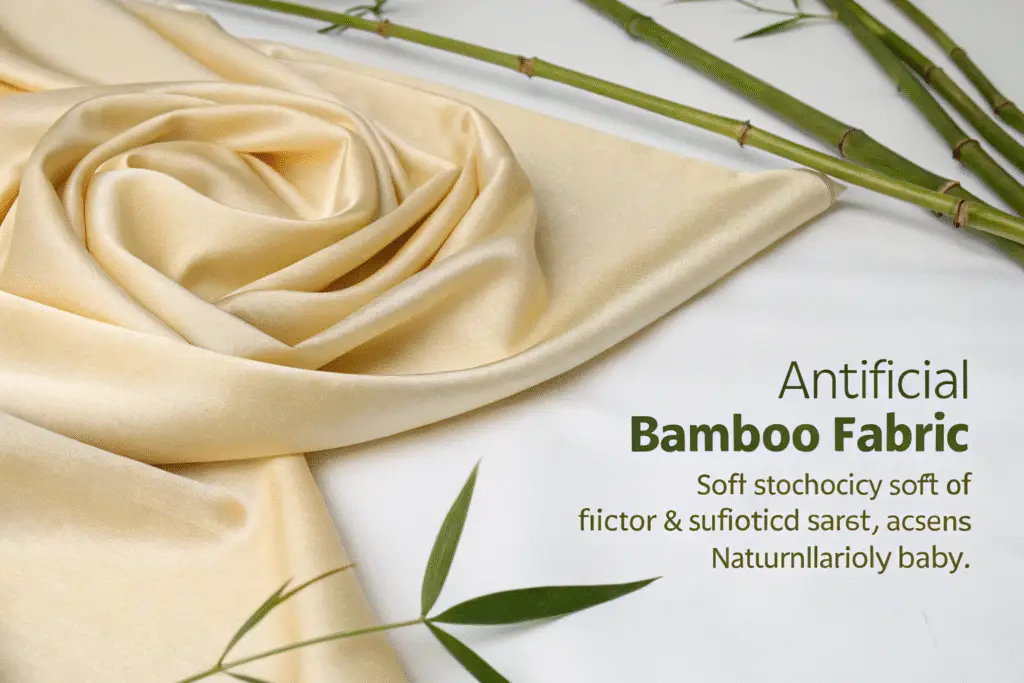
Bamboo fabric has gained popularity thanks to its silky softness and antimicrobial properties. But not all bamboo fabrics are created equal.
Only closed-loop bamboo viscose or lyocell is safe and sustainable enough for children’s skin.
What Should You Know About Bamboo Processing?
Look for bamboo that’s labeled as Lenzing-certified or manufactured using a closed-loop process. These methods recycle water and minimize harmful solvent use. Conventional bamboo rayon may involve harsh chemicals that remain on the fabric.
We partner with mills that supply bamboo blends with certifications such as EcoCert or OEKO-TEX 100 Class I, which ensures the material is safe for infants and toddlers.
How Does Bamboo Compare to Cotton in Performance?
Bamboo excels in moisture-wicking, temperature regulation, and wrinkle resistance. This makes it ideal for kids who run, jump, and nap unpredictably. However, it’s slightly less durable than cotton in high-friction areas unless blended with spandex or cotton. That’s why we often recommend a 95/5 bamboo-spandex blend for activewear.
Should You Consider Modal or TENCEL™ for Premium Kidswear?
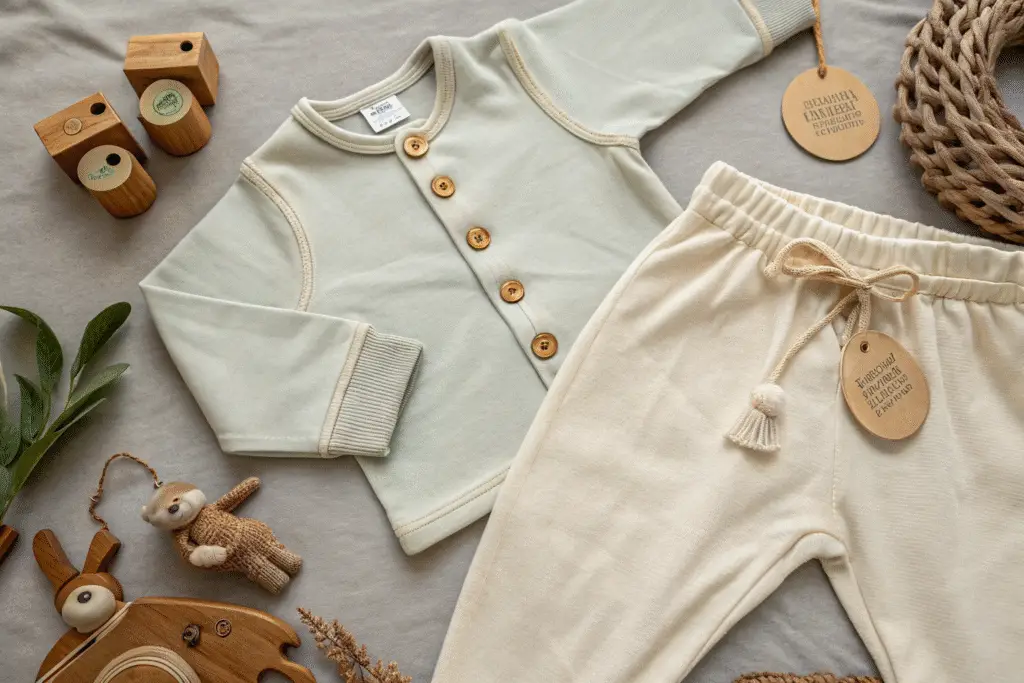
If your brand targets the luxury kidswear niche, fabrics like Modal and TENCEL™ Lyocell bring both premium softness and impressive eco-credentials.
These semi-synthetic fibers are skin-friendly, biodegradable, and cooler than cotton—perfect for upscale basics and sleepwear.
What’s the Difference Between Modal and TENCEL™?
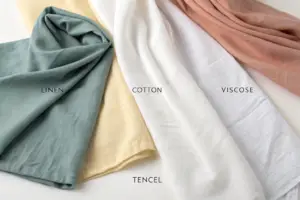
Both are derived from wood pulp, but TENCEL™ Lyocell uses a closed-loop solvent spinning process, while Modal is often considered softer but slightly more processed.
In our factories, we use TENCEL™ especially for summer dresses, swaddle wraps, and luxe tops for infants. Modal, being stretchier, is used for leggings and fitted tees.
Are These Fabrics Safe and Eco-Friendly?
Yes, provided they come from branded sources. Generic viscose may contain residues, but Modal and TENCEL™ from Lenzing are certified safe and biodegradable. According to Made-By Environmental Benchmark, TENCEL™ ranks as Class A, meaning it’s among the most sustainable fabric options.
What About Blends and Performance Fabrics for Kids?
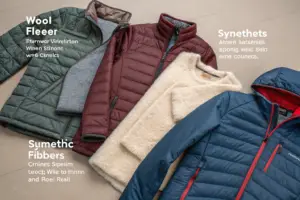
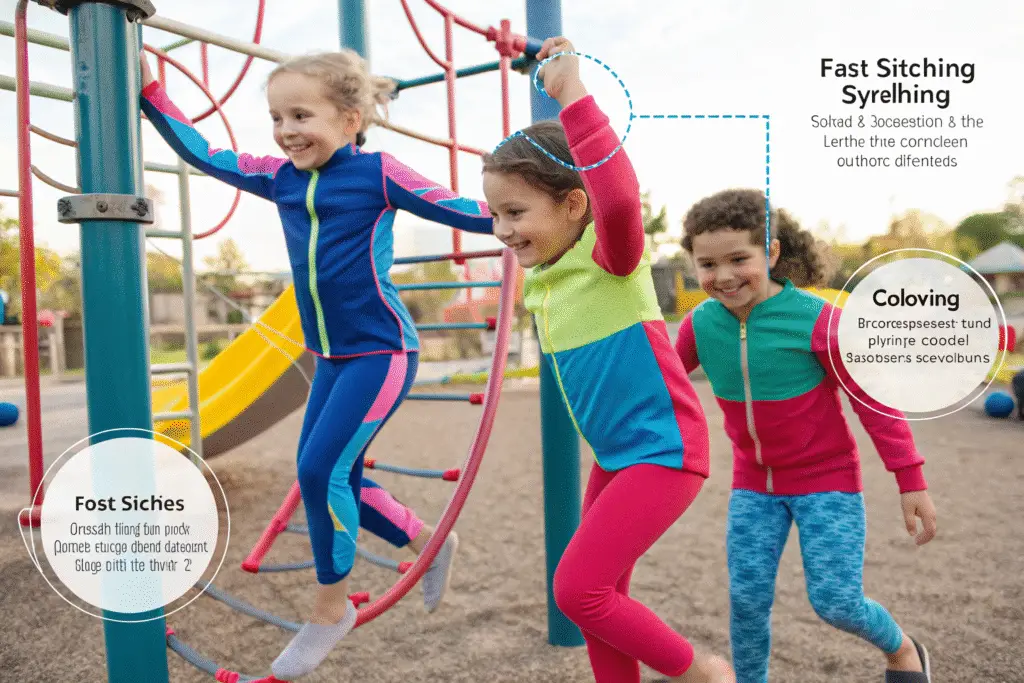
Not all kidswear needs to be 100% natural. For durability and affordability, especially in older children's fashion, blends serve a practical purpose.
Smart blending of cotton with polyester or spandex enhances stretch, strength, and drying time—key for uniforms, playwear, and outerwear.
Are Blended Fabrics Still Safe for Kids?
Yes, if properly tested. All our synthetic or blended fabrics go through REACH or OEKO-TEX testing. Even spandex-heavy leggings or school polos can be made child-safe with the right dyeing and finishing processes.
For buyers looking to balance price and function, we recommend 60/40 cotton-poly or 95/5 cotton-spandex blends for t-shirts and joggers.
Do Blends Affect Breathability or Comfort?
Slightly, but not enough to outweigh the benefits in many cases. Modern poly fibers are engineered for comfort, and with the use of mesh panels, brushed backing, or air-texturing, we enhance the softness and breathability even in high-poly blends. We follow guidelines similar to those outlined by Performance Textiles Association.
Conclusion
The best children’s fabrics are the ones that combine skin safety, comfort, and practical performance. Whether you're building an organic babywear brand or scaling a performance-based kids line, understanding the strengths and limits of cotton, bamboo, TENCEL™, and blends is crucial. At Fumao Clothing, we don’t just ship garments—we guide our clients to choose the right fabric for every stage of a child’s life. Because great kidswear starts with what touches the skin first.