Finding the right clothing manufacturer as a startup can make or break your business. I've seen promising brands fail because they chose manufacturers who couldn't meet their specific needs as new businesses. The challenge isn't just finding a manufacturer—it's finding one that understands startup requirements.
The best custom clothing manufacturers for startups offer low minimum orders, comprehensive guidance, transparent pricing, and scalability. They understand that startups need partners, not just suppliers, and provide the support necessary to navigate early production challenges successfully.
Startups face unique challenges: limited budgets, small order quantities, and often limited production knowledge. The right manufacturer addresses these challenges specifically. Let me share what characteristics to look for and how we've structured our services to support emerging brands.
What Minimum Order Quantities Should Startups Expect?
MOQs can be the biggest barrier for startups. Traditional manufacturers often require thousands of pieces per style, which is unrealistic for new brands testing the market.
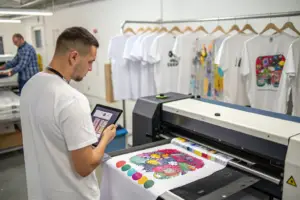
Progressive manufacturers offer MOQs as low as 50-100 pieces per style, with some even offering sample-sized orders for initial market testing. The key is finding manufacturers who've designed their operations to accommodate small batches without compromising quality. We've developed specialized production lines specifically for startup quantities that maintain efficiency despite smaller runs.
Why do low MOQs matter for product validation?
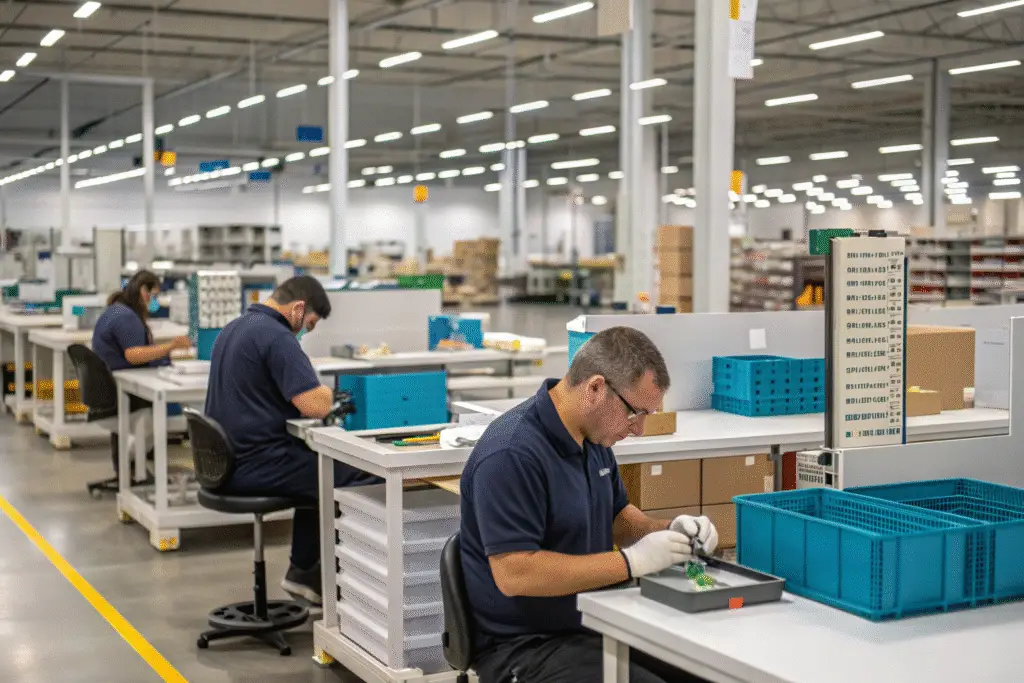
Low MOQs allow startups to test designs with real customers before committing to large production runs. This validation prevents costly mistakes and inventory stagnation. We worked with a streetwear startup that used our 50-piece MOQ to test three different designs. The market response clearly indicated one design's superiority, allowing them to focus their limited resources effectively. This market testing approach saved them from producing 500 pieces of designs that wouldn't have sold.
How do manufacturers make low MOQs economically viable?
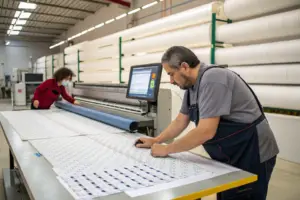
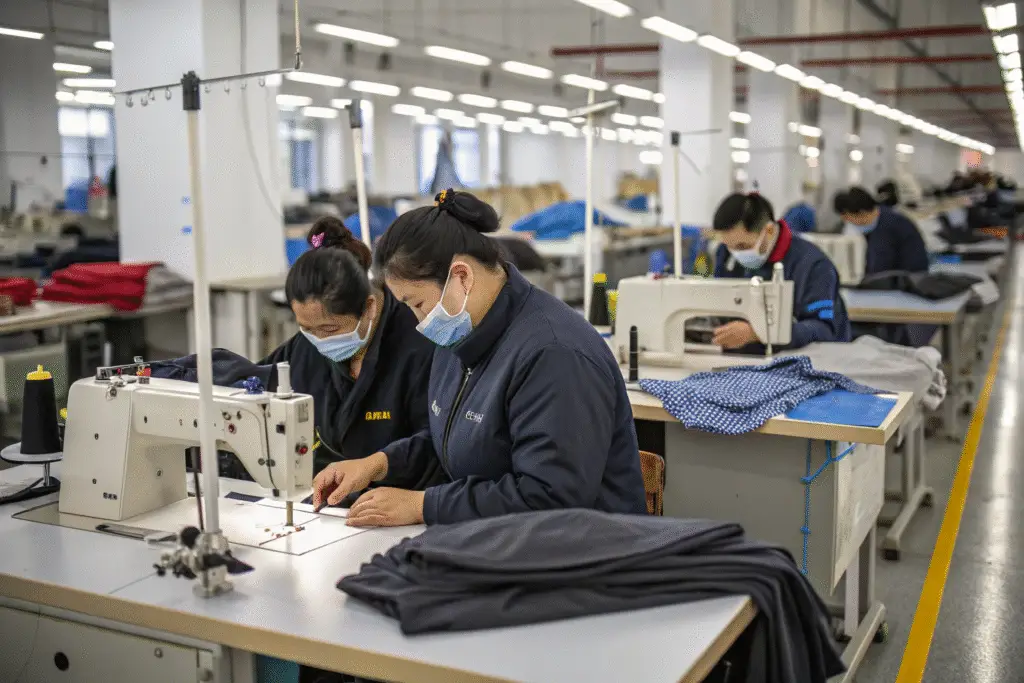
Manufacturers achieve low MOQs through modular production systems, flexible workforce management, and technology investments that reduce changeover time. Our factory has dedicated small batch production cells that handle multiple small orders simultaneously. This specialization allows us to maintain profitability while serving startups, unlike traditional factories that lose efficiency with small orders.
What Support Services Do Startups Need?
Startups need more than just production—they need education and guidance through the complex manufacturing process. The best manufacturers provide comprehensive support beyond basic production.
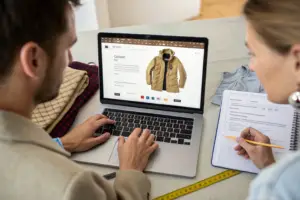
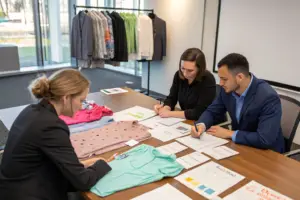
Essential support includes design consultation, material sourcing assistance, cost optimization advice, and logistics guidance. Many startups don't know what they don't know, so proactive guidance prevents costly mistakes. We assign each startup client a dedicated production advisor who serves as their guide through the entire process.

How important is design-to-production guidance?
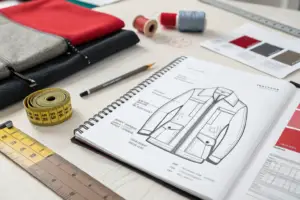
Most startups have creative vision but lack technical knowledge about how designs translate to production. Manufacturers who provide technical design feedback save startups from unproducible designs and costly revisions. We recently helped a startup simplify a complex jacket design without compromising aesthetics, reducing their production cost by 30% while maintaining their design intent. This design for manufacturing guidance is invaluable for startups.
What cost optimization support should manufacturers provide?
Startups operate with tight budgets, so manufacturers should identify cost-saving opportunities without quality compromise. This includes suggesting alternative materials, optimizing construction methods, and recommending efficient packaging solutions. Our cost engineering team saved a activewear startup 22% on their first production by recommending equally performing but more readily available fabrics and simplifying their label requirements.
How Transparent Should Pricing Be?
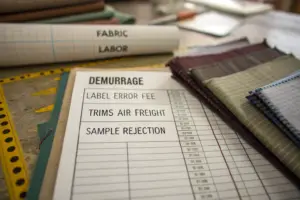
Transparent pricing builds trust and helps startups budget accurately. Hidden costs and unexpected charges can devastate a startup's limited financial resources.
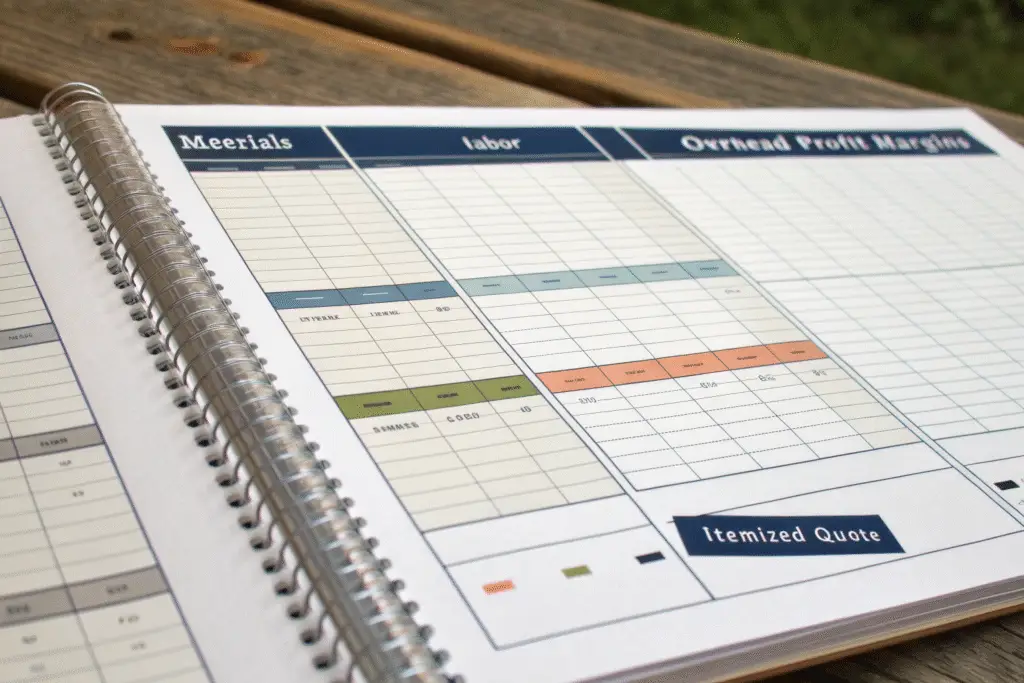
The best manufacturers provide detailed cost breakdowns showing material costs, labor, overhead, and profit margins separately. This transparency helps startups understand where their money goes and identifies potential cost-saving areas. We provide itemized quotes that clearly show every cost component.
| Cost Component | Typical Percentage | Startup Considerations |
|---|---|---|
| Materials | 45-60% | Higher per-unit cost for small quantities |
| Labor | 20-30% | More setup time relative to production time |
| Overhead | 10-15% | Fixed costs distributed across smaller orders |
| Profit Margin | 10-15% | May be higher than volume discounts |
What pricing models work best for startups?
Fixed pricing per piece with all inclusions clearly specified provides budget certainty for startups. Some manufacturers offer cost-plus models, but these can create uncertainty for cash-strapped startups. Our fixed pricing guarantee means startups know their exact costs before committing, allowing accurate financial planning and preventing unexpected expenses that could jeopardize their business.
How should manufacturers handle sample costs?
Startup-friendly manufacturers often absorb some sample costs or apply them toward future orders. Sample pricing should be transparent, and manufacturers should guide startups on which samples are necessary versus optional. We offer a sample program where startups pay only material costs for their first samples, recognizing that sampling is essential for startup success but can be financially challenging.
What Scalability Options Are Essential?
Startups need manufacturers who can grow with them, from initial small batches to larger production runs as they succeed. Switching manufacturers mid-growth can cause significant disruption.
Scalable manufacturers have clear pathways from development quantities to full production runs, maintaining consistency and quality throughout. They understand that startups' needs evolve rapidly and have systems to accommodate this evolution. We've designed our operations to seamlessly transition startups from 50-piece orders to 5,000-piece orders without quality variance.

How do manufacturers maintain quality during scaling?
Quality consistency during scaling requires standardized processes, comprehensive documentation, and trained teams that understand the brand's requirements. Our quality management system ensures that when a startup's order grows from 100 to 10,000 pieces, the same specifications and standards apply. This quality consistency prevented a growing athleisure brand from experiencing the quality variations that often plague expanding companies.
What communication systems support scaling?
As startups grow, communication needs evolve from hands-on guidance to more systematic reporting. Manufacturers should have communication systems that adapt to changing needs while maintaining clarity. We provide startups with increasing access to our production portal as they grow, giving them more direct visibility into their production while maintaining the support they need during early stages.
How Important Is Manufacturing Expertise?
Technical expertise separates adequate manufacturers from exceptional ones. Startups benefit tremendously from manufacturers who understand diverse product categories and can anticipate challenges.
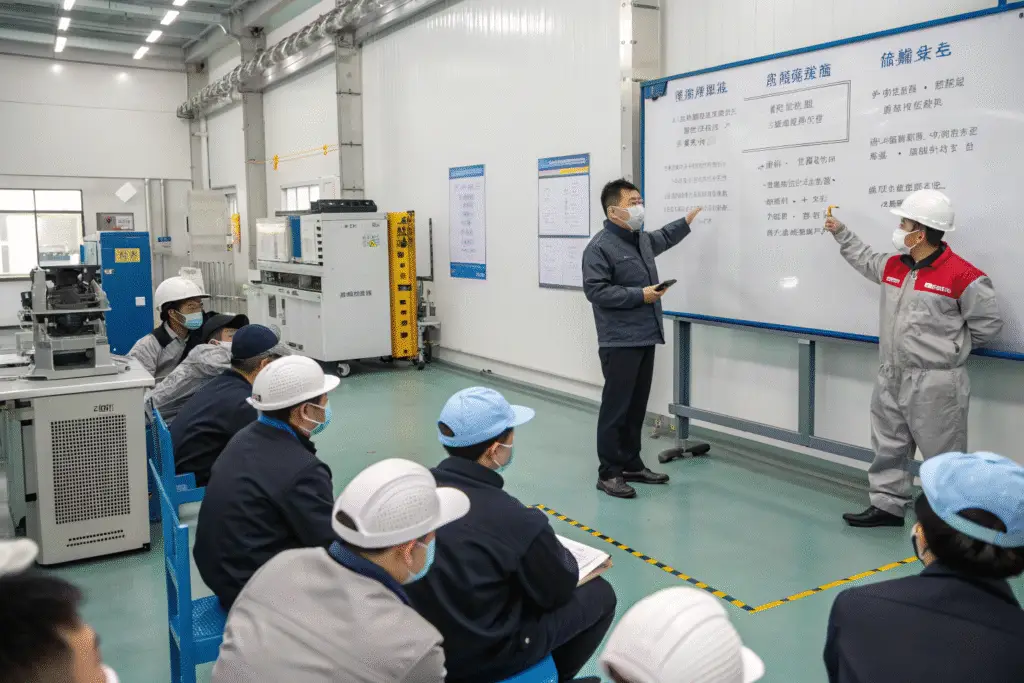
Specialized knowledge in specific product types (like technical outerwear, knitwear, or sustainable apparel) helps startups avoid common pitfalls. Manufacturers with broad experience across product categories can provide insights that specialized factories might miss. Our team's diverse background across apparel categories has helped startups navigate challenges they didn't anticipate.
Why does material knowledge matter for startups?
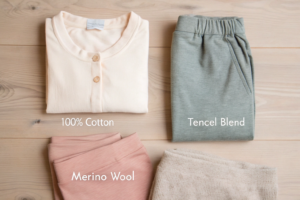
Material selection significantly impacts cost, quality, production time, and customer satisfaction. Manufacturers with deep material knowledge help startups choose appropriate fabrics for their budget, design, and target market. We recently guided a sustainable apparel startup through material selection that balanced their environmental values with performance requirements and cost constraints, resulting in a product that truly resonated with their target audience.
How does production experience benefit startup planning?
Experienced manufacturers understand timing, cost drivers, and potential pitfalls that startups overlook. This expertise helps with realistic planning and budgeting. Our production planning team helped a startup create a realistic 6-month production calendar that coordinated with their marketing launch, preventing the common mistake of promising delivery dates before understanding production realities.
Conclusion
The best clothing manufacturers for startups understand that they're not just producing garments—they're helping build businesses. They combine manufacturing capability with mentorship, flexibility, and understanding of startup challenges.
The right manufacturing partnership accelerates a startup's growth through expert guidance, appropriate minimums, and scalable solutions. This support during the vulnerable early stages can determine whether a promising fashion brand succeeds or fails.
If you're launching a clothing brand and need a manufacturing partner who understands startup needs, we've built our services specifically for emerging brands. At Fumao Clothing, we combine production expertise with startup-friendly policies. Contact our Business Director, Elaine, at elaine@fumaoclothing.com to discuss how we can help launch your brand successfully.