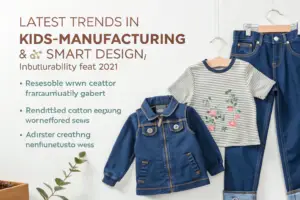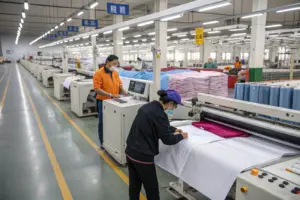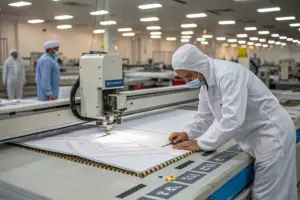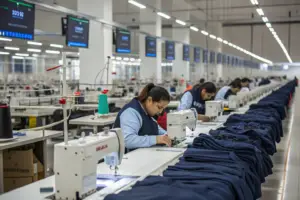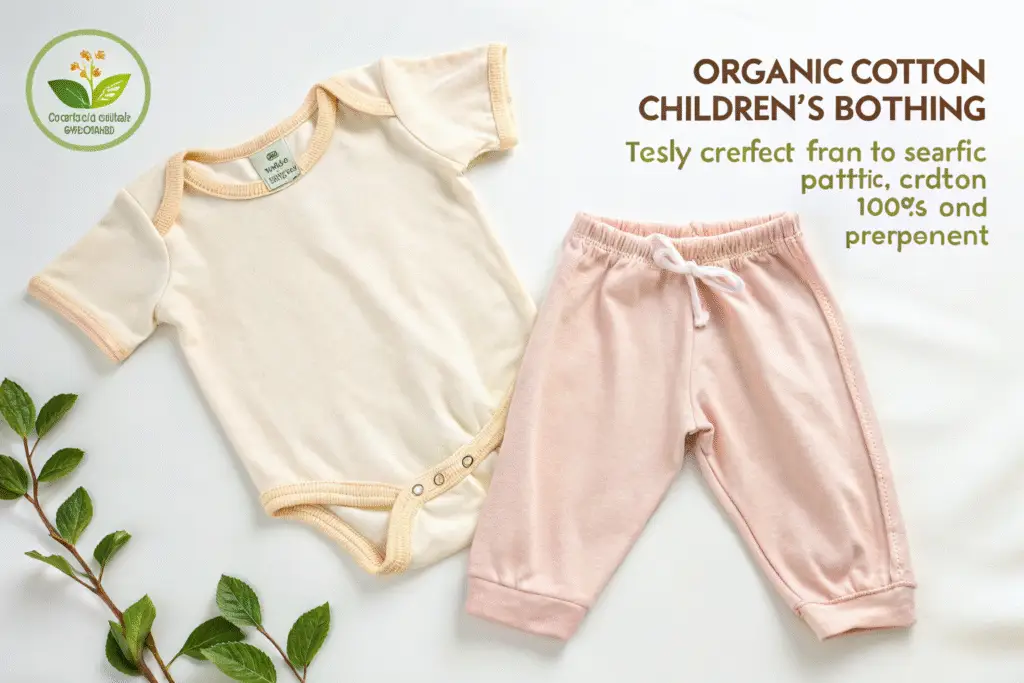
As both a parent and clothing manufacturer, I frequently engage in conversations about the safest fabrics for children. These discussions consistently lead to one fundamental question: What makes organic cotton truly beneficial for kids' apparel? The answer lies in understanding how this natural material positively impacts children's health, environmental sustainability, and long-term value.
Organic cotton provides undeniable advantages for children's clothing. Grown without toxic pesticides and synthetic fertilizers, it creates fabric that is inherently softer, safer for sensitive skin, and more environmentally responsible. For developing children with delicate skin and evolving immune systems, these characteristics represent essential protection rather than mere luxury. Selecting organic cotton means investing in proven safety and comfort.
The growing consumer demand for safer, sustainable children's products has transformed market expectations. At Fumao Clothing, we've witnessed this paradigm shift directly through our manufacturing partnerships. Let's examine the specific reasons why organic cotton has become the preferred choice for informed parents and progressive brands worldwide.
Why is Organic Cotton Safer for a Child's Skin?
Understanding children's unique physiological needs reveals why fabric selection matters profoundly. A child's skin possesses greater permeability and sensitivity than adult skin, making it more vulnerable to irritants commonly found in conventional textiles. This biological reality elevates material choice from mere preference to critical necessity.
Organic cotton's safety superiority originates from its cultivation and manufacturing processes. Conventional cotton farming consumes substantial portions of the world's insecticides and pesticides, with chemical residues potentially lingering in finished fabrics. In contrast, certified organic cotton grows from non-GMO seeds completely free from these toxic substances. The outcome is pure, uncontaminated fabric that significantly minimizes risks of childhood skin allergies, rashes, and eczema. This fundamental safety principle forms the cornerstone of our quality assurance protocol at Fumao Clothing.
What Chemicals Are Absent in Organic Cotton?
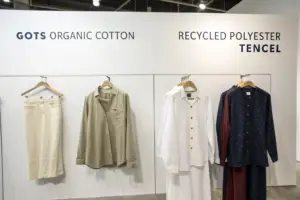
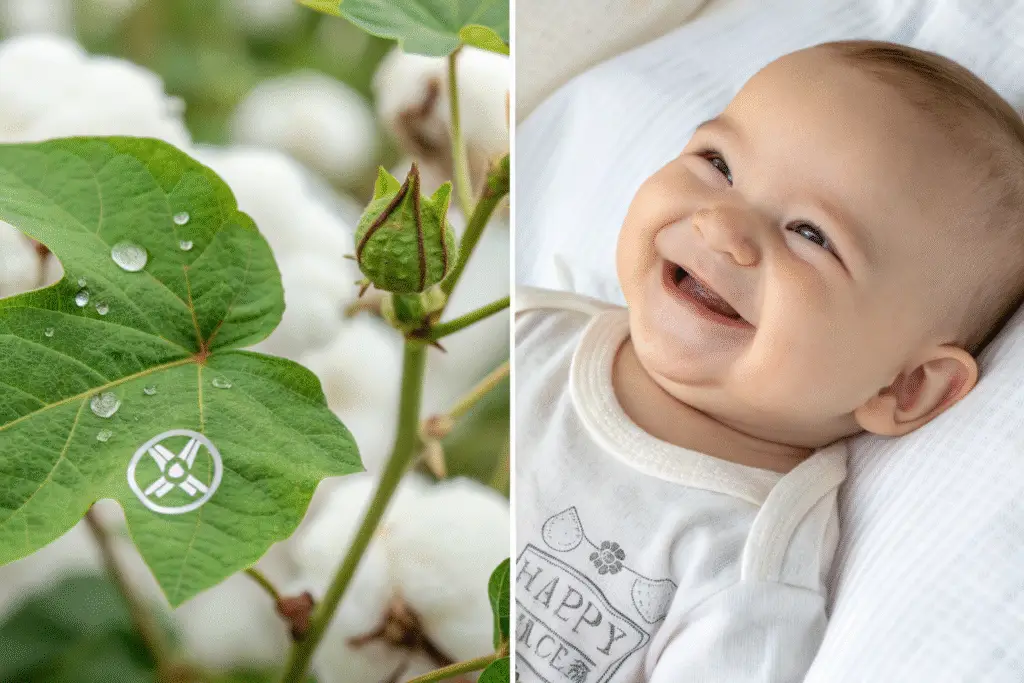
The prohibited substances list for organic cotton production encompasses numerous concerning chemicals. Notable absentees include neurotoxic insecticides like chlorpyrifos and widely used herbicides such as glyphosate, both linked to various health issues. Organic processing further bans toxic heavy metals, formaldehyde, and aromatic solvents from dyes and finishes. Instead, manufacturers employ safer, Global Organic Textile Standard (GOTS) approved coloring agents. This rigorous certification ensures every organic cotton t-shirt we manufacture remains free from these hazardous substances, safeguarding not only the wearing child but also agricultural workers and ecosystems.
How Does Fabric Breathability Prevent Irritation?
Superior breathability represents one of organic cotton's most valuable functional attributes. The natural fiber structure facilitates exceptional air circulation, helping maintain children's optimal body temperature. This ventilation capability prevents overheating while crucially reducing sweat accumulation. When moisture becomes trapped against skin by non-breathable synthetic fabrics, it frequently causes heat rash and chafing discomfort. Organic cotton's enhanced moisture-wicking properties actively pull dampness from skin while promoting rapid evaporation. This continuous moisture management keeps young wearers comfortably dry, significantly minimizing skin irritation during both active play and rest periods.
How Does Organic Cotton Benefit the Environment?
The positive implications of organic cotton extend well beyond individual wearers to generate meaningful environmental impacts. Its cultivation methods actively contribute to planetary health, ultimately creating a cleaner world for future generations.
Selecting organic cotton constitutes a conscious environmental stewardship decision. Traditional cotton farming remains notoriously resource-intensive, demanding substantial water volumes and chemical inputs. Organic agriculture counteracts this through soil-enhancing practices like crop rotation and composting. These methods create robust, sponge-like soil that absorbs and retains water with greater efficiency, potentially reducing consumption dramatically. Moreover, eliminating synthetic pesticides and fertilizers protects biodiversity, strengthens ecosystems, and prevents water source contamination.
What is the Impact on Water and Soil Health?
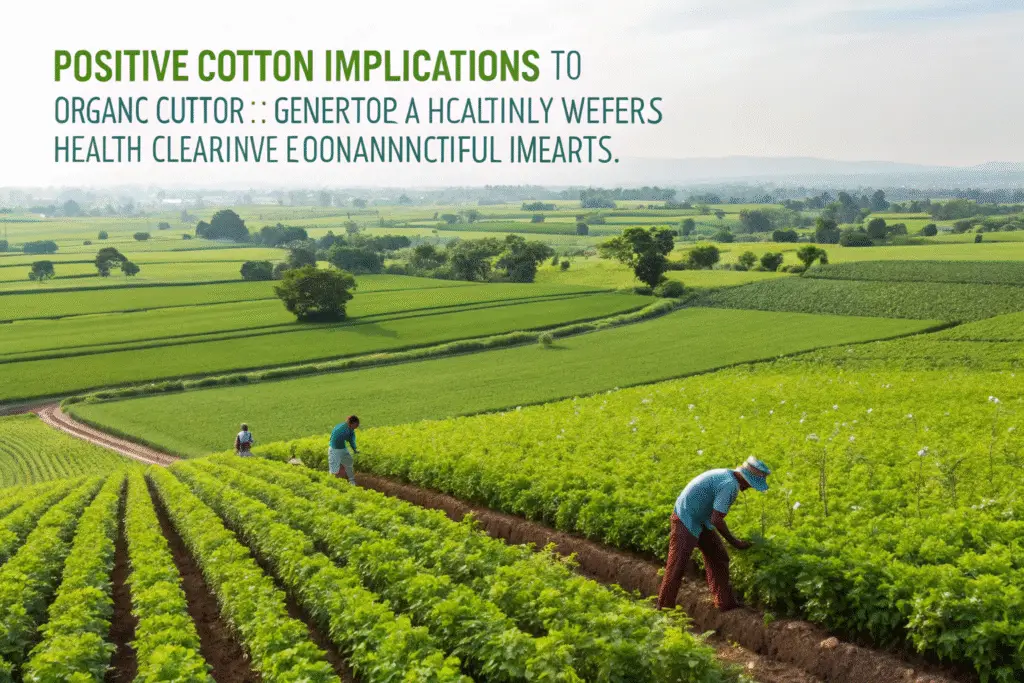
The transformational impact manifests most clearly in water and soil conservation. Organic farming techniques can diminish water pollution by approximately 98% compared to conventional cotton cultivation. By utilizing natural compost instead of synthetic fertilizers, organic systems continuously enrich soil organic matter content. This improved soil structure becomes exceptionally effective at capturing and storing atmospheric carbon, directly combating climate change. The emphasis on soil vitality establishes resilient agricultural systems better equipped to withstand drought conditions and resist erosion. This sustainable cycle represents the foundation of our sourcing philosophy for GOTS-certified organic cotton.
How Does It Support Biodiversity?
Organic cotton fields function as thriving ecological habitats. Without chemical pesticides, beneficial insects including bees and butterflies proliferate naturally. Crop rotation practices—alternating different plant species—disrupt pest cycles while replenishing soil nutrients through natural processes. This botanical diversity sustains richer populations of soil microorganisms, birds, and wildlife. Essentially, organic cotton farming collaborates with natural systems rather than opposing them. This dedication to sustainable production explains why environmentally conscious brands increasingly partner with us for their children's clothing collections.
Is Organic Cotton Clothing More Durable for Kids?
Parents universally recognize children's exceptional ability to test clothing durability. From adventurous crawling to energetic climbing and frequent laundering, resilience becomes non-negotiable in children's garments. Organic cotton consistently demonstrates superior performance in this crucial aspect.
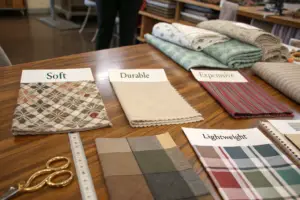
The enhanced durability stems directly from organic cultivation methods. Since cotton fibers develop without exposure to weakening chemicals and pesticides, they maintain their natural length, strength, and structural integrity. These longer, stronger fibers spin into more durable yarns that withstand active childhood use. Consequently, organic cotton garments endure rigorous play and repeated washing cycles while resisting pilling, tearing, and shape distortion more effectively than conventional alternatives. This represents not just ethical consumption but practical investment in longer-lasting apparel.

How Does Fiber Strength Enhance Longevity?
The inherent robustness of organic cotton fibers establishes the foundation for extended garment life. Imagine each individual fiber as a microscopic rope—when undamaged by chemicals, it possesses natural strength. This resilient fiber composition creates fabrics that resist abrasion exceptionally well. High-friction areas like pants knees and sleeve elbows endure more activity before showing visible wear. We systematically evaluate this inherent durability through rigorous quality control procedures, ensuring all manufactured garments meet stringent longevity standards for our brand partners.
Can It Withstand Frequent Washing?
Organic cotton not only withstands frequent laundering but outperforms conventional cotton during repeated wash cycles. The robust fibers demonstrate greater resistance to breakdown from mechanical washing action and heat exposure. Furthermore, because organic cotton typically undergoes processing with gentler natural dyes and avoids harsh chemical treatments like formaldehyde-based wrinkle resistance applications, the fundamental fabric structure remains more stable. Garments maintain original sizing, color vibrancy, and softness through numerous washes. This performance reliability proves particularly valuable for kids' wear intended for multiple users, whether as family hand-me-downs or resold items.
What Should You Look for in Organic Cotton Certification?
Given the proliferation of "eco-friendly" marketing claims, verification through credible certification becomes imperative. Independent third-party certifications provide the only reliable method to authenticate organic integrity from agricultural origin to finished product.
Consumers should prioritize recognized, independent certifications that validate complete supply chain compliance. The Global Organic Textile Standard (GOTS) represents the most comprehensive international benchmark. A GOTS certification on children's apparel guarantees toxic-free cultivation and confirms that manufacturing processes—including spinning, knitting, dyeing, and sewing—adhere to stringent environmental and social criteria. These standards encompass safe dye substances and equitable labor conditions. The certification label offers essential transparent verification.
Why is GOTS the Gold Standard?
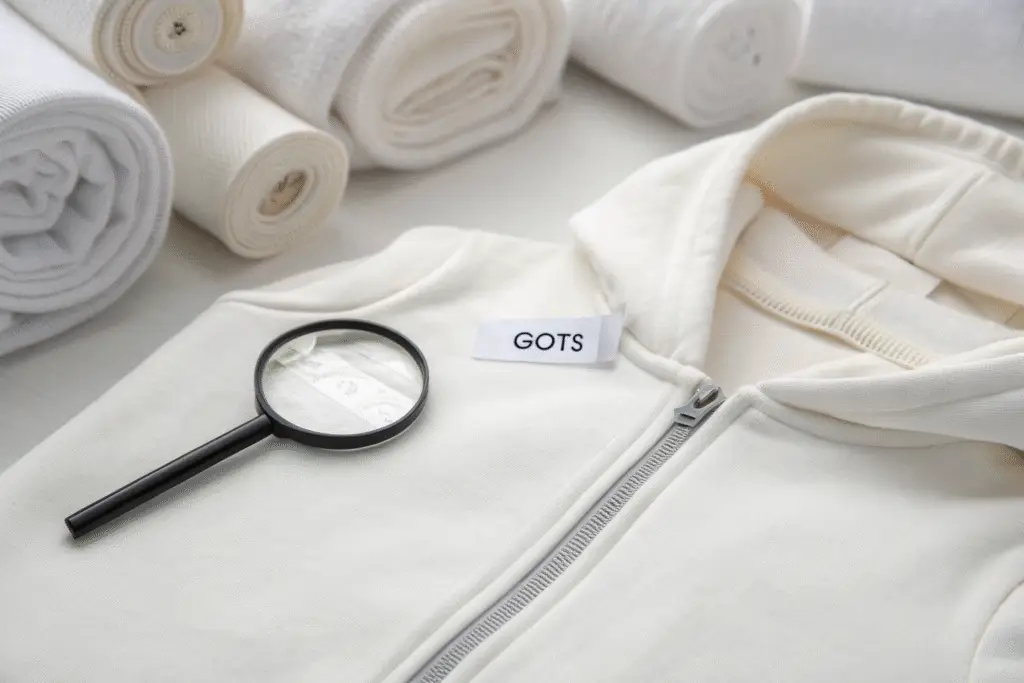
GOTS maintains its premier status through comprehensive, rigorous verification protocols. The standard tracks materials throughout production rather than merely inspecting farming practices. It strictly regulates processing chemicals while mandating wastewater treatment from dyeing facilities. Additionally, GOTS incorporates robust social compliance criteria based on International Labour Organization conventions, ensuring ethical working conditions. When brands and consumers see the GOTS logo, they can trust the product's authentic sustainability claims. We require GOTS-certified fabrics for all organic orders to provide partners with unequivocal proof of compliance.
How Can You Verify Certification Authenticity?
Despite certification systems, greenwashing attempts persist. To authenticate claims, request the supplier's GOTS transaction certificate. This documentation, issued by accredited certification bodies, traces organic content through successive supply chain stages. Reputable manufacturers like Fumao Clothing maintain transparency and readily provide these verification documents. Additionally, consult the public database maintained by the Standard to identify certified entities. This due diligence protects brand reputation while ensuring delivery on sustainability promises to customers.
Conclusion
The collective benefits of organic cotton in children's apparel present a compelling case for its adoption. It establishes safer, hypoallergenic environments for delicate skin, delivers superior comfort through natural breathability, and demonstrates enhanced durability for long-term value. Moreover, choosing organic cotton supports agricultural practices that protect water resources, enrich soil health, and preserve biodiversity. As parents grow increasingly conscious about both their children's wellbeing and planetary health, organic cotton transitions from alternative preference to essential selection for contemporary children's fashion.
American brands seeking to develop premium, certified organic kids' collections will find an ideal partner in Fumao Clothing. Our comprehensive manufacturing service manages everything from GOTS-certified fabric sourcing through expert production to efficient U.S.-bound logistics. We invite collaboration in creating children's clothing that benefits both young wearers and our shared environment. For detailed consultation, please contact our Business Director, Elaine, at elaine@fumaoclothing.com.