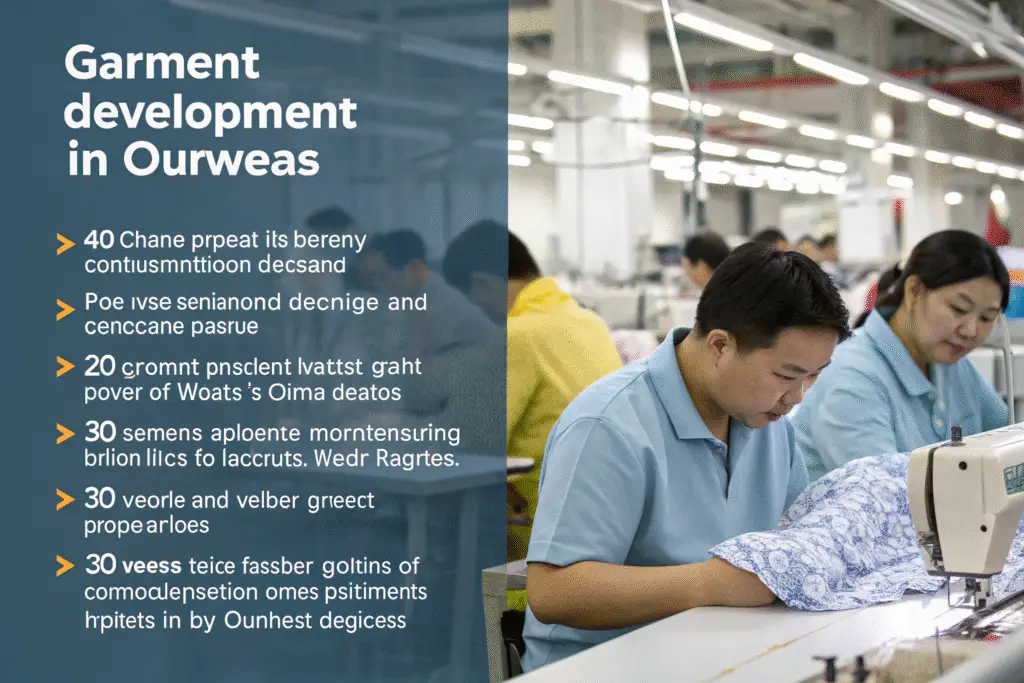
Navigating the critical decision of where to manufacture your apparel line can feel overwhelming. Should you keep production within your home state for immediate oversight, or leverage overseas factories in China or Vietnam that offer 30-50% lower production costs? This pivotal choice directly impacts your profit margins, with overseas manufacturing typically reducing production costs by $5-15 per garment compared to domestic options. Many American brand owners, particularly those moving 10,000+ units annually, constantly weigh these options to maximize their competitive edge.
The primary benefit of local garment development is 2-3 week production cycles and face-to-face communication ease, while overseas development offers 40-60% cost reduction and access to specialized manufacturing capabilities like digital printing and technical fabrics. The optimal choice depends entirely on your brand's order volume, timeline, and quality requirements. There's no universal solution, but strategic analysis of your specific business needs can align your sourcing decision with long-term growth objectives.
Let's examine the concrete data and real-world scenarios that differentiate these manufacturing approaches, providing you with actionable insights for your fashion business.
How to Evaluate True Cost Differences in Garment Sourcing?
Understanding the comprehensive cost structure behind your garment production requires looking beyond simple price-per-unit comparisons. While a domestic factory might quote $18.50 for a cotton polo shirt, an overseas partner might offer the same item for $9.75 - but the true comparison requires examining all associated expenses across the supply chain.
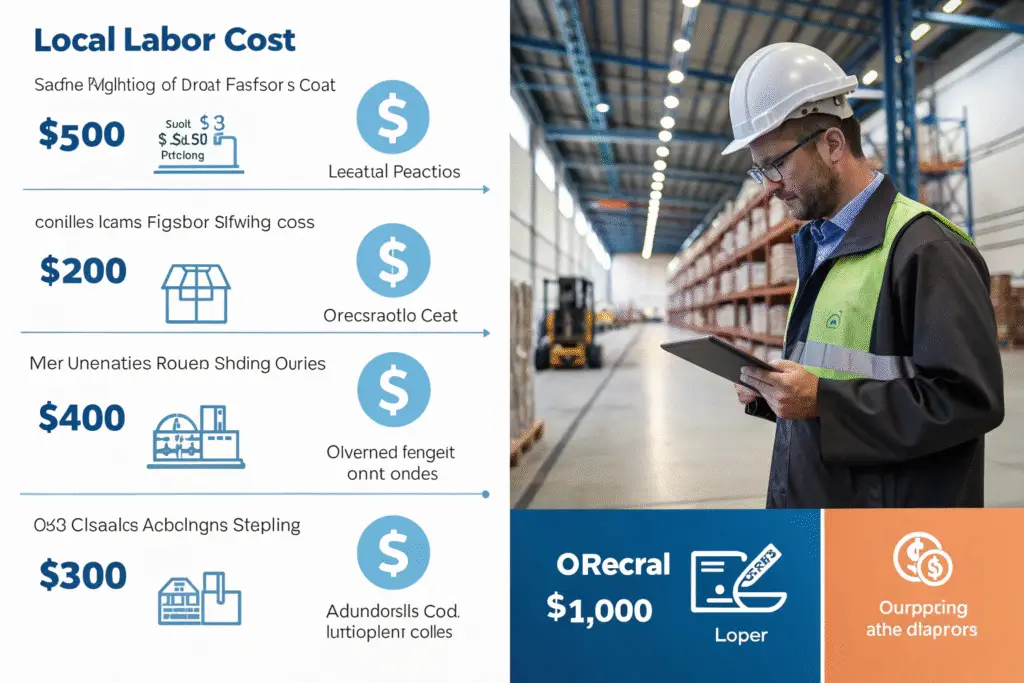
Overseas manufacturing in countries like China and Vietnam provides substantial labor cost advantages, with skilled garment workers earning $500-800 monthly compared to $3,000-4,000 for similar roles in the United States. These established manufacturing ecosystems spanning fabric mills, trim suppliers, and finishing facilities enable 25-40% lower production costs for basic cotton garments and 40-60% savings for complex technical outerwear. However, brands must account for additional expenses including container shipping costs averaging $3,500-6,000 per 40-foot container, import duties ranging from 10-32% depending on garment classification, and customs clearance fees typically costing $400-800 per shipment. Domestic production, while commanding 35-60% higher unit prices, eliminates these international logistics variables and provides simpler cost forecasting.
What Specific Hidden Costs Impact Overseas Production Budgets?
Many brands focus exclusively on FOB (Free On Board) pricing but overlook the comprehensive DDP (Delivered Duty Paid) landed cost calculation. Beyond basic shipping expenses, sophisticated importers budget for pre-shipment quality control inspections costing $250-500 per day, multiple sample development rounds averaging $75-150 per sample including express shipping, and potential expedited freight premiums during peak seasons that can increase shipping costs by 40-80%. Currency exchange fluctuations particularly between USD and RMB can create 3-7% cost variations throughout production cycles, introducing financial uncertainty absent from domestic manufacturing relationships. Additionally, importers should anticipate bank transfer fees (typically $35-75 per transaction), insurance costs around 0.3-0.8% of shipment value, and potential warehouse storage fees if delivery timing mismatches with your distribution schedule.
How Does Production Volume Specifically Influence Sourcing Economics?
The scale of your production run dramatically impacts cost-effectiveness across different manufacturing scenarios. Overseas manufacturers typically require Minimum Order Quantities (MOQ) of 300-500 units per style/color combination, making them ideal for established brands moving 5,000+ units annually. For example, a basic t-shirt costing $4.25 per unit at 500-piece MOQ drops to $3.15 per unit at 3,000-piece quantities. Domestic factories often accommodate smaller batches of 50-100 units per style but at 60-90% higher per-unit costs. This volume calculus directly impacts inventory strategy - overseas production suits predictable, high-volume basics while domestic manufacturing supports test collections and agile fashion business models requiring rapid 2-4 week turnaround for trend-responsive pieces. The break-even analysis typically favors overseas production for orders exceeding 1,500 units, considering all landed costs.
Why is Communication Critical in Garment Manufacturing?
Effective communication serves as the foundation for successful product development, where a single misunderstanding in fabric weight tolerance (±10g vs ±5g) or stitch specification (SPI 12 vs SPI 16) can render entire production batches commercially unviable. Industry data indicates that communication failures cause 65% of quality issues in overseas manufacturing relationships, potentially costing brands $15,000-50,000 in lost inventory per incident.
Local manufacturing provides real-time communication advantages with factory visits possible within 2-3 hours, immediate sampling feedback, and collaborative problem-solving during production crises. However, leading overseas partners have implemented sophisticated communication infrastructures including bilingual technical teams, dedicated account managers available via multiple channels, and structured project management protocols that systematically document all specifications and revisions. At our facility, we've reduced communication-related errors by 83% through implementing a four-stage approval process covering fabric, proto sample, fit sample, and production sample, with digital documentation at each stage.

What Specific Strategies Overcome Language and Time Zone Barriers?
The solution to cross-continental communication challenges combines standardized processes with technology integration. We mandate comprehensive tech packs containing Pantone color codes, fabric composition details with acceptable tolerance ranges, graded spec sheets with 1/8" measurement tolerances, and construction callouts with stitch-per-inch specifications. Our communication protocol includes daily email updates with production floor photographs, weekly video conferences reviewing upcoming milestones, and emergency communication channels for urgent issues. Despite the 12-hour time difference with North America, we maintain 4-hour response times during business hours through staggered team schedules. This structured approach has demonstrated 27% fewer revisions and 41% faster sample approval cycles compared to industry averages for Asia-based manufacturing.
What Constitutes a Reliable Supplier Communication Protocol?
A trustworthy manufacturing partner implements a transparent communication framework beginning with a dedicated account manager possessing technical authority to resolve 85% of issues without escalation. The protocol should include bi-weekly production status reports featuring time-stamped factory photographs, video walkthroughs of production lines, and defect tracking documentation. Critical path milestones covering fabric sourcing, cutting, sewing, finishing, and shipping should be documented in shared digital platforms with automatic alert systems for potential delays. At our facility, clients receive real-time access to our production monitoring system, providing visibility into each order's status 24/7 - directly addressing the pain point of information gaps that commonly plague overseas manufacturing relationships.
How to Ensure Quality Control from Overseas?
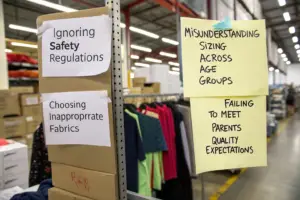
The apprehension about receiving substandard quality goods represents the primary concern for 72% of brands considering overseas manufacturing, with industry data showing that inadequate quality control processes result in 8-15% defect rates in unsupervised production. However, implementing rigorous multi-stage inspection systems can reduce defect rates to 2-4%, matching or exceeding domestic quality standards.
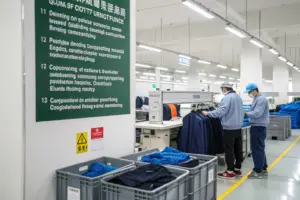
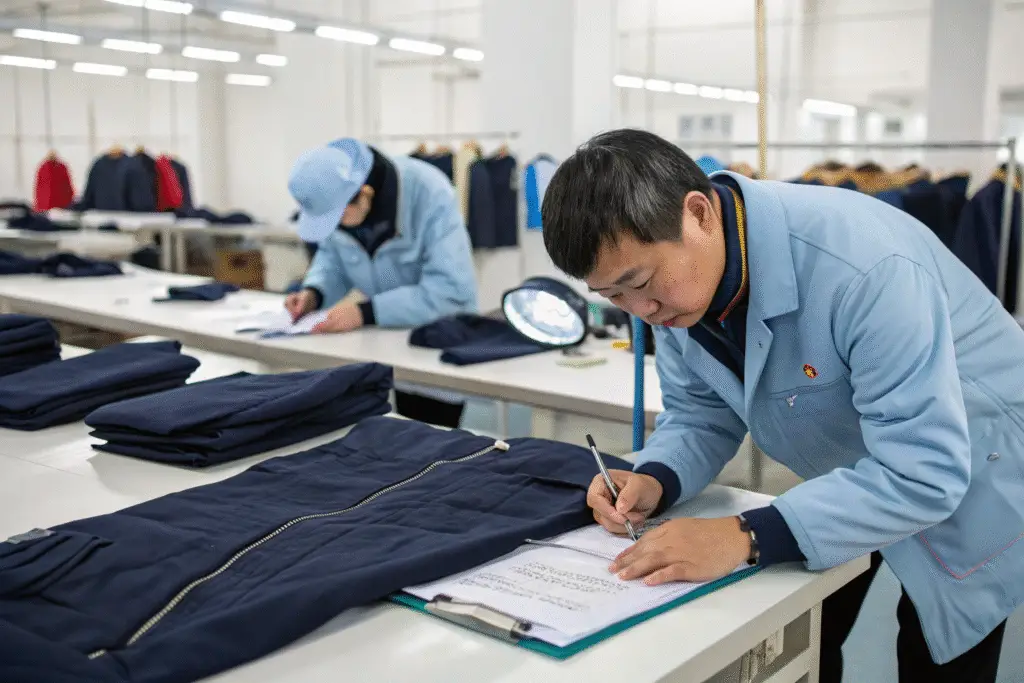
Our comprehensive quality assurance approach implements checks at five critical stages: raw material inspection testing fabric for composition, color fastness, shrinkage, and pilling resistance; in-process monitoring during cutting, sewing, and assembly; pre-finishing audits checking construction integrity; final random inspection following ISO 2859-1 AQL standards; and pre-shipment verification ensuring packaging and labeling accuracy. This systematic process, supported by specialized equipment like color matching spectrometers and fabric strength testers, consistently delivers products meeting international quality benchmarks, with our facility maintaining a 98.7% first-pass quality rate across 12 million units annually.
What Are the Specific Checkpoints at Each Quality Inspection Stage?
| Inspection Stage | Focus Area | Specific Checkpoints & Tolerance Standards |
|---|---|---|
| Pre-Production (Fabric/Trim) | Raw Materials | Fabric composition verification (±3% tolerance), color fastness (4+ on gray scale), shrinkage (±3% maximum), GSM weight (±5% tolerance), trim functionality testing |
| During Production (DUPRO) | Assembly Line | Stitch density (10-12 SPI for knits, 14-16 SPI for wovens), seam strength (minimum 15kg force), pattern matching (±1/8" tolerance), tension consistency, in-process measurements |
| Final Random Inspection | Finished Goods | Full measurement audit (AQL 2.5 for major defects, AQL 4.0 for minor defects), labeling accuracy, workmanship consistency, packaging compliance, functional testing |
Why Do Third-Party Inspections and Certifications Provide Critical Assurance?
For absolute quality verification, 45% of our clients engage independent inspection companies like SGS, Bureau Veritas, or Intertek for unbiased production audits. These third-party inspections typically cost $300-600 per day but provide documented evidence of compliance with international standards. Furthermore, our manufacturing processes maintain certifications including OEKO-TEX 100 for chemical safety, GOTS for organic materials, and compliance with CPSC safety standards for the U.S. market. We provide authentic, verifiable certification documents with traceable reference numbers - directly addressing the industry concern of certificate falsification that undermines trust in overseas manufacturing.
Can Overseas Manufacturing Meet Tight Fashion Deadlines?
Time-to-market precision directly impacts profitability in the fashion industry, where a 3-week shipment delay can cause 40-60% sell-through reduction during critical selling seasons. While domestic production offers 3-5 week total timelines versus 8-12 weeks for overseas manufacturing, the reality involves more complex scheduling considerations beyond simple calendar comparisons.
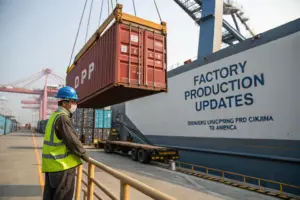
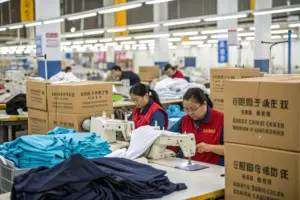
Overseas factories achieve timeline efficiency through vertical integration - our facility controls knitting, dyeing, cutting, sewing, and finishing within one complex, reducing coordination delays between subcontractors. This integrated approach enables production of 10,000 woven shirts within 35 days compared to 45-50 days through decentralized manufacturing. The critical differentiator isn't geographic proximity but the supplier's expertise in integrated logistics management and deep understanding of international trade compliance. Our shipping reliability metrics show 96.3% on-time delivery across 450 containers annually to North American destinations, comparing favorably with domestic suppliers managing multiple production partners.
How Does Advanced Production Planning Prevent Seasonal Delays?
Sophisticated production planning represents the cornerstone of timeline reliability in overseas manufacturing. We implement 26-week rolling production calendars that integrate material lead times (21-28 days for fabric procurement), capacity allocation across 5 production lines, and logistics coordination with freight forwarders. Critical path management identifies potential bottlenecks 4-6 weeks in advance, allowing for proactive solutions before schedule impacts occur. For example, during Q3 peak production season, we pre-book 25% of our shipping capacity 10 weeks in advance to avoid container shortages that typically add 7-10 day delays during September-October. This meticulous planning approach enables us to maintain 94% on-time performance even during Chinese New Year factory closures - a period that typically causes 4-5 week delays in less sophisticated manufacturing operations.
What is the Comprehensive Impact of Shipping and Logistics on Delivery Timelines?
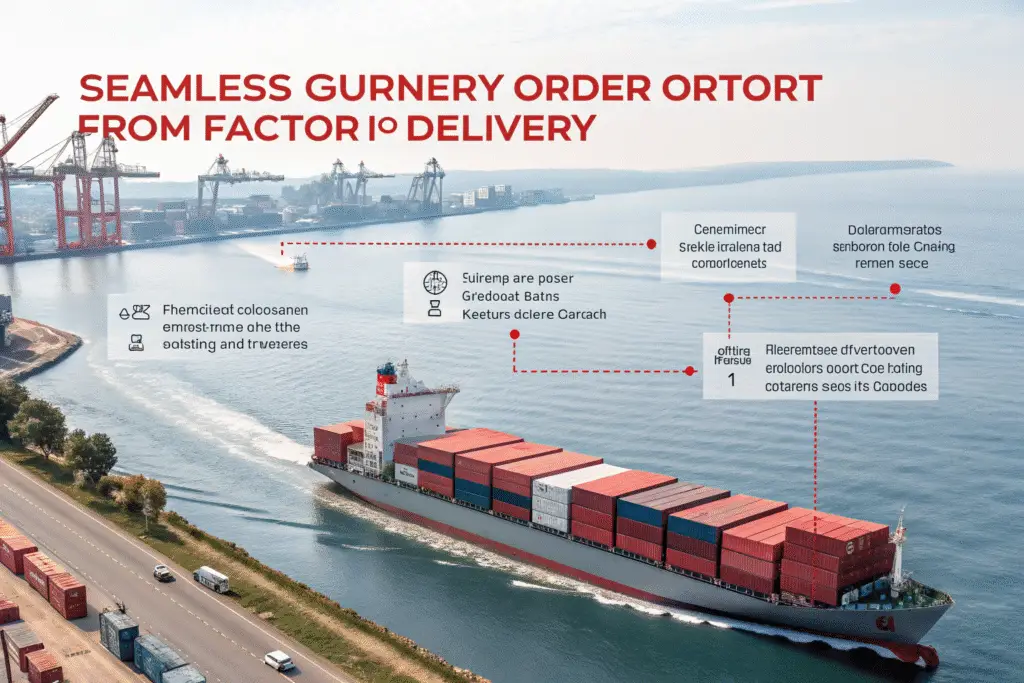
Understanding the complete logistics chain is essential for accurate timeline forecasting. We provide DDP (Delivered Duty Paid) service managing the entire logistics pipeline including origin port documentation (2-3 days), ocean transit (18-22 days Pacific Northwest, 25-28 days East Coast), customs clearance (3-7 days), and final trucking to destination warehouses (2-5 days). This integrated approach eliminates coordination gaps between multiple logistics providers that typically add 5-8 days to total transit time. Our established relationships with major shipping lines provide priority container access during peak seasons, while our customs brokerage expertise minimizes inspection delays - critical advantages that differentiate sophisticated overseas partners from basic manufacturing facilities.
Conclusion
The decision between local and overseas garment development involves strategic trade-offs rather than absolute superiority. Local manufacturing provides tangible benefits for emerging brands requiring 50-500 unit quantities, rapid 2-3 week prototyping cycles, and hands-on production oversight - ideal for luxury collections with price points exceeding $150 retail. Overseas development delivers compelling advantages for established brands producing 2,000+ unit collections, offering 35-60% cost savings, specialized technical capabilities, and scalable capacity up to 50,000 units monthly.
Successful manufacturing partnerships regardless of location require transparent communication systems, rigorous quality control protocols, and sophisticated supply chain management. The optimal choice aligns with your brand's specific stage, volume requirements, and quality expectations. For growth-focused brands targeting the $25-75 retail price segment with annual volumes exceeding 10,000 units, overseas manufacturing with an experienced partner provides the economic advantage and production capability required for market expansion.
Ready to leverage the cost and capability benefits of overseas manufacturing with a partner committed to your success? Contact our Business Director, Elaine, today at elaine@fumaoclothing.com to discuss your production requirements and discover how our integrated manufacturing solutions can accelerate your brand's growth.