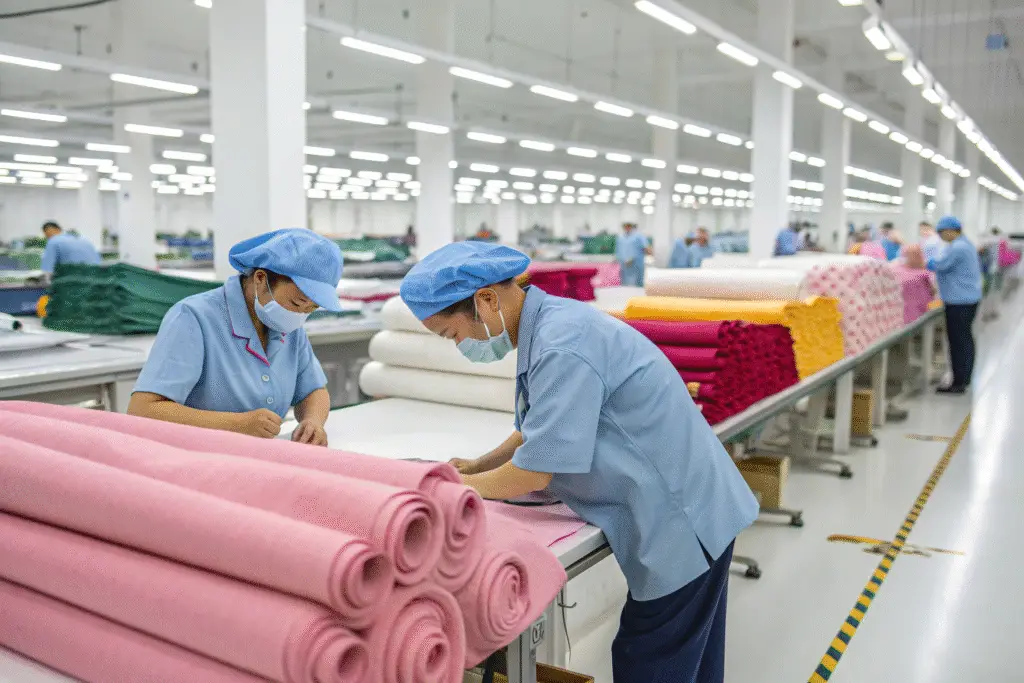
When sourcing fashion products internationally, many brand owners face constant challenges. They often struggle with delays, inconsistent quality, and suppliers who do not communicate clearly. These problems lead to missed selling seasons and loss of profit.
Choosing a reliable fashion manufacturer solves these issues by ensuring quality, efficiency, and dependable delivery. It reduces the stress of sourcing and gives business owners confidence to scale their fashion brand.
This article will explain why selecting the right partner is crucial, what qualities to look for in a factory, and how working with a trusted manufacturer creates long-term success in the apparel business.
Why Is Quality Control Crucial in Apparel Manufacturing?
Poor quality clothing damages a brand’s reputation and leads to costly returns. Many buyers from the U.S. or Europe complain that their suppliers failed to meet expected standards.
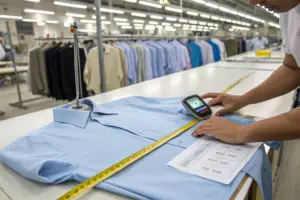
Strict quality control ensures every garment matches the buyer’s specifications and maintains customer trust. This process is key to long-term brand growth.
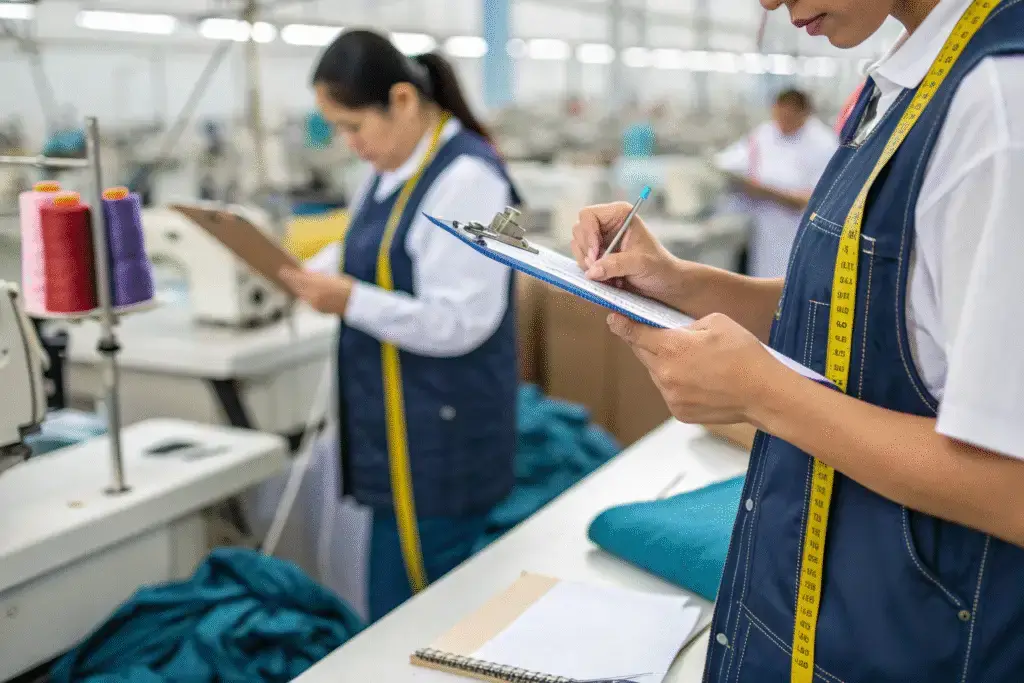
How Do Reliable Factories Ensure Consistent Quality?
Reliable factories use ISO-certified processes and follow AQL standards to check samples at every stage of production. This prevents defects from reaching the customer. They also provide transparent reports, which builds trust.
Can Quality Audits Prevent Shipping Problems?
Yes. By conducting third-party inspections from companies like Intertek or SGS, buyers avoid the risk of receiving low-quality shipments. This step ensures products meet regulations in export countries and reduces disputes.
What Makes Timely Delivery a Competitive Advantage?
Late shipments are one of the biggest frustrations for fashion buyers. Missed delivery means missing a selling season, which destroys profit margins.
On-time delivery gives brands the ability to launch collections smoothly, meet retailer demands, and capture seasonal sales opportunities.
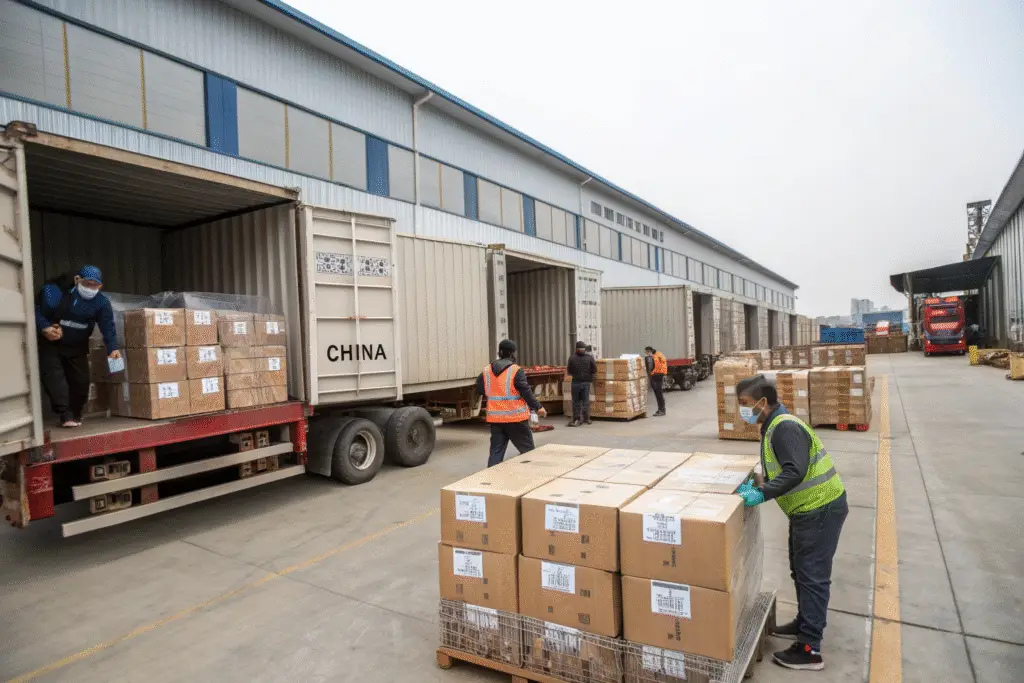
How Do Manufacturers Manage On-Time Shipping?
Factories with organized supply chains use ERP systems and partner with reliable freight forwarders like DHL. These tools track materials and shipments in real time, helping brands avoid unexpected delays.
Can DDP Shipping Improve Efficiency?
Yes. Delivered Duty Paid (DDP) reduces stress for buyers because the supplier handles customs, tariffs, and delivery. Many U.S. fashion brands prefer this method since it allows them to focus on marketing instead of logistics. Learn more from FedEx Trade Solutions.
Why Is Customization Key for U.S. Apparel Brands?
Modern consumers in the U.S. expect more than basic clothing. They want unique styles, eco-friendly fabrics, and products with brand identity.
Customization allows brands to stand out in a competitive market and build stronger connections with their customers.
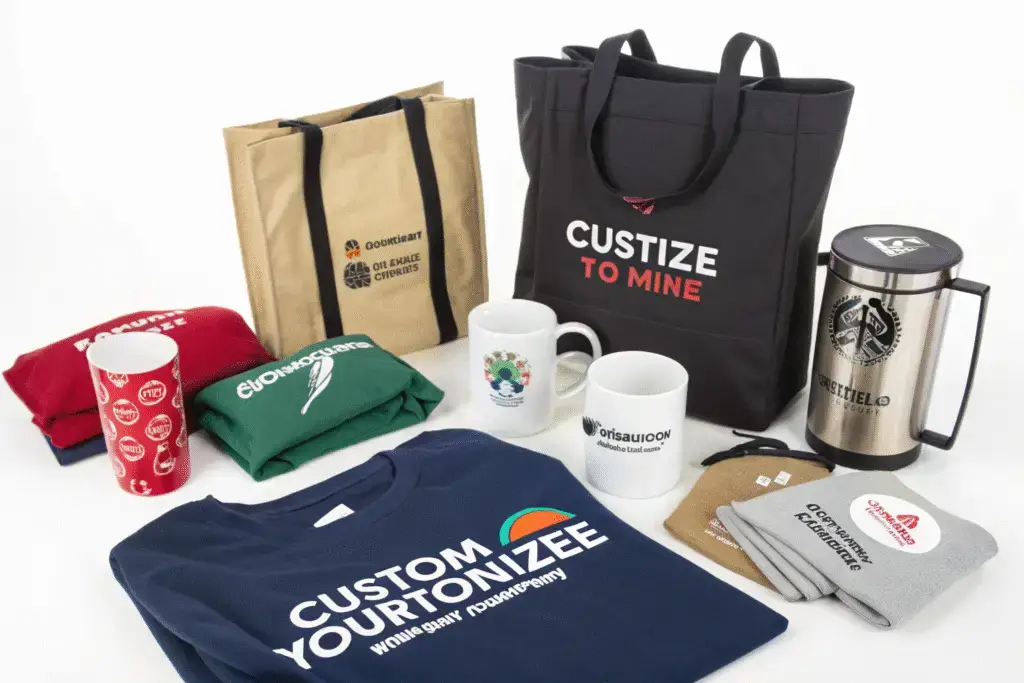
How Do Factories Support Private Label and OEM Orders?
Trusted manufacturers provide OEM and private label services, allowing buyers to add custom logos, tags, and packaging. They also advise on material selection to improve product quality. Check resources from Fibre2Fashion.
Can Fabric Innovation Help Brands Compete?
Yes. Factories that source sustainable fabrics from certified suppliers such as OEKO-TEX help brands appeal to eco-conscious customers. Using rare fabrics or blends gives apparel companies a distinct advantage in design and marketing.
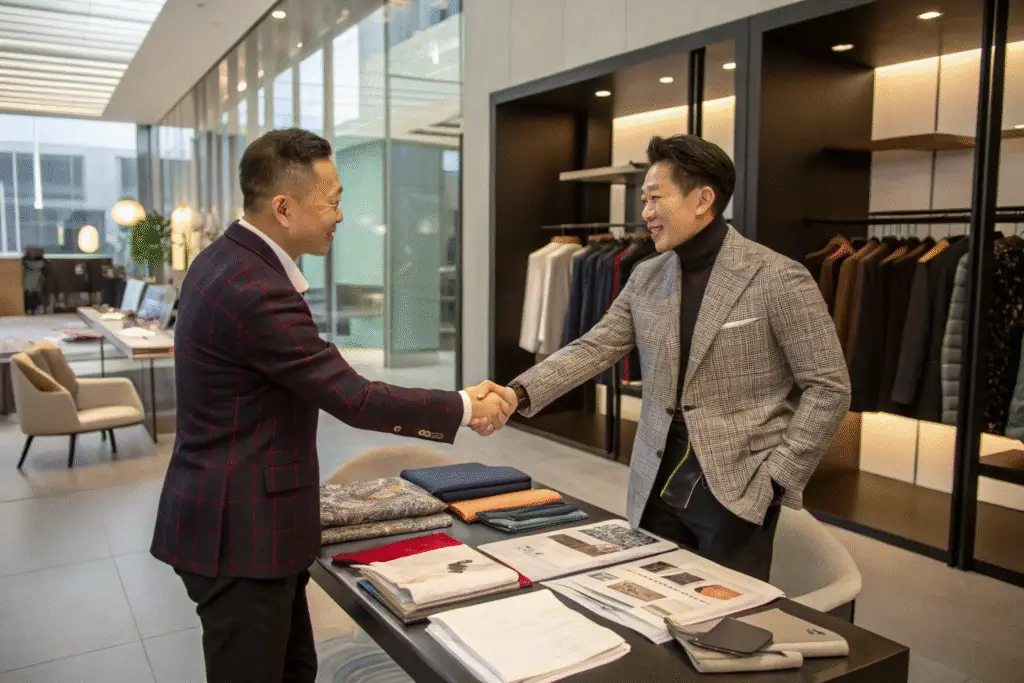
How Do Strong Partnerships Build Long-Term Success?
The most successful apparel companies don’t treat suppliers as short-term vendors. Instead, they build partnerships based on trust, transparency, and mutual growth.
Long-term partnerships reduce sourcing risks, improve efficiency, and lead to better profit margins.
Partnerships are not just about buying and selling. They also include innovation, knowledge sharing, and strategic collaboration.
Why Do Buyers Value Transparent Communication?
Clear communication prevents misunderstandings in pricing, certifications, and lead times. Tools like Slack or Microsoft Teams help both sides share updates instantly, reducing costly errors.
Can Long-Term Partnerships Improve Cost Efficiency?
Yes. Over time, trusted suppliers negotiate better prices for raw materials and reduce wastage in production. According to McKinsey, long-term sourcing relationships can lower costs while maintaining product quality.
Conclusion
Selecting a reliable apparel manufacturer is one of the most important decisions for U.S. fashion brands. Strict quality control ensures consistent products, timely delivery guarantees seasonal sales, customization builds brand identity, and long-term partnerships create sustainable growth.
At Shanghai Fumao Clothing, we understand these needs. We specialize in high-quality apparel production with customization, strict quality checks, and dependable logistics. If you want to source your next clothing collection with confidence, contact our Business Director Elaine at strong>elaine@fumaoclothing.com</strong.