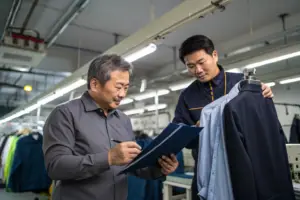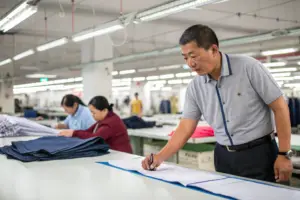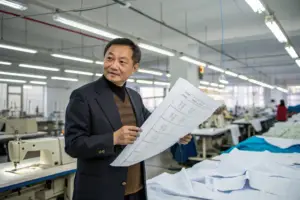
Are you searching for reliable wholesale clothing suppliers to stock your store with high-quality apparel? With so many options available, it can be challenging to identify the best sources. Let’s explore some of the most popular suppliers and how to choose the right one for your business.
Popular wholesale clothing suppliers include platforms like Alibaba, Faire, and Fumao Clothing. These suppliers offer a wide range of products, from trendy apparel to customizable options, making them ideal for businesses of all sizes and niches.
Now that we’ve introduced the topic, let’s dive deeper into the best wholesale websites, markets, and sourcing locations.
What Is the Best Wholesale Website for Clothing?
Online platforms have revolutionized the way businesses source wholesale clothing. But which website stands out as the best option?
The best wholesale website for clothing is Alibaba, followed by Faire and Fumao Clothing. These platforms offer a vast selection of products, competitive pricing, and reliable suppliers, making them ideal for businesses worldwide.
Why Is Alibaba the Top Choice for Wholesale Clothing?
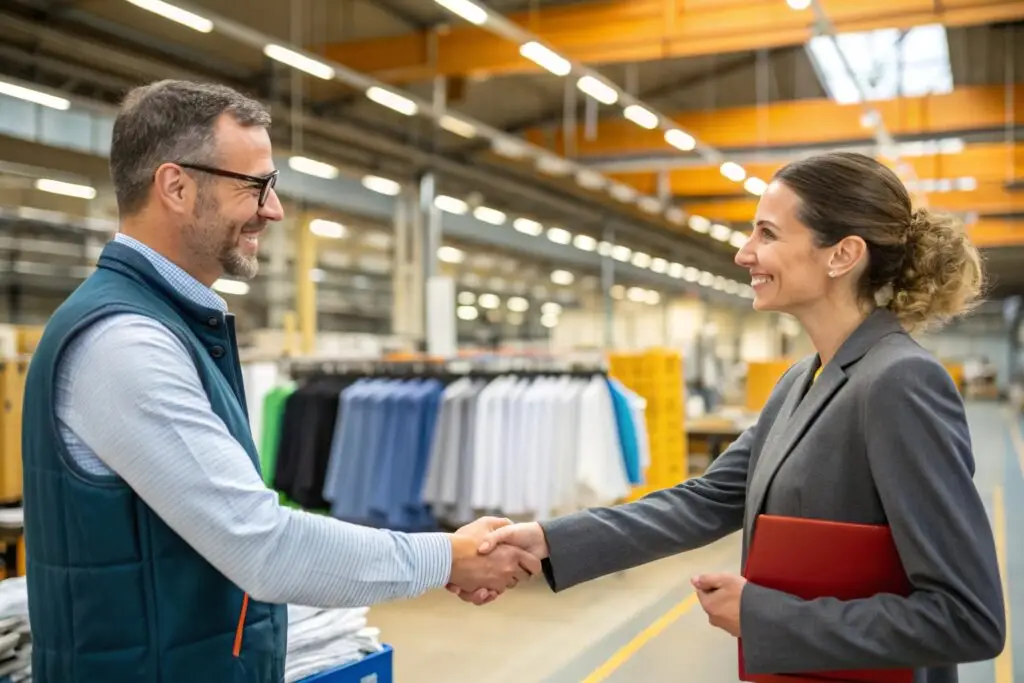
Alibaba is a global leader in wholesale trade1, connecting buyers with millions of suppliers worldwide. Its vast product range, secure payment options, and buyer protection2 make it a trusted platform for businesses of all sizes. However, it’s essential to vet suppliers carefully to ensure quality.
What Makes Faire a Great Option for Small Businesses?
Faire is a popular platform for small businesses, offering low minimum order quantities3 (MOQs) and trendy products. Its flexible payment terms and focus on independent brands make it an excellent choice for boutique owners and startups.
What Is the Best Wholesale Clothing Market in the World?
If you prefer in-person sourcing, which wholesale clothing markets are the best in the world?
The best wholesale clothing markets in the world include Yiwu Market in China, Dongdaemun Market in South Korea, and Los Angeles Fashion District in the US. These markets offer a wide range of products at competitive prices, attracting buyers from around the globe.
Why Is Yiwu Market a Top Destination for Wholesale Buyers?
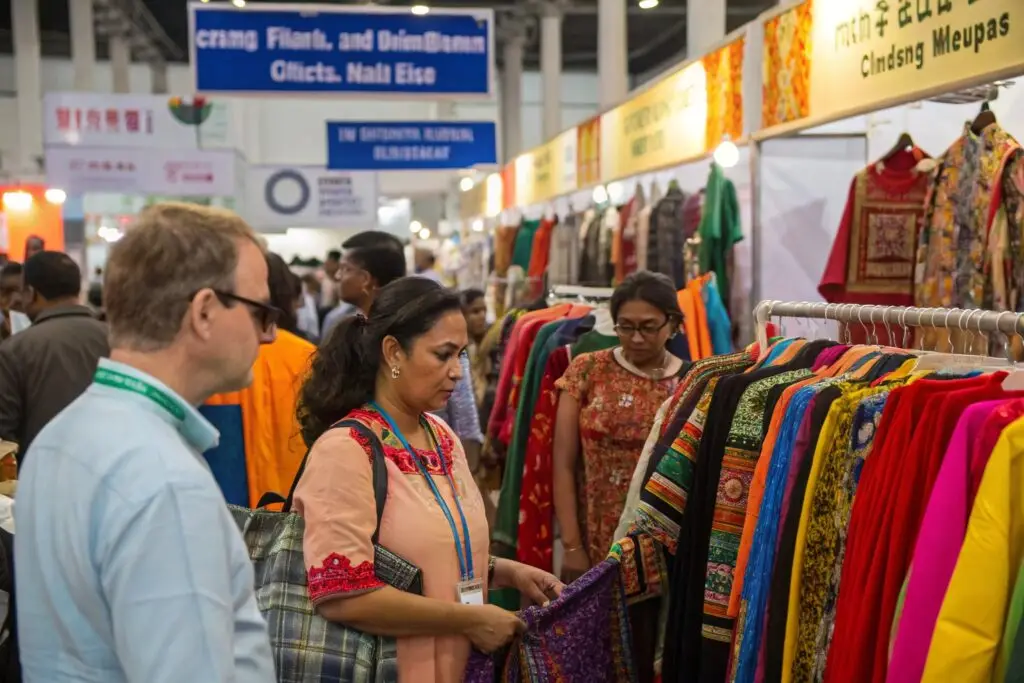
Yiwu Market4 in China is one of the largest wholesale markets in the world, offering everything from clothing to accessories at incredibly low prices. Its vast product range and affordable pricing make it a favorite among international buyers.
What Makes Dongdaemun Market5 Unique?
Dongdaemun Market in South Korea is known for its trendy and fast-fashion apparel. The market operates 24/7, allowing buyers to shop at any time. Its focus on the latest fashion trends makes it a popular choice for boutique owners.
Which Place Is Best for Wholesale Clothes?
The best place to buy wholesale clothes depends on your business needs, budget, and target market. Let’s explore the top options.
The best places for wholesale clothes include Asia (for affordability), Europe (for quality), and the US (for convenience). Each region offers unique advantages, so choose based on your priorities.
Why Is Asia a Popular Choice for Wholesale Clothes?
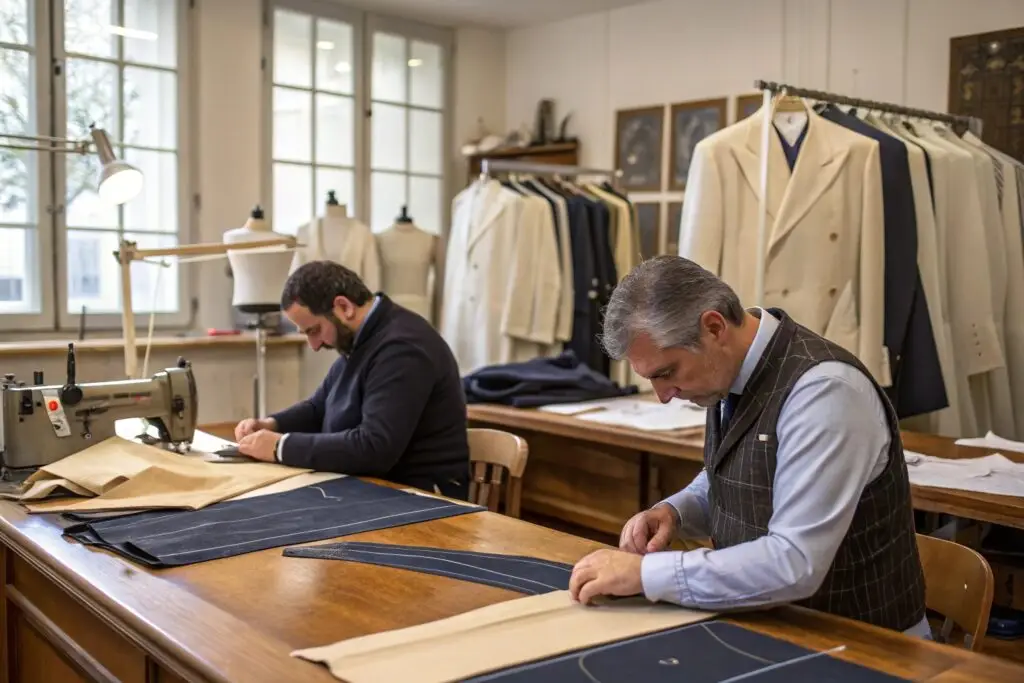
Asia, particularly countries like China, India, and Vietnam, is known for its affordable labor and production costs6. Suppliers like Fumao Clothing offer competitive pricing without compromising on quality7. If cost-efficiency is a priority, Asian suppliers are a great option.
What Makes European Suppliers Stand Out?
European suppliers are renowned for their high-quality products and sustainable practices8. Brands like Zara and H&M source from European manufacturers to ensure premium quality and ethical production. If your brand values sustainability and craftsmanship, consider European suppliers.
Where Do Most Clothing Stores Get Their Clothes?
Ever wondered where your favorite clothing stores source their inventory? Let’s uncover the secrets of the industry.
Most clothing stores source their clothes from a mix of manufacturers, wholesalers, and private-label suppliers. Large retailers often work directly with manufacturers, while smaller boutiques rely on wholesalers or online platforms.
How Do Large Retailers Source Their Clothes?
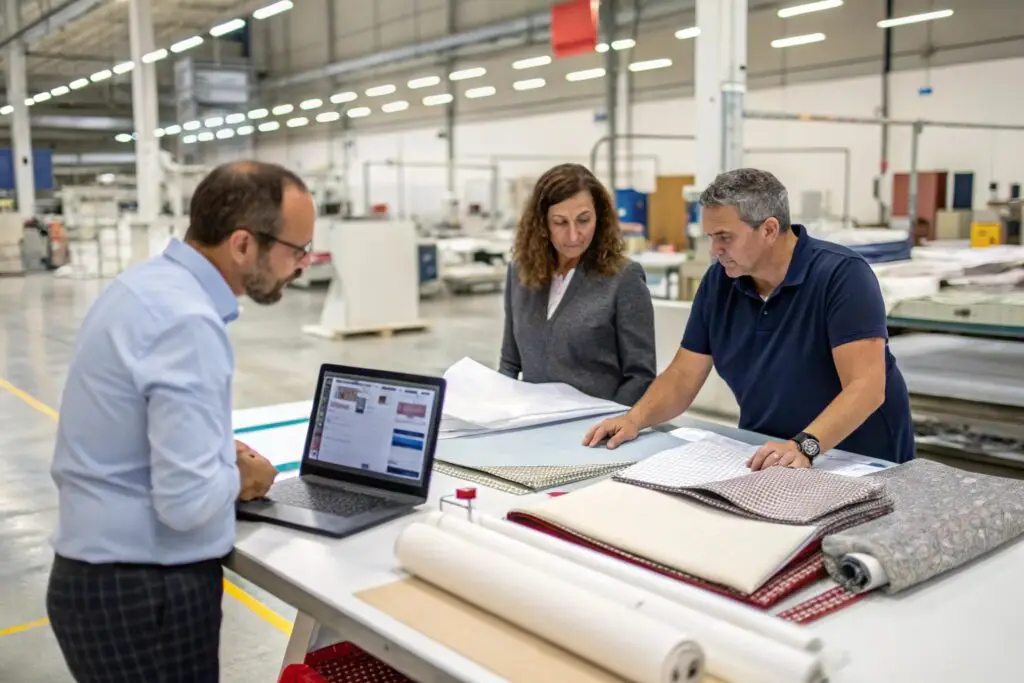
Large retailers like Walmart and Target often work directly with manufacturers to produce private-label collections9. This allows them to control costs, quality, and design. They may also source from multiple suppliers to diversify their inventory.
Where Do Small Boutiques Get Their Inventory?
Small boutiques typically rely on wholesalers or online platforms like Faire and Fumao Clothing. These platforms offer low minimum order quantities (MOQs)10 and trendy products, making them ideal for small businesses. Boutiques may also collaborate with local designers11 to offer unique, handmade items.
Conclusion
Finding the right wholesale clothing suppliers is essential for building a successful business. Whether you’re sourcing from Asia, Europe, or the US, or using online platforms like Alibaba and Faire, the key is to choose suppliers that align with your brand’s vision and goals. By focusing on quality, affordability, and trends, you can create a thriving clothing business.
-
Exploring this link will provide insights into how wholesale trade can enhance your business operations and profitability. ↩
-
This resource will explain buyer protection mechanisms, ensuring you make safe and informed purchasing decisions online. ↩
-
Understanding MOQs is crucial for small businesses to manage inventory and costs effectively; this link will clarify their importance. ↩
-
Explore the advantages of Yiwu Market, including its vast selection and low prices, perfect for wholesale buyers looking for great deals. ↩
-
Discover why Dongdaemun Market is a must-visit for fashion enthusiasts, with its trendy offerings and 24/7 shopping convenience. ↩
-
Explore this link to understand how affordable labor in Asia can significantly reduce production costs for businesses. ↩
-
Learn about strategies suppliers use to maintain quality while keeping prices low, crucial for smart sourcing decisions. ↩
-
Discover why European suppliers prioritize quality and sustainability, enhancing brand reputation and consumer trust. ↩
-
Understanding private-label collections can reveal how retailers maintain quality and control costs, enhancing your knowledge of retail strategies. ↩
-
Exploring MOQs can help you grasp how small businesses manage inventory and costs effectively, crucial for aspiring entrepreneurs. ↩
-
Learning about collaborations with local designers can inspire unique business models and foster community connections in retail. ↩