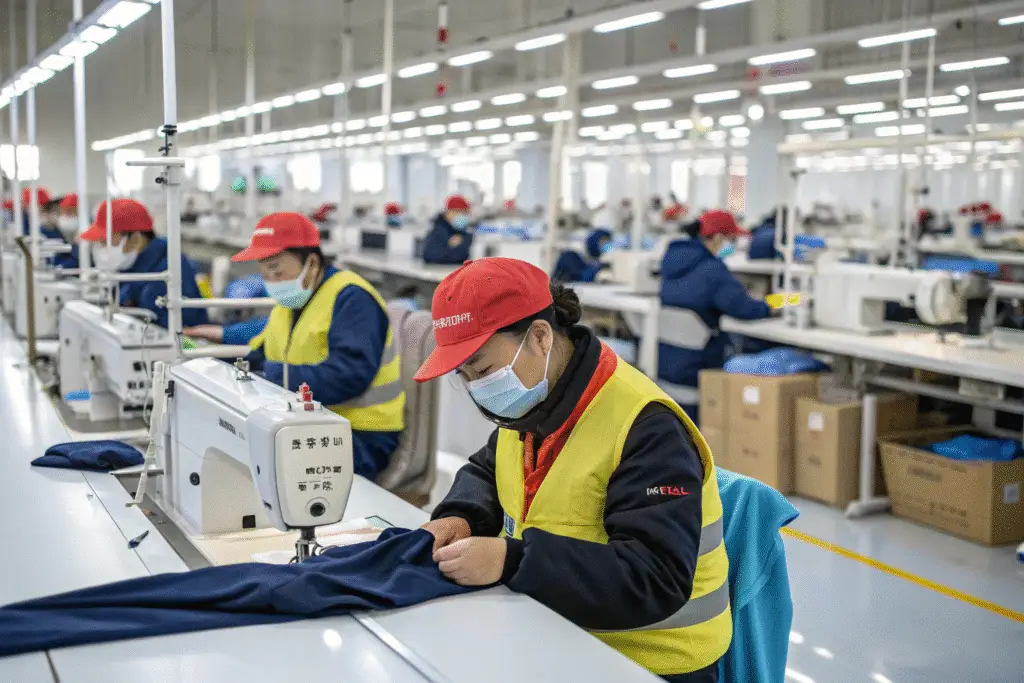
When you run a garment factory, every second, stitch, and shipment matters. If you don’t measure performance with the right metrics, you risk falling into costly delays, inconsistent quality, and missed delivery windows. U.S. apparel brands expect high standards, and without clear data, it’s impossible to meet them. The result? Lost trust and lost contracts.
The key metrics for garment factory efficiency are the benchmarks that keep your production lines running on time, at quality, and within cost. They cover output speed, quality rates, resource use, and delivery performance. Tracking these numbers isn’t just an internal exercise—it’s the language your buyers understand.
In my years managing Shanghai Fumao Clothing’s production lines, I’ve learned that these numbers not only reveal bottlenecks but also open the door to trust with international clients. Once you can prove efficiency with data, negotiation becomes easier, and repeat orders follow.
Production Output Rate
A factory can have the most modern machines, but if the output per hour is low, profitability suffers. For U.S. buyers, fast production is often a deciding factor in choosing a supplier.
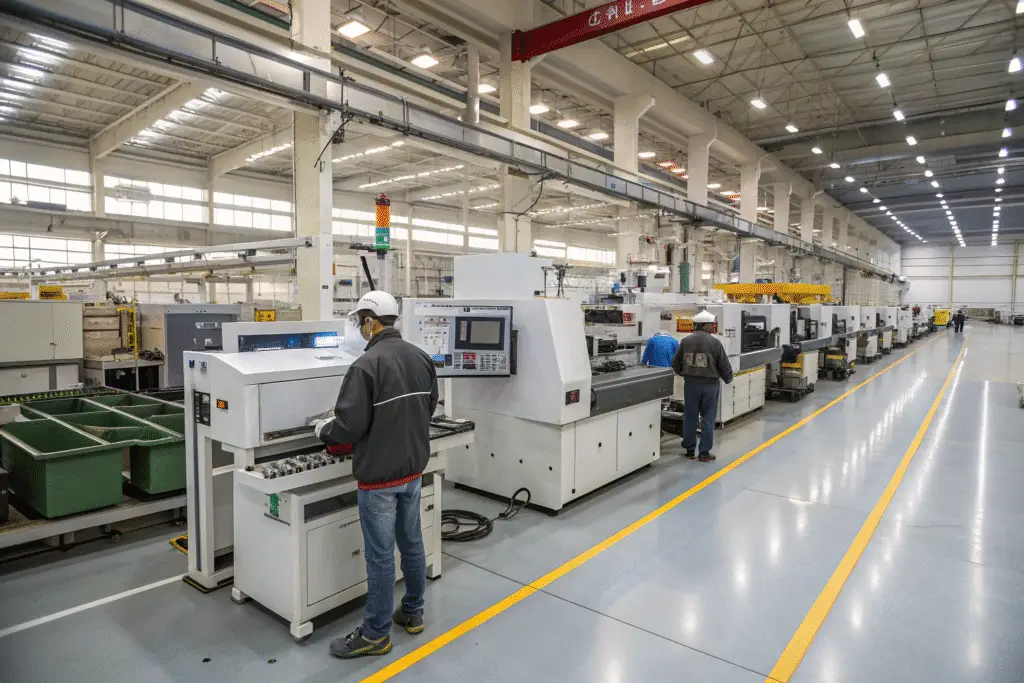
Production output rate measures how many finished garments are produced per machine or per worker in a set period. This metric gives a direct view of your production speed and allows you to forecast delivery times more accurately.
How Can We Calculate Output Rate Accurately?
Accurate measurement means defining time periods clearly—hourly, daily, or weekly—and logging completed pieces systematically. We use digital production tracking systems to ensure real-time data collection. Without automation, numbers can be skewed by human error, affecting planning accuracy.
Why Is Output Rate Vital For Client Confidence?
International buyers, especially from competitive markets like the U.S., want proof that you can meet their volumes without compromising quality. Presenting your consistent output rate during negotiations—supported by ERP manufacturing data—builds trust and positions your factory as a reliable partner.
First Pass Yield (FPY)
First Pass Yield (FPY) shows how many garments meet quality standards without rework. In a global apparel supply chain, a high FPY means fewer delays, lower costs, and happier clients.
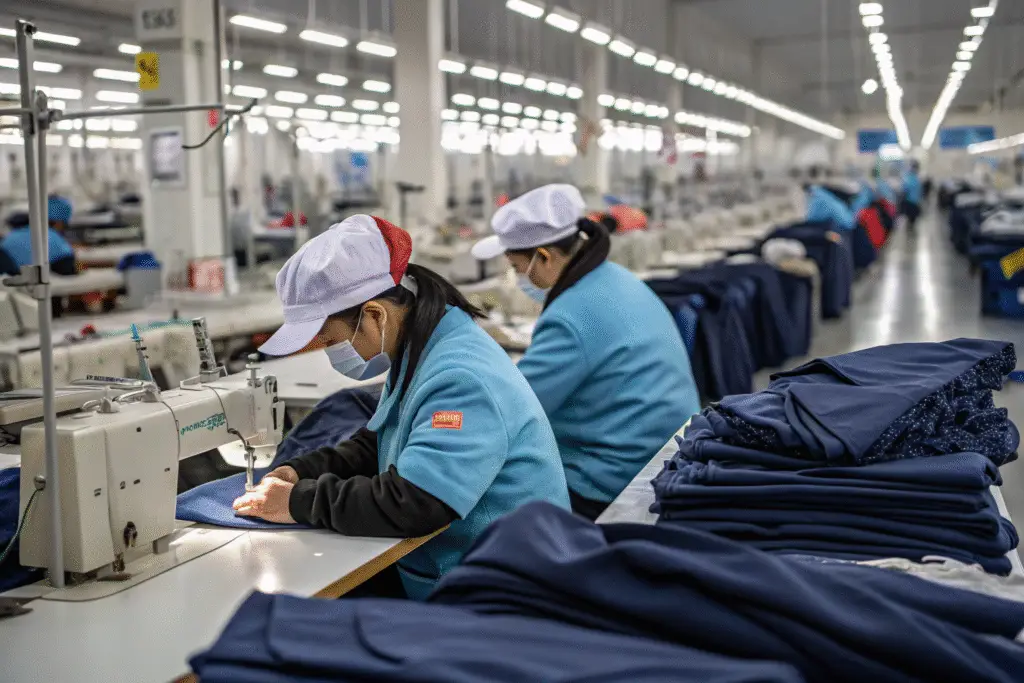
FPY is calculated by dividing the number of units that pass inspection the first time by the total units produced. For premium clients, a high FPY demonstrates craftsmanship and consistency.
How Can We Improve FPY Without Increasing Costs?
It starts with worker training and clear quality control guidelines. We standardize inspection checklists and use statistical process control to detect errors early. This way, we fix problems before they grow into costly rework.
What Does FPY Tell Buyers About Your Factory?
Buyers see FPY as a sign of process stability. A high FPY says your factory is disciplined and detail-oriented. This is especially important for fashion seasons where a single delay can mean missing an entire selling cycle, as highlighted by apparel supply chain studies.
On-Time Delivery Rate
Timely delivery is not just a promise—it’s part of your reputation. The on-time delivery rate measures how many orders are shipped by the agreed date.
The formula is simple: on-time shipments divided by total shipments. But achieving 100% is complex, involving production scheduling, raw material lead times, and logistics management.
How Do We Ensure Shipments Leave On Time?
We work with DDP shipping providers to control the delivery process from factory to client warehouse. Scheduling software allows us to coordinate production milestones and transport bookings efficiently.
How Does Delivery Performance Affect Buyer Retention?
Late shipments damage trust more than almost any other issue. According to retail operations research, even a small delay can cause buyers to reconsider suppliers, especially if the delay leads to lost retail sales.
Labor Efficiency
Labor is one of the largest costs in garment production. Labor efficiency measures how well work hours are translated into actual production output.
We calculate labor efficiency as standard hours produced divided by actual hours worked. High efficiency means your team is skilled, well-trained, and motivated.
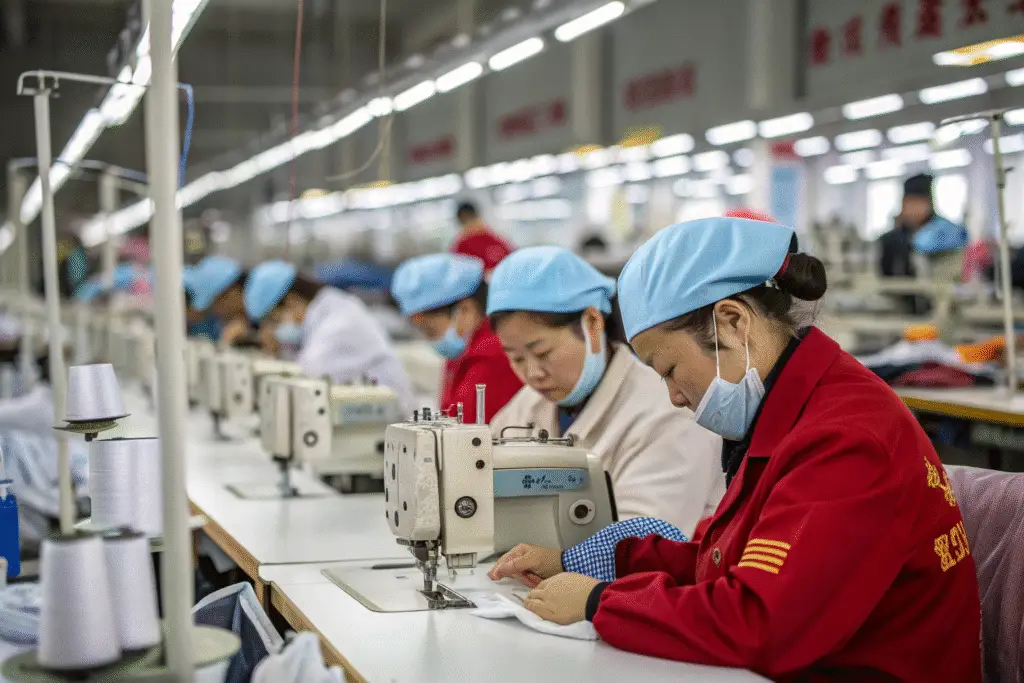
What Strategies Boost Labor Efficiency?
We use lean manufacturing principles to remove unnecessary steps and cross-train workers to handle multiple operations. This keeps workflow flexible when demand shifts between product lines.
Why Do Buyers Care About Labor Efficiency?
Efficiency affects pricing. Buyers who understand your high labor efficiency are more likely to accept your rates, knowing their orders are produced in a streamlined, cost-effective manner, as confirmed by global sourcing best practices.
Conclusion
Measuring factory efficiency with metrics like production output rate, First Pass Yield, on-time delivery, and labor efficiency gives you control over operations and a strong negotiating position with international buyers. In the fast-paced U.S. apparel market, these numbers are more than statistics—they are proof of your reliability and professionalism.
If you want a partner who can not only track but also deliver on these key metrics, we at Shanghai Fumao Clothing are ready to help. Contact our Business Director Elaine at elaine@fumaoclothing.com to discuss your custom apparel production needs.