Importing clothing from overseas isn’t just about great designs and competitive pricing — logistics can make or break your fashion brand. From port delays to customs holds and last-mile miscommunication, poor planning often leads to missed seasons, chargebacks, or worse: canceled orders.
For U.S.-based fashion importers, mastering logistics strategy means reducing costs, improving delivery accuracy, and keeping inventory aligned with retail windows. With global freight markets still volatile in 2025, proactive logistics is your competitive edge.
In this article, I’ll break down the most essential logistics strategies tailored to apparel importers — from shipping terms and warehouse choices to customs prep and freight consolidation.
Why Are Incoterms Like DDP and FOB Crucial for Apparel Imports?
Your Incoterms define who’s responsible for shipping, insurance, customs, and more.
Choosing the right shipping terms — like FOB vs DDP — gives fashion brands control over costs, risks, and lead times.

What’s the Difference Between FOB and DDP?
| Term | Responsibility | Buyer Risk | Use Case |
|---|---|---|---|
| FOB | Buyer handles shipping from port onward | Higher | Brands with logistics teams |
| DDP | Supplier delivers all the way to warehouse | Lower | Startups or small brands |
FOB (Free on Board) means you or your forwarder take control at the departure port.
DDP (Delivered Duty Paid) means your supplier manages everything — including customs, duties, and final delivery.
More U.S. fashion brands are switching to DDP shipping to avoid hidden costs and save time with reliable door-to-door service.
How Do You Choose the Right Term?
Use FOB if:
- You ship in high volume (multiple containers/month)
- You want pricing control over freight and customs
Use DDP if:
- You're testing new SKUs or small batches
- You want faster setup and easier landed cost calculation
At Fumao Clothing, we offer DDP shipping directly from China to U.S. warehouses, making logistics simple for startups and scale-ups.
How Can Fashion Importers Reduce Transit Delays?
Every delay means lost revenue — especially in fashion, where timing defines success.
To reduce shipping delays, importers must use buffer calendars, reliable forwarders, and season-aware planning.

What’s a Buffer Calendar and Why Does It Work?
A buffer calendar builds in safety margins. Here’s how:
- If ocean transit is 28 days, allow 35–40 days on paper
- If customs clearance takes 4 days, plan for 7
- Always allow 1 extra week for warehouse check-in
Tools like Flexport and Freightos offer real-time updates and help brands buffer timelines effectively.
Should You Use Sea or Air Freight for Apparel?
| Mode | Transit Time | Cost | Use Case |
|---|---|---|---|
| Air Freight | 3–7 days | High | Urgent seasonal items or samples |
| Ocean Freight | 25–40 days | Economical | Bulk orders, core collections |
Consider hybrid models like Air-Sea, where high-urgency styles fly in, while basics sail. This splits cost and speeds product launches.
What Customs and Compliance Strategies Prevent Delays?
Many apparel shipments are delayed not by weather — but by paperwork.
Smart importers avoid customs holds with pre-clearance documentation, correct HS codes, and supplier-side labeling discipline.

What Compliance Documents Are Required?
Every U.S. fashion shipment needs:
- Commercial Invoice
- Packing List
- Bill of Lading / Air Waybill
- Country of Origin Certificate
- Textile Declaration (Form 3227)
For synthetic or mixed-content items, correct HTS codes are critical — see USITC's database.
If shipping to California or targeting kidswear, ensure compliance with:
- CPSIA
- Prop 65
- Flammability regulations
Use pre-alerts with your forwarder or customs broker to clear faster.
What Happens if Compliance Is Missed?
- U.S. CBP may hold or seize goods
- You may be charged for demurrage or storage
- Retailers may cancel orders due to late delivery
That’s why we at Fumao Clothing include pre-customs document review and label validation for every DDP order.
How Do Consolidation and Fulfillment Improve Apparel Logistics?
Shipping smarter means combining forces — not just containers.
Freight consolidation and strategic fulfillment reduce cost-per-unit and improve inventory flow.
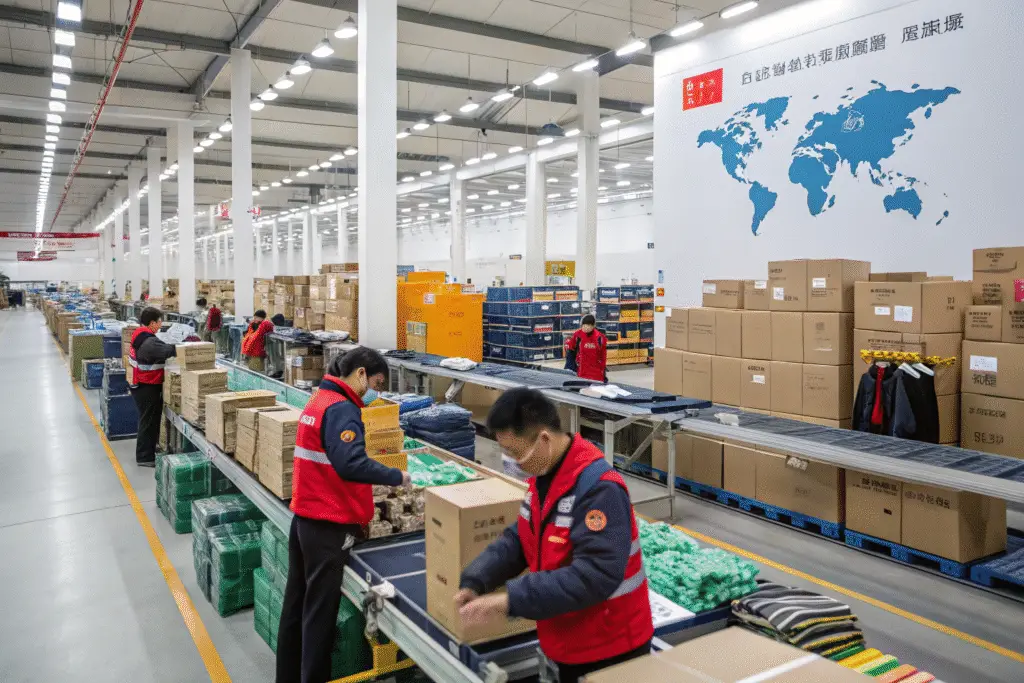
What Is Freight Consolidation?
Instead of shipping separate cartons from multiple factories, you:
- Send all goods to a consolidation hub (e.g. Guangzhou)
- Combine into one container or air freight shipment
- Clear customs and distribute by zone
This works well if you’re:
- Producing multiple styles across factories
- Sourcing accessories and apparel together
- Managing influencer or dropship capsules
Learn more about LCL vs FCL shipping for fashion brands.
How Do 3PLs Help Fashion Brands Scale?
3PLs (third-party logistics providers) handle:
- Labeling
- Storage
- Pick & Pack
- Returns
By using a U.S.-based 3PL, you can keep inventory stateside and ship to retailers, marketplaces, or DTC customers faster.
At Fumao, we partner with logistics hubs in Los Angeles and New Jersey for fast East/West Coast distribution.
Conclusion
Smart logistics is the invisible engine behind every profitable fashion brand. Whether it’s choosing the right Incoterm, buffering your calendar, preparing for customs, or consolidating shipments — every detail matters. And in 2025, the best brands aren’t just stylish — they’re logistically optimized.
At Shanghai Fumao Clothing, we don’t stop at manufacturing. We offer complete DDP apparel logistics support, from China to your U.S. warehouse — with transparency, compliance, and cost control built in.
Email our Business Director Elaine at elaine@fumaoclothing.com to streamline your apparel import strategy today.