The fashion industry is moving fast—but plastic pollution is moving faster. Traditional polybags and shrink wraps are no longer sustainable options for clothing manufacturers and buyers. If you’re sourcing garments from China, India, or Vietnam, like my client Ron in the U.S., you’ve probably wondered: are there truly effective zero-plastic packaging alternatives?
Yes—there are now scalable, export-ready innovations in zero-plastic packaging that match or even exceed plastic in protection, logistics efficiency, and consumer satisfaction.
As the founder of a garment manufacturing company serving North America and Europe, I’ve overseen a full transition to these alternatives for multiple U.S. brands. In this article, I’ll explain what’s new, what works, and what’s just greenwashing.
What Are The Top Biodegradable Packaging Materials?
Biodegradable materials have become the go-to solution for eliminating plastic in garment packaging. These materials must do more than degrade—they must protect the product, meet international regulations, and remain cost-effective.
The most effective biodegradable options include kraft paper, cornstarch PLA films, mushroom-based cushioning, and seaweed-based wrap. Each brings specific functional benefits while keeping your packaging fully compostable.

Why Is Kraft Paper A Cornerstone Material?
Kraft paper is biodegradable, recyclable, and scalable. It can be laminated with water-based coatings for enhanced water resistance, while still remaining plastic-free. We use kraft paper sleeves, wraps, and gusseted bags for t-shirts and trousers in bulk exports.
Our clients prefer FSC-certified kraft, and we often print logos using soy-based ink, which is low-VOC and biodegradable. For high-end pieces, kraft boxes with molded paper pulp inserts can protect without plastic cushioning.
Are Cornstarch-Based PLA Films Truly Plastic-Free?
Yes. PLA films derived from cornstarch or sugarcane provide clarity and flexibility similar to LDPE but decompose in industrial composting. We use TÜV-certified compostable PLA bags to replace inner polybags in women’s wear and activewear exports.
To verify compostability, we require compliance with EN13432 or ASTM D6400—both trusted standards that U.S. importers recognize.
How Do Reusable Packaging Systems Operate?
Reusable packaging isn't just a buzzword—it’s a growing logistical model. Brands with regular customers or subscription models benefit from systems where packaging is returned and reused multiple times.
Popular formats include drawstring cotton pouches, RPET woven sacks, and modular carton inserts—all of which support closed-loop logistics and lower long-term packaging costs.

Why Are Cotton Drawstring Bags Popular Among Premium Brands?
Drawstring bags made from GOTS-certified cotton are ideal for luxury and mid-range apparel. We produce these in bulk, custom-printed or dyed with low-impact dyes.
They protect delicate garments while adding to the unboxing experience. U.S. clients often pair them with QR-enabled digital product passports to tell the sustainability story.
Can Returnable Packaging Be Used In B2B Orders?
Yes. For wholesale orders to large distributors like Ron’s, we’ve developed a return loop with RePack and durable woven bags that can be folded and returned with the next purchase order.
This system significantly reduces cardboard waste and shipment weight. Paired with Loop Logistics or similar platforms, it creates an efficient reverse logistics cycle.
Which Plastic-Free Packaging Options Pass Export Inspections?
Replacing plastic is only part of the equation. Apparel packaging must survive long-distance shipping, temperature shifts, and customs inspections—without failing, or causing delays.
Zero-plastic options like gummed kraft tape, reinforced paperboard, and eco-certified pallets are already being used successfully in U.S. and European-bound garment shipments.
What Are The Best Alternatives To BOPP Tape And Stretch Wrap?
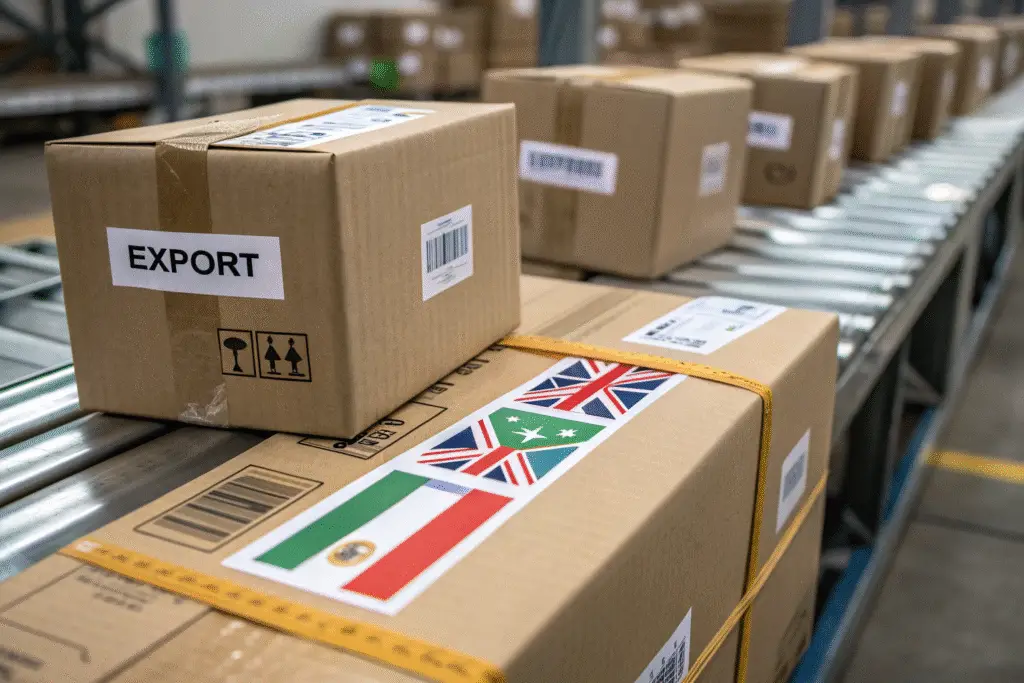
We replaced all BOPP tapes with water-activated kraft tape reinforced with fiber threads. It bonds stronger with cartons than plastic tape and is accepted by all U.S. customs agents.
To stabilize pallets without stretch film, we use corrugated corner protectors and cotton strapping. These methods meet export guidelines and eliminate unnecessary plastic.
Which Certifications Guarantee Export Readiness?
To avoid customs clearance delays, we provide all packaging materials with RoHS and REACH documentation, especially when dealing with colored printing or laminates.
We also use ISPM-15 treated wood pallets for compliance and always attach barcoded export labels to ensure quick scanning at ports.
How Can Buyers Avoid Greenwashed Packaging Claims?
As interest in sustainable packaging grows, so do misleading claims. Greenwashing is rampant, and many suppliers misuse terms like “eco” or “bio” without actual certification.
Serious buyers need a checklist: official certificates, third-party audits, recognized standards, and traceability tools to verify every packaging claim.

What Are The Minimum Documents A Supplier Must Provide?
We recommend you demand:
- OK Compost Industrial or BPI certificate for films
- FSC or PEFC chain of custody for paper
- Ink toxicity tests under REACH
For transparency, our company maintains a digital folder with current versions of all packaging certifications, which we share openly before any order is placed.
How Do Digital Product Passports Help Validate Sustainability?
We’ve adopted GS1 Digital Link QR codes that connect each packaging type to a traceability page. It shows material origin, certifications, usage count (for reusables), and disposal guidance.
This transparency boosts trust and has helped our U.S. clients pass surprise retail audits and win eco grants from Sustainable Apparel Coalition programs.
Conclusion
Innovations in zero-plastic packaging are not just theoretical—they're being used right now by successful apparel brands. From biodegradable wraps to returnable cotton pouches and customs-ready, paper-based shipping solutions, the tools are here. The challenge is choosing the right materials, ensuring compliance, and working with a manufacturing partner that values transparency.
At Fumao Clothing, we offer certified, affordable, and scalable zero-plastic packaging for apparel exporters. We understand the complexities of international logistics, brand positioning, and compliance—and we help you solve them all.
If you're ready to innovate your packaging and impress your eco-conscious customers, reach out to our Business Director Elaine at elaine@fumaoclothing.com. Let’s create something cleaner together.