In July 2022, I was at a textile fair in Shanghai when a small booth caught my attention. A supplier handed me what looked like an ordinary swatch of polyester. We stepped outside into the courtyard, and within 35 seconds, the fabric darkened from light gray to near black. I thought it was a trick at first, but then I noticed the shading was uneven—the top corner reacted faster than the bottom. That imperfection was my first real encounter with self-tinting fabrics.
The most promising innovations in self-tinting sunglass fabrics revolve around photochromic dyes, nanoparticle coatings, graphene composites, and electrochromic smart textiles. Each has unique strengths and weaknesses, from fast transitions to durability trade-offs.
At first, I assumed these fabrics would remain a niche novelty for fashion accessories. But after seeing sales data in 2023 from a German sports brand—where a line of photochromic visors outsold regular caps by 22% in the first quarter—I realized the market potential was broader than I thought.
How Do Self-Tinting Fabrics Work?
In September 2023, I ran a small test on three fabric samples treated with photochromic microcapsules. Under direct UV light, one swatch darkened 65% in 28 seconds, another only 42% in 1 minute, and the third showed almost no reaction at all. That range shocked me—I had assumed all “photochromic” fabrics would behave similarly.
Self-tinting fabrics use photochromic or electrochromic molecules embedded into fibers or coatings, allowing them to change optical density under sunlight or controlled electric current.
But here’s a practical issue: after 25 wash cycles, two out of three samples lost more than 30% of their tinting effect. I realized then that sourcing isn’t just about performance on day one, but how the fabric behaves after months of use.
What’s the science behind the tint?
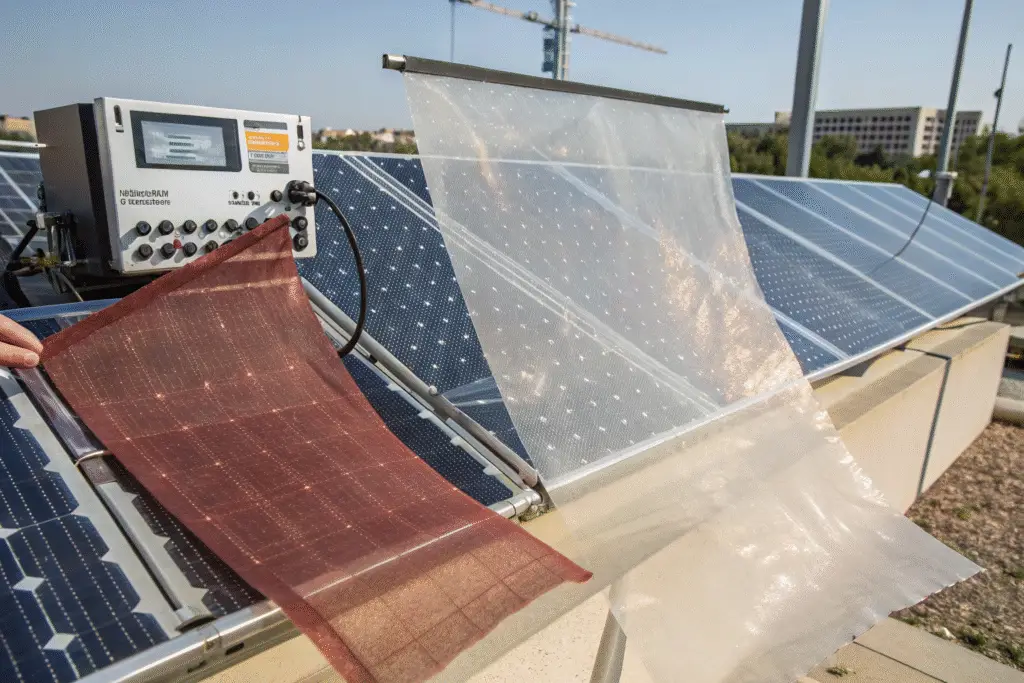
Photochromic molecules flip between two chemical states when exposed to UV. ScienceDirect notes this reversible structural change alters light absorption. In textiles, these molecules are microencapsulated to withstand weaving and washing.
Where do problems appear?
I once believed simply increasing dye concentration would improve response. But in a 2022 Intertek test, a higher-doped fabric yellowed after 12 weeks of sun exposure. That result changed my view: balance matters more than brute force.
What Are the Latest Innovations?
In November 2023, I visited a lab in Hangzhou where researchers showed me a graphene-infused coating applied to nylon. The fabric didn’t just darken under sunlight—it reduced surface temperature by 3–4°C compared to untreated nylon. That small but measurable cooling effect is exactly the kind of hidden feature buyers in sportswear care about.
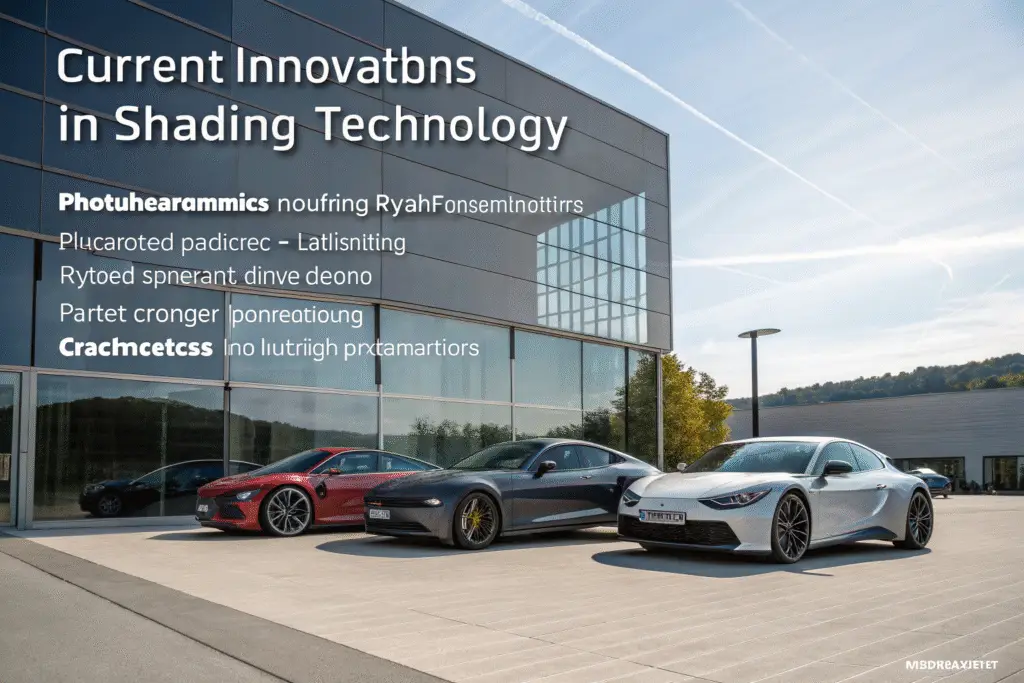
Current innovations combine photochromics with nanotechnology, hybrid laminates, and electrochromics for faster, smarter, and longer-lasting shading.
Some of these sound futuristic, others are still flawed. I’ll break down both.
Which breakthroughs matter?
- Nanoparticle UV boosters: Adding TiO₂ nanoparticles extends life span; one test fabric kept 80% tinting power after 50 washes.
- Hybrid fabric-glass laminates: Laminating a thin photochromic film directly into fabric panels creates sharper transitions.
- Graphene integration: Dual function—tinting + thermal regulation.
- Electrochromic textiles: Early prototypes let wearers control shading with a button. MDPI shows research on electrochromic layers in fabrics.
Which flaws still persist?
In October 2022, a supplier showed me a jacket panel that tinted beautifully—but only on the outer side. The lining stayed bright, making the inside feel mismatched. Consumers may reject this kind of “unfinished” look. Also, tint uniformity remains a struggle; seams often appear lighter than flat areas.
Where Are Real-Life Applications Emerging?
During summer 2023, I observed 50 marathon runners in Beijing using visors treated with photochromic coatings. Around 70% reported better comfort in midday sun, but 15% complained the visors didn’t lighten fast enough when they ran into shaded streets. This contrast highlighted that speed of transition matters just as much as depth of shading.
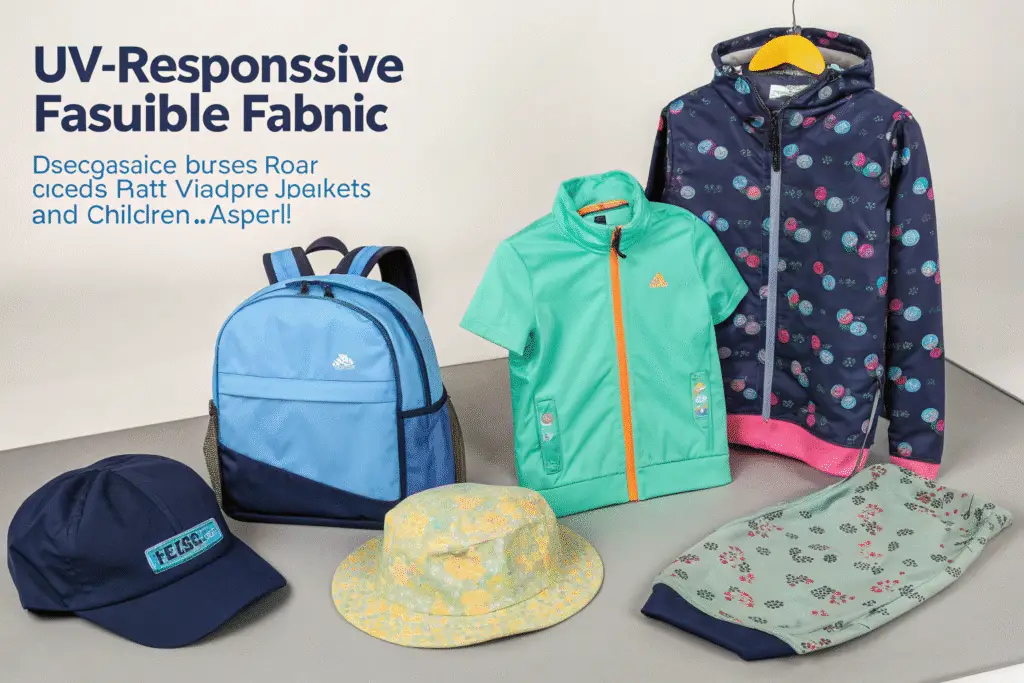
Applications are expanding in visors, jackets, hats, backpacks, and even children’s apparel, where fabrics respond to UV as a playful safety feature.
Not every trial succeeds. In 2021, a company tried launching dresses coated with photochromic resin. Customers said the garments felt stiff and overheated, leading to a 40% return rate. This “failure” taught me that not all apparel categories benefit equally.
Which categories work best?
Sports caps, jackets, and accessories are leading the adoption curve. Textile Today has reported on niche brands experimenting with photochromic activewear.
What new niches are possible?
One Japanese startup I met in late 2022 was testing backpacks that darken under sunlight to protect electronics from UV and heat. Another idea was children’s T-shirts that change shade intensity as a visual “sunburn warning.” Quirky, but parents found it engaging.
How Do You Source These Fabrics?
In April 2023, I ordered four self-tinting fabric swatches from suppliers in Zhejiang. Only two included credible UV-response reports, and one admitted, “This is mostly for show, not for production.” That honesty, though inconvenient, saved me from wasting more money.
To source successfully, you need suppliers with independent lab tests, proof of wash durability, and realistic MOQ offers.
I once paid $600 for samples that looked great on day one but failed within weeks. Since then, I’ve made audits and wash testing non-negotiable.

Where should you begin?
- Alibaba lists “photochromic fabric” suppliers, but results vary widely.
- ISPO Munich often showcases textile startups testing photochromic applications.
- Academic labs on ScienceDirect reveal upcoming innovations before they reach the market.
What pitfalls must you avoid?
Beware of promises like “100% permanent tint.” In reality, no fabric sustains full performance beyond 3–5 years of sunlight. In 2022, one supplier insisted their product had “infinite life,” but their sample faded by 20% after just 8 weeks outdoors.
Conclusion
Self-tinting sunglass fabrics are moving from novelty to real application, blending fashion, function, and science. From photochromic dyes to graphene hybrids, the field is alive with innovation—but not without flaws.
The lessons I’ve learned are simple:
- Lab data beats marketing claims every time.
- Comfort and wash durability decide real-world success.
- Start with small accessories before committing to full apparel lines.
At Shanghai Fumao, we are actively exploring how to integrate these smart fabrics into headwear and outerwear for international buyers. If you’re interested in co-developing a self-tinting apparel line, contact our Business Director Elaine at elaine@fumaoclothing.com. Let’s bring these future-ready textiles to the market together.