In times of disaster, the immediate concerns for most people revolve around food, clean water, and a safe place to stay. Yet, another urgent necessity often overlooked is clothing. Survivors without proper garments can be left vulnerable to cold, heat, or physical harm. To address this gap, scientists and designers have proposed an unusual but promising idea: edible emergency clothing. These garments are crafted from food-grade, biodegradable resources that not only provide physical coverage but may also serve as a backup nutrition supply when no other option exists. This concept brings together innovations in material science, survival strategies, and sustainable design.
Edible emergency clothing refers to apparel made with consumable raw materials that can shield the body in a crisis and, if required, function as an energy source. By merging expertise from textile research with food technology, such clothing attempts to enhance survival rates while also reducing waste.
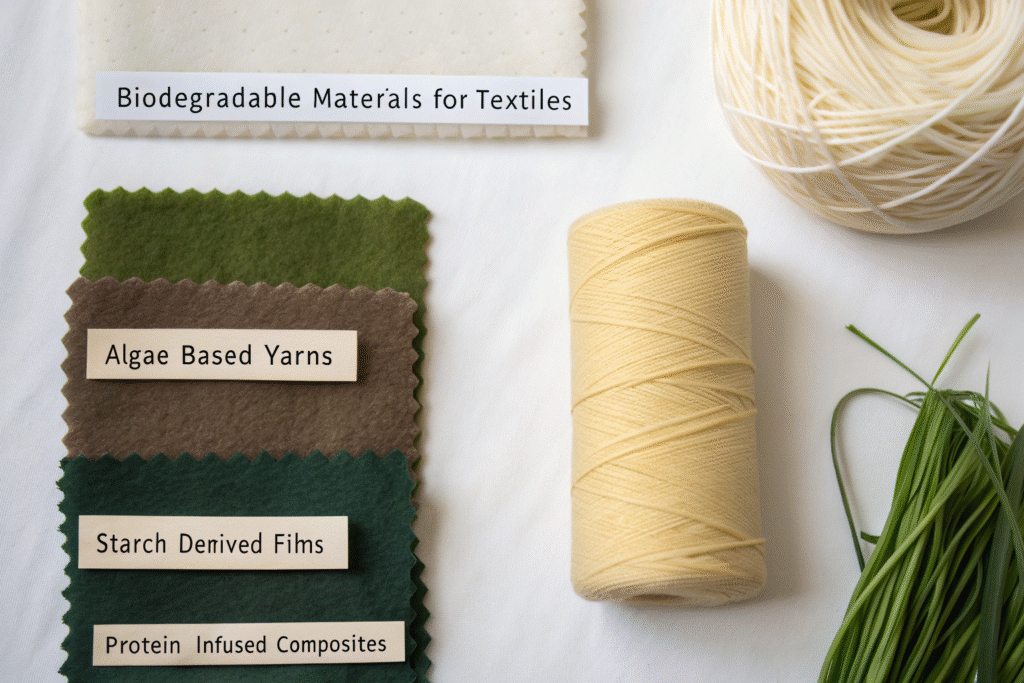
Although the thought of eating your clothes may sound futuristic, the foundation is already visible in advancements in biodegradable polymers, algae-based yarns, starch-derived films, and protein-infused composites. These breakthroughs indicate that edible textiles may soon evolve from speculative ideas to practical survival tools.
How Does Edible Emergency Clothing Work?
The idea functions on a dual-purpose principle: first, protect the body; later, provide sustenance if no food is available. The materials chosen for production originate from edible inputs such as starch, algae, or protein, which can be reprocessed into fiber-like strands or flexible films resembling fabric. For instance, rice starch can be transformed into thin layers similar to cloth, while seaweed-based alginate can be spun into threads suitable for weaving.

What Materials Are Typically Used?
Several edible raw materials have been developed for this application:
- Starch composites: Derived from corn, rice, or potato, these can be pressed into thin, pliable sheets.
- Algal filaments: Extracted from seaweed, offering both nutritional content and structural stability.
- Protein sheets: Using soy or milk proteins, turned into edible yet resistant films.
- Fruit leathers: Dehydrated fruit puree forming colorful, protective layers.
The innovation borrows ideas from sustainable food packaging, where edible films are already in experimental use. For example, FoodNavigator reports how starch and protein films are being adapted in food wrapping. Likewise, Material District introduces hybrid materials blending edibility and textile applications.
How Is Strength Balanced With Edibility?
One of the central challenges lies in ensuring the garment does not fall apart when exposed to rain or perspiration, yet remains edible. Solutions include applying protective edible coatings such as beeswax or plant-based resins. These barriers shield the fabric from early degradation. Designers are also testing modular structures, in which specific panels remain edible while others provide durability. This layered method ensures both clothing function and food security.
Why Are These Innovations Significant For Relief Efforts?
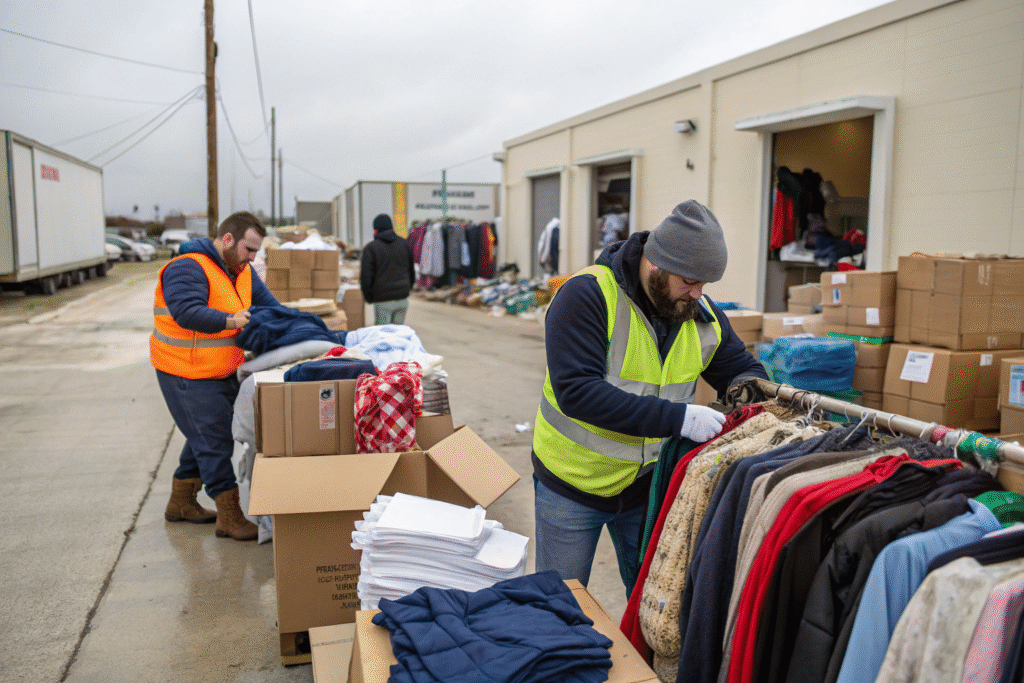
In zones hit by disaster, relief shipments often face unpredictable obstacles. Food and clothing distribution may suffer delays, spoilage, or limited storage space. Garments that serve dual roles—clothing and food—offer a creative solution to such logistical difficulties.
Could Edible Clothing Lower Relief Costs?
Potentially, yes. Instead of shipping garments and nutritional supplies separately, aid groups could distribute a combined product. This integration reduces freight volume, speeds up delivery, and minimizes discarded materials. Agencies like the World Food Programme have experimented with high-density nutrition bars, which demonstrate how multifunctional resources can increase survival outcomes. A review on ReliefWeb further notes that survival kits combining multiple functions often have a higher impact during emergencies.
Does It Enhance Sustainability?
Indeed, disposable apparel used in crisis contexts usually ends up as waste. By contrast, edible fabrics biodegrade quickly, preventing accumulation in landfills and ecosystems. Since many of the core ingredients—such as algae, starch, or plant proteins—are renewable, scaling production is less environmentally damaging. These features connect closely with UN Sustainable Development Goals, particularly goals linked to responsible production and climate action.
How Does Technology Support The Development?
Technological innovation plays a critical role in converting edible matter into fabrics that resemble conventional garments. Food technologists and materials scientists collaborate to advance biopolymer processing, digital fabrication, and natural preservation coatings.

In What Ways Is 3D Printing Applied?
3D food printing has enabled precise layering of edible polymers to create meshes and textures that act like textiles. Such control makes it possible to tailor the garments to varying climates and body types. Research highlighted by 3D Printing Industry demonstrates how additive manufacturing of edible matter is moving beyond novelty into areas of functionality.
What Advances Exist In Protective Coatings?
Another significant line of research involves edible nano-coatings, for example those made from chitosan, a substance obtained from shellfish. These coatings inhibit microbial growth and provide moisture resistance, ensuring the garments remain safe until consumed. This crossover of food safety technologies with textile applications represents a crucial step in making edible clothing usable in the field.
What Lies Ahead For Edible Emergency Clothing?
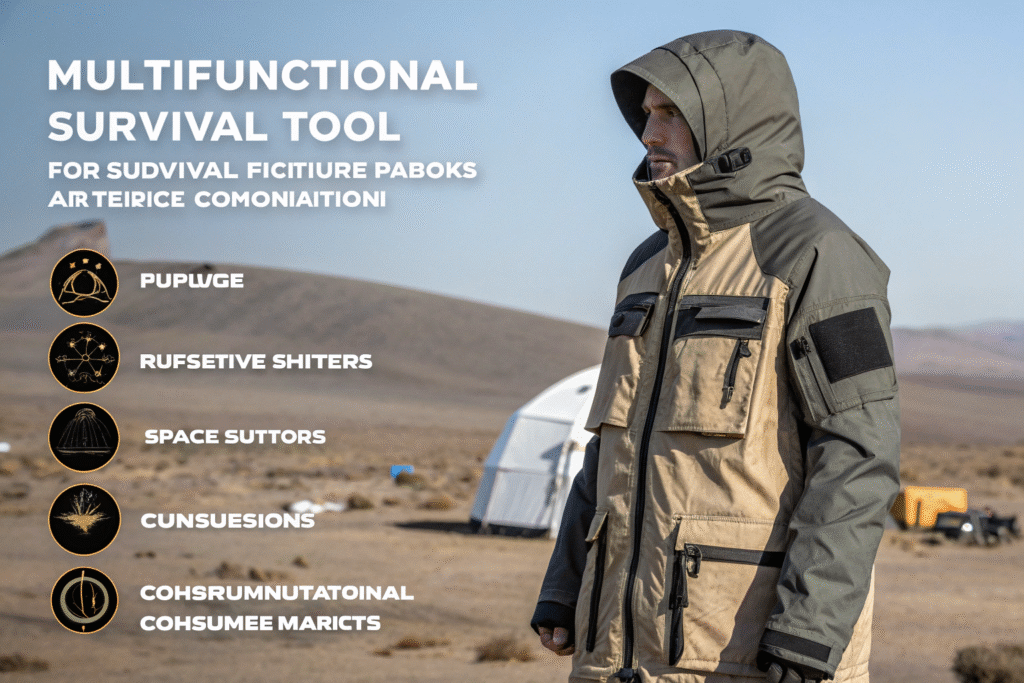
Although the idea is still in a trial phase, the potential for survival packs, refugee shelters, space missions, and environmentally aware consumer markets is undeniable. It encourages us to rethink clothing not simply as fashion, but as a multifunctional survival tool.
Might It Enter Commercial Use?
It is unlikely that edible textiles will replace everyday apparel. However, they may be adopted in specialized areas such as outdoor expeditions, humanitarian kits, or military gear. For example, a hiker could carry an edible rain poncho that doubles as emergency nourishment.
What Ethical And Social Issues Arise?
Acceptance could vary across cultures. Some communities may find the idea of eating clothes unacceptable. There is also concern that aid providers might overly depend on such garments, reducing traditional food rations. Therefore, widespread application requires thorough testing, ethical evaluation, and cultural sensitivity to ensure balanced usage.
Conclusion
Edible emergency clothing highlights a fascinating intersection of survival science, food technology, and sustainable design. These garments, combining protection and nourishment, could transform how aid is delivered in disaster-prone regions. By leveraging renewable resources, innovative coatings, and food-grade textile methods, this concept could significantly contribute to both humanitarian efficiency and environmental responsibility.
For disaster relief professionals, outdoor survivalists, and sustainability advocates, edible textiles represent more than a curiosity. They stand as an emerging solution that may change how we prepare for and respond to crises in the future.