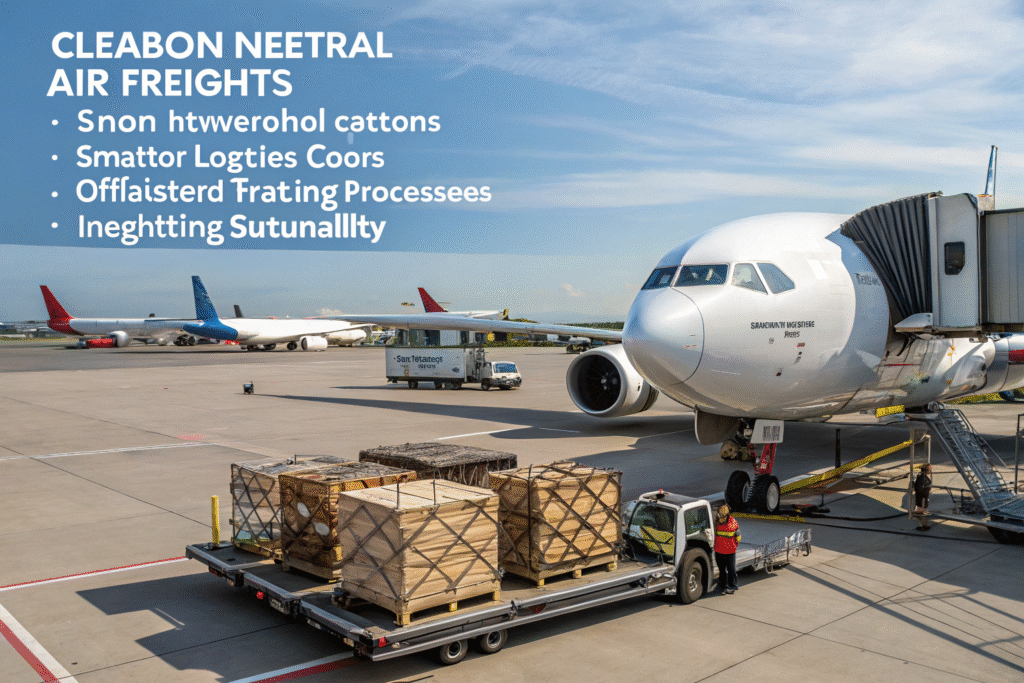
Air freight has always been the fastest way to move products across borders. The downside is its large carbon footprint. With more pressure to cut emissions, airlines and logistics companies are finding new ways to balance speed with sustainability. Recent innovations in carbon-neutral air freight focus on cleaner fuels, smarter tracking, efficient logistics, and credible offset programs.
Working in exports and supply chains, I’ve watched how these changes help brands keep deliveries on time while showing responsibility for the environment. Let’s look at the most important developments.
How does sustainable aviation fuel cut emissions?
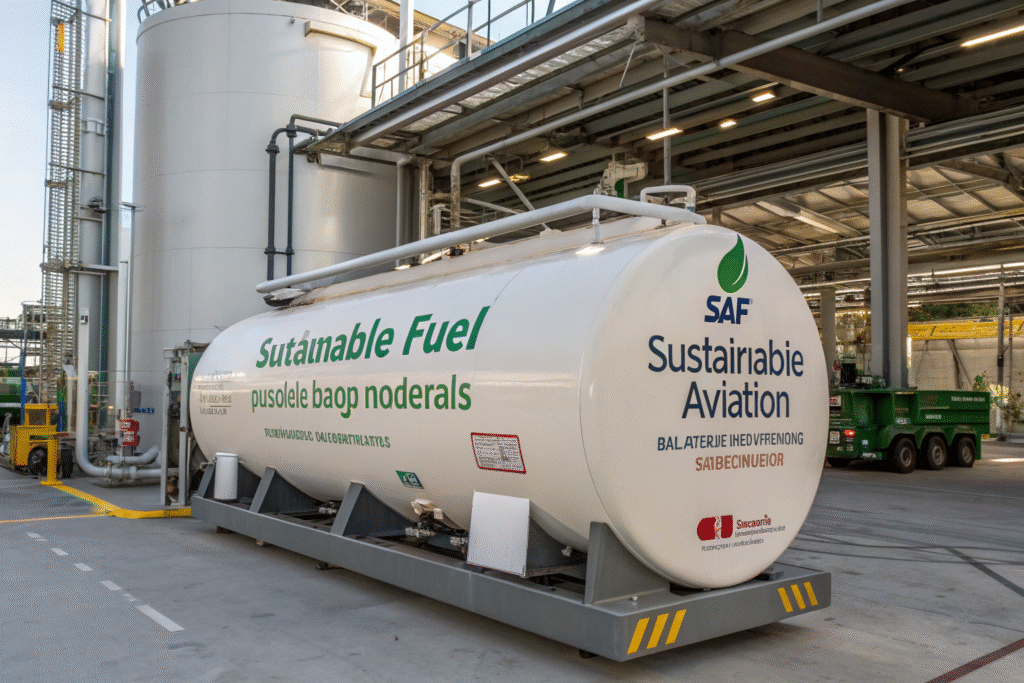
One of the biggest steps forward is sustainable aviation fuel (SAF). It’s produced from bio-based materials or recycled waste instead of crude oil.
Using SAF can reduce life-cycle emissions by as much as 80% compared with standard jet fuel.
Why is SAF effective?
SAF works in the same engines as regular jet fuel. The International Air Transport Association explains that airlines can switch without major technical changes.
Who is already using SAF?
Carriers like Lufthansa Cargo and KLM Cargo are already investing in SAF for their fleets.
How can digital tools track carbon output?
Digital platforms now give airlines and shippers real-time data on fuel use and emissions.
These systems calculate fuel burn, suggest route changes, and highlight ways to cut waste.

What role does AI play?
AI can model flight paths and weather to save fuel. MIT Technology Review notes that predictive flight planning has already lowered emissions for several major airlines.
Why does transparency matter?
Customers want proof. Smart Freight Centre shows how verified data builds trust and helps meet regulations.
What logistics strategies make operations greener?
Carbon savings don’t stop at the aircraft. Logistics on the ground also matter.
Key changes include consolidated shipments, electric support vehicles, and automated warehouses that reduce idle time.

How does consolidation help?
Smaller shipments are combined into one larger load to maximize cargo space. DHL Global Forwarding calls this one of the most direct ways to cut waste.
What about airport operations?
Airports are moving to electric service vehicles and renewable-powered systems. Airports Council International reports that more hubs are aiming for net-zero ground operations.
Can offsets make air freight carbon-neutral?
Fuel and logistics improvements reduce emissions, but they don’t erase them. Offsetting covers the gap.
Offsets come in the form of reforestation, renewable energy projects, and certified carbon credits.

Are offsets trustworthy?
Yes—if they are verified. Verra and Gold Standard certify projects to make sure they deliver real climate benefits.
Which carriers offer offset options?
Companies like FedEx and UPS give customers the choice to balance freight emissions with certified offset programs.
Conclusion
Carbon-neutral air freight is becoming more realistic every year. With sustainable fuels, real-time tracking, better logistics, and credible offsets, the industry is learning how to keep speed without sacrificing responsibility.
At Shanghai Fumao, we know logistics is as critical as production. Our exports partner with eco-focused carriers to reduce shipping impact. If your brand wants both reliable apparel manufacturing and greener freight solutions, reach out to our Business Director Elaine at elaine@fumaoclothing.com. Together, we can move fashion forward—fast and sustainable.