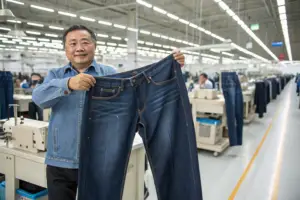
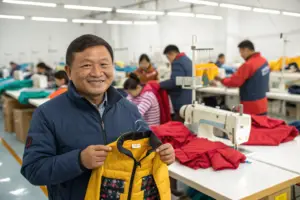
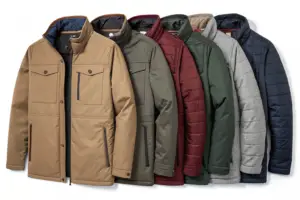
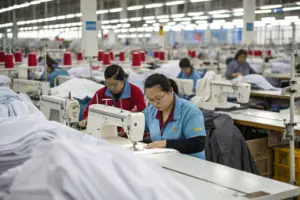
Canada has a thriving clothing industry, with manufacturers specializing in everything from luxury fashion to sustainable apparel. But which manufacturers offer the best quality, pricing, and reliability? Finding a trustworthy clothing manufacturer is key to building a successful brand.
Some of the top clothing manufacturers in Canada include WS & Co., Redwood Classics, and Jerico. These companies specialize in premium, sustainable, and ethically produced garments. Canada’s manufacturers focus on high-quality craftsmanship, eco-friendly production, and locally sourced materials.
Sourcing clothing manufacturers in Canada requires understanding production costs, supply chains, and industry standards. Let’s explore the best brands, costs, and manufacturing hubs in the country.
What is the top clothing brand in Canada?
Canada is home to several well-known clothing brands that dominate both domestic and global markets. But which one stands out as the best?
Roots, Canada Goose, and Lululemon are among Canada’s top clothing brands. They are known for their quality, durability, and strong brand identity. These companies have successfully expanded beyond Canada, becoming globally recognized fashion leaders.

What makes Canadian clothing brands successful?
Top Canadian brands share key characteristics:
- High-Quality Materials1: Brands prioritize premium fabrics like merino wool and down insulation.
- Strong Brand Identity: Many Canadian brands promote a rugged, outdoor lifestyle.
- Sustainability Focus2: Ethical production and eco-friendly materials set them apart.
- Innovation in Design3: Companies invest in technology to improve performance wear.
How do the top Canadian brands compare?
Here’s a look at the leading Canadian clothing brands:
| Brand | Specialty | Global Reach |
|---|---|---|
| Lululemon | Athleisure & Yoga Wear | Global |
| Canada Goose | Luxury Outerwear | High-End Markets |
| Roots | Casual & Outdoor Apparel | North America & Asia |
| Arc’teryx | Performance & Outdoor Gear | Global |
| Frank And Oak | Sustainable Fashion | North America |
These brands dominate the market due to their quality and commitment to ethical manufacturing.
How much does it cost to start a clothing brand in Canada?
Starting a clothing brand requires a significant investment in design, production, and marketing. But how much does it actually cost?
Launching a clothing brand in Canada typically costs between $10,000 and $50,000, depending on factors like production scale, branding, and marketing. High-end brands may require a larger budget for custom manufacturing and marketing.

What are the key expenses for starting a clothing brand?
A breakdown of startup costs includes:
- Design & Prototyping: $2,000 – $10,000
- Manufacturing: $5,000 – $30,000 (based on order volume)
- Website & E-commerce Setup: $2,000 – $5,000
- Marketing & Branding: $3,000 – $10,000
- Legal & Business Registration: $500 – $2,000
How can new clothing brands reduce costs?
Brands can lower startup costs by:
| Strategy | Cost-Saving Benefit |
|---|---|
| Dropshipping4 | No inventory costs |
| Pre-Orders | Funds production upfront |
| Wholesale Manufacturing | Bulk pricing reduces per-unit cost |
| Digital Marketing5 | Lower advertising costs compared to traditional media |
Careful budgeting and strategic planning can make starting a clothing brand more affordable.
Where does Canada get their clothing?
While Canada has local manufacturers, much of its clothing is imported. But where does most of it come from?
Canada imports clothing primarily from China, Bangladesh, and Vietnam due to lower production costs. However, domestic manufacturing remains strong for premium and ethical fashion brands.

What are the main sources of imported clothing6 in Canada?
Canada imports clothing from various countries:
- China: The largest supplier, offering cost-effective manufacturing.
- Bangladesh: Specializes in mass production for budget-friendly brands.
- Vietnam: Known for ethical manufacturing and mid-range pricing.
- India: Supplies textiles, traditional fabrics, and embroidery work.
- Turkey: A key supplier of high-quality European fashion.
Why do Canadian brands still manufacture locally?
Despite imports, many Canadian brands choose local production7 for:
| Reason | Benefit |
|---|---|
| Quality Control | Better oversight and consistency |
| Faster Lead Times | Shorter shipping times within Canada |
| Ethical Labor Practices | Compliance with fair wage standards |
| Sustainability | Lower carbon footprint |
Luxury and sustainable brands often prioritize Canadian manufacturing despite higher costs.
Where is the best place to manufacture clothing?
Choosing the right manufacturing location impacts cost, quality, and supply chain efficiency. But where is the best place for apparel production in Canada?
Toronto and Vancouver are the top cities for clothing manufacturing in Canada. These cities have strong textile industries, experienced labor, and ethical production facilities. Montreal also plays a significant role in apparel manufacturing, especially for fashion-forward brands.

Why is Toronto a top choice for apparel manufacturing?
Toronto is a major hub for clothing production due to:
- Established Factories: Many experienced manufacturers operate in the city.
- Skilled Workforce8: Access to highly trained textile workers.
- Diverse Market9: Supports both high-end and budget-friendly fashion brands.
- Proximity to US Market10: Easy access to North American distribution channels.
How do Canada’s top manufacturing cities compare?
Here’s a comparison of major clothing manufacturing locations:
| City | Strengths | Challenges |
|---|---|---|
| Toronto | Large factories, diverse production | Higher labor costs |
| Vancouver | Sustainable fashion hub | Expensive real estate |
| Montreal | Fashion-forward industry | Smaller manufacturing scale |
Brands looking for ethical, high-quality clothing production often prefer Canadian manufacturers despite the higher costs.
Conclusion
Canada offers a mix of premium local manufacturers and imported fashion from Asia. While Toronto and Vancouver lead in domestic production, many Canadian brands still rely on global suppliers for cost-effective clothing. Choosing the right manufacturing location depends on brand goals, pricing, and sustainability priorities.
-
Discover how high-quality materials enhance durability and comfort in clothing, making them a worthwhile investment. ↩
-
Explore the significance of sustainability in fashion and how it impacts the environment and consumer choices. ↩
-
Learn about the latest innovations in clothing design that improve functionality and performance for consumers. ↩
-
Exploring dropshipping can reveal how to minimize inventory costs and streamline your startup process. ↩
-
Learning about digital marketing can provide insights into cost-effective advertising strategies for your brand. ↩
-
Explore this link to understand the diverse origins of clothing imports in Canada, which can impact fashion trends and pricing. ↩
-
Discover the reasons behind local production in Canada, emphasizing quality, ethics, and sustainability in the fashion industry. ↩
-
Understanding the advantages of a skilled workforce can help brands make informed decisions about their manufacturing partners. ↩
-
Learning about market diversity can provide insights into consumer preferences and opportunities for brands in the fashion industry. ↩
-
Exploring this topic reveals how geographical advantages can enhance distribution and market reach for clothing brands. ↩