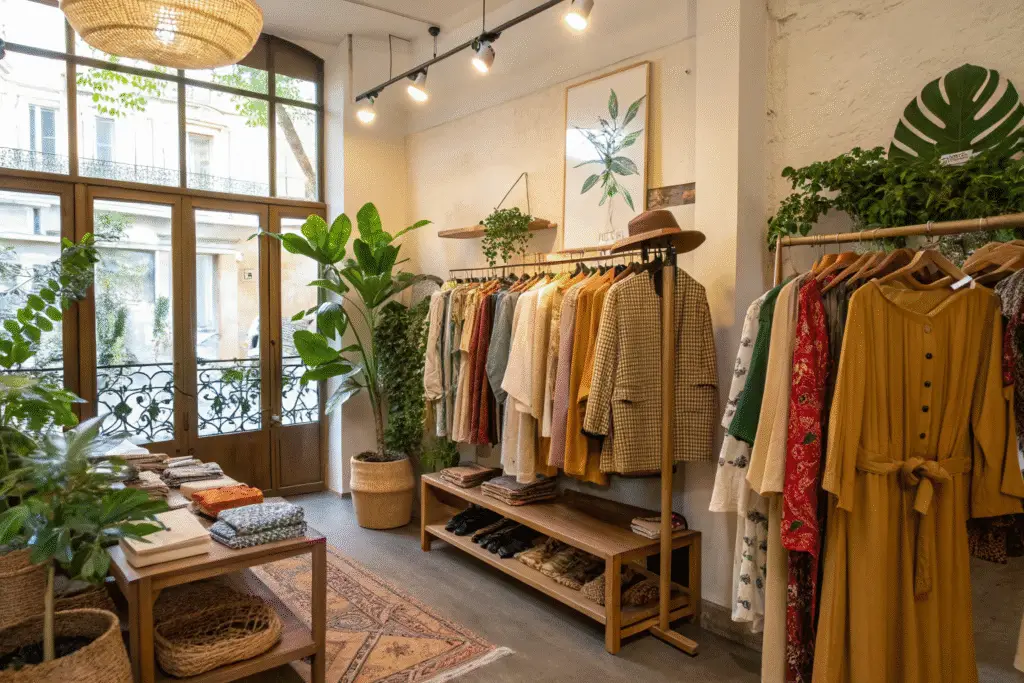
Fast fashion offers low prices and rapid style turnover, but its hidden costs—environmental damage, labor exploitation, and poor garment quality—are pushing consumers and brands toward more ethical options.
As a garment manufacturer for U.S. and European brands, I’ve seen demand shift toward sustainable, ethically made clothing. Companies are realizing that ethical production is not just a moral choice but also a competitive advantage in today’s market.
This article explores practical and profitable alternatives to fast fashion, covering sustainable materials, fair labor practices, slow fashion principles, and circular economy models.
What Is Slow Fashion and How Does It Work?
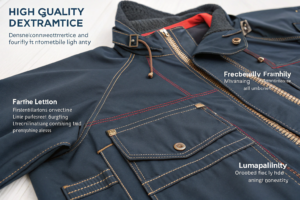
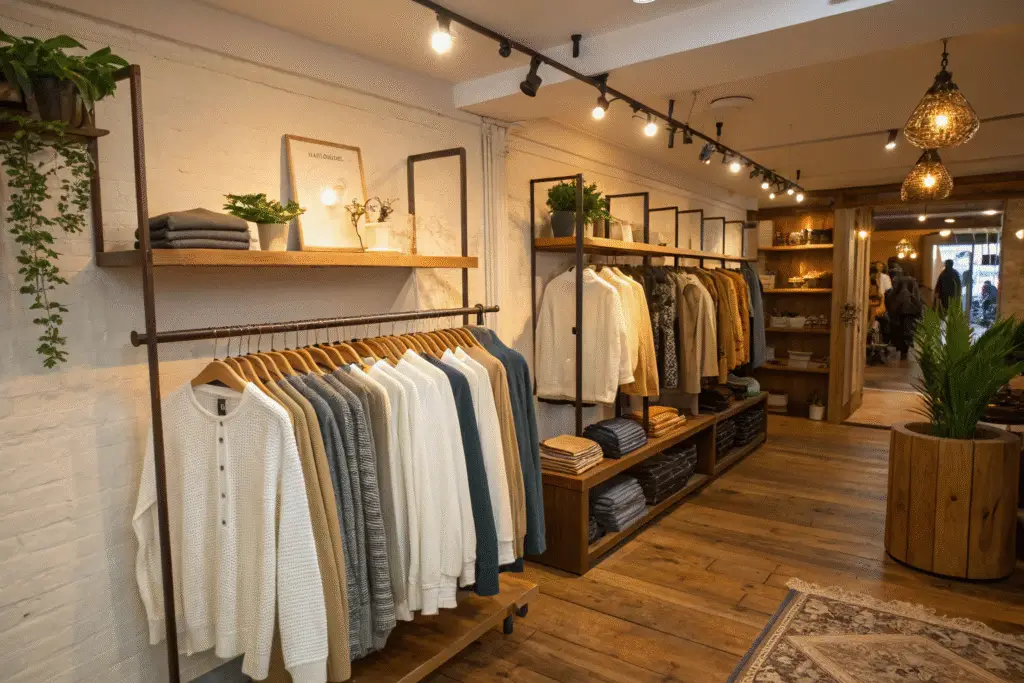
Slow fashion is the opposite of fast fashion—it focuses on quality over quantity, longer design cycles, and timeless styles that last for years.
We help clients create small-batch collections that prioritize durability and craftsmanship, reducing overproduction and waste.
How does slow fashion benefit the environment?
It reduces waste, lowers carbon emissions, and minimizes resource use. See Ellen MacArthur Foundation slow fashion resources and Fashion Revolution slow fashion guide.
Can slow fashion be profitable for brands?
Yes. Higher quality and exclusivity allow for premium pricing. Learn from Business of Fashion reports and McKinsey apparel industry insights.
Why Choose Sustainable Fabrics?
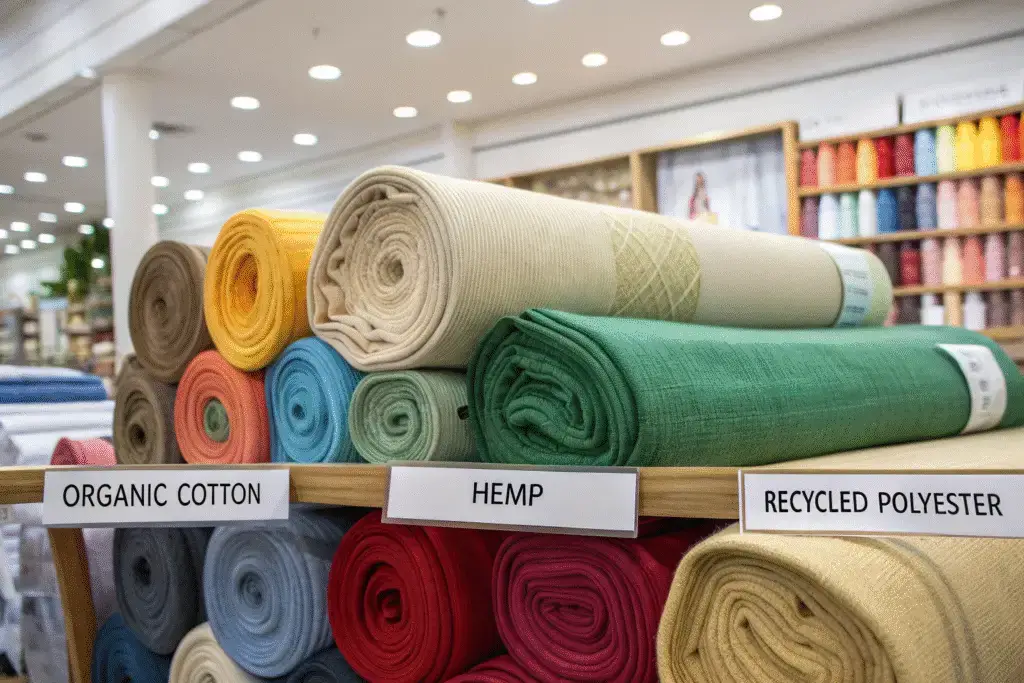
Sustainable fabrics like organic cotton, hemp, bamboo, Tencel, and recycled polyester have lower environmental impacts than conventional materials.
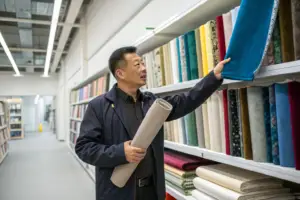
We work with certified suppliers to ensure all fabrics meet recognized sustainability standards.
Which certifications matter for sustainable fabrics?
GOTS and OEKO-TEX Standard 100 confirm organic content and safety.
How do recycled materials help reduce waste?
They repurpose existing textiles and plastics, diverting them from landfills. See Repreve recycled fibers and Textile Exchange recycling programs.
How Do Fair Labor Practices Improve Brand Value?
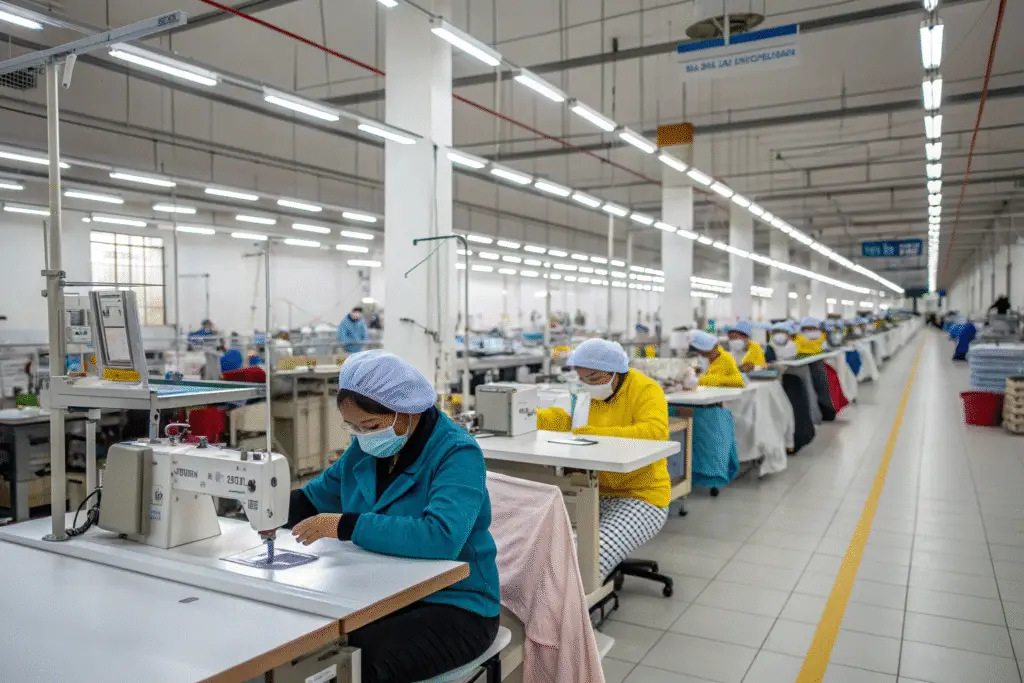
Fair labor practices ensure workers are paid fairly, work in safe environments, and have their rights respected.
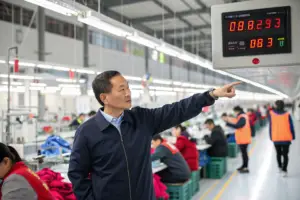
We maintain certifications and undergo regular audits to guarantee ethical labor standards in our facilities.
Which certifications verify fair labor?
Fair Trade Certified and SA8000 are leading social compliance standards.
Can ethical labor be a marketing advantage?
Yes. Many consumers prefer brands that demonstrate social responsibility. See Statista ethical consumer data and Ethical Trading Initiative resources.
How Does the Circular Economy Apply to Fashion?
A circular economy in fashion focuses on keeping materials in use for as long as possible through reuse, repair, recycling, and upcycling.
We help brands implement take-back programs and design for recyclability to extend product lifecycles.
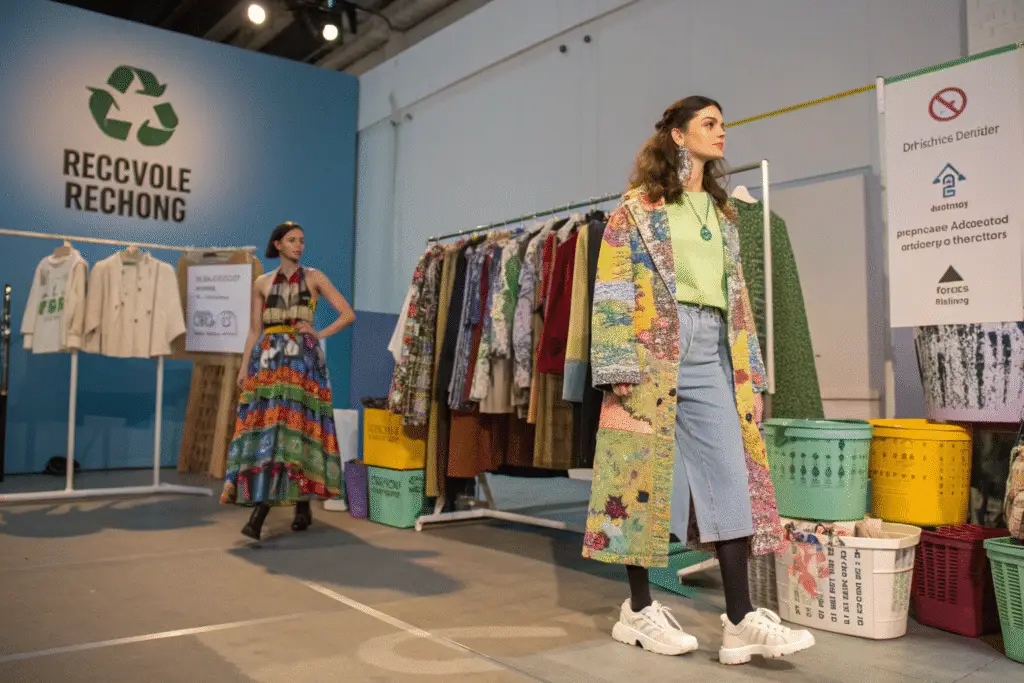
How does upcycling differ from recycling?
Upcycling transforms old items into higher-value products without breaking them down into raw materials. See Upcycle That resources and Circular Threads initiatives.
Can circular models work at scale?
Yes. Major brands are piloting recycling and resale programs. Learn from ThredUp resale reports and Global Fashion Agenda sustainability projects.
Conclusion
Ethical alternatives to fast fashion—such as slow fashion, sustainable fabrics, fair labor practices, and circular economy models—offer brands a path to profitability while reducing harm to people and the planet.
If your brand is ready to move toward ethical production, Shanghai Fumao Clothing can help with certified fabrics, socially responsible manufacturing, and sustainable design practices. Contact our Business Director Elaine at em>elaine@fumaoclothing.com</em to discuss your next ethical fashion project.