Many fashion brands and designers approach tech pack creation as a bureaucratic necessity rather than a strategic tool. As a manufacturer who has reviewed thousands of tech packs from American and European brands, I've seen the same fundamental errors repeatedly sabotage production timelines, increase costs, and compromise quality. Even experienced brands make these mistakes, often without realizing how significantly they impact their manufacturing outcomes.
The most common tech pack mistakes include incomplete measurement specs, vague material descriptions, inconsistent grading, and missing construction details. These errors create costly interpretation gaps that manufacturers must fill with assumptions, leading to production errors, extended sampling cycles, and unexpected expenses that can increase overall costs by 15-30%. A poorly prepared tech pack essentially transfers the burden of technical decision-making from the brand to the factory, rarely with satisfactory results.
After working with over 500 brands across different market segments, I've identified patterns in tech pack errors that transcend company size or experience level. This article will examine the most prevalent mistakes and provide practical solutions to help you create technical documentation that ensures manufacturing success.
Why Do Incomplete Measurement Specs Derail Production?
Measurement specifications form the foundation of any tech pack, yet they're frequently incomplete or inconsistent. Many brands provide basic body measurements but neglect critical details like tolerance ranges, points of measurement (POM), or complete grade rules. This ambiguity forces manufacturers to make educated guesses that may not align with the brand's fit standards.
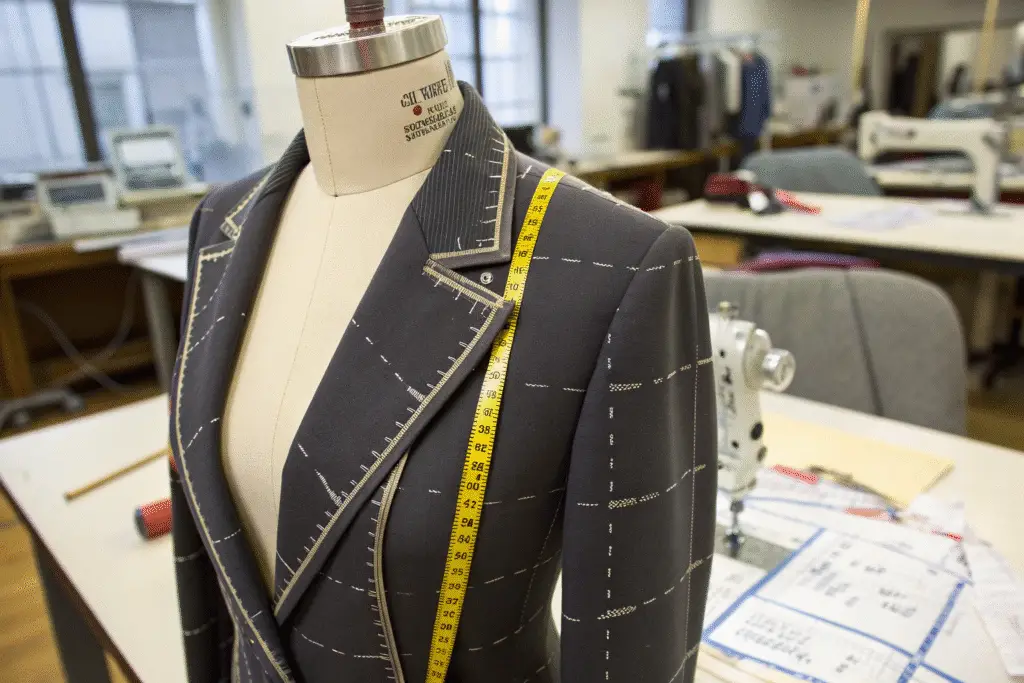
We recently worked with a Los Angeles-based contemporary brand that provided a tech pack with only 12 basic measurements for a tailored blazer. Our pattern makers identified 32 additional measurements needed for proper construction. The resulting sampling process required four rounds of revisions instead of the typical one or two, delaying their production timeline by three weeks and increasing sampling costs by 40%.
What Are the Most Overlooked Measurement Elements?
Beyond basic body measurements, several critical elements are routinely missing from tech packs. These omissions create significant production challenges and often require time-consuming clarification processes that delay manufacturing start dates.
Commonly overlooked measurement elements include:
- Tolerance Ranges: Without specified acceptable deviations, manufacturers must apply standard tolerances that may not suit your quality standards
- Points of Measurement (POM) Diagrams: Missing POM leads to inconsistent measuring methods between samples and production
- Grade Rules: Incomplete grading requires pattern makers to extrapolate size scaling, risking fit inconsistencies across sizes
- Stretch Factor Specifications: For knit fabrics, missing stretch requirements result in improperly fitting garments
The table below illustrates how measurement completeness impacts production outcomes:
| Measurement Element | Common Mistake | Ideal Specification | Impact of Error |
|---|---|---|---|
| Tolerance | No specified ranges | Explicit ± values for each measurement | Inconsistent sizing, high rejection rates |
| POM | Missing diagrams | Detailed visual measurement guides | Measurement misinterpretation |
| Grade Rules | Basic size chart only | Complete grading between all sizes | Poor fit across size range |
| Stretch Factor | No stretch specification | Required stretch percentage & recovery | Improper knit garment fit |
How Can Brands Create Comprehensive Measurement Specs?
Creating complete measurement specifications requires systematic attention to detail and understanding of garment construction. The most effective approach involves combining visual guides with precise numerical data to eliminate interpretation gaps.
Best practices for measurement specs include:
- Use standardized measurement protocols consistently across all styles
- Include both relaxed and stretched measurements for knit garments
- Specify tolerance ranges for each measurement based on its criticality
- Provide visual POM diagrams showing exact measurement locations
- Include complete grade rules with incremental measurements between sizes
A San Francisco-based activewear brand we work with reduced their sampling revisions by 60% after implementing these comprehensive measurement practices. Their tech packs now include 45-60 precise measurements per style with detailed tolerance ranges and visual measurement guides, enabling our pattern makers to create accurate first samples that require minimal adjustments.
How Do Vague Material Descriptions Compromise Quality?
Material specifications represent another common failure point in tech pack creation. Brands often use generic descriptions like "premium cotton" or "quality zipper" that provide insufficient information for accurate sourcing and manufacturing. These vague descriptions allow for significant interpretation variations that inevitably lead to quality inconsistencies and unexpected cost increases.
I recall a particularly costly situation with a Chicago-based brand that specified "water-resistant fabric" for their outerwear collection. Without technical specifications, our sourcing team selected a appropriate weight polyester with DWR coating. However, the brand actually required a fully waterproof laminated fabric with taped seams. The misunderstanding wasn't discovered until production completion, resulting in a total loss of $85,000 in inventory and a six-week timeline delay.

What Material Details Are Most Frequently Under-Specified?
Complete material specifications require technical precision that many brands overlook in their tech packs. The assumption that manufacturers will understand implied requirements consistently leads to disappointing production outcomes and strained brand-manufacturer relationships.
Critical yet commonly missing material details include:
- Fabric Composition: Incomplete fiber percentages or missing fabric testing requirements
- Weight/GSM: Missing fabric weight specifications or tolerance ranges
- Performance Standards: Omitted technical requirements for water resistance, breathability, or durability
- Finish Specifications: Missing details about brushing, washing, or special treatments
- Trim Technicals: Incomplete specifications for threads, elastics, or interlinings
One of our European clients learned this lesson painfully when they specified "YKK zipper" without specifying the type, size, or finish. The factory used an appropriate weight but incorrect style that compromised the garment's functionality and aesthetic. The resulting rework cost them $12,000 and delayed their delivery by two weeks.
How Can Brands Specify Materials with Precision?
Precision in material specifications requires moving beyond generic descriptions to technical language that leaves no room for interpretation. This approach ensures consistent quality and enables accurate costing from multiple suppliers.
Effective material specification strategies include:
- Reference specific mill articles with style numbers when possible
- Include physical fabric swatches with approved samples
- Specify performance test requirements with acceptable results
- Provide technical data sheets for critical components
- Include approved supplier lists for key materials
A New York-based luxury brand we partner with maintains exceptional quality consistency by providing complete material technical packages with their tech packs. Each material includes mill information, composition verification, performance test reports, and approved alternate suppliers. This comprehensive approach has reduced their material-related quality issues by 85% compared to industry averages.
Why Do Construction Details Make or Break Manufacturing?
Construction specifications represent the most technically complex aspect of tech pack creation and consequently suffer from the most significant information gaps. Many designers possess strong aesthetic vision but lack the technical knowledge to specify construction methods precisely. This knowledge gap results in vague instructions that leave critical manufacturing decisions to factory interpretation.
We encountered this challenge with a Miami-based resort wear brand that designed a complex seaming detail but provided only a photograph without technical drawings or stitch specifications. Our sample team interpreted the construction based on the image, but their method differed from the designer's vision. Three sampling rounds and numerous international calls were required to achieve the intended result, pushing their production timeline back by four weeks.

What Construction Elements Are Most Commonly Mis-Specified?
Construction details require precise technical language that many brands struggle to articulate in their tech packs. The most significant gaps typically occur in stitch specifications, seam construction, and special operation details that directly impact garment quality, durability, and production efficiency.
Common construction specification errors include:
- Stitch Type Confusion: Misidentifying stitch types (301 vs. 401) or specifying inappropriate stitches for the application
- SPI Vagueness: Omitting stitches-per-inch requirements or specifying inconsistent ranges
- Seam Finish Omissions: Failing to specify how raw edges should be finished
- Operation Sequence Gaps: Not defining the order of construction operations
- Reinforcement Omissions: Missing details about bar tacks, rivets, or other reinforcement needs
A Denver-based workwear brand experienced significant durability issues because their tech packs specified "reinforce stress points" without defining the method, stitch type, or SPI. The factory's standard reinforcement proved inadequate for the intended use, resulting in premature garment failure and substantial warranty claims that damaged the brand's reputation.
How Can Brands Improve Construction Specification Clarity?
Clear construction specifications bridge the gap between design vision and manufacturing execution. Developing this clarity requires technical knowledge that brands can build through education, collaboration, and systematic documentation practices.
Effective construction specification methods include:
- Use standardized stitch type classifications throughout tech packs
- Provide detailed technical flat sketches with construction callouts
- Include photographic references of seam finishes and special details
- Specify SPI ranges for different garment areas based on stress requirements
- Define operation sequences for complex construction elements
We helped a Seattle-based technical apparel brand develop a construction specification library that standardized their technical communication. By creating detailed templates for common operations and providing visual references for special techniques, they reduced construction-related sampling revisions from an average of 3.2 rounds to 1.5 rounds, saving approximately 10-14 days per style in their development timeline.
How Can Brands Avoid Communication and Formatting Errors?
Beyond technical content, tech packs frequently suffer from communication and formatting issues that undermine their effectiveness. Inconsistent terminology, disorganized information, and missing elements create confusion and increase the likelihood of manufacturing errors. These problems become particularly acute when multiple team members contribute to tech pack creation without standardized processes.
We recently received a tech pack from a Dallas-based brand that contained contradictory information between the spec sheet, construction notes, and visual sketches. The sleeve length measurement differed by 1.5 inches between documents, the fabric description contradicted the attached swatch, and critical construction details were buried in unstructured comments. Resolving these discrepancies required eight separate email exchanges and two video calls, delaying sampling by nine days.

What Are the Most Problematic Communication Gaps?
Communication failures in tech packs often stem from inconsistent terminology, assumption-based instructions, and incomplete information transfer between design, development, and manufacturing teams. These gaps become particularly problematic when working with international manufacturers where language and cultural differences amplify misunderstandings.
Common communication problems include:
- Terminology Inconsistency: Using different terms for the same elements within a single tech pack
- Assumption-Based Instructions: Omitting details because "the factory should know"
- Visual-Text Misalignment: Contradictions between written specifications and visual references
- Revision Tracking Gaps: Poor documentation of changes between sample rounds
- Missing Reference Standards: Omitting the quality standards and inspection criteria
A Boston-based brand learned about terminology consistency when they used "coverstitch" and "flatlock" interchangeably in their tech pack, resulting in incorrect stitch application on 30% of their production run. The rework cost exceeded $8,000 and created a two-week shipment delay during their peak selling season.
How Can Brands Standardize Tech Pack Communication?
Standardizing tech pack communication requires establishing clear protocols, templates, and review processes that ensure consistency and completeness. The most successful brands treat their tech packs as living documents that evolve based on manufacturing feedback and changing requirements.
Effective standardization strategies include:
- Develop a branded tech pack template with standardized sections
- Create a terminology glossary defining all technical terms
- Implement a digital tech pack system with version control
- Establish a pre-submission checklist for all tech packs
- Include clear approval workflows with designated responsibilities
A Portland-based sustainable brand implemented a standardized tech pack system that reduced their manufacturing communication issues by 70%. Their template includes mandatory fields for all critical specifications, a comprehensive terminology guide, and automated revision tracking. This systematic approach has improved their sampling success rate from 45% to 85% for first submissions while reducing clarification requests by approximately 60%.
Conclusion
Tech pack creation errors stem primarily from incomplete information, vague specifications, and poor communication practices. The most damaging mistakes involve measurement ambiguities, material vagueness, construction omissions, and terminology inconsistencies that force manufacturers to make assumptions rather than execute precise instructions. These errors inevitably lead to extended sampling cycles, cost overruns, quality issues, and timeline delays that impact business outcomes.
The brands that achieve manufacturing success recognize that comprehensive tech packs are strategic investments rather than administrative burdens. They develop systematic approaches to technical documentation that prioritize precision, consistency, and clarity. By addressing common mistakes proactively, these brands transform their tech packs from potential liability into competitive advantage that ensures manufacturing efficiency and product quality.
If you're struggling with tech pack effectiveness or want to improve your technical documentation processes, our team can help you develop strategies that prevent these common mistakes. Contact our Business Director, Elaine, at elaine@fumaoclothing.com to discuss how our technical design services can help you create manufacturing-ready tech packs that streamline your production and protect your quality standards.