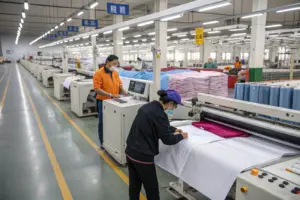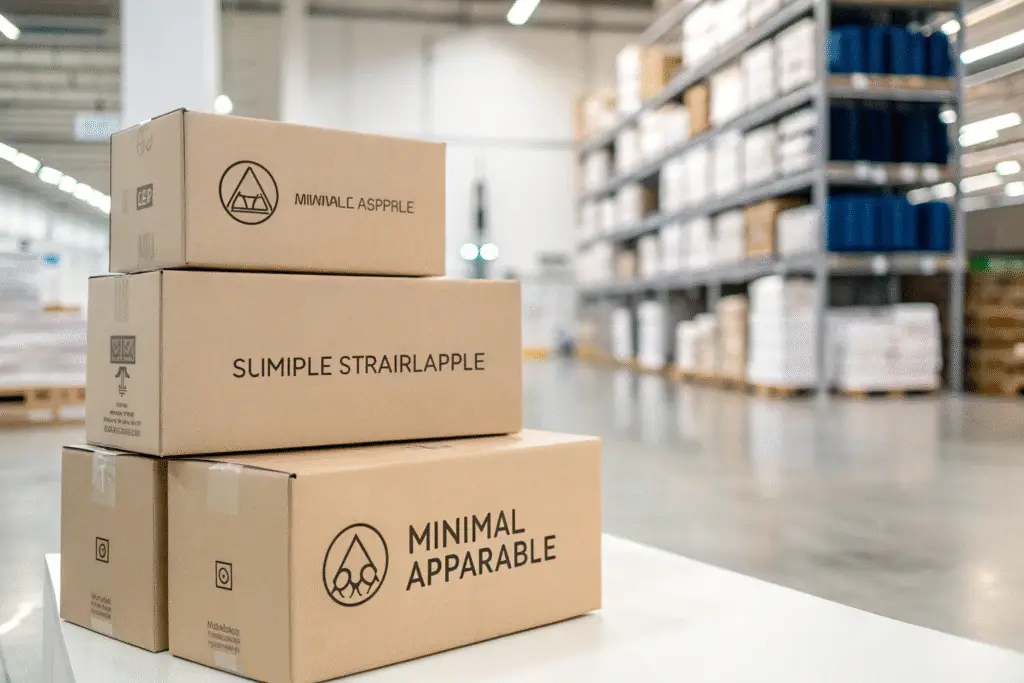
Minimalist packaging is no longer just a design trend—it has become a competitive advantage in global markets. Buyers, especially in the U.S. and Europe, are demanding packaging that is simple, sustainable, and cost-effective. For apparel exporters like us, minimalist packaging reduces costs, communicates brand values, and strengthens environmental responsibility.
Minimalist packaging follows the principle of “less is more.” It focuses on clean design, functional materials, and clear messaging. In apparel, this often means recycled kraft boxes, compostable garment bags, or tags with minimal ink. Therefore, the primary goal is to balance efficiency and aesthetics while ensuring garment protection.
In this article, I will explain best practices for minimalist packaging. We will look at its definition in apparel, reasons brands should adopt it, the materials commonly used, and how U.S. buyers can source minimalist packaging effectively from China.
What Defines Minimalist Packaging In Apparel?
Many buyers confuse minimalist packaging with cheap or plain packaging. However, true minimalist packaging is deliberate and strategic—it uses simplicity to highlight quality and sustainability.
Minimalist apparel packaging uses fewer materials, simple visuals, and practical structures while still protecting garments during shipping and display.

What Are Key Elements Of Minimalist Design?
Minimalist packaging avoids unnecessary decoration. For example, brands like Everlane rely on plain recycled mailers with only essential branding. Common features include neutral color palettes, clean typography, and functional packaging structures. As a result, waste is reduced, and branding remains consistent with eco-friendly values.
How Does Minimalism Improve Brand Perception?
Consumers often associate minimalist design with transparency and authenticity. According to Forbes, brands using minimalism are viewed as modern and trustworthy. Therefore, packaging itself becomes a storytelling tool, showing that a brand values sustainability and quality more than excessive decoration.
Why Should Apparel Brands Adopt Minimalist Packaging?
Brands that adopt minimalist packaging enjoy both financial and environmental benefits. They save costs, meet consumer expectations, and comply with global sustainability regulations.
Does It Lower Costs For Companies?
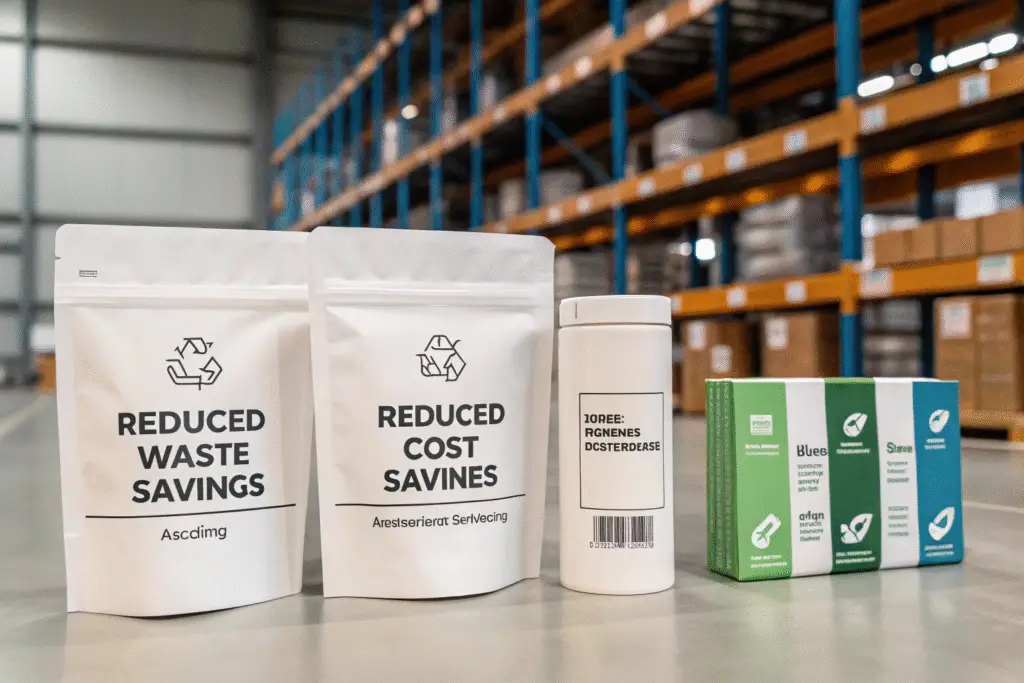
Yes. Minimalist packaging uses fewer resources, which directly reduces production costs. Thinner recycled boxes or lightweight mailers also lower freight expenses. According to McKinsey & Company, efficient packaging design can cut supply chain costs by up to 10%. Therefore, less packaging does not just look modern—it saves money.
How Does It Help With Sustainability?
Minimalist packaging often incorporates recyclable or compostable materials, which significantly reduce environmental impact. Organizations like Sustainable Packaging Coalition encourage brands to follow “reduce and recycle” principles. As a result, apparel companies can meet consumer demand for eco-friendly products while strengthening their compliance with global standards.
Which Materials Are Best For Minimalist Packaging?
The choice of material directly affects branding, costs, and sustainability. Therefore, brands should prioritize recycled, biodegradable, or compostable options rather than heavy plastics or glossy laminates.
What Recycled Materials Are Commonly Used?
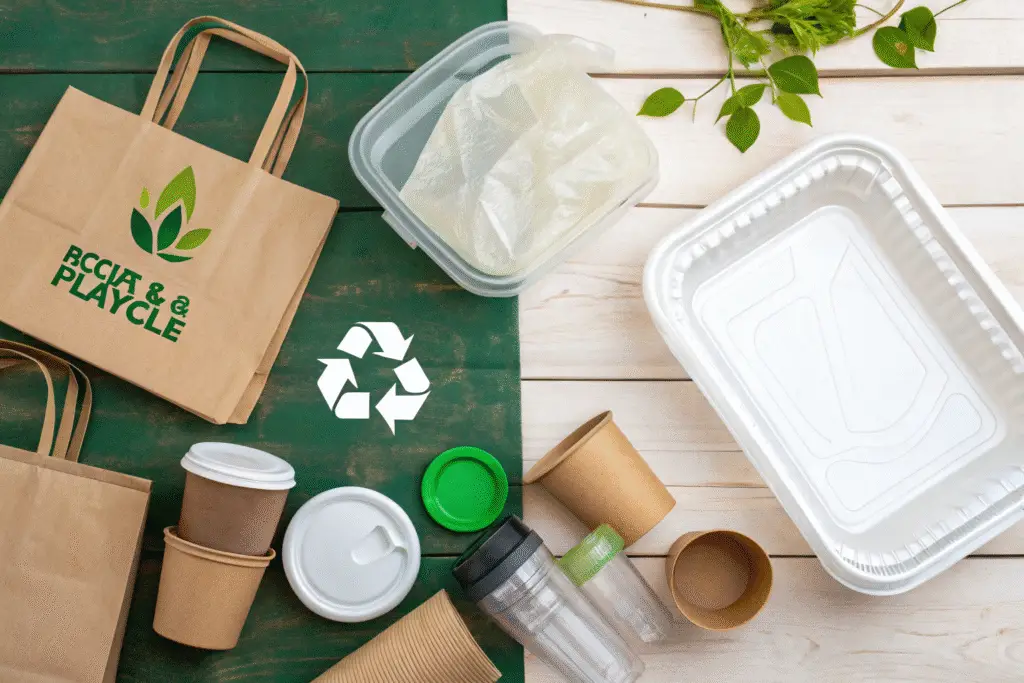
Recycled kraft paper, cardboard, and LDPE recycled plastics are common choices. Brands like Patagonia highlight the use of recycled mailers as part of their sustainability story. Sequentially, these materials are affordable, widely available, and durable enough for apparel logistics.
Are Compostable Options Reliable?
Yes. Compostable garment bags made from cornstarch or PLA are becoming popular alternatives. According to GreenBiz, compostable packaging breaks down safely and avoids long-term plastic pollution. As a result, apparel brands adopting compostables gain consumer trust and a marketing edge.
How Can U.S. Brands Source Minimalist Packaging From China?
Many U.S. buyers worry about quality and certification when sourcing packaging overseas. However, Chinese suppliers with export experience can provide certified, eco-friendly solutions that meet Western standards.

What Certifications Should Buyers Look For?
When sourcing abroad, buyers should request certifications such as FSC for paper, OK Compost for compostable items, and ISO 14001 for environmental management systems. Therefore, verified certifications guarantee authenticity and eco-compliance, protecting brand reputation.
How Can Logistics Be Simplified?
Complex logistics often discourage buyers. To solve this, many suppliers offer Delivered Duty Paid (DDP) services. According to Alibaba.com, DDP shipping is now a preferred option for U.S. buyers. It covers customs, duties, and direct delivery, ensuring goods arrive on time without hidden costs. As a result, working with trusted Chinese manufacturers reduces risks and simplifies the supply chain.
Conclusion
Minimalist packaging is more than a visual trend—it is a strategic approach that cuts costs, reduces waste, and strengthens brand identity. By focusing on simplicity, recycled or compostable materials, and efficient logistics, apparel brands can deliver value to both consumers and the environment.
Therefore, adopting minimalist packaging not only improves operational efficiency but also builds trust and credibility.
For U.S. buyers, China offers reliable, certified, and cost-effective packaging options. At Fumao Clothing, we support international apparel brands with full-package services, including customized sustainable packaging solutions.
If you want to embrace minimalist packaging for your next apparel order, contact our Business Director Elaine at elaine@fumaoclothing.com. Together, we can design packaging that protects garments, meets eco-standards, and enhances your brand’s identity.