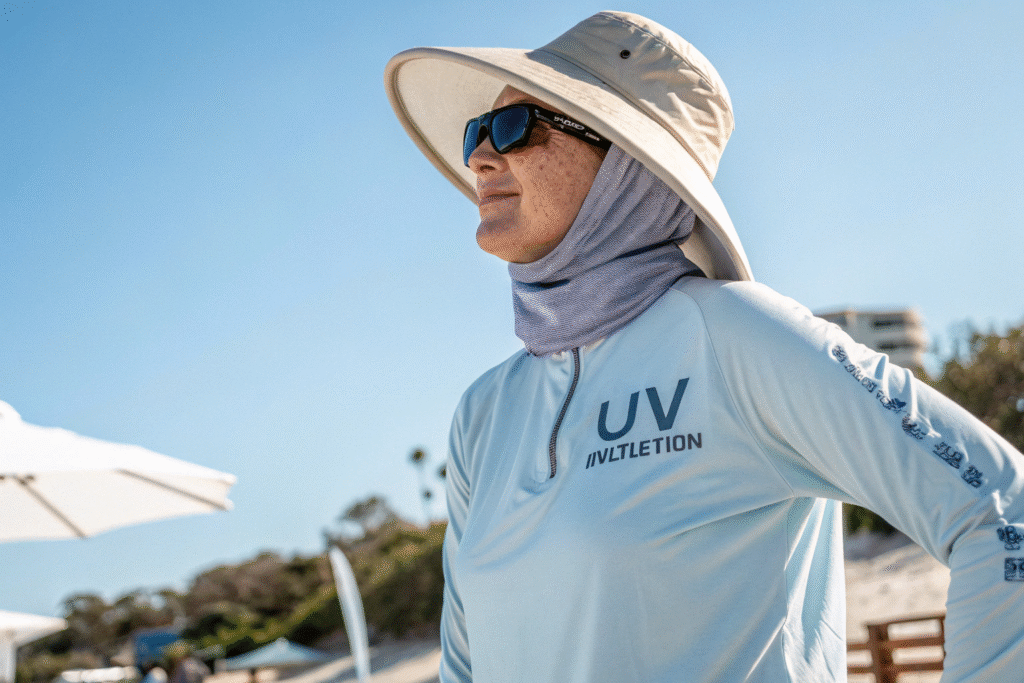
Sun exposure is one of the leading causes of skin damage and premature aging. Consumers today are becoming more aware of the importance of UV protection—not only through sunscreen but also through clothing. This has created a fast-growing market for UV-protective apparel that blocks harmful ultraviolet rays.
The best fabrics for UV-protective clothing are those that combine tight weaves, special fiber compositions, and advanced fabric treatments to maximize UPF (Ultraviolet Protection Factor). Choosing the right material can make the difference between fashion that looks good and clothing that actively protects consumers from sun damage.
As an apparel manufacturer, I have seen demand rise sharply in markets like the U.S. and Europe, where outdoor activities and wellness trends drive interest in performance fabrics. Let’s explore which textiles are leading the way in UV-protective fashion.
Why Does Fabric Choice Matter in UV Protection?
Fabric is the first barrier between skin and sunlight.
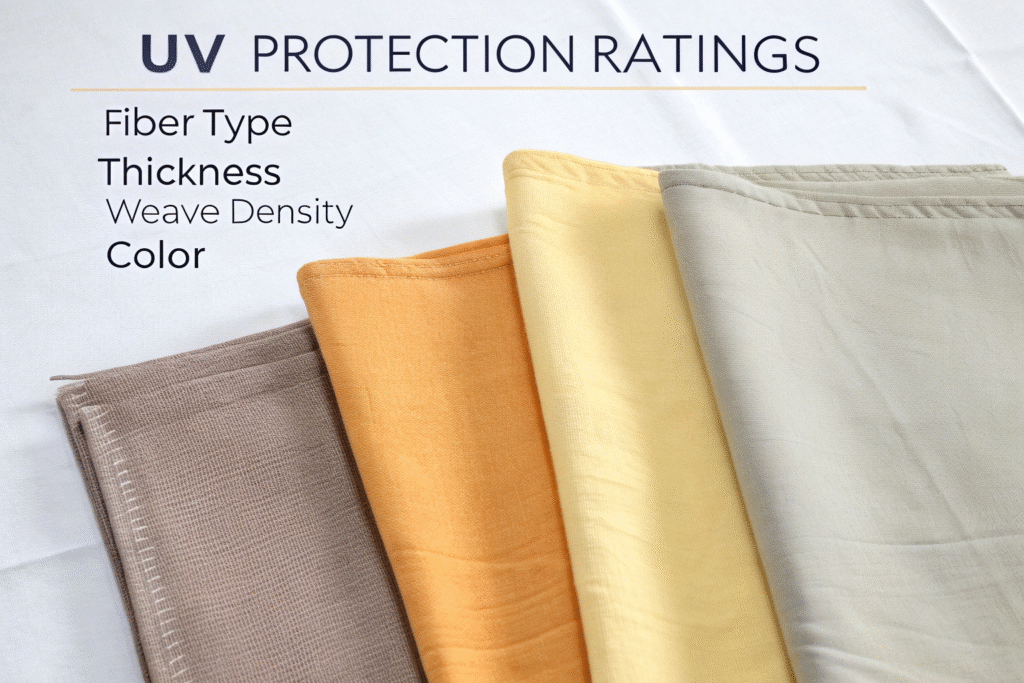
Not all fabrics provide the same level of UV protection. Factors such as fiber type, thickness, weave density, and color all determine how well a fabric shields skin from harmful rays. The higher the UPF rating, the better the fabric blocks UVA and UVB radiation.
How Do Weave and Density Affect UV Blocking?
Tightly woven fabrics prevent UV rays from penetrating, while loose weaves allow more sunlight through. For example, denim or canvas offers strong protection due to its density, while lightweight gauze provides minimal coverage.
Do Darker Colors Offer Better Protection?
Yes. Darker shades like black, navy, or deep red absorb more UV radiation, while lighter colors reflect less. However, fabric technology now enables light-colored garments to achieve high UPF ratings through chemical treatments or fiber blends, as seen in Coolibar’s fabrics.
What Natural Fabrics Perform Well?
Natural fabrics remain popular for their breathability and comfort.
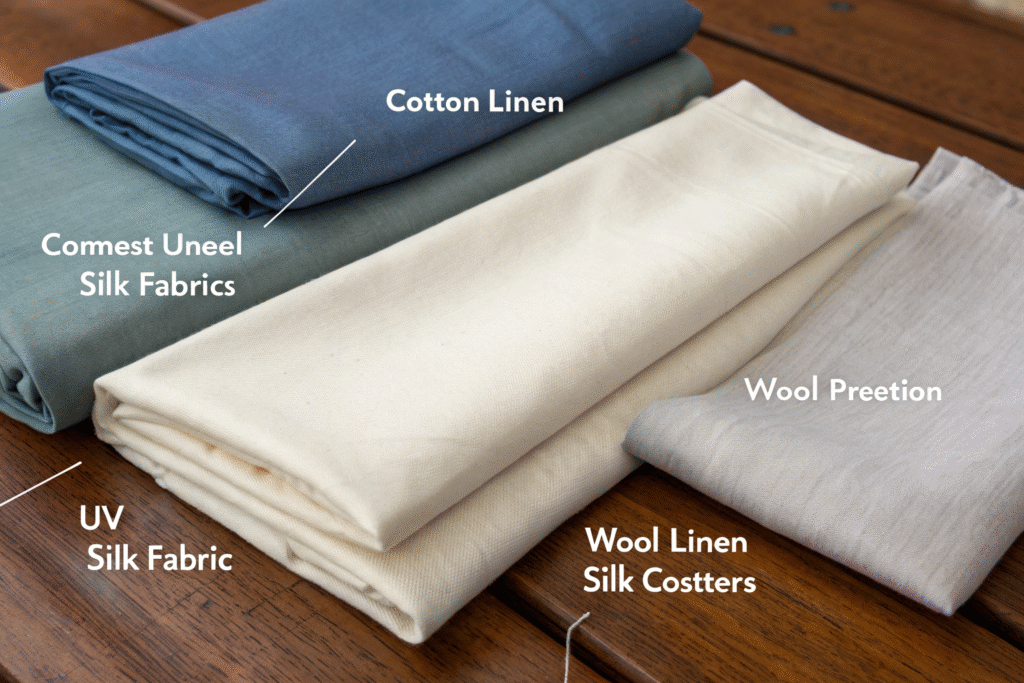
Cotton, linen, and silk provide basic protection, but they require enhancements to meet modern UV standards. Wool, on the other hand, has natural UV-blocking qualities due to its thickness and structure.
Can Cotton Be Made UV-Protective?
Regular cotton allows UV rays to pass through easily, but high-thread-count cotton or cotton treated with UV-blocking chemicals can provide reliable sun protection. Brands like Solumbra offer cotton-based garments with certified UPF ratings.
Why Is Wool Naturally UV Resistant?
Wool fibers scatter and absorb UV radiation, giving them an edge over other natural materials. Lightweight merino wool is now used in summer apparel because it regulates temperature while offering built-in UV protection, as promoted by Icebreaker.
Which Synthetic Fabrics Dominate UV-Protective Clothing?
Synthetic fibers are often engineered for performance wear, making them highly suitable for UV-blocking garments.
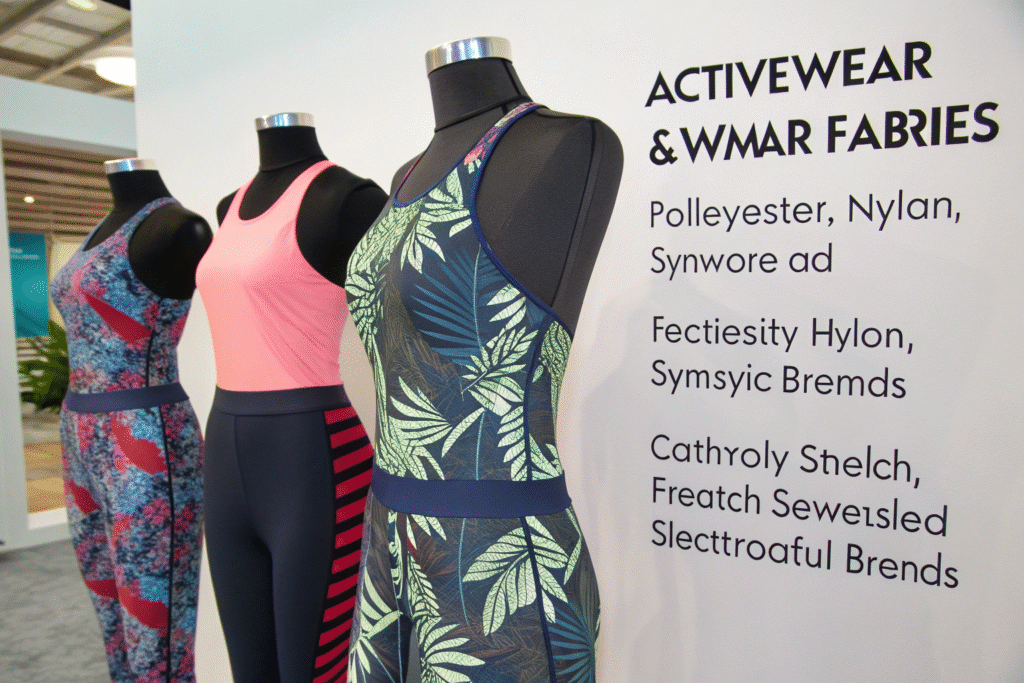
Polyester, nylon, and specially treated spandex blends are widely used in activewear and swimwear due to their strength, elasticity, and UV resistance. Many are designed to wick moisture, stretch comfortably, and retain shape even after sun exposure.
Why Is Polyester a Top Choice?
Polyester naturally absorbs UV radiation better than cotton. When tightly woven, it can achieve high UPF ratings. Companies like REPREVE also supply recycled polyester, combining sun protection with sustainability.
Is Nylon Suitable for Sun-Protective Swimwear?
Yes. Nylon is lightweight, durable, and commonly used in swimwear and outdoor apparel. With added treatments, nylon achieves strong UV resistance. Brands like Speedo incorporate UV-blocking nylon in their performance swim collections.
How Do Fabric Treatments Enhance UV Protection?
Beyond fiber type, special finishes and coatings dramatically increase fabric performance.
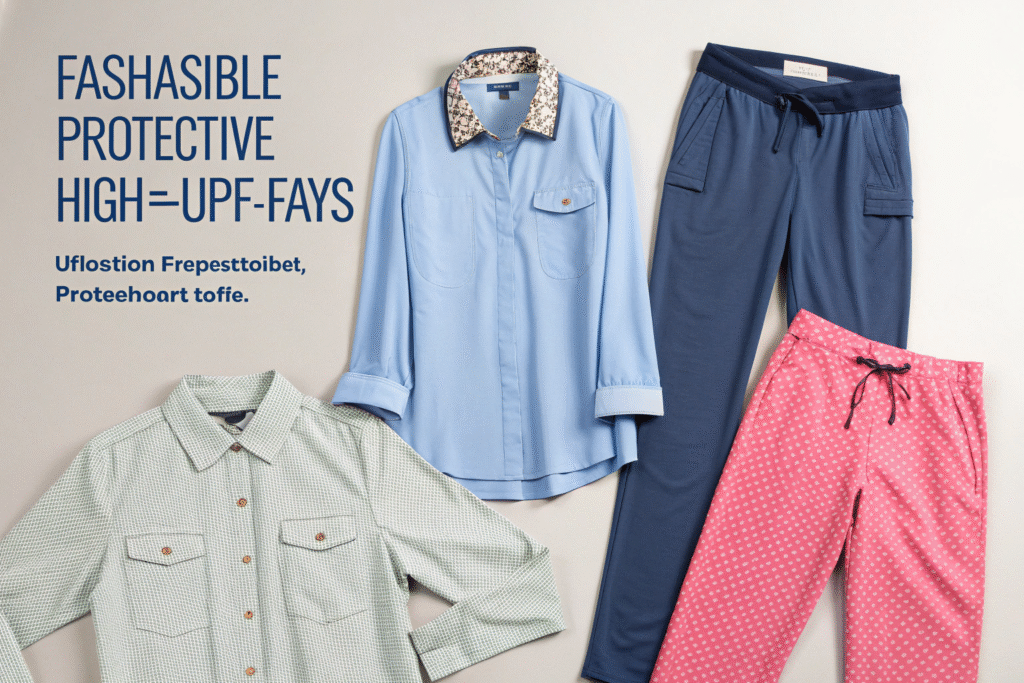
UV-absorbing chemicals, optical brighteners, and advanced dyeing techniques can all raise a fabric’s UPF rating without changing its comfort or appearance. This allows brands to offer fashionable yet protective apparel.
Are Chemical Treatments Safe for Skin?
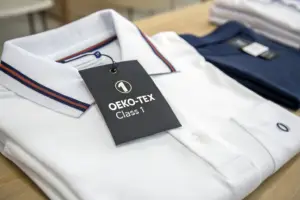
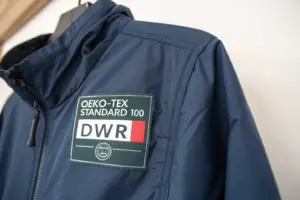
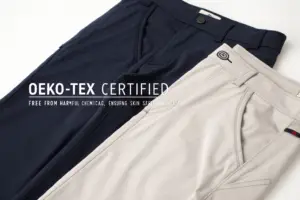
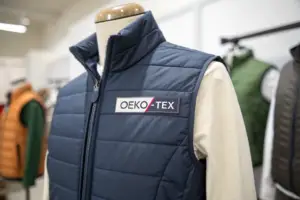
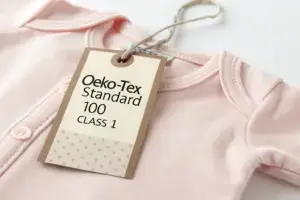
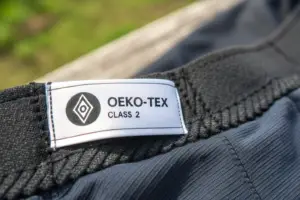
Yes, when applied responsibly. Many treatments are certified safe under OEKO-TEX standards. These coatings are designed to withstand multiple washes while maintaining UV-blocking ability.
Can Fabrics Retain Protection Over Time?
Durability is key. Some UV treatments fade after repeated washing, but new technologies, such as nanofinishes and embedded UV-blocking minerals, ensure long-term protection. Companies like Textile Innovations focus on treatments that provide lasting UPF ratings.
Conclusion
The best fabrics for UV-protective apparel include tightly woven natural fibers like wool, enhanced cotton, and high-performance synthetics such as polyester and nylon. Treatments and finishes add further strength, ensuring garments meet modern expectations for sun safety.
At Shanghai Fumao, we help U.S. and European brands source UV-protective fabrics and manufacture apparel that balances function with style. Whether you need activewear, swimwear, or outdoor garments, our production lines are equipped to meet your requirements. For collaborations and sourcing inquiries, please contact our Business Director, Elaine, at elaine@fumaoclothing.com.