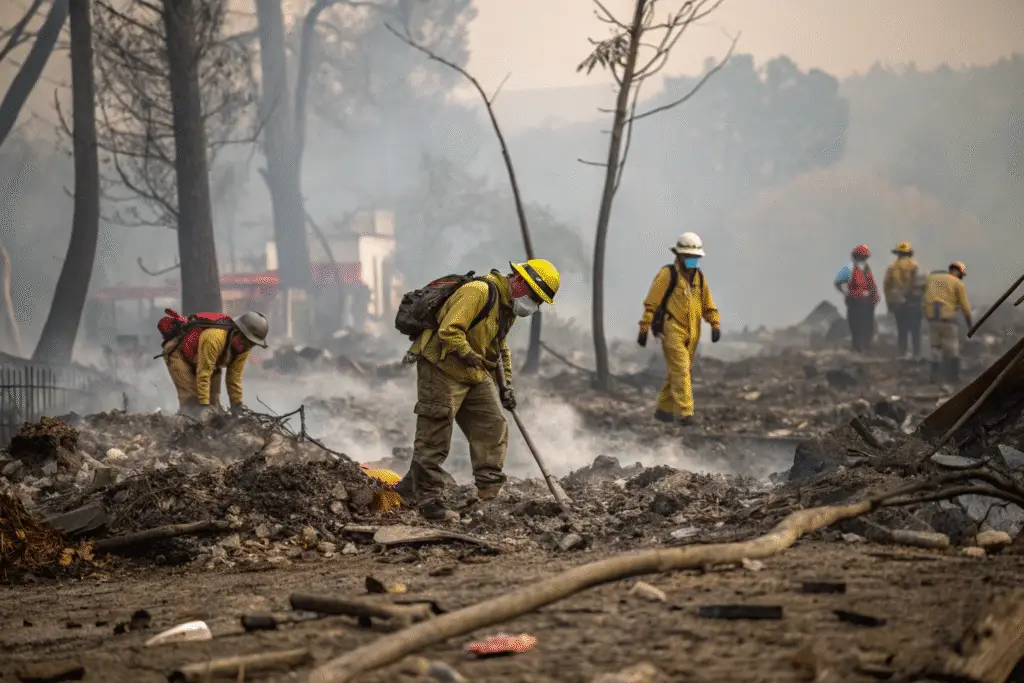
Wildfires are terrifying. Even after the flames die down, the danger doesn’t simply vanish. The ground is still hot, the air is full of ash, and sharp debris is everywhere. For the crews, volunteers, and firefighters who step back in to restore what’s left, the clothes they wear can literally save their lives.
Think about it: the wrong fabric can melt, tear, or suffocate the body in unbearable heat. The right one? It can protect skin, keep workers comfortable, and give them the confidence to focus on the job ahead.
That’s why fabric choice is everything in post-wildfire protective gear. Let’s walk through the best options out there—and why they matter so much.
Aramid Fibers (Nomex & Kevlar)
If there’s a “classic hero” in protective fabrics, it’s aramid fibers like Nomex and Kevlar. Nomex is known for being flame-resistant at its core—it doesn’t melt, doesn’t drip, and won’t support combustion. Kevlar adds toughness and abrasion resistance, making the gear extra durable.
When combined, they make gear that can stand up to extreme heat and brutal conditions without falling apart.
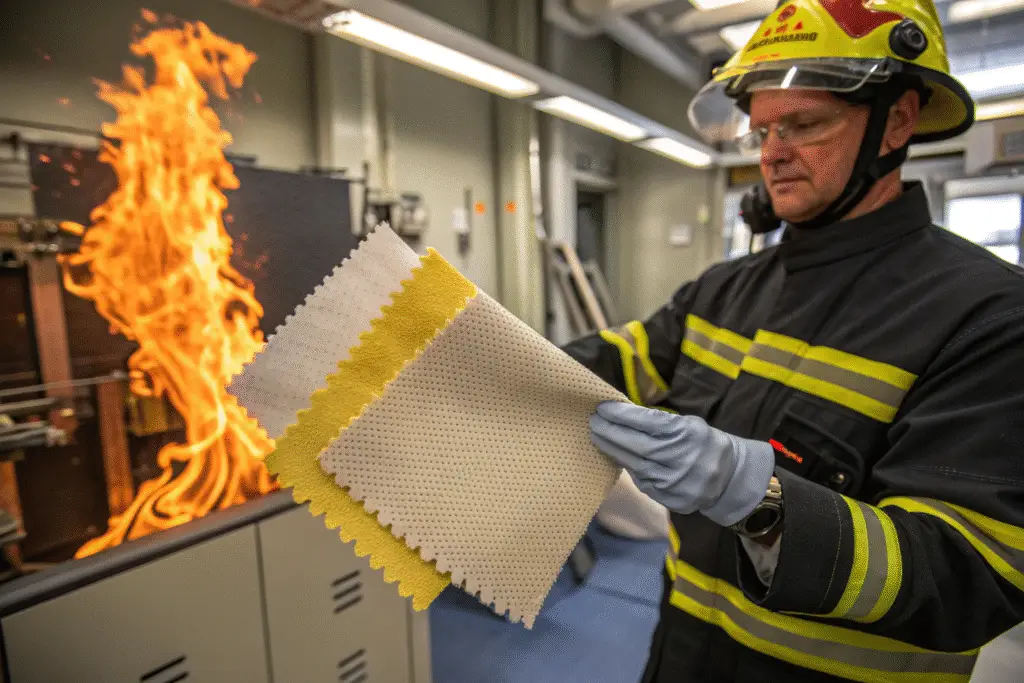
Why do firefighters trust them so much?
DuPont explains that Nomex can handle crazy heat while staying surprisingly light. Kevlar strengthens high-wear areas like elbows, knees, and gloves, giving crews extra confidence.
What’s the catch?
They’re pricey. And while they protect like a shield, they’re not the most breathable. Long shifts in hot zones can feel heavy, so ventilation and layering become key.
PBI (Polybenzimidazole) Blends
PBI is like the “luxury upgrade” of protective fabrics. It doesn’t char, shrink, or stiffen even under extreme heat. That means gear stays flexible and wearable even after contact with flames.
PBI blends are lighter than all-aramid gear, which makes a huge difference for long hours in the field.
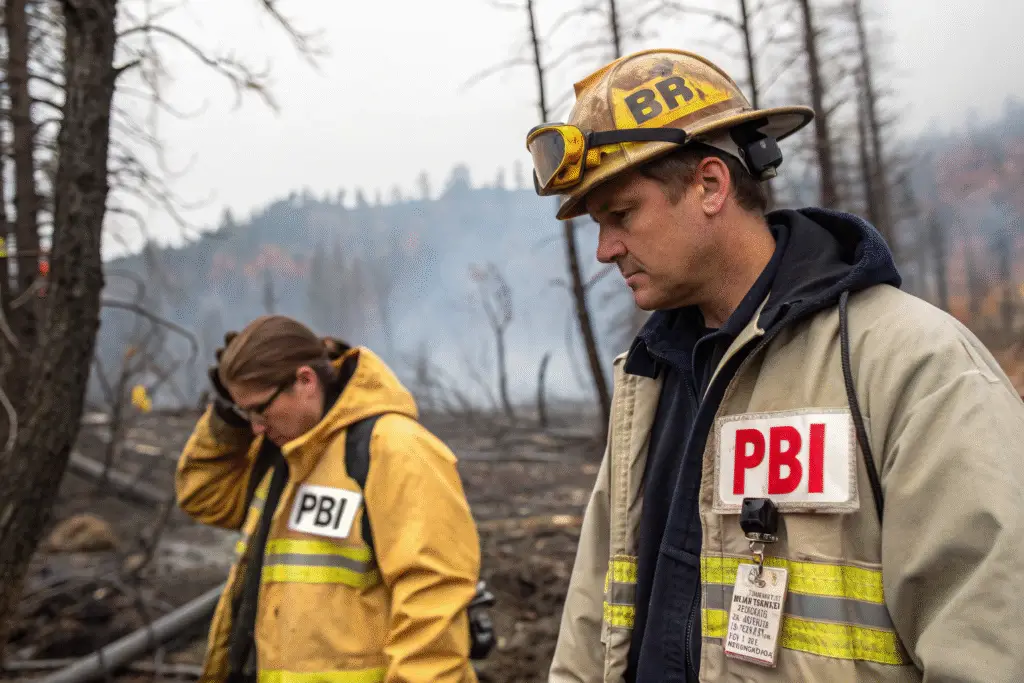
Why is PBI so valued?
According to PBI Performance Products, it keeps its shape and strength even after direct fire exposure. Crews don’t have to worry about gear hardening up when they need to move fast.
Where do we see it used?
Mostly in firefighting suits, hoods, and helmets. For post-wildfire recovery teams working near hot spots, PBI blends provide an extra layer of reassurance.
FR Cotton and Cotton Blends
Not every task in a post-wildfire zone requires top-tier, high-cost fabrics. Sometimes, what’s needed is something practical, breathable, and affordable. That’s where flame-resistant cotton comes in.
FR cotton is treated so that if it catches flame, it self-extinguishes. It’s not bulletproof like aramids, but it’s reliable for moderate risks—and much easier on budgets.
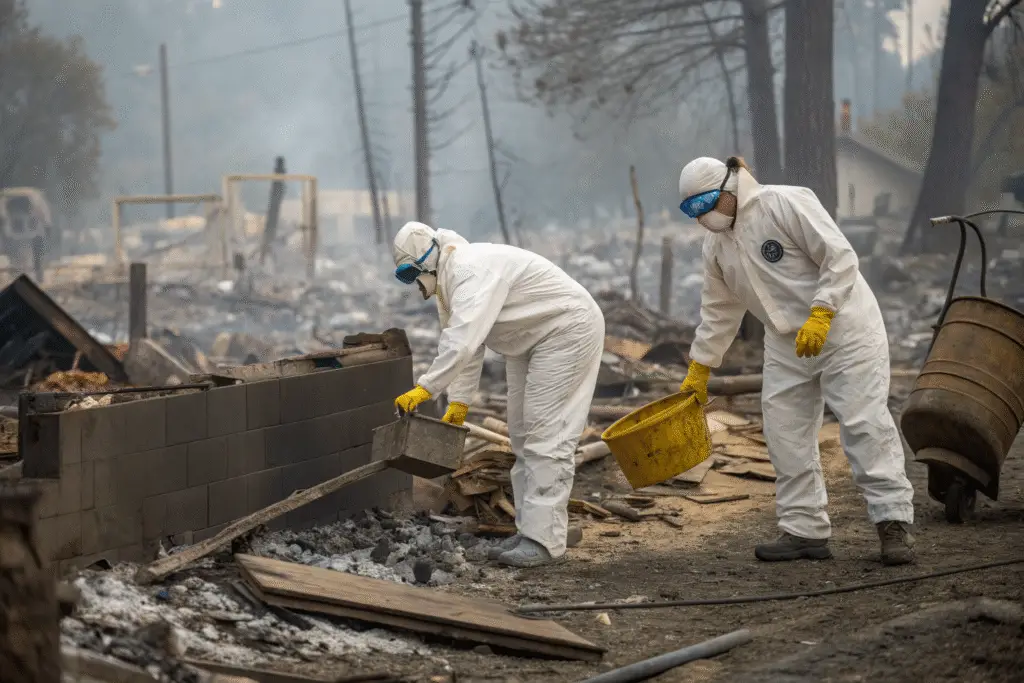
Why does FR cotton make sense?
Bulwark FR notes that it gives dependable protection without weighing workers down. It’s comfortable for hot, smoky conditions and works well for large cleanup crews.
What’s the limitation?
It doesn’t last forever. The FR treatment weakens after repeated washes, so garments need replacing more often. It’s a trade-off between affordability and longevity.
Modacrylic Blends
Modacrylic fibers are another solid option. They’re inherently flame-resistant, lightweight, and blend well with cotton or aramids. They won’t drip or melt and are great at self-extinguishing.
That makes them perfect for base layers, gloves, and lighter protective garments.
Why are they so practical?
Westex points out that modacrylic blends strike a sweet spot: soft, durable, flame-resistant, and even chemical-resistant.
Where do they shine?
In support layers or secondary protective clothing. They add comfort and safety without the full weight of premium fibers like Nomex or PBI.
Conclusion
Post-wildfire zones are dangerous places. Ash hides sharp debris, smoke lingers, and the ground can still smolder. In these conditions, the right fabric isn’t just clothing—it’s protection, peace of mind, and survival.
Here’s the breakdown:
- Nomex & Kevlar: Maximum fire and abrasion resistance.
- PBI blends: Premium heat stability and comfort.
- FR Cotton: Affordable, breathable option for lighter-risk tasks.
- Modacrylic blends: Lightweight protection for layering and comfort.
At the end of the day, the best gear balances safety, durability, and wearability. Crews need protection they can trust, but also gear they can move in, breathe in, and work long hours wearing.
At Shanghai Fumao Clothing, we specialize in sourcing and manufacturing custom protective gear that meets those needs. If your team is preparing for post-wildfire recovery work, reach out to our Business Director Elaine at elaine@fumaoclothing.com. Together, we can design gear that protects, performs, and lasts.