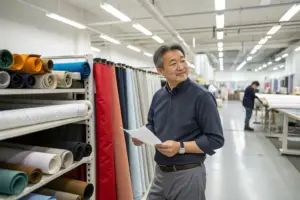
For many neurodiverse individuals, clothing is more than just style. Fabrics can trigger sensory discomfort, distraction, or anxiety if they are rough, heavy, or irritating. Parents of autistic children, adults with ADHD, and those with sensory processing differences often struggle to find clothing that feels comfortable and safe.
The best fabrics for neurodiverse-friendly clothing are soft, breathable, stretchable, and hypoallergenic, such as organic cotton, bamboo, jersey knit, and modal. These materials reduce irritation and provide a calming sensory experience.
As a clothing manufacturer, I have seen how choosing the right fabric can make a big difference in creating apparel that supports inclusivity. Let’s explore the best fabric options for neurodiverse-friendly clothing.
Why Fabric Choice Matters In Neurodiverse Clothing?
The wrong fabric can feel unbearable for someone with sensory sensitivities. Seams, tags, and harsh textures may cause distress and limit daily activities.
Fabric choice is essential in neurodiverse-friendly clothing because comfort and sensory regulation are linked to focus, confidence, and well-being.
How do fabrics affect sensory comfort?
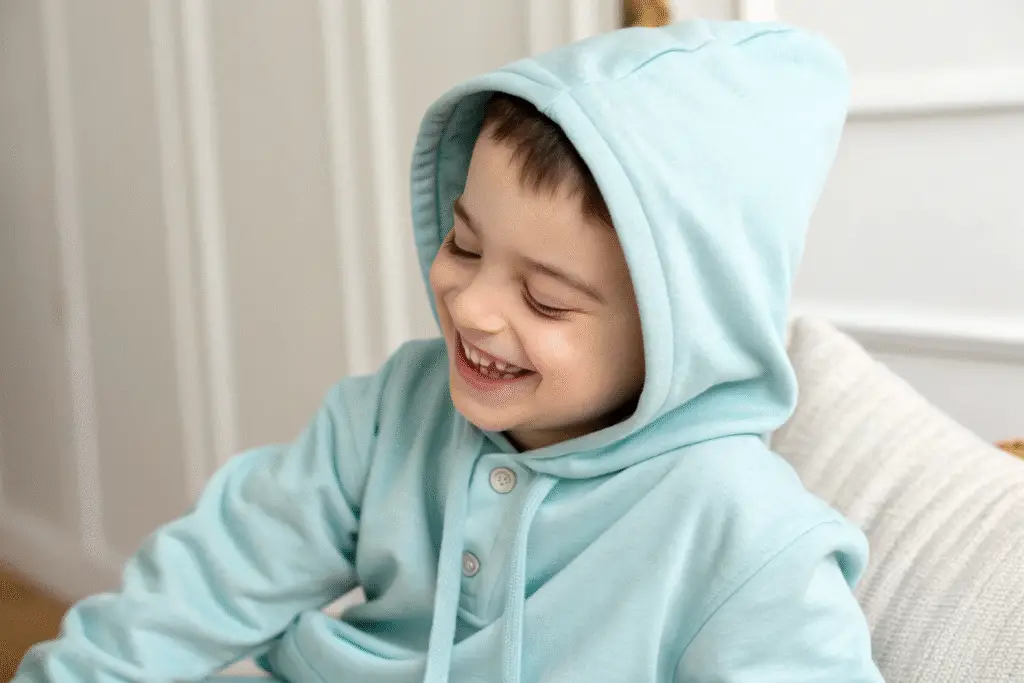
Rough textures or synthetic blends may irritate the skin. Fabrics that breathe well, such as organic cotton, reduce overheating and sweating, which can trigger sensory discomfort. According to Verywell Health, soft, tagless fabrics help children and adults with autism focus on activities instead of discomfort.
Why is flexibility important?
Many neurodiverse individuals prefer clothing with stretch. Jersey and spandex blends allow freedom of movement without tight pressure. Understood.org highlights that flexible fabrics reduce distractions from constant adjusting, creating a more supportive experience.
Best Natural Fabrics For Sensory-Friendly Wear
Natural fabrics are often the safest choice for sensitive skin. They provide softness, breathability, and hypoallergenic qualities that synthetic fabrics often lack.
Organic cotton, bamboo, and modal are leading natural fabrics for neurodiverse-friendly clothing.
Why is organic cotton ideal?
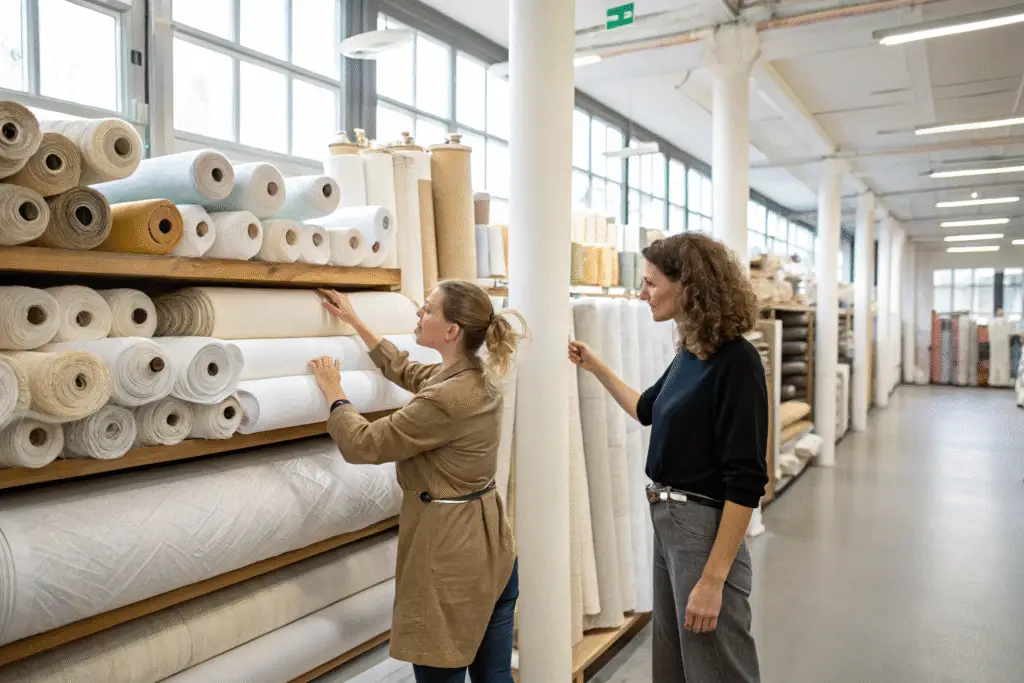
Organic cotton is soft, breathable, and free of chemical finishes. It is less likely to irritate the skin. Cotton Incorporated confirms that cotton remains one of the most trusted fabrics for comfort wear. OEKO-TEX certified cotton also ensures it is safe and chemical-free, which is important for sensitive users.
What makes bamboo fabric unique?
Bamboo is naturally moisture-wicking and silky. It regulates temperature, which helps individuals who are sensitive to heat. According to Textile Today, bamboo also resists odor, making it useful for children’s daily wear. The Good Trade notes bamboo’s eco-friendly properties appeal to sustainability-conscious brands.
Soft Knits And Stretch Fabrics For Flexibility
Soft knits and stretch fabrics provide freedom of movement and reduce tightness. They adapt to different body shapes and activities.
Jersey knit, spandex blends, and modal knits are popular for their stretch and softness in sensory-friendly fashion.
Why choose jersey knit?
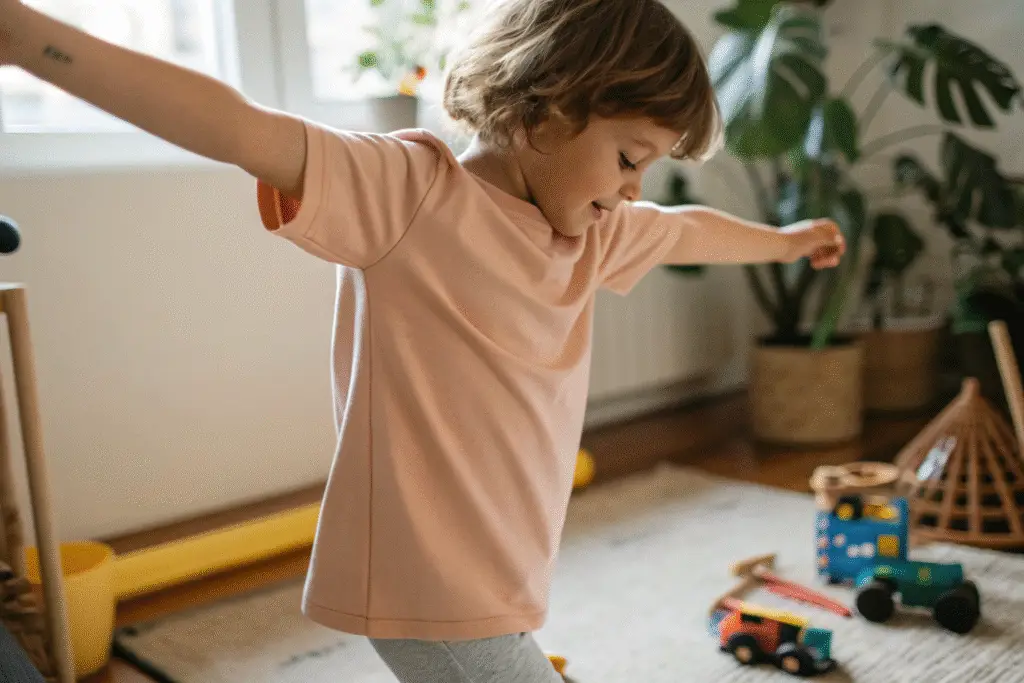
Jersey knit is lightweight, breathable, and has a natural stretch. It drapes smoothly, avoiding stiffness. Britannica’s textile entry explains its popularity in T-shirts and casual wear. Seamwork also shows jersey’s versatility for everyday comfort wear.
How do spandex blends improve comfort?
Adding a small percentage of spandex to cotton or modal makes clothing more flexible. It prevents tearing and improves movement. ScienceDirect research on spandex shows that even 5% spandex dramatically increases stretch. Spoonflower also lists spandex blends as top choices for active and adaptive clothing.
Design Considerations Beyond Fabrics
Fabric is just one part of making clothing inclusive. Design details such as seams, waistbands, and labels also play a big role.
Neurodiverse-friendly clothing works best when combined with seamless construction, tag-free labels, and adaptable fits.
Why are seamless designs better?
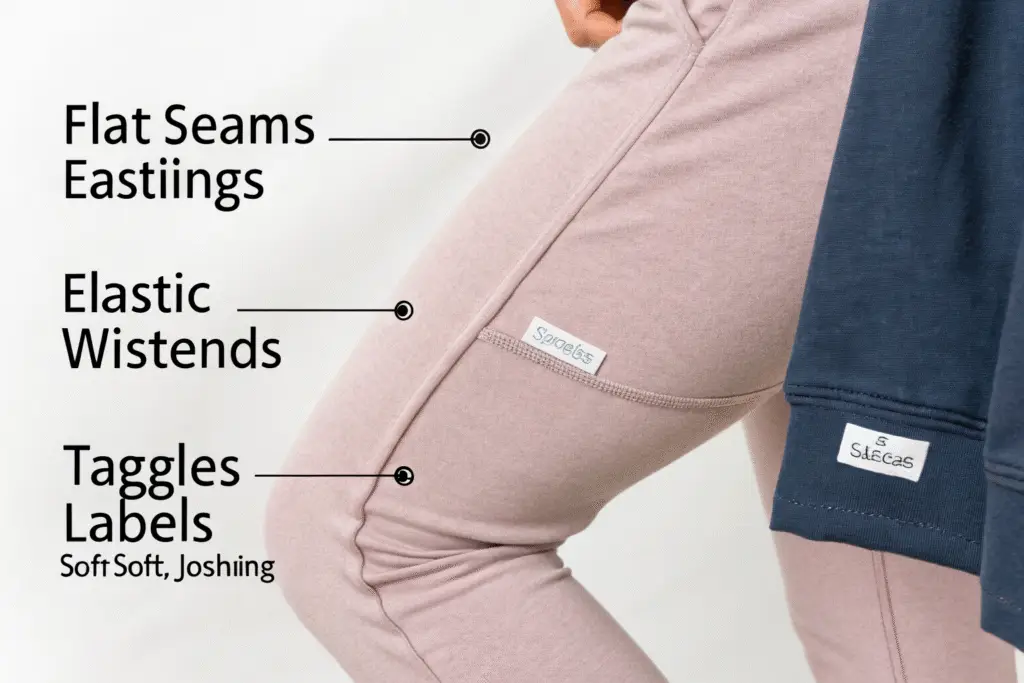
Seams can cause scratching and irritation. Seamless or flat-seamed garments prevent this. Autism Speaks lists seamless socks and tagless shirts as top sensory-friendly products. Tommy Hilfiger Adaptive also designs sensory-friendly clothes using flat seams for inclusivity.
How do adaptable features help?
Elastic waistbands, magnetic closures, and adjustable fits allow easier dressing. This is helpful for children and adults who struggle with fine motor skills. Zappos Adaptive offers inclusive designs with these features. Target’s Cat & Jack adaptive line also shows how mainstream retailers embrace these adaptations.
Conclusion
The best fabrics for neurodiverse-friendly clothing are soft, breathable, and adaptable. Organic cotton, bamboo, modal, jersey, and spandex blends support comfort and flexibility. Combined with tag-free labels, flat seams, and adaptable features, they create clothing that reduces stress and improves daily life.
If you are an apparel brand seeking a trusted manufacturing partner for inclusive fashion, Shanghai Fumao can help. Contact our Business Director Elaine at elaine@fumaoclothing.com to explore how we can produce sensory-friendly clothing tailored to your needs.