In the context of global apparel sourcing, fabric selection directly impacts product lifecycle performance, compliance, and market adaptability. Multi-seasonal apparel requires textiles that deliver both thermal regulation and moisture management, enabling garments to transition across climates while reducing SKU redundancy. For sourcing managers and product developers, the priority is identifying materials that balance comfort, scalability, and sustainability certifications.
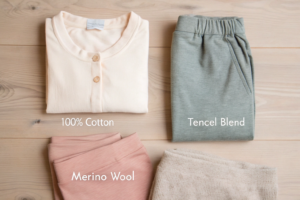
Key fabrics for multi-seasonal collections include merino wool, organic cotton, hemp, semi-synthetics like Tencel™ and Modal, and engineered blends with recycled synthetics.
Why Is Fabric Selection a Strategic Factor for Multi-Seasonal Lines?
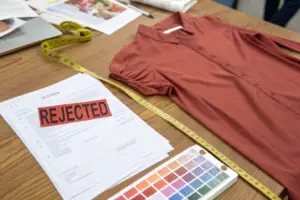
Fabric properties dictate comfort, durability, and consumer acceptance across multiple selling seasons. Inaccurate fabric selection results in higher return rates, inconsistent product performance, and diminished brand trust.
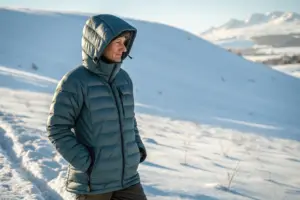
Multi-seasonal fabrics optimize SKU versatility, reduce overproduction, and support ESG frameworks by extending garment usability across climates.

How Do Technical Properties Influence Performance?
Breathability, GSM (grams per square meter), and thermal retention coefficients define fabric suitability. Textile Exchange highlights that merino wool consistently outperforms synthetics in temperature regulation across diverse climates.
Why Link Fabric Strategy to Sustainability Metrics?
Fashion United emphasizes that multi-season apparel reduces lifecycle impacts by lowering wardrobe redundancy, aligning with circular economy objectives and Higg MSI (Material Sustainability Index) benchmarks.
Which Natural Fibers Deliver the Best Multi-Seasonal Performance?
Natural fibers remain a cornerstone in sustainable sourcing due to their balance of comfort, biodegradability, and scalability.
Merino wool, organic cotton, and hemp consistently demonstrate strong performance for multi-seasonal applications.
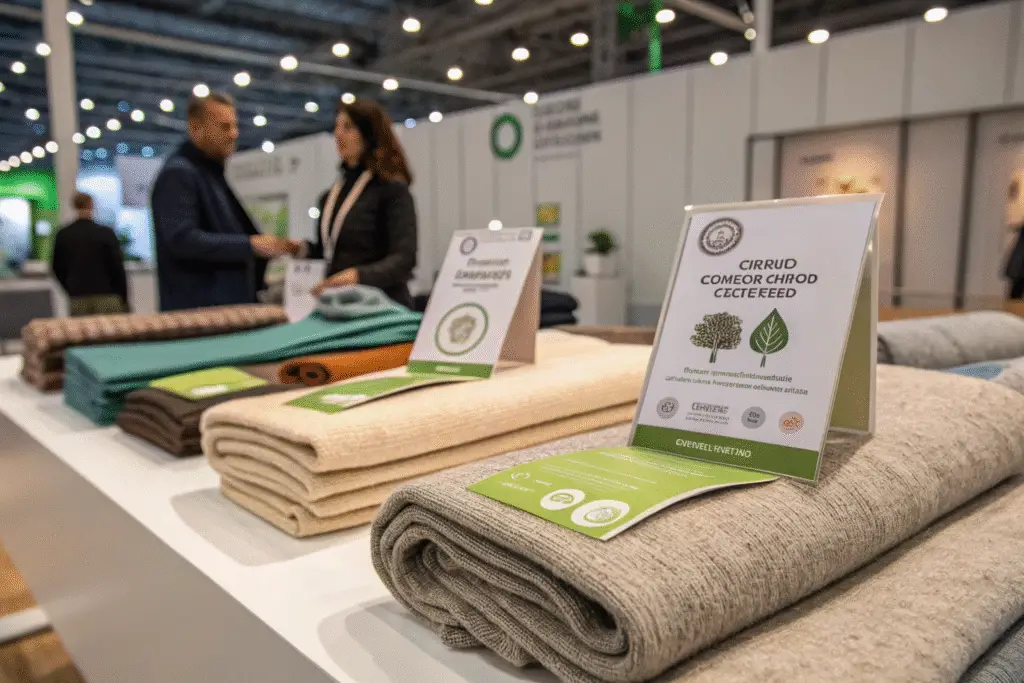
Why Prioritize Merino Wool?
Merino’s microstructure provides inherent thermal regulation and high moisture vapor transmission. Woolmark Company confirms merino’s versatility in both lightweight GSM summer knits and midweight layering systems.
Why Organic Cotton and Hemp?
Organic cotton offers high breathability and layering compatibility. Hemp contributes tensile strength and antimicrobial resistance while requiring significantly less water in cultivation. According to Apparel Resources, hemp-cotton blends enhance durability while lowering environmental footprint.
How Do Semi-Synthetic Fibers Expand Performance Options?
Semi-synthetics combine natural comfort with engineered consistency.
Tencel™ (Lyocell) and Modal deliver strong year-round adaptability with low-impact production methods verified by EU Ecolabel and OEKO-TEX certifications.
Why Select Tencel for Multi-Season Programs?
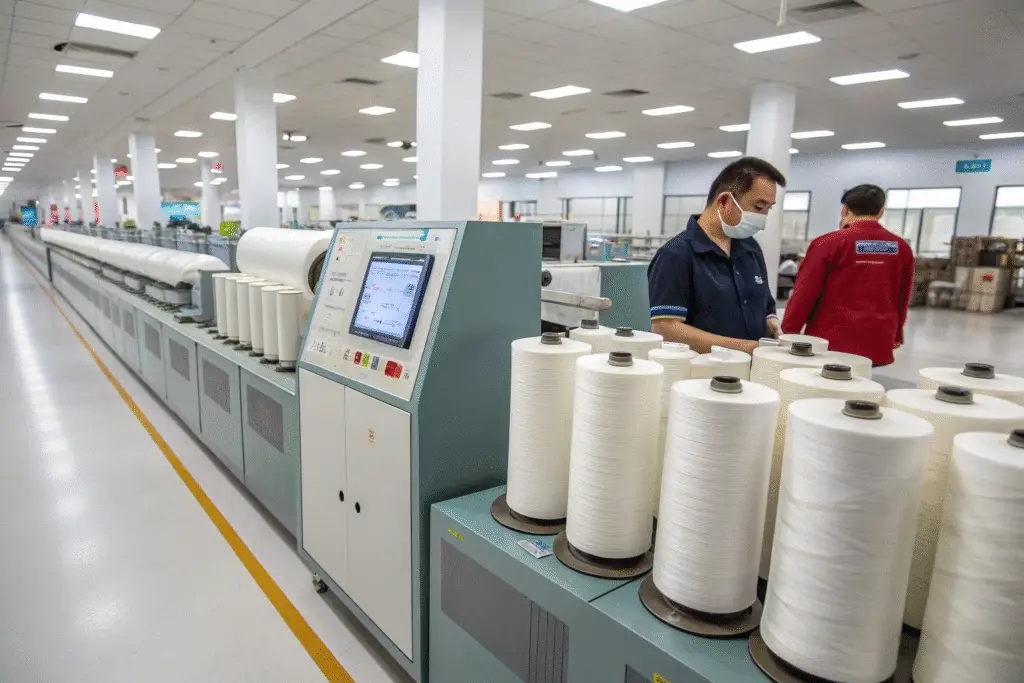
Lenzing reports that Tencel’s closed-loop production reduces solvent emissions while providing superior moisture management and drape. Its versatility allows integration into both base layers and woven applications.
How Does Modal Add Value?
Modal contributes softness and flexibility in layering systems. As Just-Style notes, modal blends extend fabric life cycles while maintaining eco-compliance, particularly in European markets where regulatory scrutiny is high.
What Role Do Engineered Blends Play in Multi-Season Apparel?
Engineered blends provide scalability by combining natural thermal regulation with synthetic durability and elasticity.
Blends allow precise control of moisture management, mechanical stretch, and lifecycle durability while optimizing cost-performance ratios.
Why Wool-Synthetic Blends?
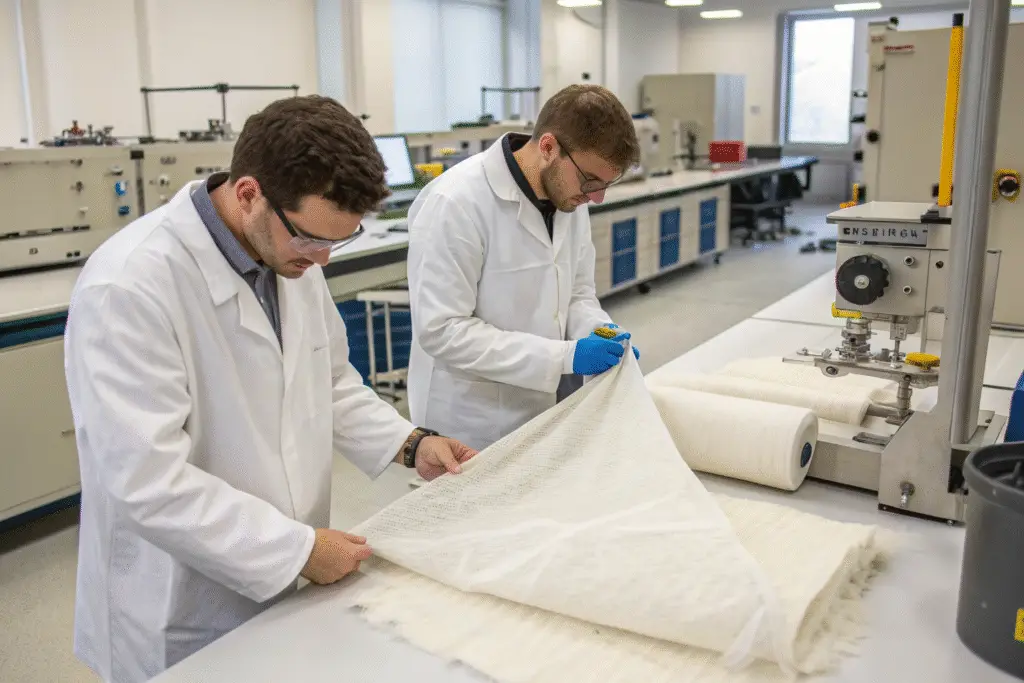
Wool-polyester composites enhance abrasion resistance and recovery rates without compromising thermal comfort. ScienceDirect research shows blended structures outperform pure fibers in lifecycle testing.
Why Integrate Recycled Synthetics?
Recycled PET and nylon-cotton hybrids reduce virgin fiber dependency. According to Textile Today, brands are adopting these blends to meet GRS (Global Recycled Standard) requirements while delivering scalability for large-volume sourcing.
Conclusion
For sourcing professionals, the best fabrics for multi-seasonal apparel are those that balance thermal adaptability, moisture management, durability, and certified sustainability metrics. Merino wool, organic cotton, hemp, Tencel, Modal, and engineered recycled blends are the top-tier options for brands seeking performance and compliance simultaneously.
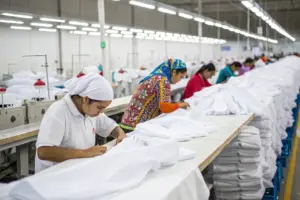
At Shanghai Fumao Clothing, we integrate multi-seasonal fabric sourcing with full-package manufacturing solutions tailored for U.S. and European buyers. For procurement managers evaluating fabric strategies for upcoming collections, please contact our Business Director, Elaine, at elaine@fumaoclothing.com.