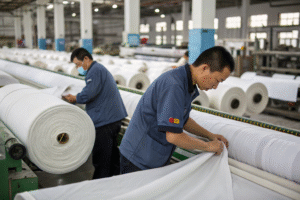
Skin sensitivity is a concern for many women, and lingerie, being one of the closest garments to the skin, plays a major role in comfort and well-being. Hypoallergenic lingerie is designed to reduce irritation by using fabrics that are gentle, breathable, and free from harsh chemicals. For lingerie buyers and brands, selecting the right material is not only about aesthetics but also about health and sustainability. The question then becomes: which fabrics are truly the best for hypoallergenic lingerie?
The most effective fabrics for hypoallergenic lingerie include organic cotton, bamboo, silk, and Tencel. These materials are naturally soft, breathable, and safe for sensitive skin, making them ideal choices for intimate apparel.
In the following sections, I will explain the benefits of each fabric, explore certifications and sustainability factors, and highlight key sourcing considerations for lingerie manufacturers.
Organic Cotton For Everyday Comfort
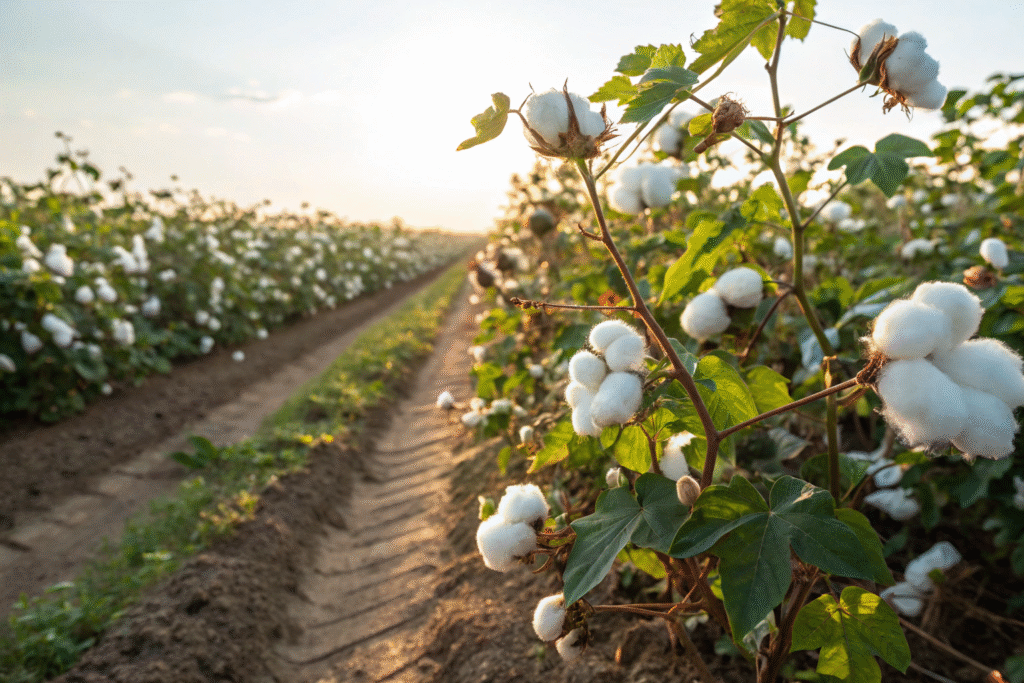
Organic cotton is one of the most trusted fabrics for sensitive skin. It is grown without synthetic pesticides or chemical fertilizers, making it safe and gentle for daily wear.
Organic cotton lingerie is breathable, durable, and reduces the risk of irritation while keeping the body cool and comfortable.
Its popularity also comes from the fact that it aligns with eco-friendly values, which is increasingly important for today’s conscious consumers.
Why Is Organic Cotton Safe For Sensitive Skin?
Organic cotton is free from harsh dyes and toxic chemicals that often cause rashes. According to Cotton Incorporated, its natural fibers allow airflow, which prevents sweat buildup and bacterial growth. This makes it especially suitable for people with eczema or easily irritated skin.
What Certifications Ensure Its Authenticity?
Certifications such as GOTS (Global Organic Textile Standard) and OEKO-TEX confirm that organic cotton meets strict safety and sustainability criteria. For lingerie brands, these certifications provide assurance to buyers that their products are genuinely hypoallergenic.
Bamboo Fabric For Breathability And Freshness
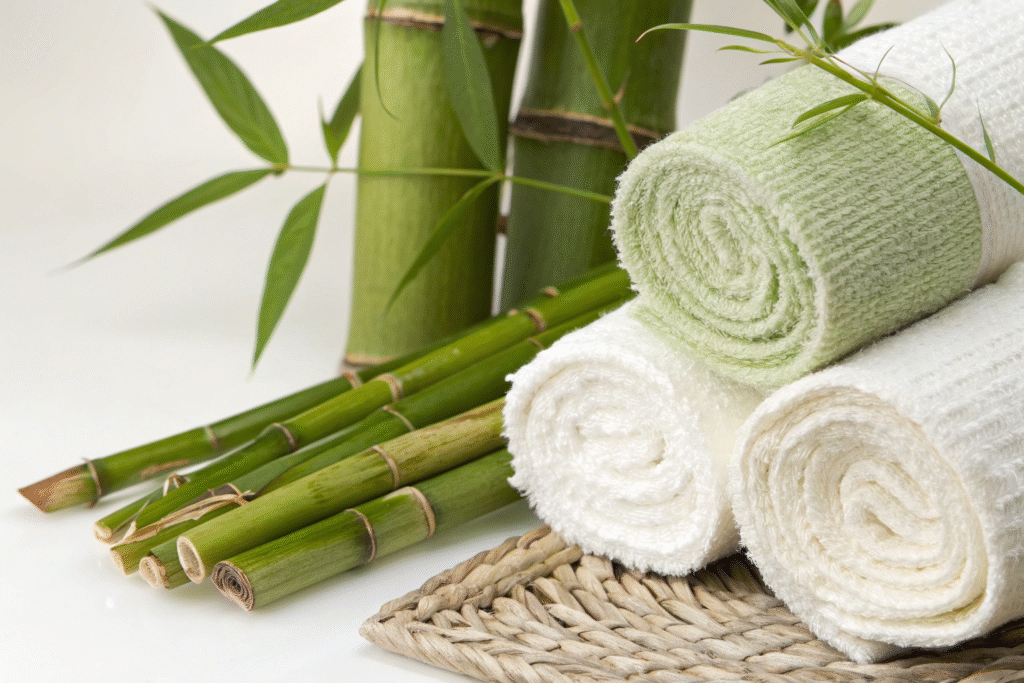
Bamboo fabric has become a popular alternative because of its smooth texture and natural antibacterial properties. Its fibers are soft, breathable, and reduce friction on the skin.
Bamboo lingerie absorbs moisture efficiently and helps maintain dryness, which is vital for sensitive areas.
This makes bamboo not only a comfortable choice but also a practical one for lingerie designed for long hours of wear.
Why Is Bamboo Considered Hypoallergenic?
Bamboo fibers resist dust mites and bacteria, which are common irritants for sensitive skin. Studies from NCBI show that bamboo textiles naturally reduce microbial growth, giving them an advantage in maintaining hygiene.
Is Bamboo Truly Sustainable For Lingerie Production?
Yes, bamboo is highly renewable and requires minimal water compared to cotton. Organizations like Textile Exchange recognize bamboo as an eco-friendly option. However, brands should confirm that suppliers use closed-loop production systems to minimize chemical processing in the fiber-to-fabric stage.
Silk For Natural Luxury
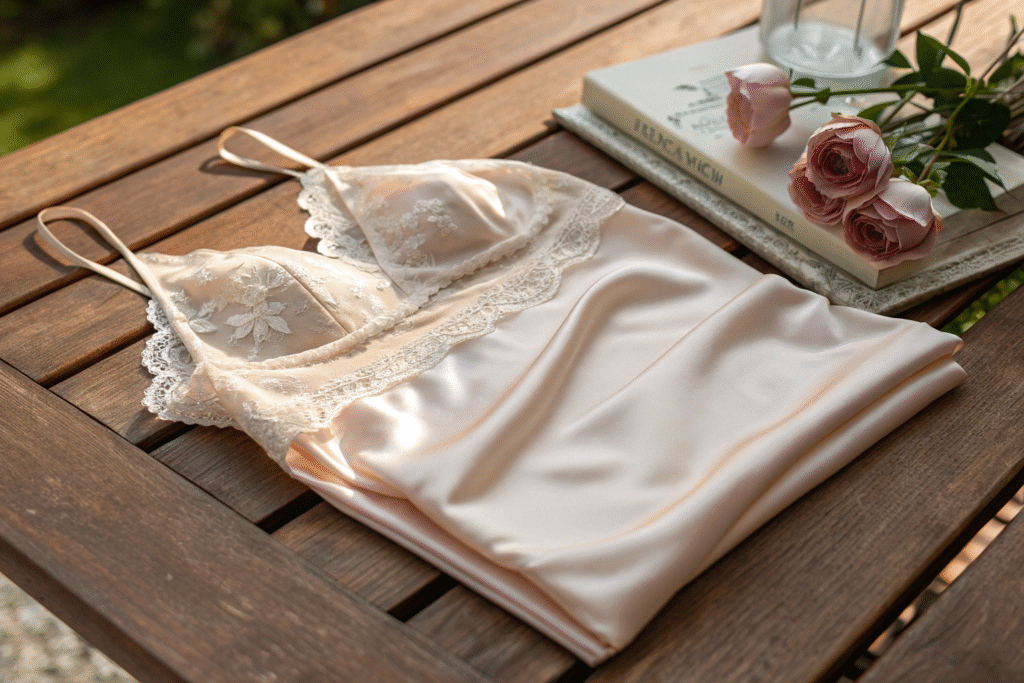
Silk has long been considered the fabric of luxury, but it is also naturally hypoallergenic. Its protein-based fibers feel smooth against the skin and reduce the chance of irritation.
Silk lingerie is lightweight, breathable, and cooling, making it a premium option for customers who want both comfort and elegance.
Although it requires delicate handling, silk continues to be one of the most desirable materials for intimate apparel.
Why Does Silk Work Well For Sensitive Skin?
Silk is composed of natural proteins similar to those in human skin, which makes it soothing and non-irritating. According to the Silk Association of America, its smooth surface prevents friction, making it an excellent fabric for lingerie worn over extended periods.
What Challenges Come With Using Silk?
Silk requires gentle care, such as handwashing or professional cleaning. In addition, sourcing ethical silk is important. Labels like Better Silk help ensure responsible production, which appeals to buyers concerned with both health and sustainability.
Tencel For Modern Sustainability
Tencel, or lyocell, is a relatively new fiber made from wood pulp using closed-loop production methods. This process recycles water and solvents, making it one of the most eco-friendly fabrics available.
Tencel lingerie is smooth, soft, and naturally resistant to irritation, offering both comfort and sustainability.
Because of its environmental benefits and skin-friendly qualities, Tencel has gained strong popularity in the lingerie sector.
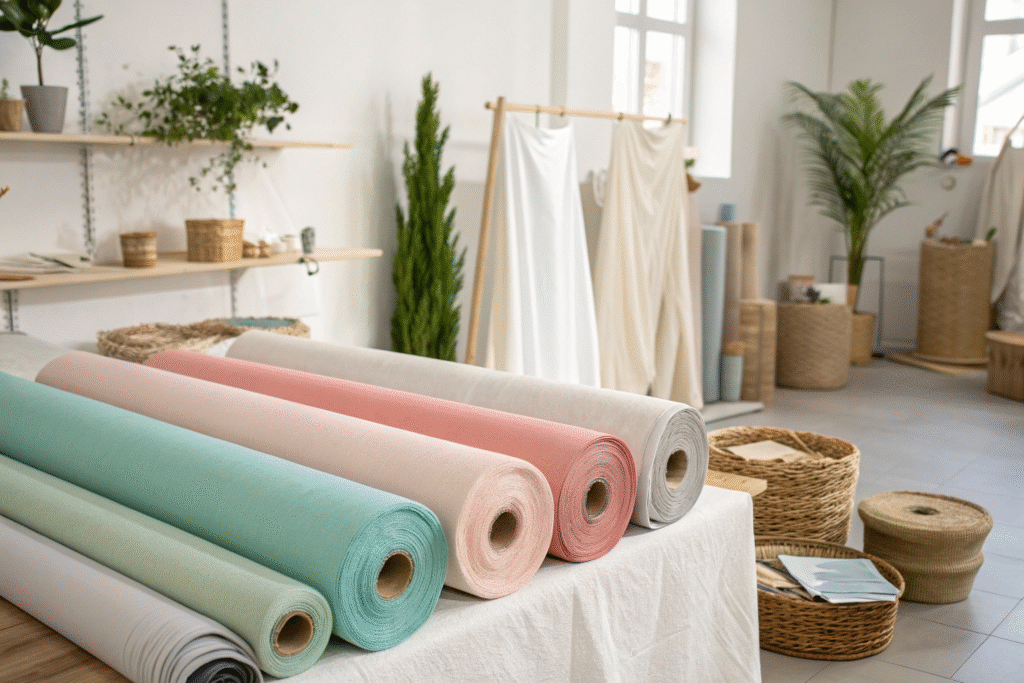
Why Is Tencel Good For Sensitive Skin?
Tencel fibers regulate moisture better than many natural fabrics, which helps prevent bacterial buildup. According to Lenzing Group, the producer of Tencel, the fiber’s smooth structure reduces friction, ensuring comfort for sensitive skin.
Is Tencel Becoming A Preferred Choice In Lingerie?
Yes, sustainable lingerie brands increasingly use Tencel as a primary fabric. Reports from Fashion United note that its softness, durability, and hypoallergenic qualities make it a top choice for modern intimate apparel.
Conclusion
The best fabrics for hypoallergenic lingerie are organic cotton, bamboo, silk, and Tencel. Each material provides unique benefits: organic cotton for everyday comfort, bamboo for breathability, silk for luxury, and Tencel for modern sustainability. Together, they show that lingerie can be both fashionable and safe for sensitive skin.
If you are exploring hypoallergenic lingerie production, our company Shanghai Fumao Clothing can assist. We specialize in sustainable, skin-safe fabrics and offer fully customizable lingerie manufacturing solutions. To discuss your next collection, please contact our Business Director Elaine at elaine@fumaoclothing.com.