The fashion industry is evolving—and fast. More than ever, apparel brands are under pressure to offer eco-friendly clothing options that don’t just look good, but feel good on both body and conscience.
Sustainable fashion starts with sustainable fabric. If you’re building an eco-conscious line, your raw materials must be safe, traceable, low-impact, and scalable. But with dozens of new textiles flooding the market, how do you choose the right one?
In this article, I’ll break down the best eco-friendly fabrics we use and recommend at Fumao Clothing, based on durability, market appeal, certifications, and ease of production.
Why Is Organic Cotton Still a Top Choice?
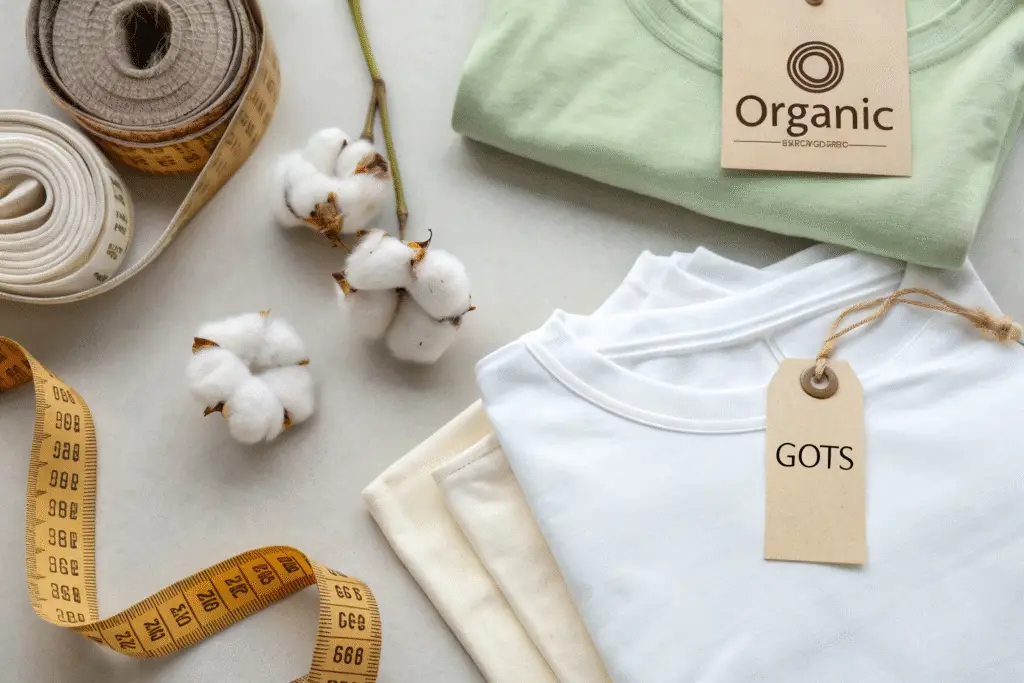
Organic cotton continues to lead the sustainable textile movement for a reason: it’s soft, versatile, and widely accepted across all age and fashion categories.
What Makes Organic Cotton Environmentally Friendly?
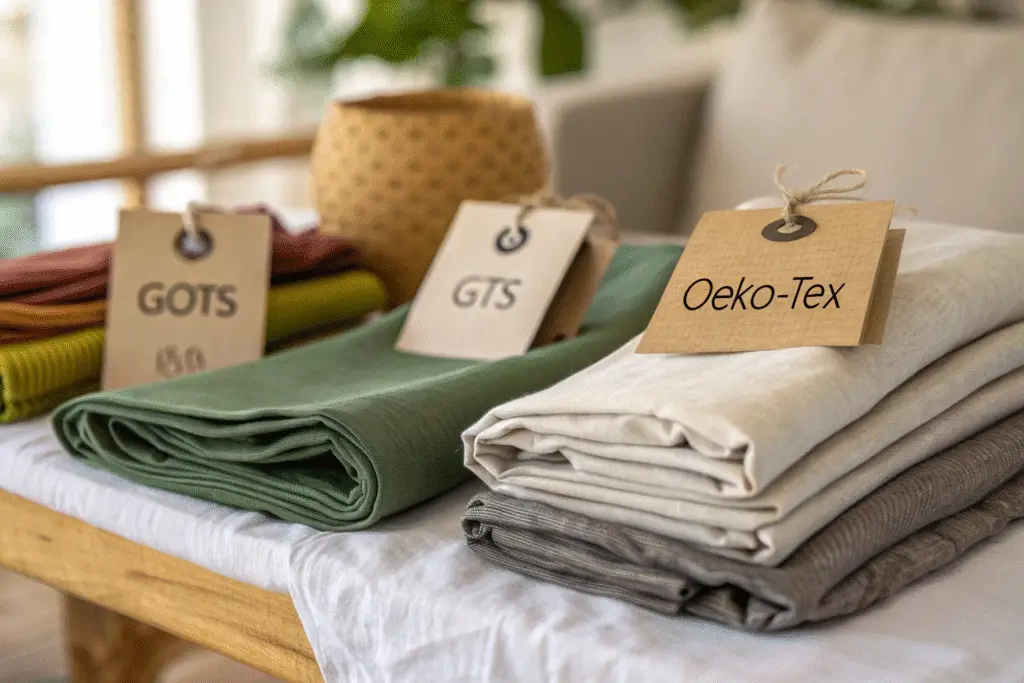
Unlike conventional cotton, organic cotton is grown without synthetic pesticides, reducing water use and protecting soil biodiversity. It’s typically certified by GOTS, which also covers processing and labor conditions.
The material has a softer hand feel, making it ideal for babywear, loungewear, and tees. At Fumao, we’ve helped U.S. brands launch entire collections using only OEKO-TEX or GOTS-certified organic cotton.
The shift to organic isn’t just a feel-good decision—it’s a branding advantage.
Is Organic Cotton Scalable for Mass Production?
Yes. China, India, and Turkey all have mature supply chains for organic cotton. At Fumao, we work with certified mills that supply bulk organic jersey, interlock, and French terry. Minimums are slightly higher, but not prohibitive.
Use platforms like Textile Exchange to locate certified suppliers and understand production standards.
What Is TENCEL™ and Why Do Eco Brands Love It?
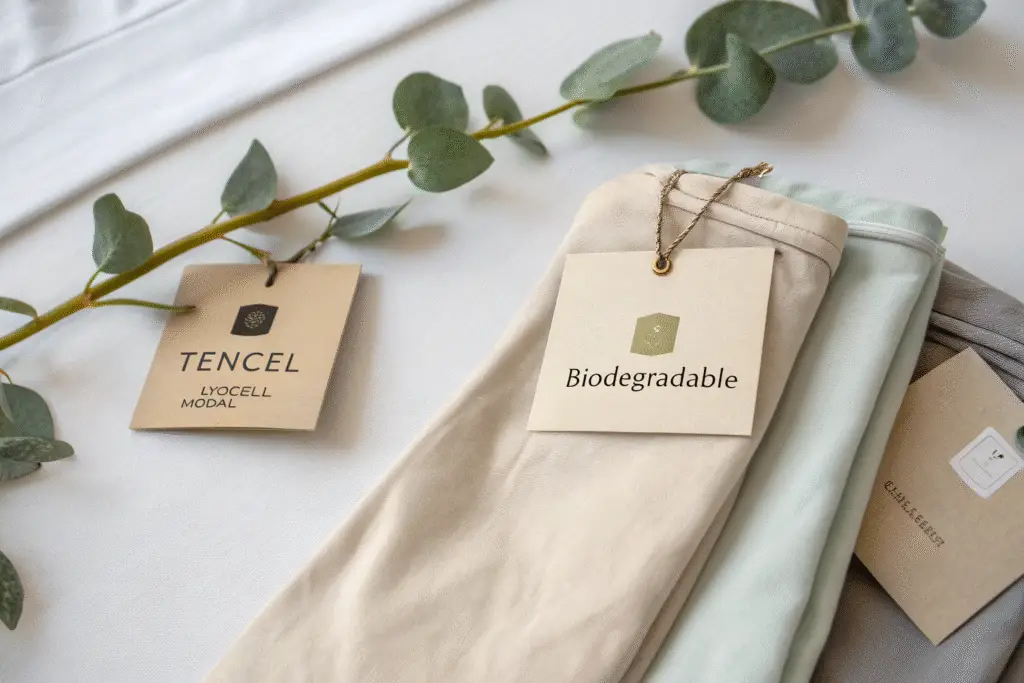
TENCEL™ is a branded lyocell and modal fiber from Austria’s Lenzing AG that has gained serious traction with premium eco brands.
How Is TENCEL™ Different from Regular Rayon?
TENCEL™ is made using a closed-loop production system, meaning the water and solvents are recycled up to 99%. Unlike rayon, which uses harsh chemicals, TENCEL™ relies on a non-toxic, biodegradable process.
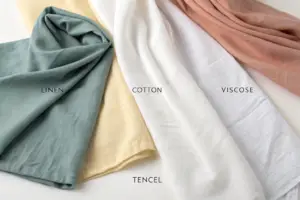
It’s smooth, breathable, and ideal for summer dresses, underwear, and flowy tops. It holds color well and resists wrinkles, making it perfect for ecommerce brands targeting comfort + sustainability.
Learn more from Lenzing’s official site.
Is It Easy to Dye and Sew TENCEL™?
Yes—but it needs care. We pre-wash TENCEL™ fabric to prevent shrinkage, and we recommend using softener-friendly dyes. For printing, water-based inks work best.
Many suppliers provide TENCEL™ blends with cotton or elastane, which offer structure and affordability. We’ve used TENCEL™ jersey for custom yoga lines and eco sleepwear brands.
Why Is Hemp Regaining Popularity in Eco Fashion?
Once considered too rough or “alternative,” hemp is making a comeback—refined, soft, and fully mainstream in 2025.
What Are the Environmental Benefits of Hemp Fabric?
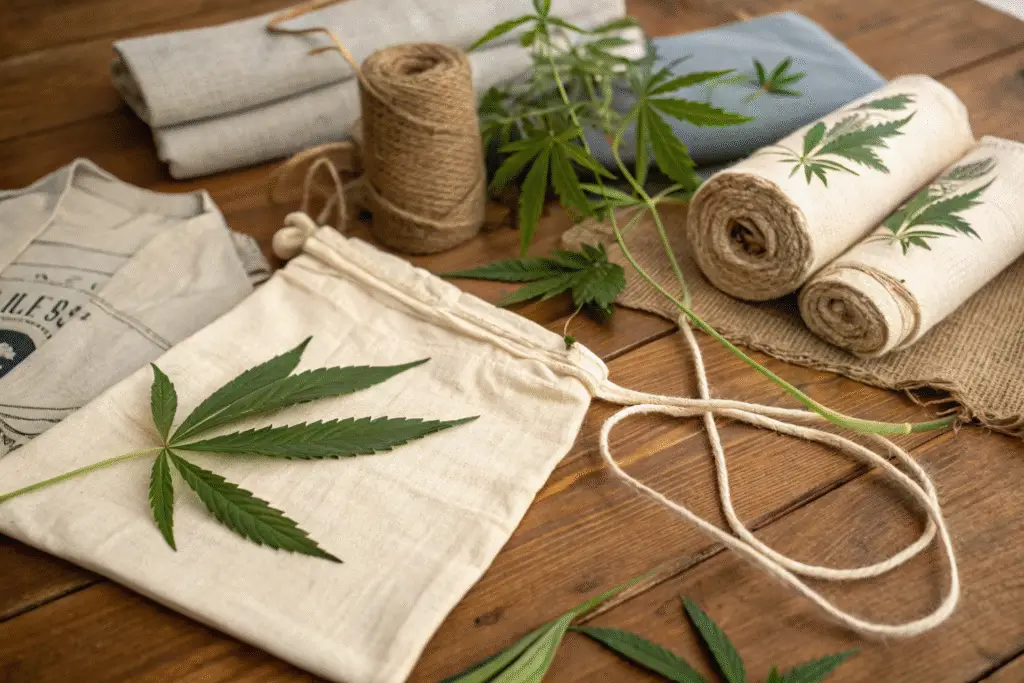
Hemp requires minimal water, zero pesticides, and returns nutrients to the soil. It's one of the most efficient and regenerative fibers on Earth. Plus, it grows fast—making it a low-impact staple for future-forward fashion.
Most modern hemp fabric is blended with organic cotton to soften the texture. At Fumao, we offer 55% hemp / 45% cotton jersey, fleece, and plain weave options.
You can explore Hemp Foundation for farming info and EnviroTextiles for sourcing.
Does Hemp Fit Modern Aesthetic Trends?
Yes. Hemp’s texture gives garments a naturally structured, vintage-meets-earthy vibe—perfect for streetwear, minimalist labels, and workwear. It accepts natural dyes well and ages beautifully.
We've seen U.S. clients launch hemp-based kidswear, aprons, and oversized shirts that are both on-brand and low-impact. Many include QR code traceability labels to reinforce their sustainability narrative.
Is Recycled Polyester Truly Sustainable?
Recycled polyester (rPET) is essential for performance wear, fashion-forward outerwear, and promotional apparel that still wants to be sustainable.
How Is rPET Made and Certified?
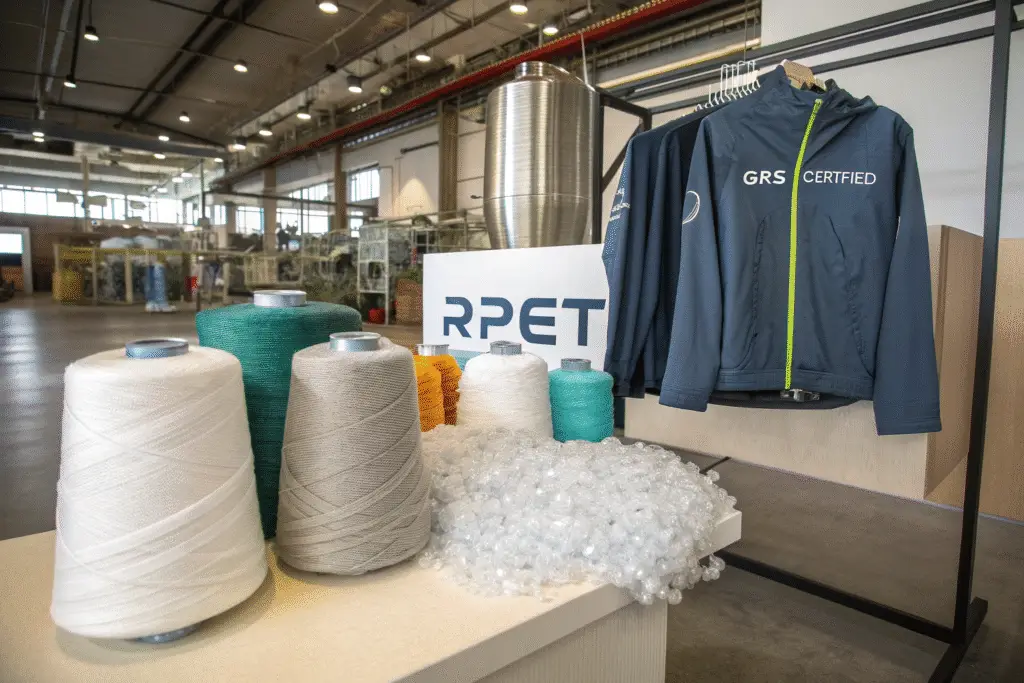
rPET is made by melting down post-consumer plastic (usually PET bottles) and spinning it into yarn. It reduces plastic waste and consumes 59% less energy than virgin polyester.
Factories like ours only work with GRS (Global Recycled Standard) certified mills. You can verify suppliers on Textile Exchange’s database.
While not biodegradable, rPET has a much smaller carbon footprint and is perfect for hoodies, tote bags, or recycled fleece jackets.
What Are the Downsides of Recycled Polyester?
While rPET reduces landfill waste, it still sheds microplastics during washing. Brands can mitigate this by adding wash care instructions (e.g., use a filter bag or cold cycle) and educating consumers.
Also, pricing for rPET is often higher than virgin polyester. But if your brand wants to align with circular fashion, it’s worth the investment.
Check EcoEnclose for recycled packaging partners who align with rPET apparel sourcing.
Conclusion
Choosing the right eco-friendly fabric is not just a sourcing decision—it’s a brand-defining move. Whether you choose organic cotton for softness, TENCEL™ for fluidity, hemp for texture, or rPET for performance, the key is transparency and intent.
At Fumao Clothing, we help eco-conscious brands turn sustainable ideas into beautiful, scalable collections. We work with certified mills, offer low-MOQ development, and even support custom labeling and storytelling through packaging.
Ready to build your eco-line the right way? Contact our Business Director Elaine at elaine@fumaoclothing.com for a fabric consultation or production quote today.