Exploring the Arctic requires clothing that goes beyond style—it is about life or death. Retailers and expedition leaders know the stakes are high, and the right fabrics can decide if someone stays safe or faces serious risk.
The best fabrics for polar gear include breathable synthetics, treated down, waterproof membranes, and natural fibers like merino wool.
When these materials are combined in proper layers, they give explorers the balance of warmth, dryness, and durability that no single fabric can achieve.
Which Insulating Fabrics Perform Best?
Insulation creates a warm barrier that shields the body against Arctic chill. Brands often choose between natural down and engineered synthetics, depending on budget and trip length.
Both down and synthetic options have strengths that fit different expedition requirements.

Is down insulation reliable in the Arctic?
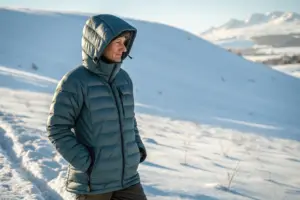
Down provides excellent warmth-to-weight. Outdoor companies like Patagonia use hydrophobic treatments to help feathers resist moisture. Without treatment, though, down collapses when wet, which makes it a risky choice in long storms.
Do synthetics perform better in wet conditions?
Artificial insulations such as PrimaLoft and Thinsulate are designed to hold heat even when soaked. According to Primaloft, they dry quicker than down, which helps in unpredictable Arctic climates. The trade-off is extra bulk, but many explorers accept that for reliability.
Why Is Fabric Choice Critical For Extreme Cold?
Arctic temperatures can plummet below -40°F, and the wrong textile can trap moisture or fail to block icy winds. This makes choosing the right base, middle, and outer layers essential for survival.
Good fabric choice balances heat retention with moisture control and weather protection.
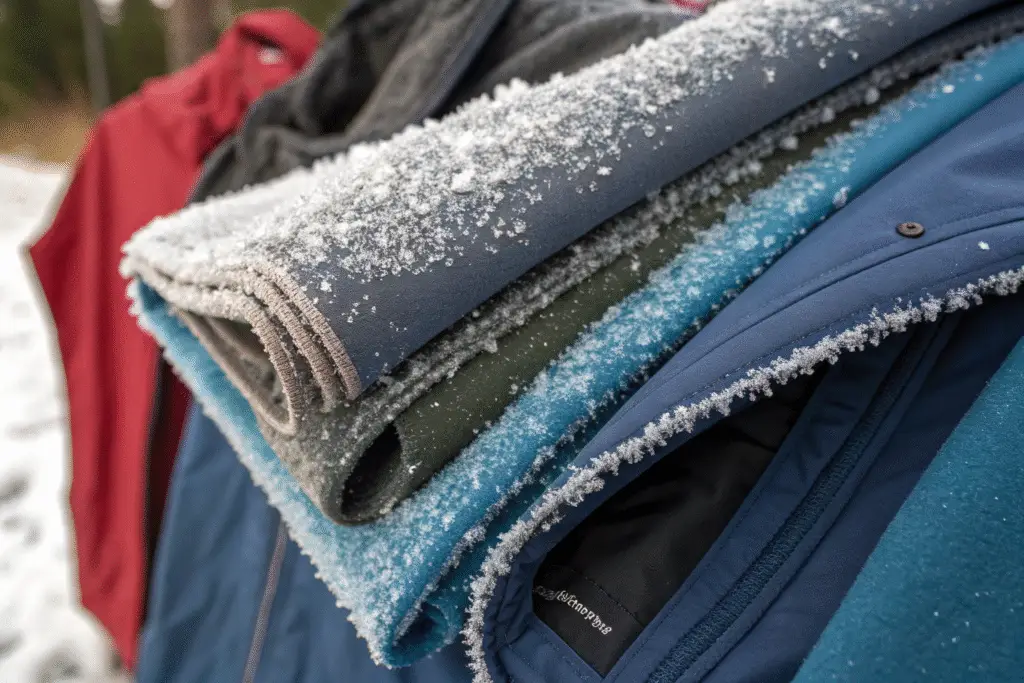
What happens if the wrong fabric is used?
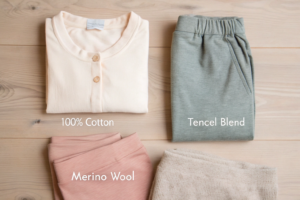
Cotton is dangerous in freezing weather. REI Co-op warns that cotton soaks up sweat, freezes, and removes body heat. Technical fibers like polyester or nylon avoid this by moving sweat outward.
Why is layering so important?
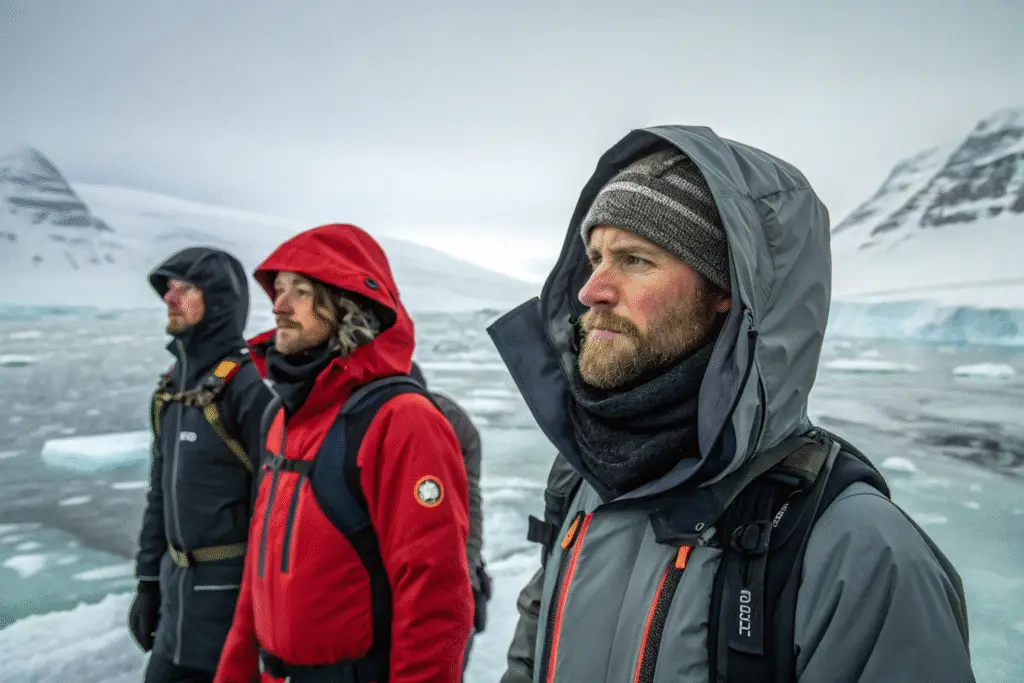
The National Park Service teaches a three-part system: base for moisture, mid-layer for insulation, and shell for weather. This flexibility lets explorers adapt clothing to changing conditions without sacrificing safety.
Why Is Wool Still Relevant In Modern Gear?
Even with high-tech synthetics, wool continues to serve an important role. Merino wool especially offers temperature regulation, odor resistance, and comfort, making it one of the best base layers for expeditions.
Wool remains relevant because it provides consistent warmth and breathability across long journeys.

Why do explorers prefer merino wool?
Merino fibers wick moisture, stay warm when damp, and reduce odor. The International Wool Textile Organisation emphasizes its natural sustainability, which attracts eco-conscious buyers.
Is wool alone enough for Arctic expeditions?
Not usually. It is used with down or synthetics. As Icebreaker explains, merino works best as a base or mid-layer under waterproof shells, forming part of an effective clothing system.
How Do Waterproof And Windproof Layers Work?
Strong winds and blowing snow can undo even the best insulation if the outer layer fails. Shell fabrics protect against this by blocking wind and sealing out water.
Waterproof and windproof layers keep insulation functional and explorers safe.
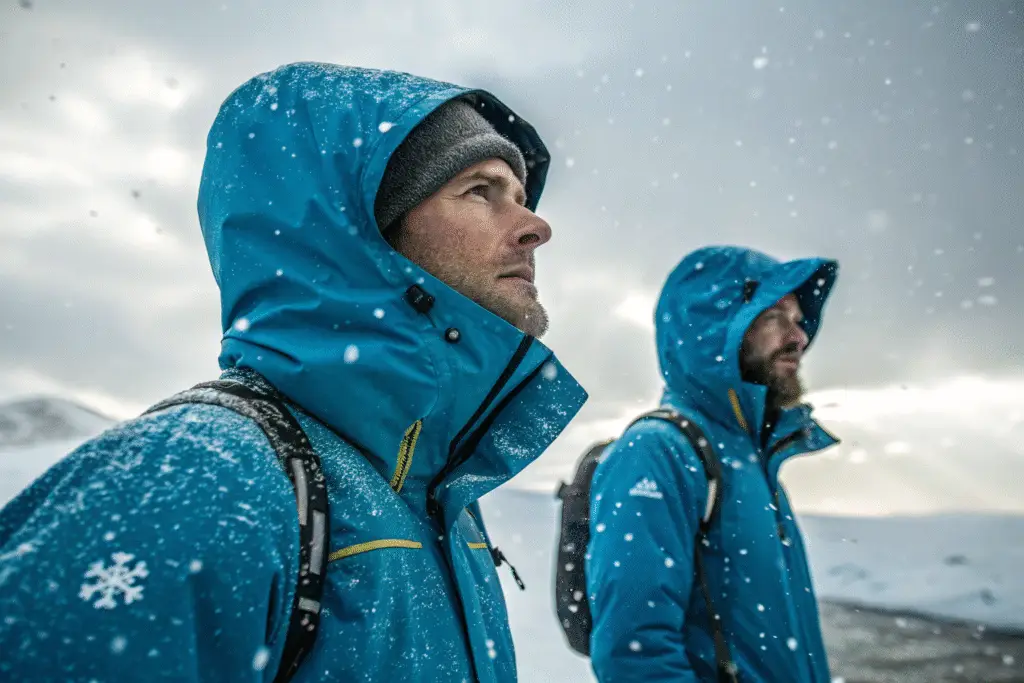
What role does Gore-Tex play in Arctic gear?
Gore-Tex is widely trusted for jackets and boots. Gore-Tex explains that its micropores stop liquid water while letting vapor escape, preventing overheating.
Are there alternatives to Gore-Tex?
Yes. Materials like eVent and Dermizax compete strongly. Outdoor Gear Lab shows that these offer solid performance, sometimes with better breathability and lower cost, giving buyers flexible options.
Conclusion
Expedition clothing is not just about looking good—it is survival equipment. Sourcing fabrics for Arctic use means choosing insulation wisely, combining wool with synthetics, and sealing it all with protective membranes.
At Shanghai Fumao, we help brands develop gear that blends durability with advanced textile science. To explore collaboration on Arctic apparel, please contact our Business Director Elaine at elaine@fumaoclothing.com.