Counterfeiting costs the global fashion industry billions each year, damaging brand reputation, eroding consumer trust, and cutting into profits. For apparel brands—especially those with premium or luxury positioning—protecting products from imitation is not just a legal matter, but a key part of brand strategy.
The best anti-counterfeiting measures combine physical product features, digital technology, legal enforcement, and consumer education. By making products harder to replicate and easier to verify, brands can deter counterfeiters and reassure buyers.
Here’s how to build a multi-layered protection plan.
Use Unique Physical Authentication Features
Adding hard-to-replicate physical markers to garments can stop many counterfeiters at the start.
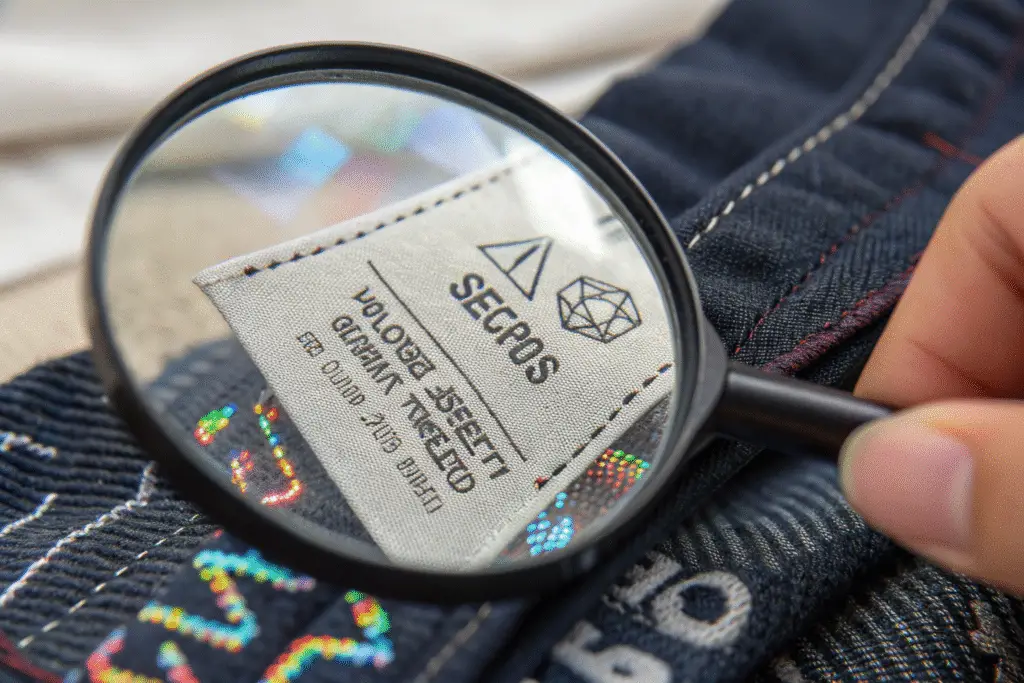
What features are most effective?
Security elements such as holograms, microprinting, watermarks, UV-reactive threads, and tamper-proof seals make duplication expensive and complex.
How should these be applied?
Integrate them into labels, tags, and packaging so they are part of the normal consumer experience but difficult for fakes to mimic accurately.
Implement Digital Verification Technology
Digital authentication allows customers to check a product’s legitimacy instantly.
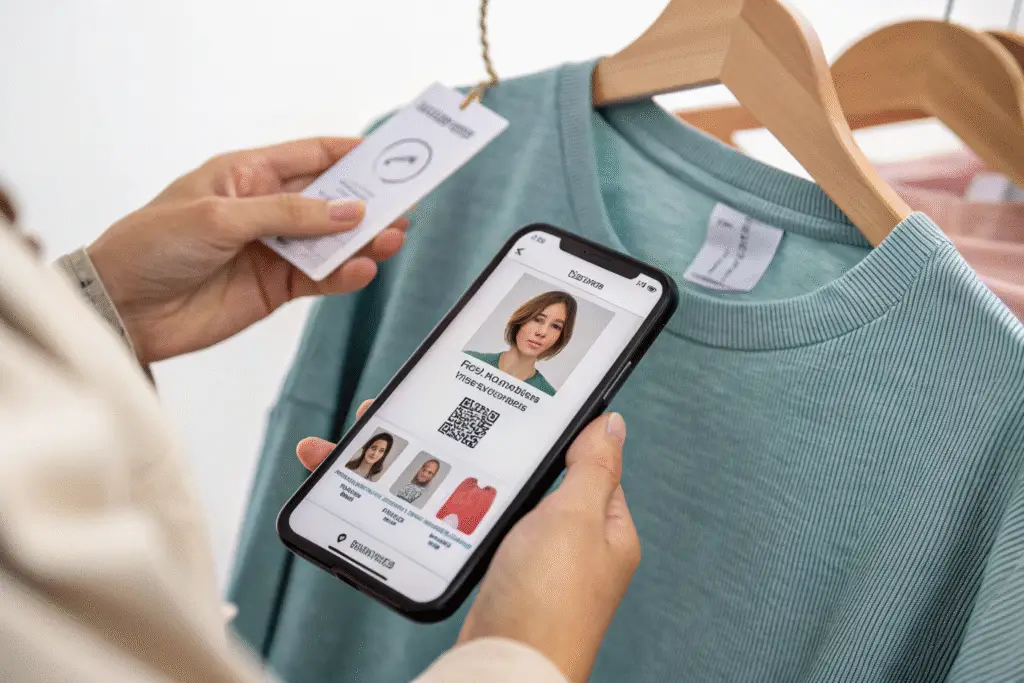
Which tech solutions work best?
QR codes linked to blockchain records, NFC tags, and RFID chips store unique product data. When scanned, they confirm authenticity and can even provide brand storytelling.
Can this be combined with loyalty programs?
Yes—linking authentication to loyalty rewards encourages customers to verify purchases and engage more with the brand.
Strengthen Supply Chain Security
Many counterfeits originate from unauthorized factory overruns or stolen goods.

How can you control the risk?
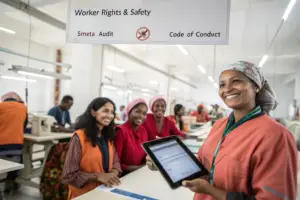
Audit manufacturing partners regularly, track inventory with serialized IDs, and use supply chain management software to spot irregularities.
What about packaging security?
Use tamper-evident packaging and monitor bulk shipments with GPS tracking to ensure goods reach intended destinations.
Enforce IP Rights Proactively
Strong legal enforcement keeps counterfeiters on the defensive.

What’s the best enforcement approach?
Register trademarks and designs in all target markets. Enroll in programs like Amazon Brand Registry and Alibaba IP Protection Platform for quick takedown of infringing listings.
Is market monitoring necessary?
Absolutely—tools like Red Points and MarkMonitor can scan online marketplaces and social media for counterfeit activity.
Educate Consumers On Authenticity
Educated customers are less likely to be tricked by fakes.

How can you teach authenticity?
Publish guides showing real vs. fake features, and train sales staff to explain them. Offering official verification services through apps or in-store checks builds confidence.
Does consumer awareness deter counterfeiting?
Yes—when customers actively verify products, counterfeiters face lower demand and higher risks.
Conclusion
The fight against counterfeiting requires a layered approach: physical security, digital tools, supply chain control, strong legal action, and consumer education. Brands that adopt these measures can better protect their products and maintain trust.
At Shanghai Fumao, we help brand partners integrate anti-counterfeiting features into apparel production from day one. To discuss secure manufacturing solutions, contact our Business Director Elaine at elaine@fumaoclothing.com.