Clothing manufacturing is a complex process that transforms raw materials into finished garments. How does this process work, and what are the key steps involved? Let’s explore the ultimate guide to clothing manufacturing, from design to delivery.
Clothing manufacturing involves multiple stages, including design, fabric sourcing, pattern making, cutting, sewing, and finishing. Each step requires precision and expertise to ensure high-quality garments.
Now, let’s dive deeper into the step-by-step process of clothing manufacturing and the key stages involved.
How is Clothing Made Step by Step?
What are the essential steps in clothing manufacturing? How do raw materials become finished garments?
Clothing manufacturing involves a series of steps, starting with design and ending with finished garments ready for sale. Each step is crucial to ensuring quality and efficiency.

What is the First Step in Clothing Manufacturing?
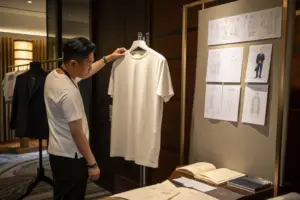
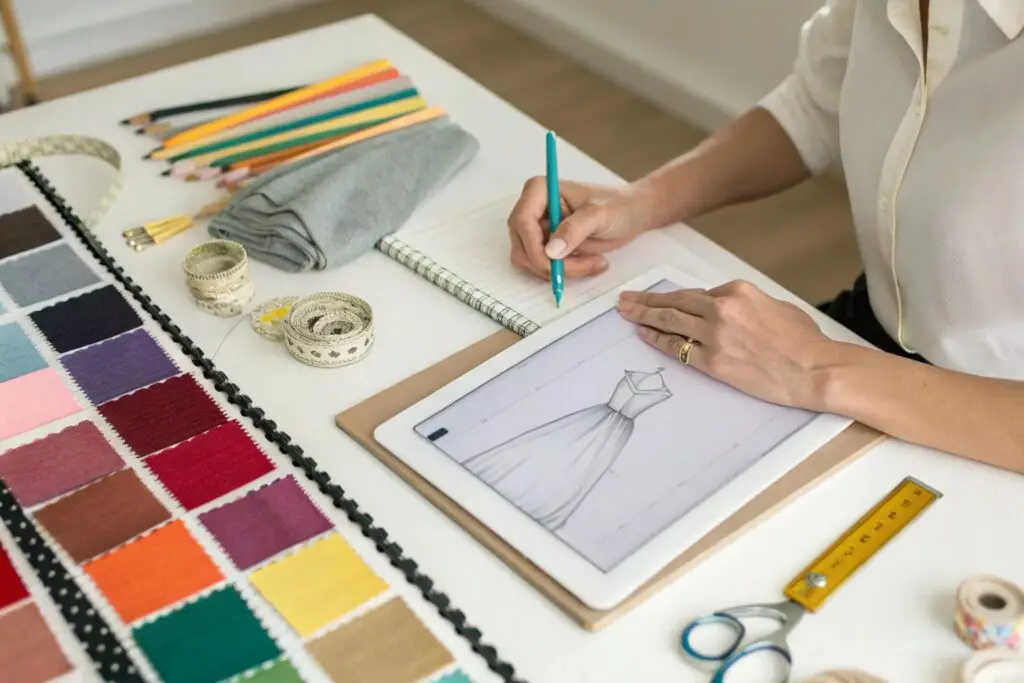
The first step in clothing manufacturing is design and development. This stage involves creating sketches, selecting fabrics, and finalizing the design.
Here’s how the design process works:
- Conceptualization: Designers create sketches and mood boards.
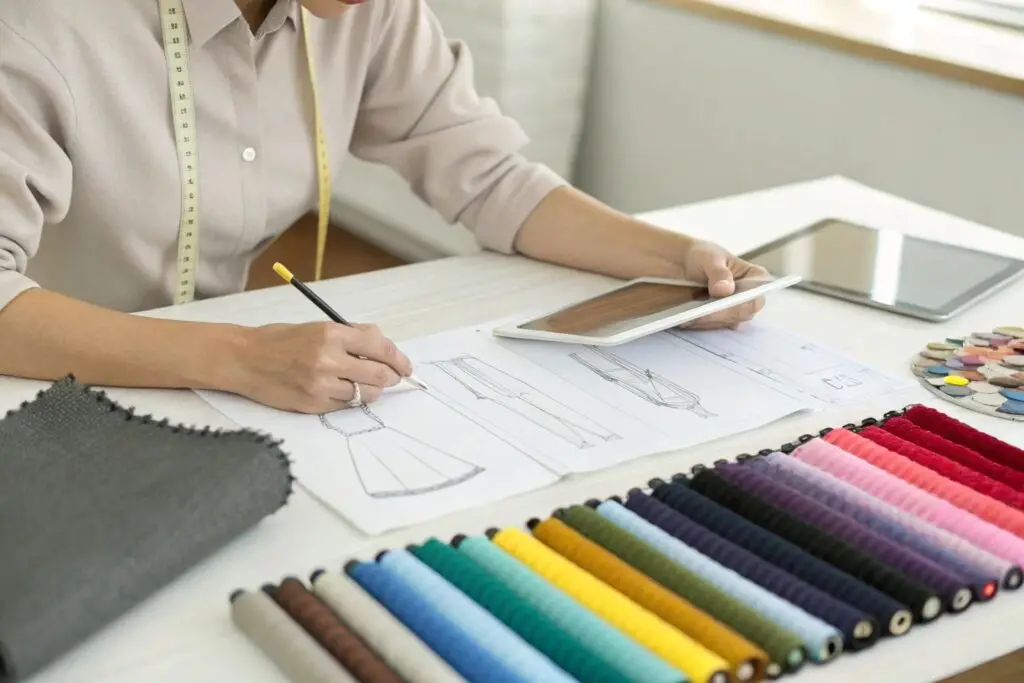
- Fabric Selection: Choose materials based on the design and functionality.
- Prototyping: Develop a sample to test the design and fit.
Design and development set the foundation for the entire manufacturing process.
How is Fabric Sourced and Prepared?
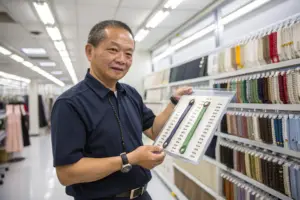
Once the design is finalized, the next step is fabric sourcing and preparation. This involves selecting suppliers, ordering materials, and inspecting fabrics for quality.
Here’s what happens during this stage:
- Supplier Selection: Choose reliable fabric suppliers.
- Fabric Inspection: Check for defects and ensure quality.
- Fabric Preparation: Pre-treat fabrics to prevent shrinkage or color bleeding.
Fabric sourcing and preparation ensure that the materials meet the required standards.
How to Manufacture an Item of Clothing?
What are the key stages in manufacturing an item of clothing? How do these stages contribute to the final product?
Manufacturing an item of clothing involves pattern making, cutting, sewing, and finishing. Each stage requires specialized skills and equipment to ensure precision and quality.
What is Pattern Making in Clothing Manufacturing?
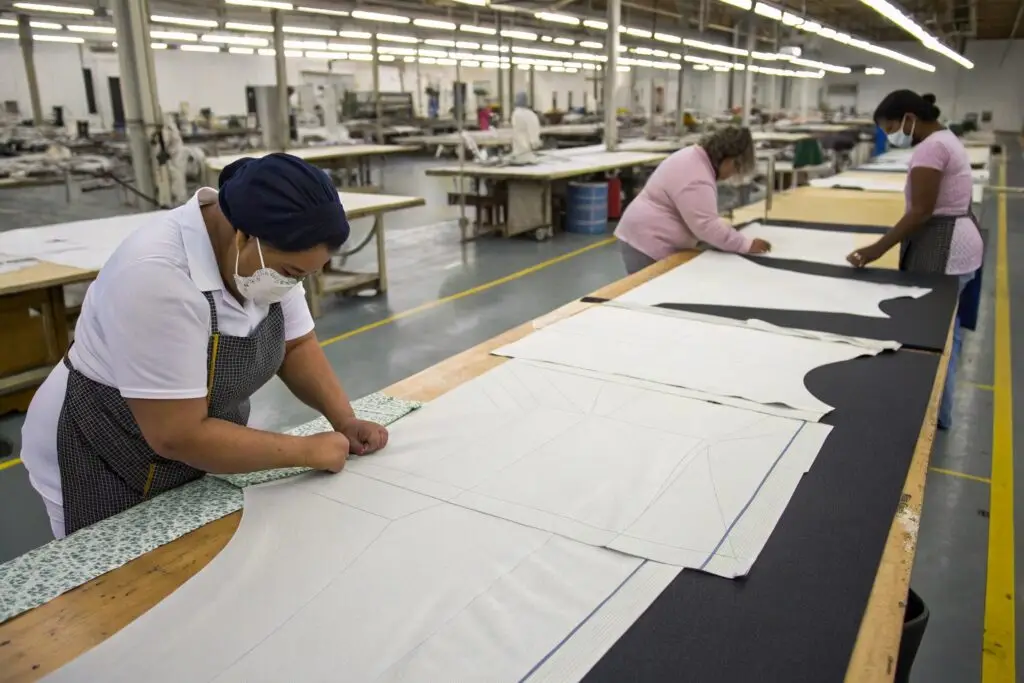
Pattern making is the process of creating templates for each piece of the garment. These templates guide the cutting and sewing processes.
Here’s how pattern making works:
- Drafting: Create a basic pattern based on the design.
- Grading: Adjust the pattern for different sizes.
- Marking: Transfer the pattern onto fabric for cutting.
Pattern making ensures that each piece of the garment fits together perfectly.
How is Fabric Cut and Prepared for Sewing?
After pattern making, the next step is cutting. This involves cutting the fabric into pieces based on the patterns.
Here’s what happens during cutting:
- Layering: Spread the fabric in multiple layers for efficient cutting.
- Cutting: Use cutting machines or manual tools to cut the fabric.
- Sorting: Organize the cut pieces for the sewing stage.
Cutting is a critical step that requires precision to avoid waste and ensure accuracy.
What Are the Steps in Garment Manufacturing?
What are the key stages in garment manufacturing? How do these stages ensure high-quality production?
Garment manufacturing involves design, fabric sourcing, pattern making, cutting, sewing, finishing, and quality control. Each stage is essential for producing high-quality garments.
What Happens During the Sewing Stage?
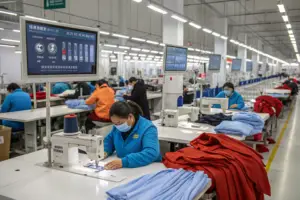
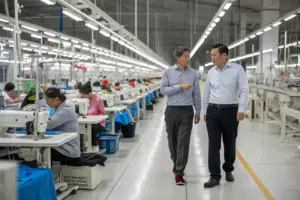
The sewing stage involves assembling the cut fabric pieces into a finished garment. This stage requires skilled workers and specialized machinery.
Here’s how sewing works:
- Assembly: Sew the fabric pieces together according to the design.
- Detailing: Add buttons, zippers, and other embellishments.
- Inspection: Check for any defects or inconsistencies.
Sewing transforms fabric pieces into a complete garment.
How is Finishing and Quality Control Done?
After sewing, the garment undergoes finishing and quality control. This stage ensures that the final product meets the required standards.
Here’s what happens during finishing:
- Pressing: Iron the garment to remove wrinkles and shape it.
- Trimming: Remove loose threads and excess fabric.
- Quality Control: Inspect the garment for defects and ensure it meets specifications.
Finishing and quality control are crucial for delivering high-quality garments.
What Are the 8 Stages of Garment Construction?
What are the eight key stages of garment construction? How do these stages contribute to the final product?
The eight stages of garment construction are design, fabric sourcing, pattern making, cutting, sewing, finishing, quality control, and packaging. Each stage plays a vital role in producing high-quality garments.
What is the Role of Packaging in Garment Construction?
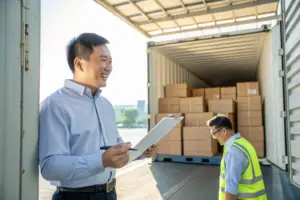
Packaging is the final stage of garment construction. It involves preparing the finished garments for shipment and retail.
Here’s how packaging works:
- Folding: Neatly fold the garments to prevent wrinkles.
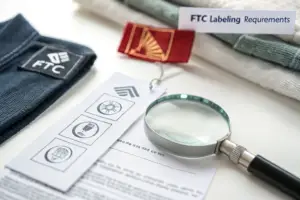
- Tagging: Attach price tags, labels, and care instructions.
- Packaging: Place the garments in poly bags or boxes for shipping.
Packaging ensures that the garments arrive in perfect condition.
How Does Quality Control Ensure Garment Excellence?
Quality control is a critical stage that ensures every garment meets the required standards. It involves inspecting the garments at various stages of production.
Here’s how quality control works:
- In-Process Checks: Monitor production at each stage.
- Final Inspection: Inspect the finished garment for defects.
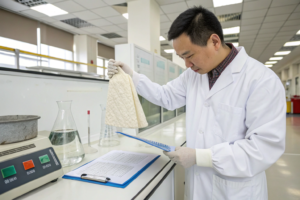
- Testing: Perform tests for colorfastness, durability, and fit.
Quality control guarantees that the final product is flawless.
Conclusion
Clothing manufacturing is a detailed and intricate process that involves multiple stages, from design to packaging. Each step requires precision, expertise, and quality control to ensure the final product meets the highest standards. By understanding these stages, you can appreciate the complexity and craftsmanship behind every garment.