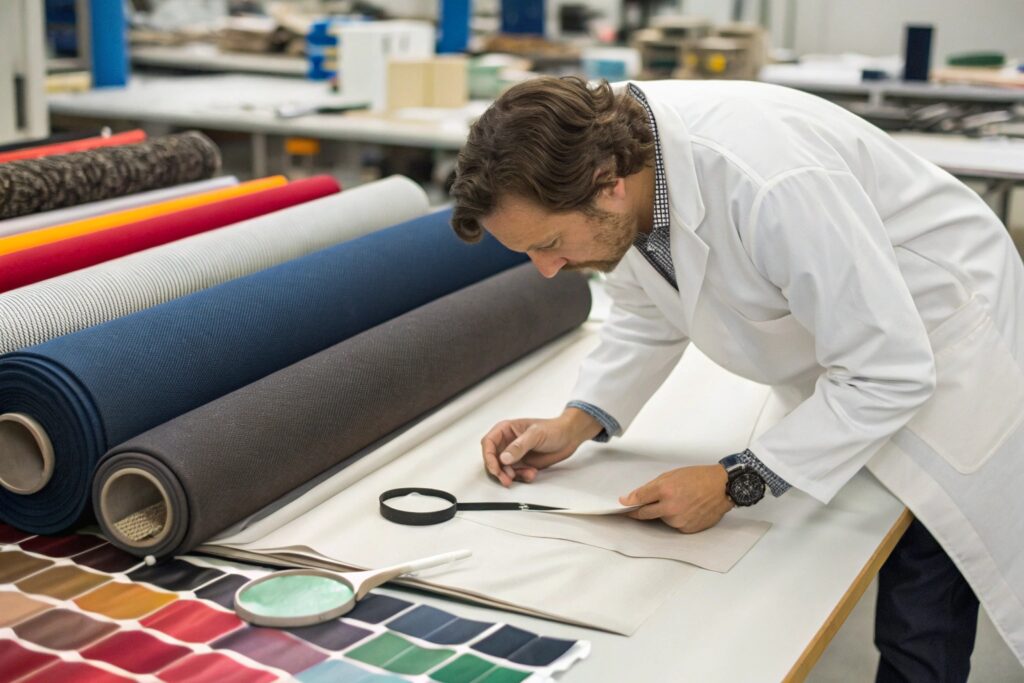
Garment manufacturing is a complex process that involves multiple stages, from design to final production. How do clothing brands and manufacturers ensure efficiency while maintaining quality?
The garment manufacturing process follows a structured approach, starting from fabric selection and pattern making to cutting, sewing, and finishing. Each step requires precision to achieve high-quality clothing that meets industry standards.
Understanding the entire production cycle helps businesses optimize efficiency and reduce production costs.
What Are the Steps of the Garment Production Process?
The garment production process includes various critical steps. But what is the complete workflow from fabric to finished product?
Garment production involves designing, sourcing materials, pattern making, cutting, sewing, finishing, quality control, and packaging. Each step ensures the final product meets style, fit, and durability expectations.

What are the key steps in garment production?
| Step | Description |
|---|---|
| Designing | Creating sketches and tech packs |
| Sourcing | Selecting fabrics and trims |
| Pattern Making | Developing garment patterns for sizing |
| Cutting | Cutting fabric as per the pattern |
| Sewing & Assembly | Stitching fabric pieces together |
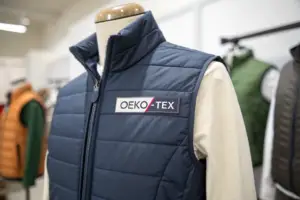
| Finishing | Adding labels, buttons, and ironing |
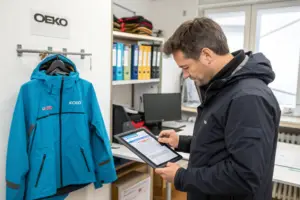
| Quality Control | Inspecting for defects and ensuring consistency |
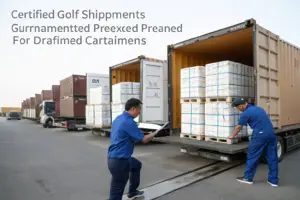
| Packaging & Shipping | Preparing garments for distribution |
Why is quality control important in garment production?
Without proper quality checks, defects in stitching, sizing, or finishing can lead to customer dissatisfaction. A strong quality assurance process ensures brand reputation and minimizes returns.
What Are the 8 Stages of Garment Construction?
Garment construction involves several stages before a finished piece is ready for sale. But what are the key phases?
The 8 stages of garment construction include fabric preparation, marking, cutting, sewing, assembling, finishing, pressing, and final inspection. Each step plays a crucial role in producing a well-structured garment.

What are the essential stages in garment construction?
| Stage | Key Process |
|---|---|
| Fabric Preparation | Checking fabric quality, pre-washing |
| Marking & Pattern Placement | Ensuring efficient fabric usage |
| Cutting | Precision cutting for accuracy |
| Sewing | Stitching fabric pieces together |
| Assembly | Joining components like sleeves and collars |
| Finishing | Adding trims, buttons, zippers |
| Pressing & Ironing | Removing wrinkles, improving appearance |
| Final Inspection | Checking for defects before packaging |
How does garment assembly affect production time?
Efficient garment assembly ensures smooth production flow and minimizes delays. Poor planning in this phase can cause bottlenecks in manufacturing.
What Are the Steps in Garment Pattern Making?
Pattern making is one of the most technical aspects of garment production. But what are the essential steps in this process?
Garment pattern making involves creating templates that define the shape and size of each garment component. The process includes drafting, digitization, grading, and marker making.

What are the steps in garment pattern making?
| Step | Purpose |
|---|---|
| Design Drafting | Creating an initial sketch-based pattern |
| Block Pattern Making | Developing a basic structure for garment fit |
| Grading | Adjusting pattern sizes for different measurements |
| Marker Making | Arranging patterns efficiently on fabric |
What are the common methods of pattern making?
- Manual Pattern Making – Traditional paper drafting method.
- Computer-Aided Design (CAD) – Digital pattern creation for accuracy and speed.
What Are the Methods of Garment Manufacturing?
Different manufacturing methods suit different production needs. But what are the main approaches in the garment industry?
Garment manufacturing methods include batch production, assembly line production, made-to-measure, and fully automated systems. Each method is chosen based on order size, efficiency, and product type.

What are the key garment manufacturing methods?
| Method | Best For |
|---|---|
| Batch Production | Small to mid-sized orders |
| Assembly Line Production | Mass production with high efficiency |
| Made-to-Measure | Custom clothing with personalized fit |
| Fully Automated Manufacturing | High-tech, low-labor production |
How does automation improve garment manufacturing?
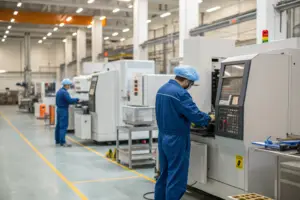
Automated cutting and sewing machines increase precision, reduce waste, and enhance production speed. While automation reduces labor costs, initial investments in technology can be high.
Conclusion
Garment manufacturing follows a detailed, step-by-step process to ensure efficiency and quality. From design to pattern making, cutting, sewing, and finishing, each stage plays a vital role in producing high-quality clothing. Understanding different manufacturing methods helps businesses optimize production and improve profitability.