Most fashion ideas fail not because they lack creativity—but because they never make it into production the right way. That’s where tech packs come in.
A tech pack is a document that transforms fashion ideas into production-ready garments by communicating every detail clearly to your manufacturer.
If you want smoother communication, better samples, and fewer delays, mastering tech packs is your secret advantage.
How to use tech in fashion?
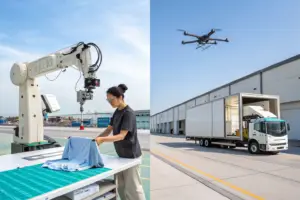
Most people think fashion is all about fabric and style. But technology now plays a massive role behind the scenes—especially during product development.
Fashion tech is used in every stage from digital sketching to 3D sampling and tech pack creation, making the process faster and more accurate.

What digital tools help transform fashion ideas into production-ready garments more efficiently?
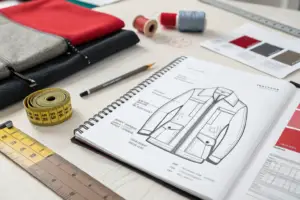
Many designers now start their work digitally. They use tools like Adobe Illustrator to draw clean outlines. Others turn to 3D platforms like CLO3D to preview how garments will fit and drape. Once the design is ready, all the information—measurements, materials, and stitching details—is placed into a tech pack. These tools reduce back-and-forth between designers and factories. Instead of guessing how a dress will look, the manufacturer can see everything digitally before sewing begins.
How do modern tech packs save time and money compared to traditional paper methods?
In the past, many fashion brands relied on hand sketches, printed size charts, and physical samples to explain their vision. That made updates slow and hard to track. Today, digital tech packs are shared online, edited in real time, and backed up to the cloud. If you update one spec, your supplier sees it instantly. This prevents confusion, saves weeks of sampling time, and keeps everything in one place—even across continents.
How much does a fashion tech pack cost?
If you’ve never made a tech pack before, you might be surprised by how much it costs. But the value it delivers far outweighs the price.
Fashion tech packs usually cost between $100 and $500 per style, depending on the designer’s experience and design complexity.

Why does a professionally-made tech pack help you avoid wasted sampling costs?
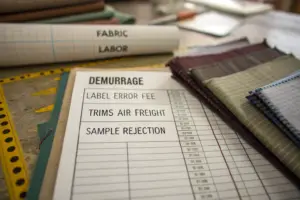
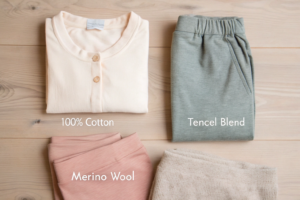
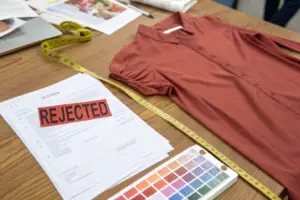
Every wrong sample means wasted fabric, time, and shipping costs. With a tech pack, you explain everything upfront—from fabric and trims to fit and packaging. That means your sample has a much higher chance of being right the first time. A $250 tech pack might save you over $1,000 in sample corrections and delays. It also gives you more power to compare quotes from multiple factories based on the same spec sheet.
What factors drive the price of a tech pack, and how should you plan your budget?
Here’s a breakdown of what affects tech pack pricing:
| Factor | Impact on Price |
|---|---|
| Style Complexity | Jackets and dresses cost more than basic T-shirts |
| Number of Views | Front, back, and side views add time |
| Number of Sizes | More grading means more measurement data |
| Fabric and Trim Details | More components need more explanation |
| Designer Experience | Skilled designers charge more but work faster |
If you plan to launch 5–10 styles, set aside at least $1,000 to $2,500 for tech packs. This will be one of your best investments in development.
How much should I charge for a fashion design?
If you’re a fashion designer, pricing your service can be tricky. Charge too low, and you lose money. Charge too high, and you lose clients.
Freelance fashion design fees typically range from $50 to $150 per hour or $300 to $800 per design, depending on the deliverables.

What factors should I consider before setting my rate for fashion design services?
First, think about your skill level and niche. Are you designing casualwear, outerwear, or technical gear? Next, decide if you’re charging hourly or per project. Hourly rates are great for unclear scopes. But per-style pricing is more common in fashion. Also, consider what’s included: sketches only, or full tech packs? Clients will pay more if you bundle multiple services. Don’t forget to include time for revisions and communication in your rate.
How can I build a fair pricing system that keeps both me and my client happy?
Here’s a simple example pricing breakdown:
| Service | Typical Range |
|---|---|
| Concept Sketch Only | $100–$250 |
| Full Tech Pack | $300–$600 |
| 3D Rendering (Optional) | $200–$500 |
| Extra Revisions | $30–$100 per round |
Always send a clear quote and scope of work before starting. This prevents misunderstandings and helps build long-term trust. If you’re just starting, offer lower rates to build your portfolio—but raise your rates as your skill and speed improve.
How to find a tech pack designer?
You may have great ideas, but turning them into a usable tech pack takes a different skill set. That’s where tech pack designers come in.
To find a tech pack designer, search on platforms like Upwork, Fiverr, or LinkedIn, and look for experience in your product category.
What should I look for when hiring someone to create a fashion tech pack?
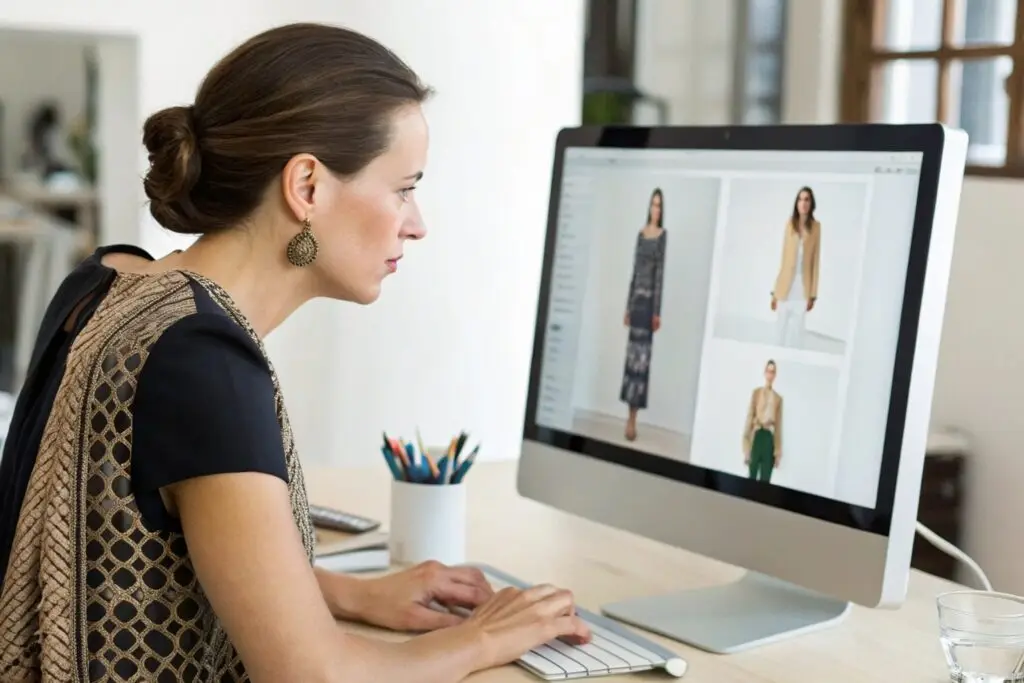
Not all designers are equal. Some are better at creative work, others excel at production specs. You want someone who understands manufacturing, not just drawing. Ask to see sample tech packs. Look for clear sketches, clean tables, and specific detail notes. Also check that they’ve worked on similar products—kidswear specs are different from lingerie or jackets. Communication skills are just as important. If they respond slowly or vaguely, that could delay your entire launch.
Where are the best places to find reliable tech pack designers, especially for startups?
Here are some good options:
| Platform | Pros | Cons |
|---|---|---|
| Upwork | Large pool, ratings, built-in contracts | Top freelancers charge more |
| Fiverr | Easy to compare packages and reviews | Quality varies widely |
| Great for networking and B2B connections | Takes time to filter candidates | |
| Dribbble/Behance | Good for portfolio browsing | Less focused on tech packs |
When reaching out, be clear about your needs: product type, number of designs, deadline, and budget. A good designer will ask the right questions. If they don't, that’s a red flag.
Conclusion
Tech packs bridge the gap between fashion ideas and finished garments. Whether you're a brand owner or designer, investing in tech packs makes your product development faster, smarter, and smoother.