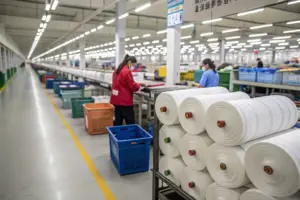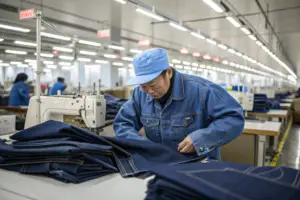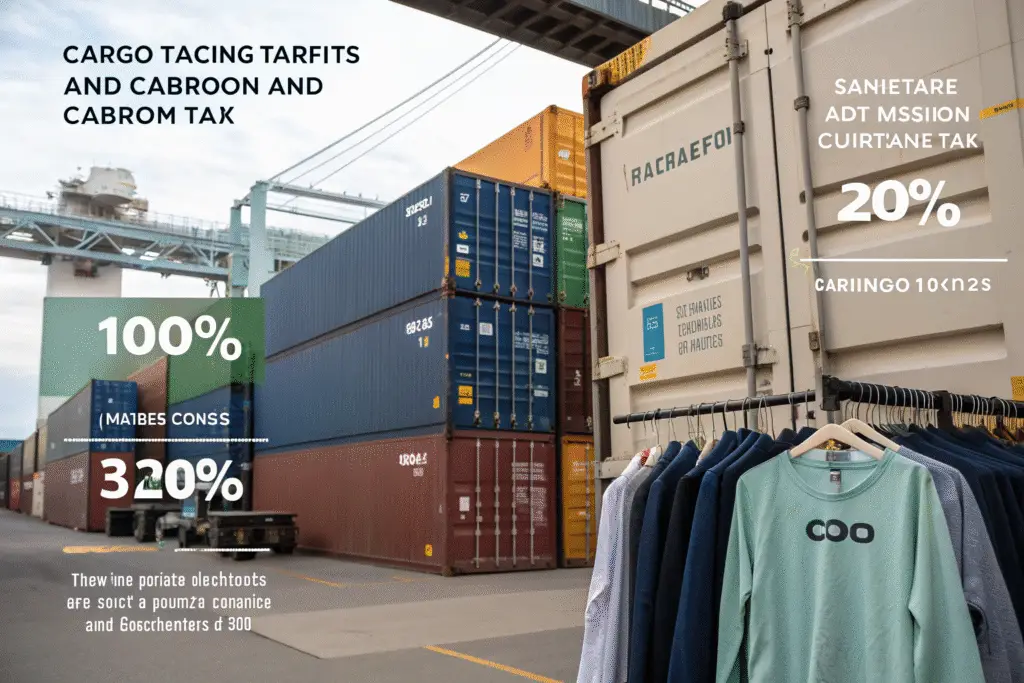
In 2025, global apparel trade faces a double-barreled economic hit: traditional import tariffs are now being compounded by carbon border taxes in the EU, U.S., and parts of Asia.
What was once a price adjustment issue has become a full-scale threat to sourcing strategies and brand profitability.
📉 Apparel importers now face a 25–40% combined cost increase on some SKUs due to duties + emissions fees.
As a supplier to global brands, we break down how these policies work, which products are most exposed, and how to adapt your sourcing model before this storm becomes a full collapse.
What Is a Carbon Border Adjustment Tax?
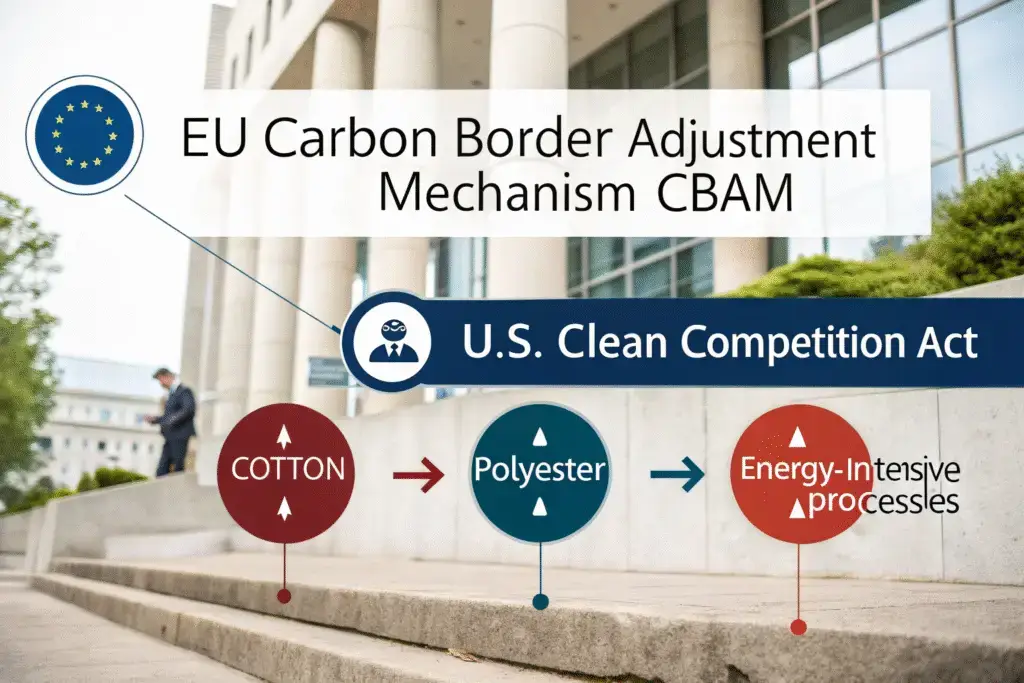
A carbon border adjustment tax (CBAT) charges importers based on the estimated CO₂ emissions generated during production—especially for energy-intensive goods.
In the EU, the Carbon Border Adjustment Mechanism (CBAM) launched in pilot form in 2023 and goes into full effect for textiles in 2026, but many importers already see indirect impact via voluntary emissions declarations.
In the U.S., the proposed Clean Competition Act would apply carbon fees to imports based on their embodied emissions compared to domestic averages—likely affecting synthetic apparel, denim, and printed items by 2025–2026.
How Do Tariffs and Carbon Taxes Compound Apparel Costs?
Here’s how a mid-market polyester hoodie might be impacted:
| Cost Layer | Before (2022) | After Tariff (2025) | After Tariff + CBAT (2025) |
|---|---|---|---|
| FOB Price | $6.00 | $6.00 | $6.00 |
| Import Tariff (25%) | $1.50 | $1.50 | $1.50 |
| Emissions Fee (EU/U.S.) | $0.00 | $0.00 | $1.20 (est.) |
| Landed Cost | $7.50 | $7.50 | $8.70 |
That’s +45% vs original FOB, just from regulatory add-ons.
Even cotton styles are not immune—especially if ginned or dyed in regions with coal-based energy grids.
Which Garments Are Most at Risk of Carbon + Tariff Cost Overlap?
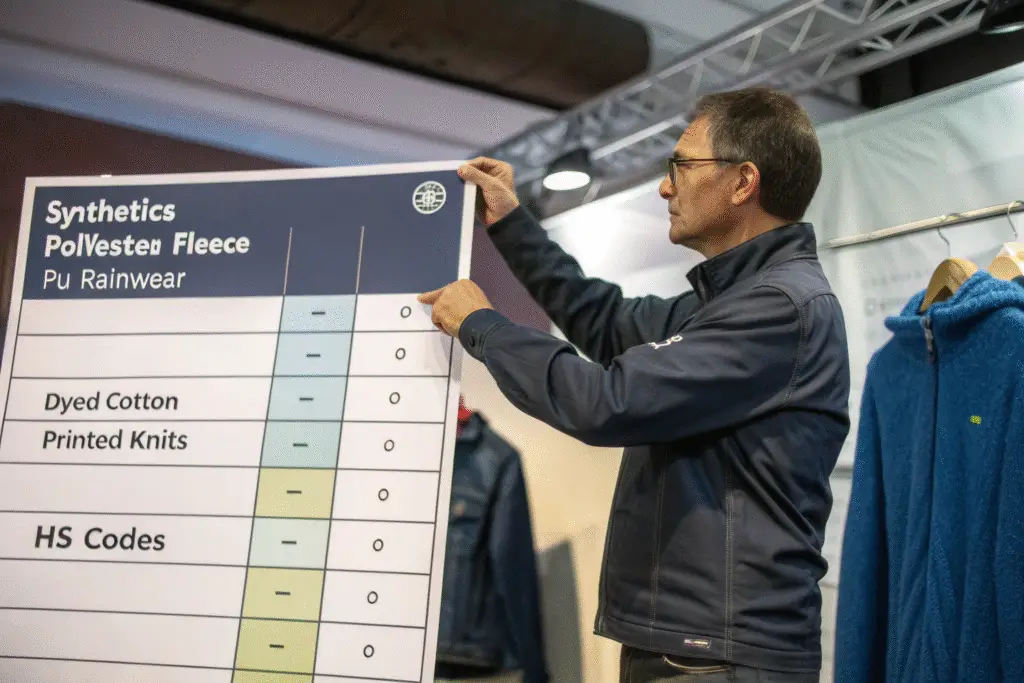
Certain garments consistently rank as high-risk:
Top Categories Facing Dual Impact:
| Garment Type | Tariff Risk | Emissions Risk | Total Exposure |
|---|---|---|---|
| Polyester Fleece Hoodie | High | High | 🚨🚨🚨 |
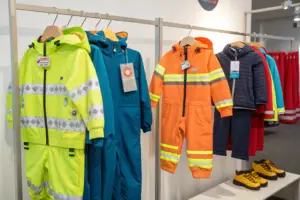
| PU Rain Jacket | High | High | 🚨🚨🚨 |
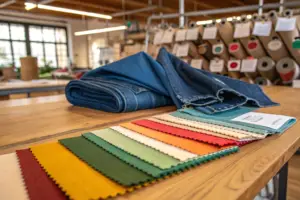
| Denim Jeans (Indigo) | Moderate | High | 🚨🚨 |
| Printed Cotton Tee | Low | Moderate | 🚨 |
| Linen Shirt (undyed) | Low | Low | ✅ |
Polyester, synthetic leather, heavy dye use, and coal-fired energy grids = the perfect storm.
How Are Apparel Brands Responding in 2025?

Brands aren’t sitting still. As carbon taxes grow, we’re seeing shifts in materials, regions, and supplier partnerships.
Common 2025 Strategies:
- Sourcing natural fabrics (linen, ramie, organic cotton) with lower emission profiles.
- Choosing mills with solar or hydro power (certified via ISO 14067, Higg FEM).
- Optimizing shipping routes to reduce emissions declarations (less air freight).
- Using recycled fibers (rPET, recycled cotton) with verified LCA (Life Cycle Assessment) scores.
- Relocating energy-intensive stages like dyeing from coal regions (e.g., inland China) to lower-emission zones (e.g., coastal Vietnam).
💡 One of our clients switched from polyester-based outerwear to PFC-free cotton canvas and cut emissions fees by 60%.
What Can You Do to Stay Ahead of Tariff + Carbon Cost Surges?
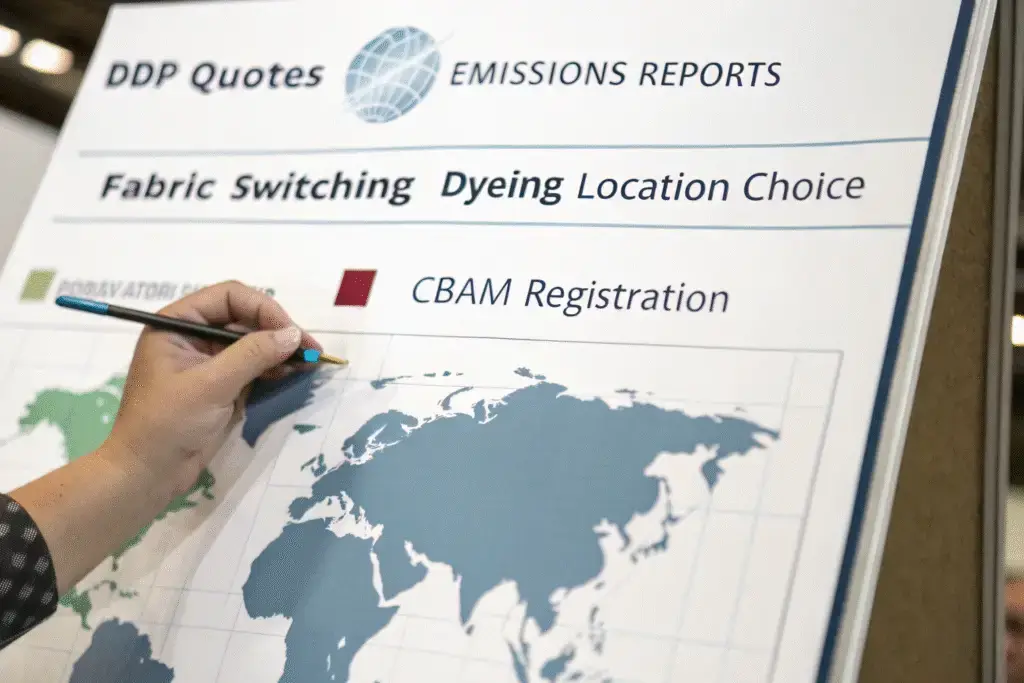
To avoid profit loss in 2025–2026, consider these moves now:
✅ 1. Request Carbon Emission Reports
Ask suppliers for Scope 1 & 2 emissions data for fabric and trims. If they can’t provide, consider a switch.
✅ 2. Use DDP Quotes with Emission Fee Estimations
Partner with suppliers (like us) who quote Delivered Duty Paid (DDP) including CBAM or U.S. fee forecasts.
✅ 3. Switch to Verified Low-Carbon Mills
Look for certifications like:
- Higg Index (verified by SAC)
- ISO 14067 (carbon footprint)
- OEKO-TEX STeP (sustainable production)
✅ 4. Avoid High-Emission Dyeing Processes
Denim and black poly dyeing are the worst. Choose lighter shades, pigment dye, or air-dye techniques.
✅ 5. Future-Proof Your Logistics
Avoid air freight. Use full container loads (FCL) over LCL. Plan for lower-carbon shipping declarations.
Conclusion
Tariffs alone were a headache. But carbon border taxes are making global apparel more expensive by design—and the double punch could force major brand overhauls.
At FUMAO, we help apparel brands:
- Shift to carbon-conscious suppliers
- Get DDP quotes that include all future tax layers
- Run emissions risk simulations before committing POs
📩 If you want to future-proof your sourcing against both tariffs and carbon taxes, email us at elaine@fumaoclothing.com. We’ll help you stay compliant—and profitable—in this new era of trade and climate regulation.