
The fashion industry is increasingly focusing on sustainability, and fabric sampling is no exception. Reducing waste in the fabric development process is not only environmentally responsible but also cost-effective. Let’s explore how sustainability can be integrated into sampling and the broader textile industry.
Sustainability in sampling involves reducing waste through digital tools, eco-friendly materials, and efficient processes. By adopting these practices, you can minimize environmental impact while maintaining high-quality standards. At Fumao Clothing, we are committed to sustainable sampling practices that reduce waste and support a greener future.
Now, let’s dive deeper into how reducing waste contributes to sustainability, how the textile industry can achieve sustainability, and the role of sustainable fashion in waste reduction.
How is Reducing Waste Sustainable?
Reducing waste is a cornerstone of sustainability, but how does it contribute to a greener future?
Reducing waste is sustainable because it conserves resources, minimizes environmental impact, and reduces costs. By using fewer materials and optimizing processes, you can lower your carbon footprint and contribute to a circular economy. Fumao Clothing implements waste-reducing practices to support sustainable fabric development.
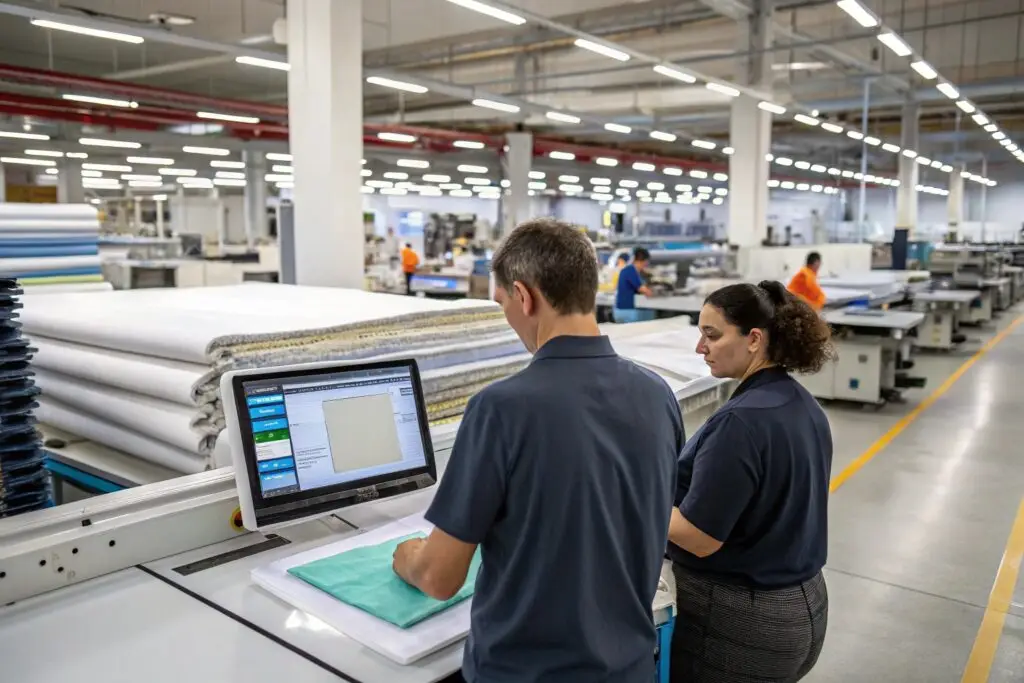
What Are the Benefits of Reducing Waste?
The benefits of reducing waste include:
- Resource Conservation1: Using fewer materials conserves natural resources like water, energy, and raw materials.
- Environmental Protection2: Reducing waste minimizes pollution and landfill use, protecting ecosystems.
- Cost Savings3: Efficient processes and reduced material use lower production costs.
By reducing waste, you can achieve both environmental and economic benefits.
How Can You Reduce Waste in Fabric Sampling?
To reduce waste in fabric sampling:
- Use Digital Tools: Adopt digital sampling and 3D design to minimize physical samples.
- Optimize Processes: Streamline sampling processes to reduce material use and improve efficiency.
- Recycle and Reuse: Implement recycling programs and reuse materials whenever possible.
By following these steps, you can reduce waste and support sustainability.
How Sustainability Can Be Achieved in the Textile Industry
The textile industry has a significant environmental impact, but how can sustainability be achieved?
Sustainability in the textile industry can be achieved through eco-friendly materials, efficient production processes, and waste reduction. By adopting sustainable practices, the industry can reduce its environmental footprint and support a circular economy. Fumao Clothing is committed to sustainability, offering eco-friendly fabrics and waste-reducing processes.
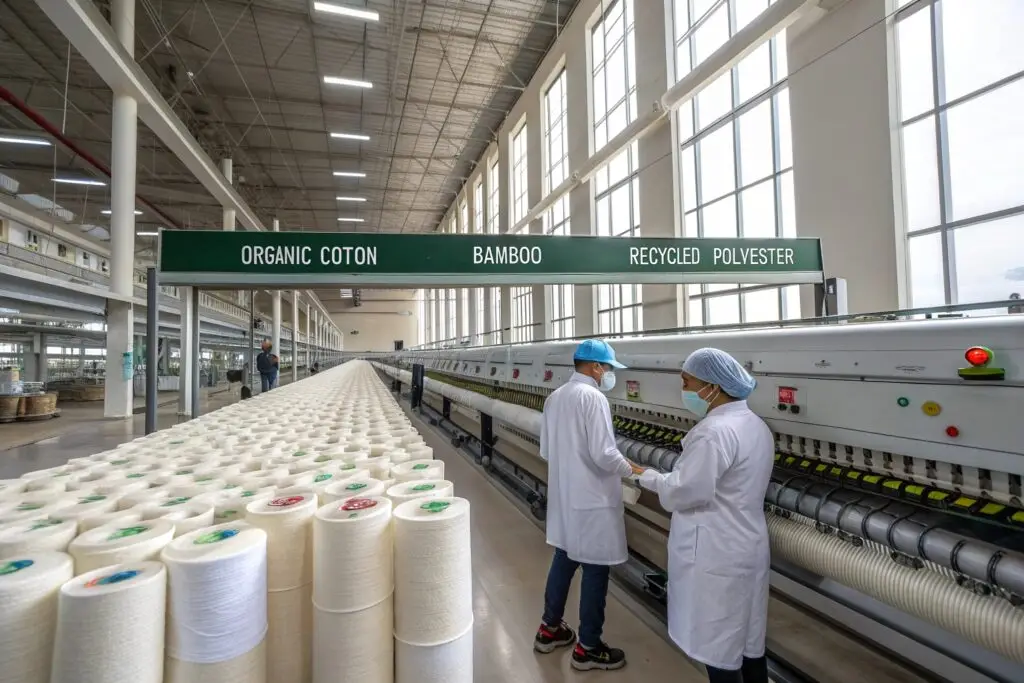
What Are the Key Strategies for Sustainable Textiles?
The key strategies for sustainable textiles include:
- Eco-Friendly Materials4: Use organic, recycled, and biodegradable fabrics to reduce environmental impact.
- Efficient Production: Optimize manufacturing processes to conserve resources and minimize waste.
- Circular Fashion5: Implement recycling and upcycling programs to extend the lifecycle of textiles.
By adopting these strategies, you can achieve sustainability in the textile industry.
How Can You Implement Sustainable Practices?
To implement sustainable practices:
- Choose Sustainable Fabrics6: Opt for eco-friendly materials like organic cotton and recycled polyester.
- Adopt Green Technologies: Use energy-efficient machinery and water-saving dyeing techniques.
- Promote Circular Fashion: Encourage recycling and upcycling to reduce textile waste.
By following these steps, you can contribute to a more sustainable textile industry.
How Does Sustainable Fashion Reduce Waste?
Sustainable fashion is a growing movement aimed at reducing waste and environmental impact. But how does it achieve this?
Sustainable fashion reduces waste by using eco-friendly materials, optimizing production processes, and promoting circular fashion. By minimizing waste and extending the lifecycle of garments, sustainable fashion supports a greener future. Fumao Clothing is dedicated to sustainable fashion, offering waste-reducing solutions for your fabric needs.
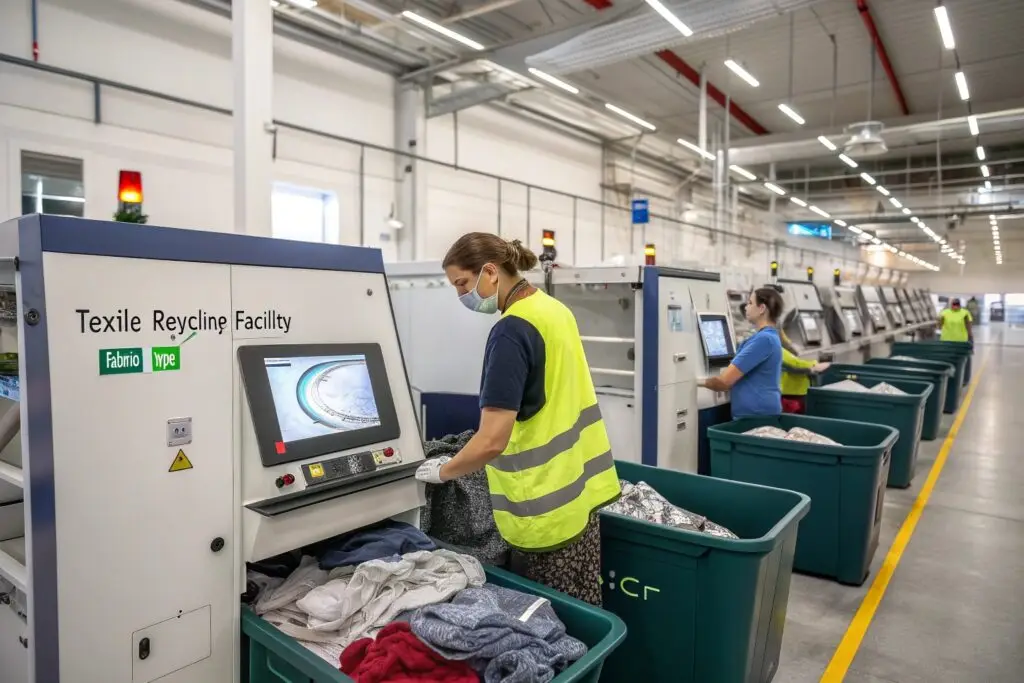
What Are the Key Practices of Sustainable Fashion?
The key practices of sustainable fashion include:
- Eco-Friendly Materials: Use organic, recycled, and biodegradable fabrics to reduce environmental impact.
- Efficient Production: Optimize manufacturing processes to conserve resources and minimize waste.
- Circular Fashion: Implement recycling and upcycling programs to extend the lifecycle of garments.
By adopting these practices, you can reduce waste and support sustainable fashion.
How Can You Embrace Sustainable Fashion?
To embrace sustainable fashion:
- Choose Sustainable Fabrics: Opt for eco-friendly materials that align with your brand’s values.
- Optimize Production: Streamline processes to reduce waste and improve efficiency.
- Promote Recycling: Encourage customers to recycle and upcycle garments to extend their lifecycle.
By following these steps, you can contribute to a more sustainable fashion industry.
What is Fiber Waste?
Fiber waste is a significant issue in the textile industry, but what exactly is it?
Fiber waste refers to the excess material generated during textile production, including offcuts, defective fabrics, and unused fibers. This waste contributes to environmental pollution and resource depletion. Fumao Clothing is committed to reducing fiber waste through sustainable practices and efficient processes.

What Are the Sources of Fiber Waste?
The sources of fiber waste include:
- Production Offcuts7: Excess material generated during cutting and sewing.
- Defective Fabrics8: Fabrics that do not meet quality standards and are discarded.
- Unused Fibers: Leftover fibers from spinning and weaving processes.
By identifying these sources, you can take steps to reduce fiber waste.
How Can You Reduce Fiber Waste?
To reduce fiber waste:
- Optimize Cutting Patterns: Use efficient cutting techniques to minimize offcuts.
- Recycle Defective Fabrics: Repurpose or recycle fabrics that do not meet quality standards.
- Implement Recycling Programs9: Collect and recycle unused fibers to reduce waste.
By following these steps, you can minimize fiber waste and support sustainability.
Conclusion
Sustainability in sampling and the textile industry is essential for reducing waste and minimizing environmental impact. By adopting eco-friendly materials, optimizing processes, and promoting circular fashion, you can contribute to a greener future. Fumao Clothing is committed to sustainable practices that reduce waste and support high-quality fabric development. Contact us today to learn more about how we can help you achieve your sustainability goals.
-
Explore how conserving resources can lead to a more sustainable future and lower environmental impact. ↩
-
Learn about the critical role waste reduction plays in safeguarding our ecosystems and promoting a healthier planet. ↩
-
Discover how waste reduction can significantly lower production costs and improve business efficiency. ↩
-
Explore this link to understand the best eco-friendly materials that can significantly reduce the environmental impact of textiles. ↩
-
Discover how circular fashion can revolutionize the textile industry by promoting recycling and upcycling practices. ↩
-
Learn about the top sustainable fabrics that not only benefit the environment but also offer quality and style. ↩
-
Exploring this resource will provide insights into effective cutting techniques that can significantly reduce waste in textile production. ↩
-
This link will guide you on innovative ways to recycle defective fabrics, promoting sustainability in the fashion industry. ↩
-
Discovering successful recycling programs can inspire effective strategies to manage unused fibers and reduce overall waste. ↩