Starting a clothing company is an exciting journey, but it requires careful planning and execution. How can you find the right manufacturers and navigate the production process? Let’s explore a step-by-step guide to help you launch your clothing brand successfully.
Launching a clothing company involves defining your brand, understanding the manufacturing process, and managing startup costs. By following a structured approach, you can build a strong foundation for your business.
Now, let’s dive deeper into the steps to start a clothing company, the manufacturing process, and the costs involved.
How to Start Up a Clothing Company?
What are the key steps to start a clothing company? How can you turn your vision into a successful business?
Starting a clothing company involves defining your brand, designing your collection, finding a manufacturer, and building your online presence. With careful planning and execution, you can launch a brand that resonates with your target audience.
How Do You Define Your Brand Identity?
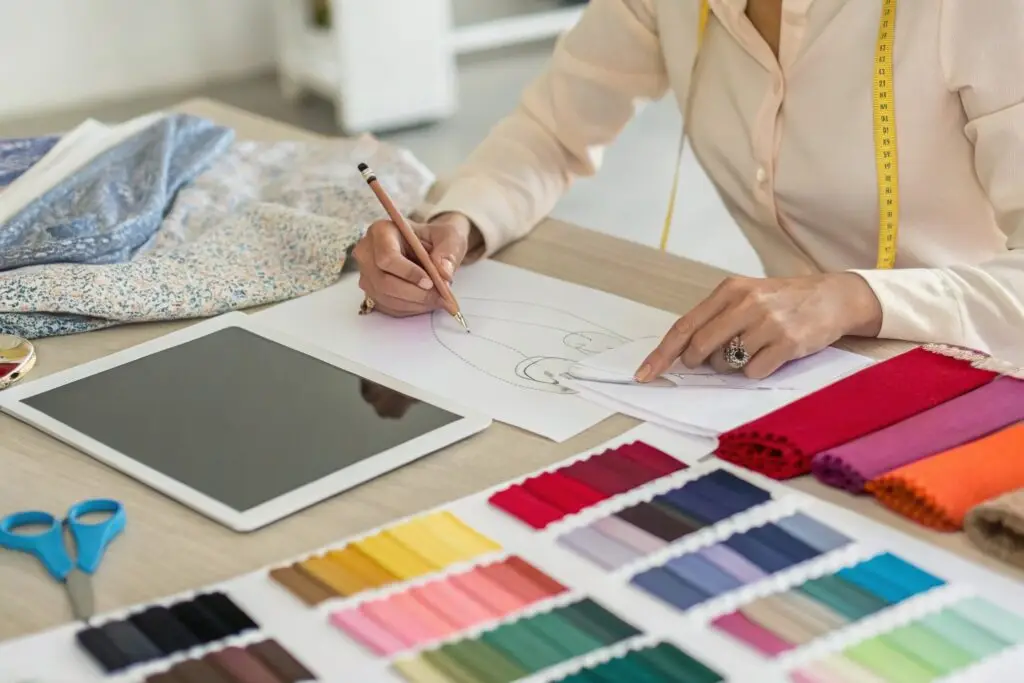
Defining your brand identity is the first step in creating a successful clothing company. Your identity includes your mission, values, and unique selling proposition.
Here’s how to define your brand identity:
- Mission and Values: Clearly articulate what your brand stands for.
- Target Audience: Identify your ideal customers and their preferences.
- Brand Aesthetic: Develop a consistent visual and verbal identity.
A strong brand identity will help you stand out in the market.
What Are the Steps to Launch Your Brand?
Launching your clothing brand involves several key steps. Here’s a roadmap to guide you:
- Market Research: Understand your target audience and competitors.
- Design Your Collection: Create a small, focused collection that reflects your brand.
- Find a Manufacturer: Partner with a reliable manufacturer to produce your designs.
- Build an Online Presence: Create a website and social media profiles to promote your brand.
- Market Your Brand: Use social media, influencer partnerships, and content marketing to reach your audience.
By following these steps, you can successfully launch your clothing brand.
What is the Process of Clothing Manufacturing?
What are the key stages in clothing manufacturing? How do raw materials become finished garments?
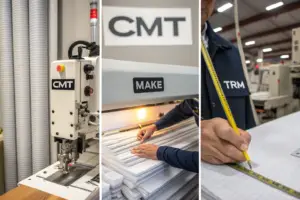
Clothing manufacturing involves multiple stages, including design, fabric sourcing, pattern making, cutting, sewing, and finishing. Each step requires precision and expertise to ensure high-quality garments.

What is the First Step in Clothing Manufacturing?
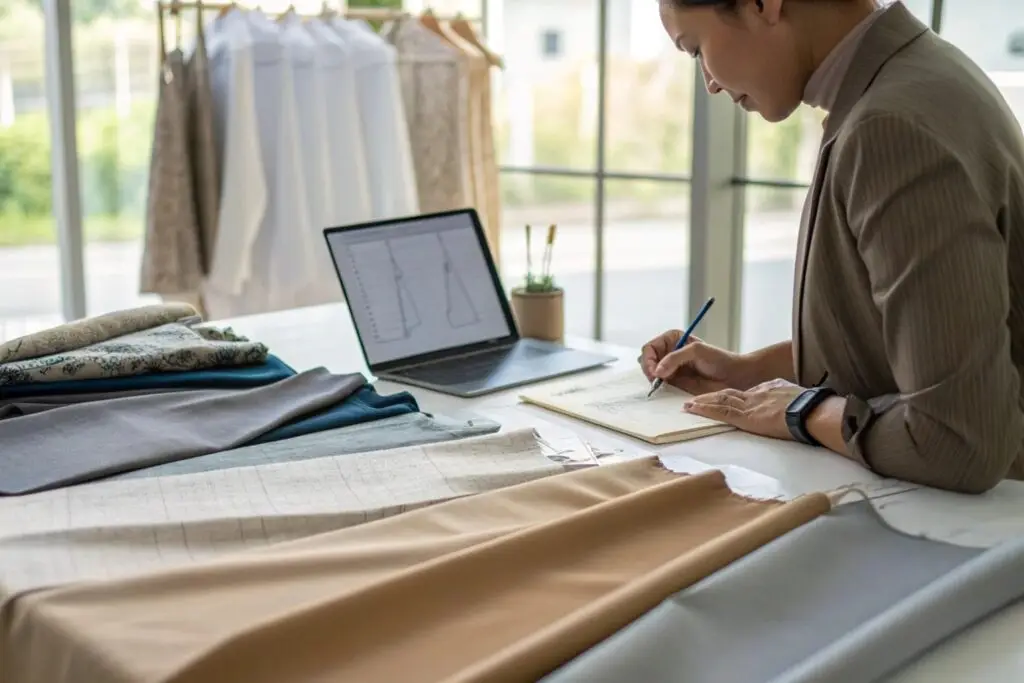
The first step in clothing manufacturing is design and development. This stage involves creating sketches, selecting fabrics, and finalizing the design.
Here’s how the design process works:
- Conceptualization: Designers create sketches and mood boards.
- Fabric Selection: Choose materials based on the design and functionality.
- Prototyping: Develop a sample to test the design and fit.
Design and development set the foundation for the entire manufacturing process.
How is Fabric Sourced and Prepared?
Once the design is finalized, the next step is fabric sourcing and preparation. This involves selecting suppliers, ordering materials, and inspecting fabrics for quality.
Here’s what happens during this stage:
- Supplier Selection: Choose reliable fabric suppliers.
- Fabric Inspection: Check for defects and ensure quality.
- Fabric Preparation: Pre-treat fabrics to prevent shrinkage or color bleeding.
Fabric sourcing and preparation ensure that the materials meet the required standards.
What is the Startup Cost for a Clothing Brand?
What are the typical startup costs for a clothing brand? How can you budget effectively for your new venture?
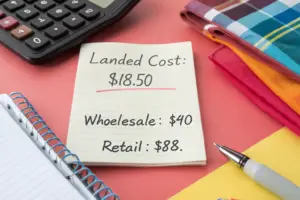
The startup cost for a clothing brand can range from $500 to $50,000, depending on factors like production scale, fabric type, and marketing expenses. Careful budgeting is essential to manage costs effectively.

What Are the Key Expenses for a Clothing Brand?
Starting a clothing brand involves several key expenses. Here’s a breakdown of the main costs:
- Design and Prototyping: Creating initial designs and samples.
- Manufacturing: Producing your clothing in small or large batches.
- Marketing: Promoting your brand through social media, ads, and events.
- Website and E-Commerce: Setting up an online store.
Understanding these expenses will help you create a realistic budget.
How Can You Reduce Startup Costs?
Reducing startup costs is essential for new brands with limited budgets. Here are some cost-saving strategies:
- Start Small: Begin with a small collection or pre-orders to minimize upfront costs.
- Use Print-on-Demand: Avoid inventory costs by using print-on-demand services.
- Leverage Free Tools: Use free or low-cost tools for design, marketing, and website building.
These strategies can help you stretch your budget and reduce financial risk.
What Are the Six Steps in Apparel Production?
What are the six key steps in apparel production? How do these steps contribute to the final product?
The six steps in apparel production are design, fabric sourcing, pattern making, cutting, sewing, and finishing. Each stage is essential for producing high-quality garments.
What Happens During the Sewing Stage?
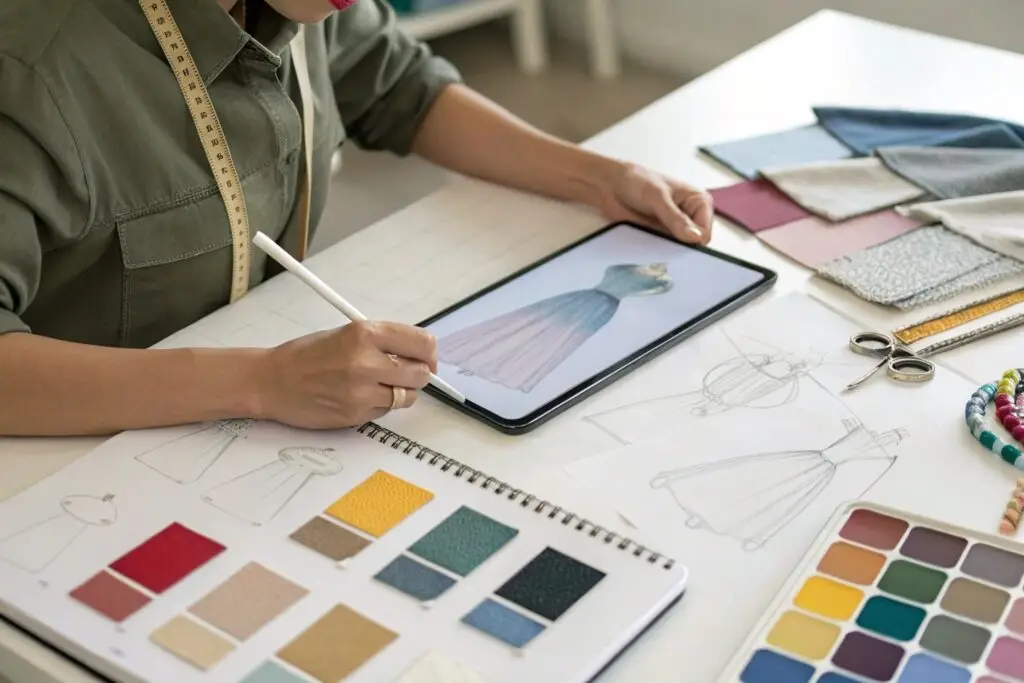
The sewing stage involves assembling the cut fabric pieces into a finished garment. This stage requires skilled workers and specialized machinery.
Here’s how sewing works:
- Assembly: Sew the fabric pieces together according to the design.
- Detailing: Add buttons, zippers, and other embellishments.
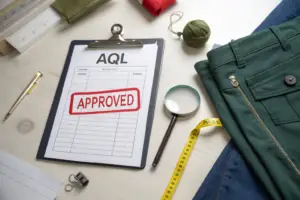
- Inspection: Check for any defects or inconsistencies.
Sewing transforms fabric pieces into a complete garment.
How is Finishing and Quality Control Done?
After sewing, the garment undergoes finishing and quality control. This stage ensures that the final product meets the required standards.
Here’s what happens during finishing:
- Pressing: Iron the garment to remove wrinkles and shape it.
- Trimming: Remove loose threads and excess fabric.
- Quality Control: Inspect the garment for defects and ensure it meets specifications.
Finishing and quality control are crucial for delivering high-quality garments.
Conclusion
Starting a clothing company involves defining your brand, understanding the manufacturing process, and managing startup costs. By following a structured approach and focusing on quality, you can build a successful clothing brand that resonates with your target audience.