Tariffs on imported clothing are pushing U.S. buyers to rethink their sourcing strategies. Mass-produced, generic SKUs are losing profit fast. But one model is thriving—even in this harsh climate: private labeling.
Private label apparel brands are outperforming generic imports by commanding better margins, enabling brand control, and building customer loyalty—despite high import duties.
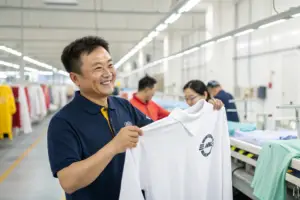
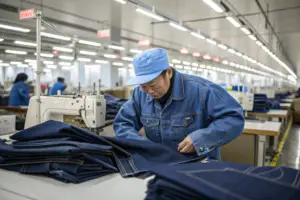
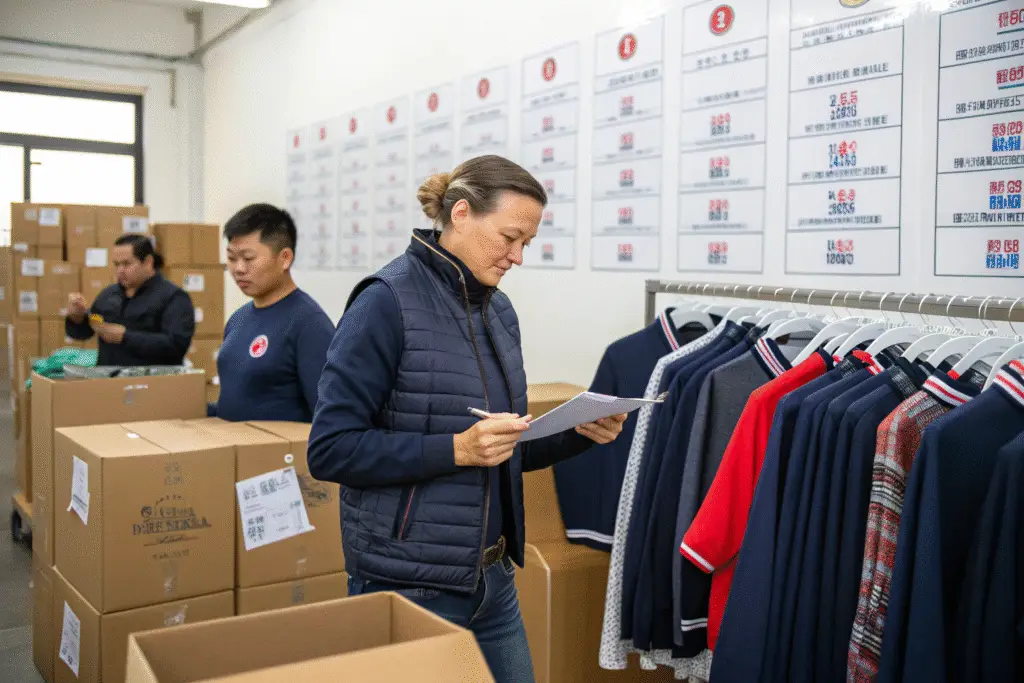
As a Chinese clothing manufacturer for North American brands, I’ve seen this trend up close. Buyers like Ron, our client from California, switched from distributing no-name goods to launching his own line—and despite 20% tariffs, his profits have grown. Here’s why private labels are winning, and how you can do the same.
What Makes Private Label Apparel So Resilient to Tariffs?
Tariffs are squeezing traditional wholesale profit margins. Retailers buying bulk, unbranded products now face higher costs without the power to raise retail prices. But private label changes the equation.
By controlling design, branding, and positioning, private label brands can maintain healthy margins—even after tariffs.
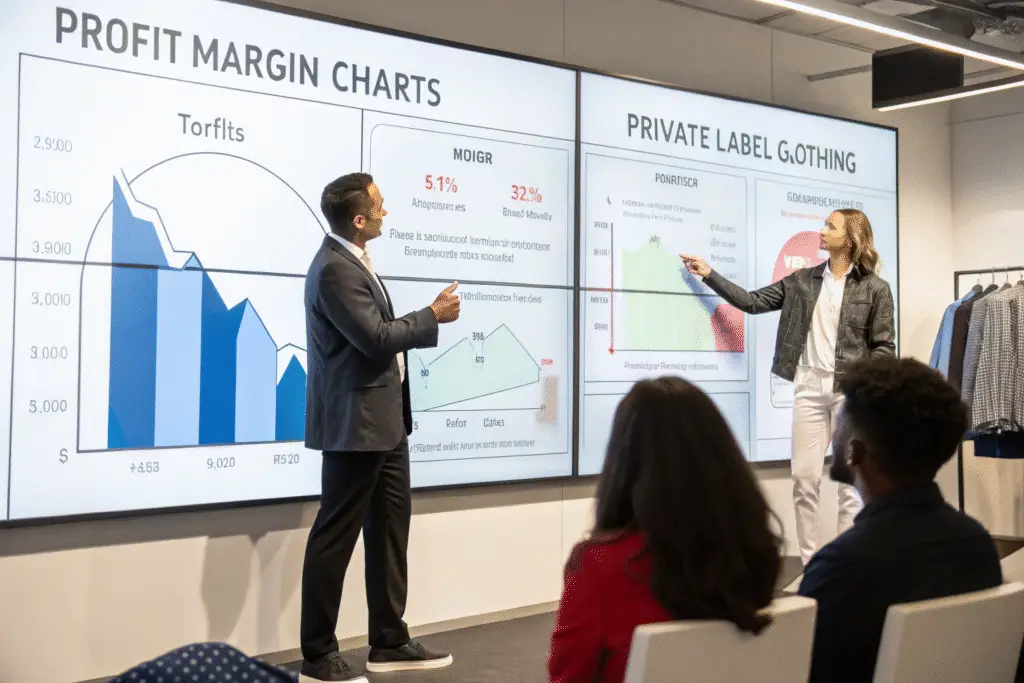
How Do Private Labels Offset High-Duty Costs?
Let’s break it down with a real-world example:
| Model | Generic Import | Private Label |
|---|---|---|
| FOB Cost | $4.00 | $5.50 |
| Tariff (25%) | $1.00 | $1.38 |
| Total Landed | $5.00 | $6.88 |
| MSRP | $10.00 | $19.99 |
| Gross Margin | $5.00 (50%) | $13.11 (65.6%) |
Even though the private label item costs more and pays more tariff, the brand power allows for a much higher selling price, preserving margins.
Why Is Branding So Critical in High-Duty Markets?
Consumers will only tolerate higher prices if the product feels premium. A private label gives you the storytelling, design consistency, and packaging needed to justify MSRP increases.
Tools like Shopify’s Brand Toolkit and Amazon Brand Registry make it easier to protect and promote your label.
Which Apparel Categories Work Best for Private Label Launch?
While nearly any category can be private labeled, some perform exceptionally well due to emotional appeal, giftability, and customer loyalty.
Our factory data shows strong ROI in premium basics, children’s wear, and comfort-driven activewear.
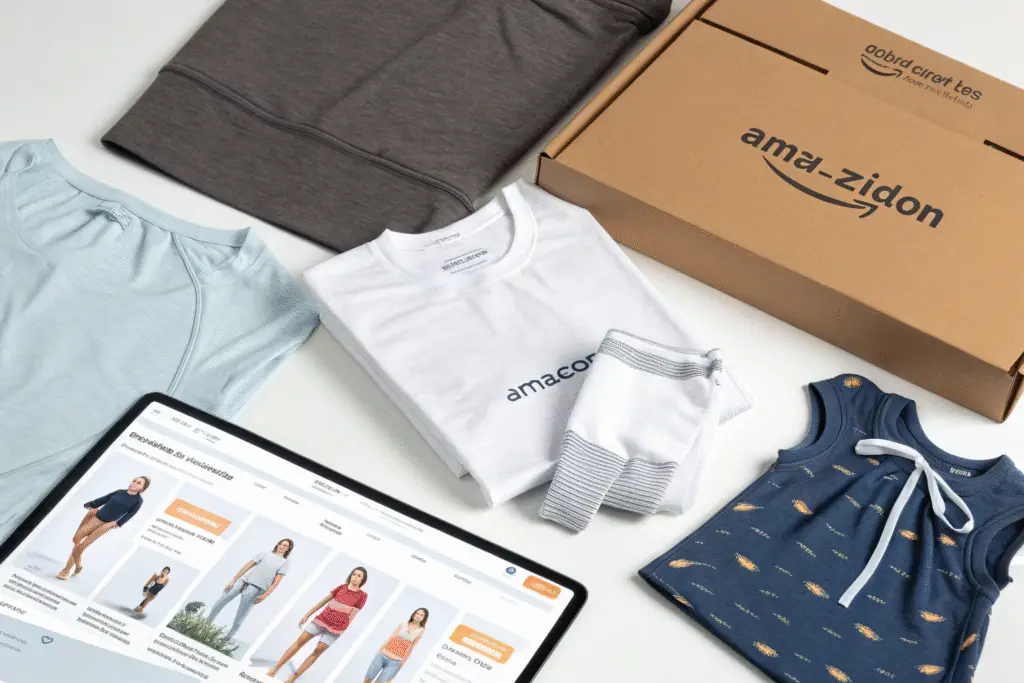
Why Are Premium Basics So Profitable?
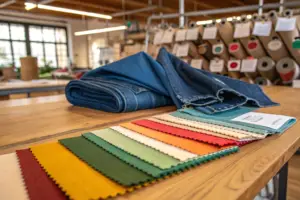
Think blank tees, joggers, and hoodies—but with upgraded fabric, thoughtful fit, and stylish packaging. Add a logo or phrase, and suddenly you’re selling for $25+ instead of $10.
Clients using GOTS-certified cotton or OEKO-TEX® verified dyes also leverage eco-labeling to justify their price point.
One of our buyers rebranded a blank $3.50 tee into a $21.99 “urban essential” on Etsy with lifestyle images and custom tags.
What About Babywear and Activewear?
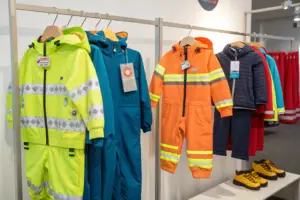
Babywear carries emotional value. Parents trust brands, not generics. A $4 onesie with your label can easily retail for $14–18 if the packaging and safety claims are solid.
For activewear, it’s about performance features—anti-odor fabrics, breathable knits, and subtle logo placement. Private labels in this space grow quickly with help from platforms like Faire or boutique fitness studios.
How Do You Start Building a Private Label from Scratch?
Most buyers think private labeling is complicated. It doesn’t have to be. With the right factory partner, you can launch a collection in 4–6 weeks—even with custom tags and trims.
All it takes is a clear product vision, a logo, and a few strategic decisions.
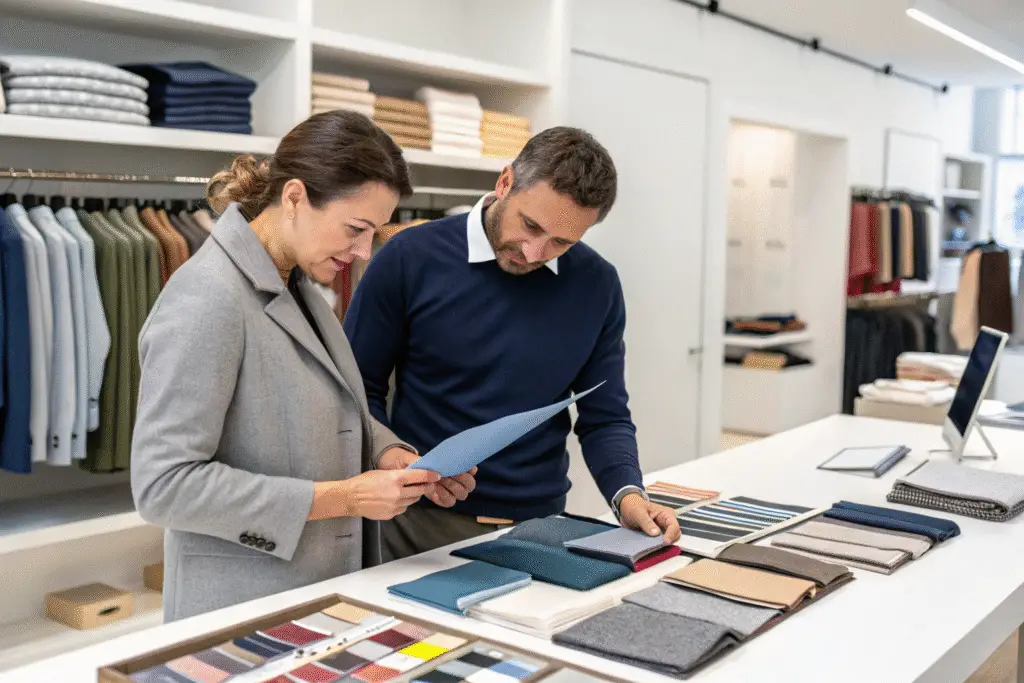
What’s the Private Label Setup Process?
Here’s how we guide clients like Ron step-by-step:
- Choose a product base (T-shirt, hoodie, shorts)
- Select fabric & colorways (We recommend 2–3 SKUs to start)
- Send your logo (AI/PDF)
- Approve digital mockups (Using tools like Recraft.ai)
- Confirm trims (woven label, care tag, hangtag)
- Approve sample
- Launch 300–500pcs MOQ
We also help optimize cost per piece by bundling trims or offering label heat-press options for startup brands.
Do You Need Trademarks Before Launch?
Not required, but recommended. You can file a U.S. trademark through USPTO for $250–$350. In the meantime, you can begin selling using TM (“trademark pending”) symbols.
We also support QR-enabled labels and smart hangtags that track batches for transparency—especially useful when selling to premium stores or on Faire.
Can Private Labels Still Compete on Price in 2025?
Yes, if positioned correctly. Today’s shoppers want value—not just low prices. If you offer better fabrics, a clean logo, and good reviews, you can undercut premium brands while keeping your margins high.
Private label isn’t about racing to the bottom—it’s about delivering elevated basics at attainable prices.
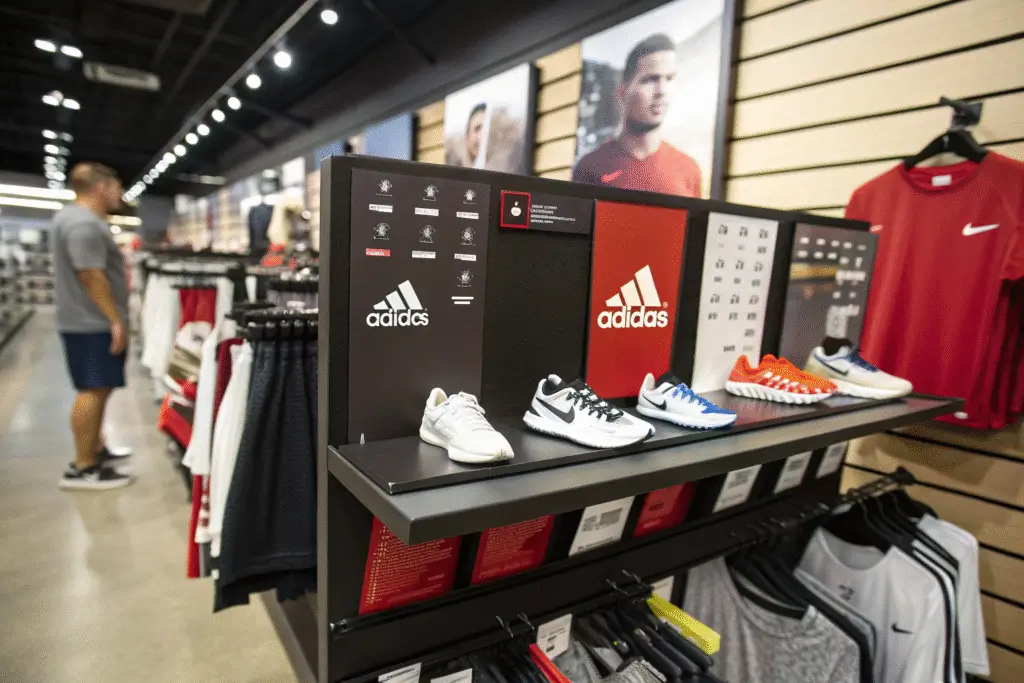
What Are Winning Price Points for Private Brands?
| Product | Private Label MSRP | Branded Equivalent |
|---|---|---|
| Cotton Tee | $19.99 | $35 (Nike, Uniqlo) |
| Bamboo Joggers | $39.99 | $60–$80 |
| Baby Romper | $17.50 | $28 (Carter’s) |
| Sports Bra | $29.99 | $45 (Athleta) |
We work with buyers to optimize FOB cost, reduce packaging waste, and avoid air freight where possible—all to hit these key price bands.
Are Tariffs Easier to Justify for Private Labels?
Absolutely. A $1.20 tariff hit on a $5 generic tee is hard to pass on. But on a $19.99 private label item, it’s just 6% of the sale price.
That’s why we help clients avoid tariff shock by moving to value-based pricing rather than cost-plus. With DDP service, we include duties in the quote and help plan packaging that reduces dimensional weight.
Conclusion
Private label isn’t just a brand play—it’s a survival strategy. In high-tariff markets, buyers who control the label and product design are better equipped to price smart, build loyalty, and expand margins.
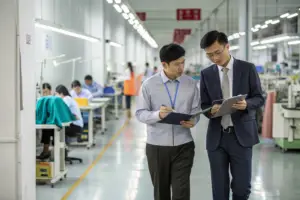
At Shanghai Fumao, we’ve helped over 100 brands launch or scale their private label lines with low MOQs, custom branding, and DDP delivery. Whether you're a wholesaler pivoting to DTC or a new brand owner like Ron, we offer the factory muscle and strategic guidance to win in this market.
Ready to future-proof your business? Email our Business Director Elaine at elaine@fumaoclothing.com and let’s create a private label program tailored to your brand and budget.