When the U.S. government slapped India with tariffs nearing 38.9% on apparel exports, the ripple effects hit every American buyer sourcing from the subcontinent. For importers and brand owners, the options narrowed fast: either raise prices or watch your margins shrink.
But there’s a third way—strategic negotiation with new or existing suppliers in tariff-stable markets like China. Done right, it can protect your bottom line without passing the burden to your customers.
I’ve worked with dozens of U.S. clients facing this exact squeeze. Here’s what we recommend and how we help you negotiate better, faster, and more confidently in this new sourcing reality.
Should You Absorb the Cost or Pass It to Customers?
When your Indian garment supplier increases prices by 25–40% overnight due to tariffs, the natural instinct is to pass the increase to retail. But that’s not always feasible in a competitive market.
In 2025, U.S. consumers are price-sensitive and expect value—especially in basics, athleisure, and kidswear. Hiking MSRP could hurt conversion.

When Should You Absorb the Tariff-Driven Cost?
If your product is part of a high-traffic collection or tied to an upcoming launch, absorbing the increase may be better short-term. For example:
- Amazon FBA brands needing algorithm stability
- Retail chains with fixed-price shelf labels
- Subscription apparel boxes with price caps
Instead of price hikes, buyers are renegotiating for lower MOQs, free sampling, or better logistics terms with their factories to cushion costs.
Tools like LandingCost or SimplyDuty help you calculate exact import duties and create better cost models.
When Is Passing the Cost to Customers Justified?
If your product is premium, seasonal, or limited edition, price elasticity allows for a small hike. Most consumers will accept a 3–5% increase if the brand story and quality remain consistent.
That said, transparency helps. Brands are now using tariff-related messaging on websites to explain modest price changes, backed by visuals or sourcing transparency (see Everlane’s radical transparency).
What Are Key Negotiation Points with Chinese Suppliers?
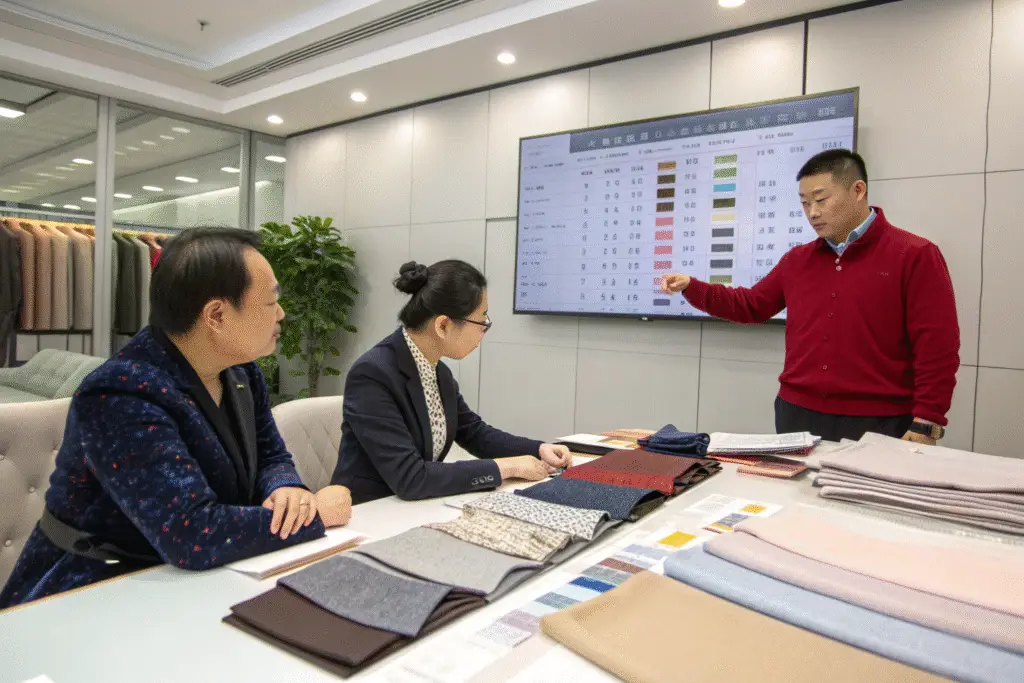
You’re switching away from India, but that doesn’t mean you’re walking into a fixed-price model in China. There’s room to negotiate—if you ask the right way.
Post-India tariffs, smart U.S. buyers are targeting five key negotiation levers with Chinese suppliers: MOQ, payment terms, lead time, duty structures, and logistics options.
Can You Still Negotiate MOQs in 2025?
Yes. While many Chinese factories prefer scale, they’re increasingly open to trial orders as low as 300–500 pcs—especially if it leads to repeat business.
We regularly help clients structure rolling POs: you start small, then scale in weekly drops. This helps both parties manage inventory and cash flow.
Plus, some suppliers now offer “MOQ by style family”, allowing you to mix SKUs under the same fabric/trim lot. This unlocks design diversity without raising cost.
Are DDP and Payment Term Negotiations Still Open?
Absolutely. For U.S. buyers, switching to DDP (Delivered Duty Paid) reduces uncertainty. We often bundle DDP with:
- 30% deposit / 70% on delivery
- Flexible net-15 or net-30 terms for repeat customers
- All-in logistics costing (no middlemen)
Use tools like Incoterms 2020 Chart to understand where costs lie and push for clarity on FOB vs DDP margins.
How Can You Use Order Volume as a Bargaining Chip?

Volume matters—especially now that many factories are reallocating capacity from canceled Indian orders.
Even if your current order is small, presenting a 12-month volume projection builds trust and opens doors to cost concessions and exclusive timelines.
Should You Lock in Forward Contracts?
Yes—if you're confident in volume. Forward contracts allow you to lock price per unit for a set timeline, hedging against fabric price volatility or freight hikes.
You can also negotiate tiered pricing models, such as:
- 1,000–2,000 pcs: $3.80/unit
- 2,001–5,000 pcs: $3.60/unit
- 5,000+ pcs: $3.40/unit
This makes growth more profitable for both parties. Ask your factory to tie these tiers to fabric and labor indexes, using data from sources like Textile Exchange or China Textile Info.
Is Co-Branding or Exclusivity a Leverage Tool?
In niche or boutique apparel, yes. Offer suppliers exclusivity for a category or launch a co-labeled capsule—you can negotiate better payment or sampling terms in return.
This works well for trend pieces or tech-driven styles where supplier R&D is involved. Think custom jacquards, odor-control masks, or recycled stretch fabrics.
What Language & Tools Should You Use During Negotiations?

It’s not just what you ask—it’s how. Your tone, clarity, and data matter as much as your volume.
U.S. buyers negotiating in 2025 need three tools: pricing transparency, cost structure benchmarks, and polite assertiveness.
What Negotiation Scripts Actually Work?
Some proven examples:
- “Can we start with a blended MOQ based on shared fabric use?”
- “We can commit to 10K units this year. Can you offer a stepped price per tier?”
- “We’d like DDP costing with no surprises. Please confirm all-inclusive pricing to L.A. or NJ warehouse.”
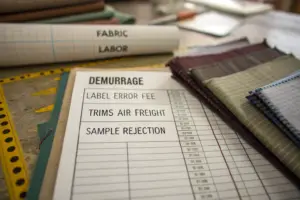
Always clarify Incoterms and get costs split between:
- Fabric + trims
- Labor
- Finishing & packing
- Logistics
- Overheads
Tools like Source Intelligence help verify cost structure across multiple regions.
Can You Build Scripts with AI Tools?
Yes. Platforms like ChatGPT or Tactiq let you build negotiation scenarios or translate supplier emails into polite counteroffers.
Pair this with cloud-based BOMs (Bill of Materials), and you’ll always enter talks with facts—not feelings.
Conclusion
With India’s garment exports facing higher tariffs, you’re caught between protecting margins or raising prices. But this is also an opportunity—to renegotiate smarter and partner deeper.
At Shanghai Fumao, we help U.S. buyers craft data-backed sourcing strategies that align with their business model. From DDP contracts to low-MOQ trial runs, our team negotiates alongside you, offering full cost transparency and production flexibility.
Need help crafting your negotiation plan post-India tariffs? Contact our Business Director Elaine at elaine@fumaoclothing.com and let’s build a margin-safe, brand-smart strategy—together.