A sustainable fashion brand from Portland called me last year with a dilemma. They had built their reputation on eco-friendly materials, but their customers were asking difficult questions about viscose. Was it truly sustainable? Should they continue using it? Their fabric supplier claimed it was "natural and biodegradable," but they had heard troubling stories about deforestation and chemical pollution. They asked me to help them understand the real story.
Viscose is a complex sustainability question without a simple yes or no answer. The fabric starts from renewable wood pulp, making it biobased and biodegradable. However, conventional viscose production involves significant chemical use, water consumption, and potential deforestation. The sustainability of viscose depends entirely on where the wood comes from and how the fabric is processed. Certified options like Lenzing's EcoVero offer genuinely sustainable choices, while uncertified viscose carries serious environmental risks.
Running a manufacturing facility in Shanghai means I work with every type of cellulosic fabric. At Shanghai Fumao, we produce garments for American brands using conventional viscose, certified EcoVero, modal, and lyocell. I have visited viscose production facilities, reviewed environmental certifications, and tested fabric quality across sourcing options. Let me share what I have learned so you can make informed decisions for your brand and customers.
How Is Viscose Made and Why Does Production Matter for Sustainability?
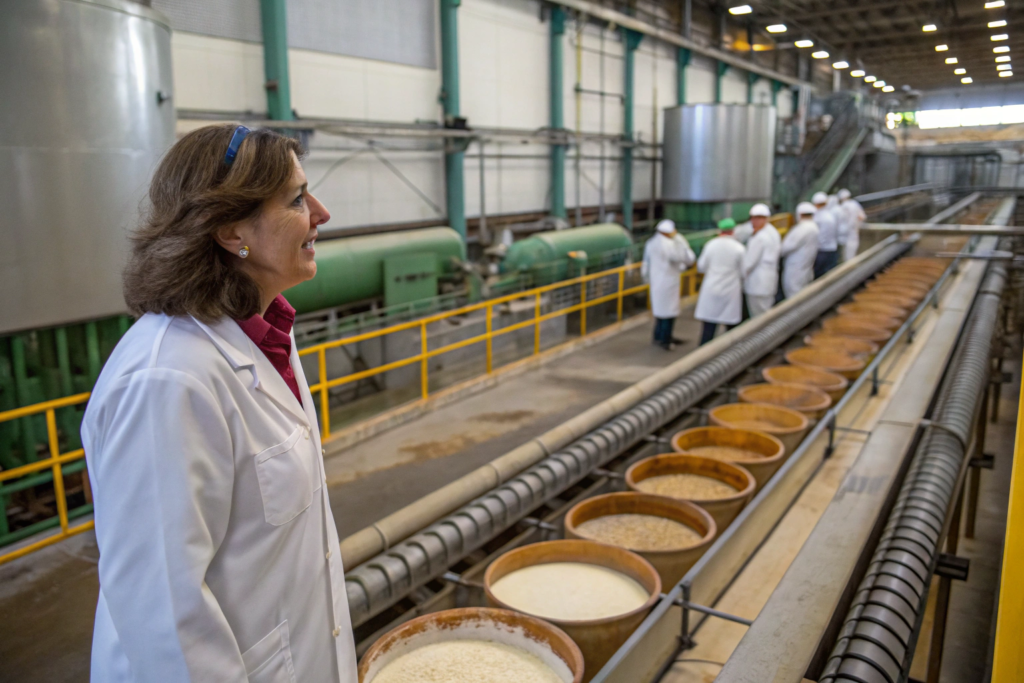
A New York-based buyer visited a viscose mill with me last year. She expected to see trees turned directly into fabric. Instead, she witnessed an industrial chemistry process that transformed wood pulp through multiple chemical baths. She told me later, "I had no idea how much processing was involved. It completely changed how I think about viscose."
Viscose production starts with trees, but the journey from forest to fabric involves significant industrial processing. Wood chips are dissolved in chemicals to create a pulpy solution, then extruded through spinnerets into acid baths to regenerate fibers. This process determines the environmental impact: chemical recovery rates, water treatment, and energy efficiency vary dramatically between facilities. Understanding these production steps reveals why some viscose is sustainable and some is not.
The production story matters because it determines real environmental impact. Here is what you need to understand.
Where Does the Wood for Viscose Actually Come From?
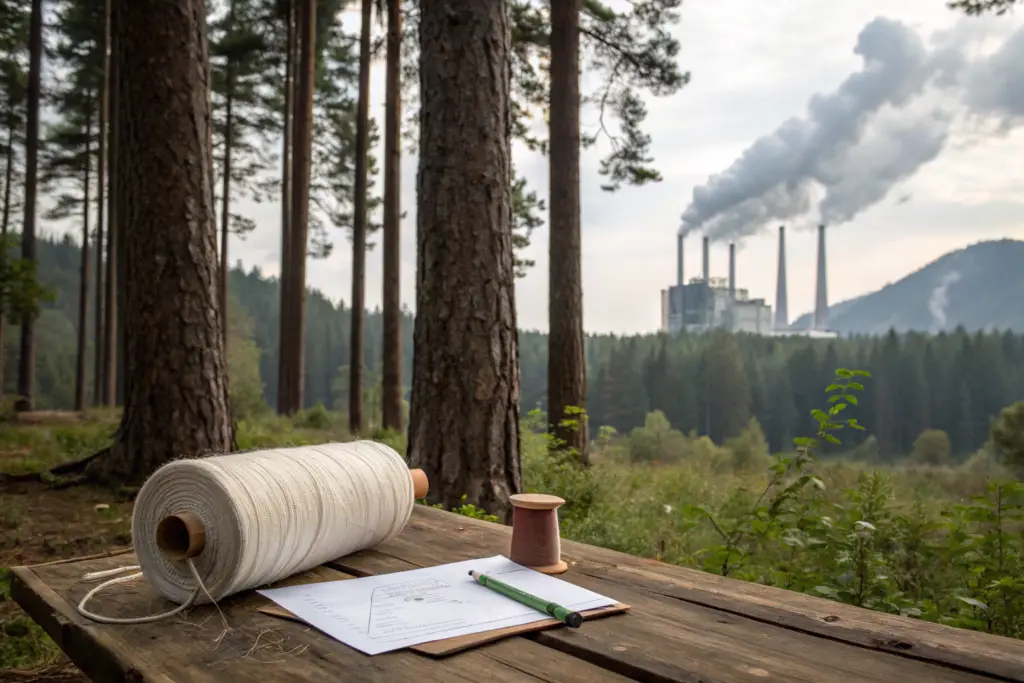
Wood sourcing creates the first sustainability test for viscose. Responsible producers use wood from certified sustainable forests, often managed specifically for textile production. Uncertified producers may source from ancient or endangered forests, contributing to deforestation and biodiversity loss. A Seattle-based brand discovered through supply chain tracing that their "sustainable" viscose actually came from Indonesian rainforest clearance. They switched to certified sources immediately. Wood sourcing for viscose should come from forests certified by the Forest Stewardship Council or similar organizations. Some producers use eucalyptus from dedicated plantations, avoiding natural forest impacts entirely. We require chain-of-custody documentation from all our viscose suppliers, ensuring clients know exactly where their raw materials originated. The Forest Stewardship Council provides certification resources and supplier databases for brands seeking verified sustainable wood sources.
What Chemicals Are Used and Can They Be Recovered?
Chemical use defines the second sustainability test. Conventional viscose production uses carbon disulfide, sodium hydroxide, and sulfuric acid. Without proper recovery systems, these chemicals pollute waterways and harm workers. Modern facilities recover and reuse over 95% of chemicals, dramatically reducing environmental impact. A Boston-based brand audited their viscose supplier and discovered chemical recovery rates below 50%. They terminated the relationship and shifted to certified producers with closed-loop systems. Chemical recovery varies tremendously between facilities. European and Chinese producers with modern equipment achieve much higher recovery rates than older, unregulated mills. We work exclusively with mills that provide chemical recovery documentation and environmental compliance reports. The ZDHC program provides frameworks for verifying chemical management in textile production, helping brands identify responsible suppliers.
What Certifications Actually Mean for Viscose Sustainability?
A Chicago-based brand owner told me she was drowning in certification logos. FSC, PEFC, EcoVero, OEKO-TEX, EU Ecolabel. She asked me, "Which ones actually matter? Which ones can I trust?" Her customers were asking questions, and she needed real answers.
Certifications provide the only reliable way to verify viscose sustainability claims. Different certifications address different aspects: forest management, chemical processing, worker safety, and product safety. The most comprehensive certification for viscose is Lenzing's EcoVero, which combines wood traceability, reduced emissions, and third-party verification. Other reputable certifications include FSC for wood sources and OEKO-TEX for finished fabric safety.
Certifications cut through marketing claims with verifiable standards. Here is what each certification actually means.
What Is EcoVero and Why Does It Matter?
EcoVero is Lenzing's branded viscose certification representing the gold standard for sustainable viscose. It guarantees wood from certified sustainable sources, 50% lower emissions and water impact than conventional viscose, and full supply chain transparency. A Denver-based sustainable brand switched entirely to EcoVero for their viscose styles. Their customers trust the certification and appreciate the documented environmental benefits. EcoVero certification also includes traceability technology allowing brands to verify each shipment's authenticity. Counterfeit "sustainable" viscose exists in the market, but EcoVero's tracking prevents fraud. We source EcoVero directly from Lenzing's authorized partners, maintaining documentation that satisfies the most demanding brand audits. The Lenzing EcoVero website provides detailed environmental data and certification verification tools for brands and consumers seeking assurance.
How Do FSC and PEFC Certifications Protect Forests?
Forest certification ensures your viscose did not come from deforestation. FSC (Forest Stewardship Council) and PEFC (Programme for the Endorsement of Forest Certification) both verify sustainable forest management through independent audits. A Philadelphia-based brand requires FSC certification for all wood-based fabrics. When one supplier could not provide documentation, they discovered the wood came from unprotected Indonesian forests. Forest certification matters because illegal logging remains common in some viscose supply chains. Certified sources guarantee that trees are replanted, biodiversity protected, and local communities respected. We verify forest certification through chain-of-custody documentation, ensuring the certified wood reaches your finished garment. At Shanghai Fumao, we maintain separate inventory systems for certified materials to prevent mixing with uncertified sources. The PEFC website offers resources for verifying forest certification claims globally.
How Does Viscose Compare to Other Fabrics Sustainably?
A Dallas-based brand asked me to create a sustainability comparison across their fabric options. They used cotton, polyester, and viscose across different styles. They wanted to understand which materials aligned with their environmental goals and which needed replacement.
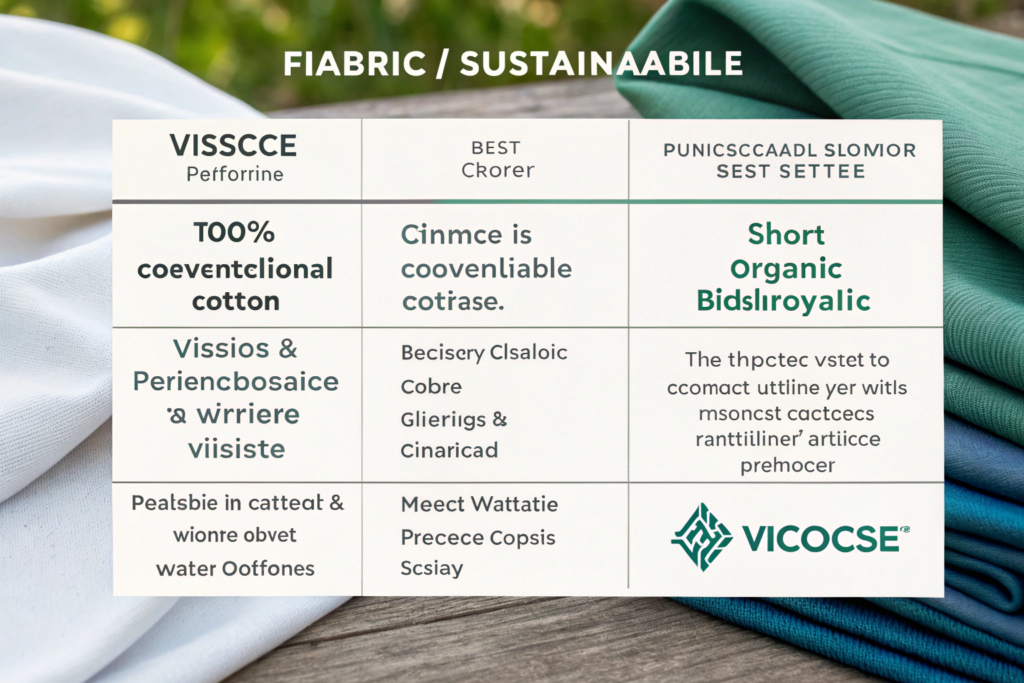
Viscose occupies a middle ground in fabric sustainability rankings. It beats conventional cotton on water use and polyester on biodegradability. It loses to organic cotton on chemical use and to recycled polyester on circularity. The best choice depends on your priorities: climate impact, water use, biodegradability, or circular economy. Certified viscose with responsible sourcing outperforms many alternatives, while uncertified viscose ranks among the worst options.
How Does Viscose Compare to Cotton on Environmental Impact?
Conventional cotton requires massive water and pesticide inputs. A single cotton t-shirt can consume 2,700 liters of water. Viscose from certified wood sources uses significantly less water and no pesticides. However, organic cotton eliminates pesticide concerns while still requiring substantial water. A Seattle-based basics brand analyzed their footprint and found certified viscose had 40% lower water impact than organic cotton with similar biodegradability. Cotton comparison also considers land use. Cotton requires agricultural land that could grow food. Viscose uses forest plantations often on marginal land unsuitable for food production. We help clients evaluate these trade-offs based on their specific sustainability priorities and customer expectations. The Textile Exchange preferred fiber report provides annual comparisons of environmental impacts across fiber types, including detailed cotton versus viscose data.
Is Viscose Better or Worse Than Polyester?
Polyester offers durability and low water use but comes from fossil fuels and sheds microplastics. Viscose biodegrades naturally but requires more land and chemical processing. A Boston-based outdoor brand chose viscose blends over polyester for their casual collection specifically for biodegradability. Their customers preferred natural-based materials even with slightly higher impact in other categories. Polyester comparison also considers circularity. Recycled polyester keeps plastic out of landfills and requires less energy than virgin polyester. Viscose from responsible sources offers renewable raw materials but limited recycling infrastructure. The choice often comes down to end-of-life considerations versus production impacts. We help clients model both scenarios using lifecycle assessment data from sources like the European Confederation of Flax and Hemp and other fiber organizations that publish comparative environmental data.
What Questions Should Brands Ask Viscose Suppliers?
A Nashville-based brand learned this lesson the hard way. Their supplier claimed "sustainable viscose" with no documentation. When a watchdog group published a report linking their fabric to deforestation, the brand faced social media backlash and lost retail partners. They had never asked the right questions.
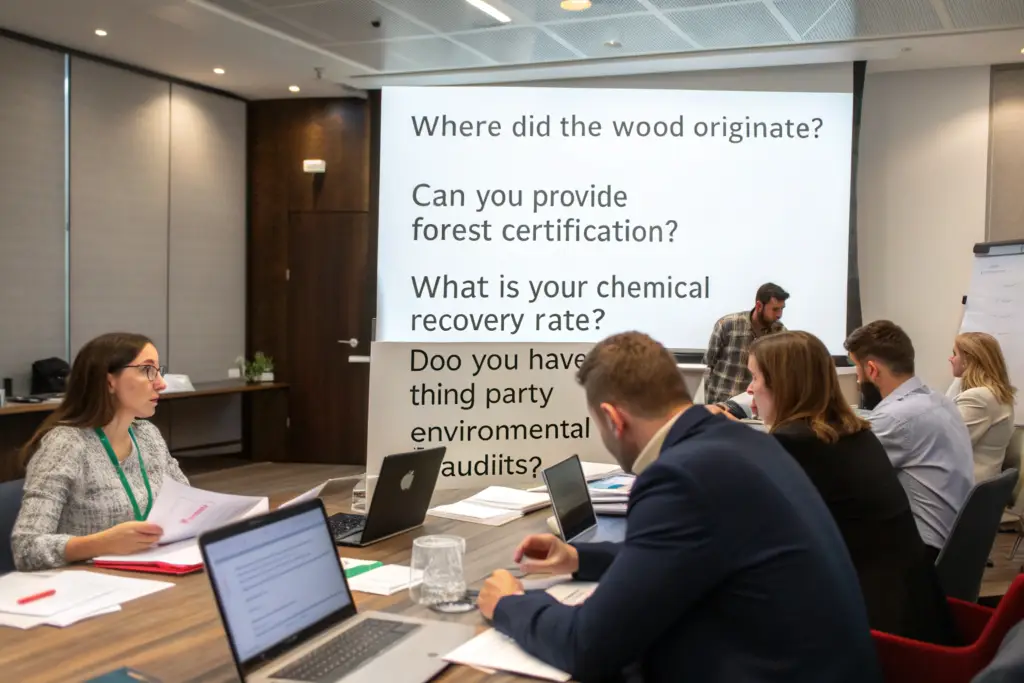
Brands must ask specific, documented questions about viscose sourcing. Where did the wood originate? Can you provide forest certification? What is your chemical recovery rate? Do you have third-party environmental audits? Suppliers who cannot answer these questions with documentation are hiding something. The answers determine whether your viscose claims are marketing fiction or environmental reality.
What Documentation Should You Request for Wood Sourcing?
Wood documentation should include chain-of-custody certificates from forest to fiber. Request FSC or PEFC certificates showing the specific forests supplying your viscose. Ask for transaction certificates matching your purchase volumes. A Portland-based brand requests these documents for every viscose shipment and maintains files for customer inquiries. Wood documentation also includes geographic origin. Avoid viscose from regions known for deforestation or illegal logging. Indonesia, parts of Southeast Asia, and some South American sources carry higher risk. European and North American wood sources generally offer stronger regulation and enforcement. We maintain supplier files with complete documentation for every viscose source, available for client review at any time. At Shanghai Fumao, we provide clients with digital access to all sourcing documentation for complete supply chain transparency.
How Can You Verify Chemical Processing Standards?
Chemical processing verification requires facility audits and certification. Ask for ZDHC compliance reports showing chemical management practices. Request wastewater test results from independent laboratories. Visit facilities if possible, or hire third-party auditors. A Chicago-based brand conducts annual audits of their viscose mills, verifying chemical recovery rates and wastewater treatment. Chemical verification also includes worker safety documentation. Carbon disulfide exposure causes serious health problems in poorly managed facilities. SA8000 or similar social compliance certifications provide some assurance of worker protection. At Shanghai Fumao, we facilitate these audits and maintain current compliance documentation for all our viscose suppliers. The Sustainable Apparel Coalition's Higg Index provides tools for evaluating facility environmental performance, including chemical management.
Conclusion
Viscose presents a complex sustainability picture that defies simple answers. The fabric can be genuinely sustainable when sourced from certified forests and produced in modern facilities with chemical recovery. It can also cause deforestation and pollution when sourced irresponsibly. Certifications like EcoVero, FSC, and ZDHC provide the only reliable verification of sustainability claims. Brands must ask hard questions, request documentation, and verify supplier claims through independent audits.
At Shanghai Fumao, we help American brands navigate viscose complexity. Our relationships with certified producers, documentation systems, and testing capabilities ensure you know exactly what you are sourcing. If you are evaluating viscose for your collection or considering alternatives, contact our Business Director Elaine at elaine@fumaoclothing.com. She can discuss sourcing options, certification requirements, and help you develop a fabric strategy aligned with your sustainability goals. You can also explore our sustainable fabric guide to understand the full range of options available for responsible brands and request certification samples for your next collection.