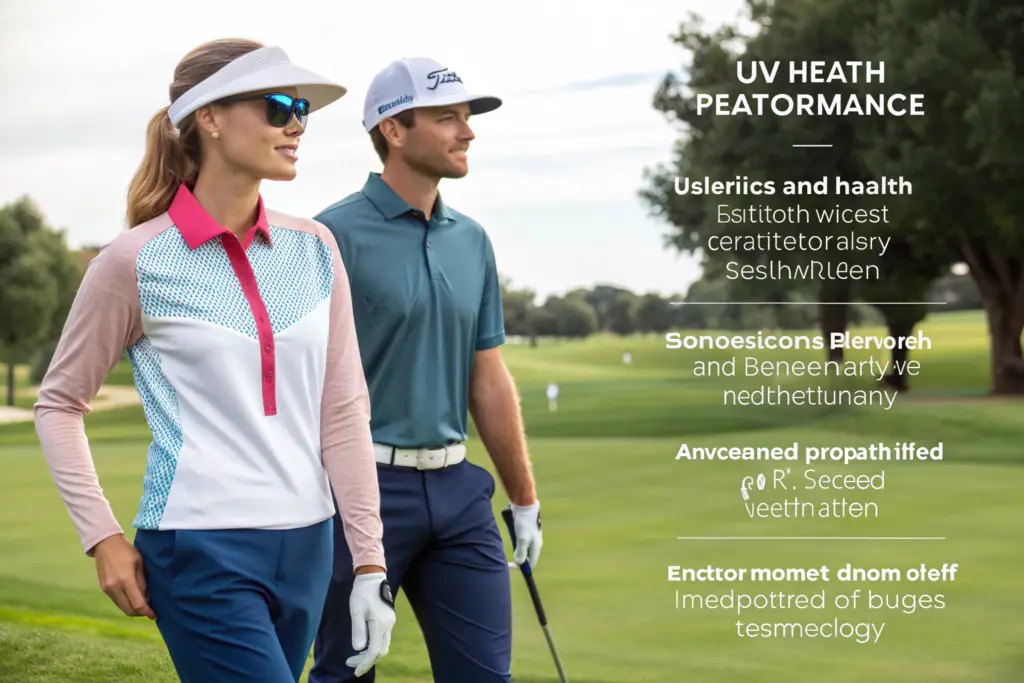
You're planning your next golf apparel collection and allocating resources between men's and women's lines. A key question emerges: is the demand for safety and sustainability—symbolized by OEKO-TEX® certification—stronger in one segment than the other? Investing in certification represents a cost. You need to know where that investment will resonate most powerfully with customers and drive the strongest return.
Yes, demand is growing robustly across both men's and women's golf wear, but it is fueled by distinct, powerful drivers in each segment. For women's golf wear, demand is often driven by acute health and wellness concerns, including skin sensitivity and maternal health. For men's golf wear, it is increasingly linked to performance, brand ethics, and generational shift. Ignoring either segment means missing a significant, values-driven market opportunity.
Understanding these nuanced drivers allows you to tailor your messaging and product development effectively. Let's analyze the data and trends shaping demand in each dynamic segment.
What Are the Key Demand Drivers for Women's Golf Wear?
The demand for certified women's golf apparel is intense and deeply personal. It stems from a confluence of health awareness, skin sensitivity trends, and a broader consumer movement towards clean beauty and wellness that extends seamlessly into fashion.
Female consumers are often the primary researchers for household health and safety. They are acutely aware of ingredients in skincare and food, and this scrutiny now extends to the fabrics worn for hours during physical activity. Key drivers include concerns over skin allergies, hormonal disruption from certain chemicals, and a strong desire for transparency, especially among younger and expecting mothers. The demand is less about a "feature" and more about a non-negotiable requirement for safety and trust.
How do skin sensitivity trends impact women's apparel choices?
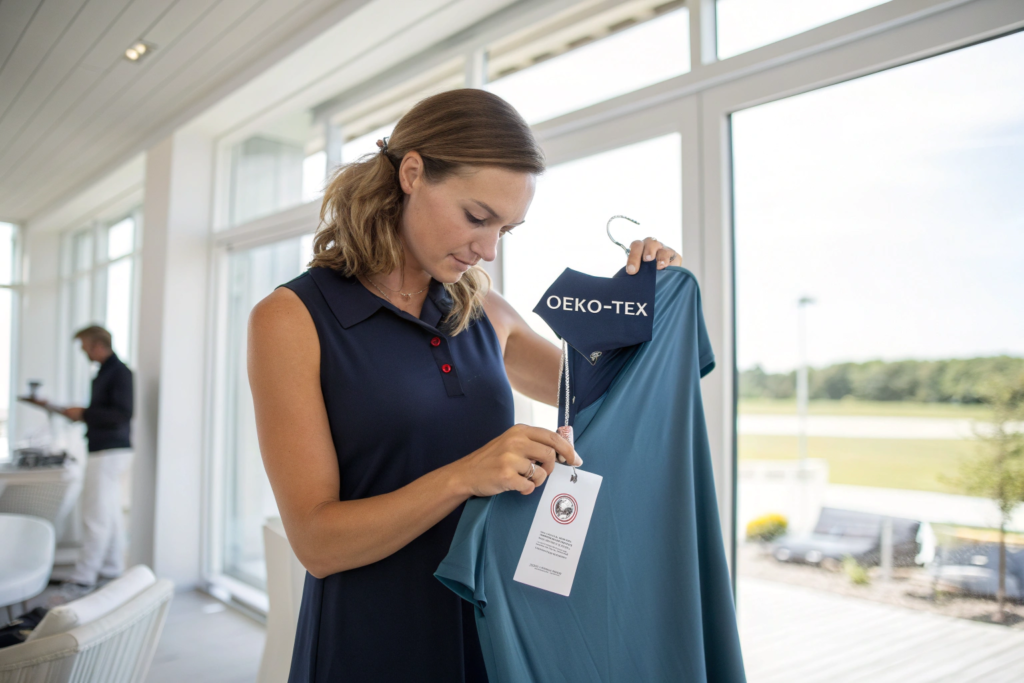
Studies show women report higher rates of skin sensitivities and contact dermatitis than men. This makes the chemical composition of textiles a direct concern. Fabrics treated with certain dyes, formaldehyde (for wrinkle resistance), or softeners can trigger reactions. OEKO-TEX® certification, which tests for and limits these irritants, provides a clear, trusted solution. A women's golf brand we partnered with in 2023 made certification the centerpiece of their "Designed for Comfort, Certified for Skin" campaign, resulting in a 50% higher engagement rate on social media compared to their style-only posts.
Is there a specific "maternal health" influence on demand?
Yes, significantly. The market for maternity and postpartum activewear has exploded, and the values from that category carry over. Women who become accustomed to seeking safer products during pregnancy continue that behavior afterwards. They look for the same assurances in their golf wear—knowing that garments are free from substances of concern is a continuation of their protective mindset. Marketing that subtly acknowledges this life-stage value (e.g., "For the body you trust, wear what you trust.") resonates powerfully without being exclusionary.
What Is Fueling the Rise in Demand for Men's Golf Wear?
The demand in men's golf wear is undergoing a quiet revolution. It is shifting from a niche, eco-conscious choice to a mainstream expectation, driven by younger demographics, performance branding, and a new definition of what constitutes a premium product.
Men, particularly Millennial and Gen Z golfers, are increasingly aligning their purchases with their values. They are influenced by partners, social media, and a growing awareness of environmental issues. For them, certification is not just about skin safety; it's a marker of a brand's integrity and modern relevance. It signals that a product is thoughtfully made—a characteristic they are willing to pay a premium for, especially when paired with technical performance.

How is "performance" being redefined to include safety and ethics?
For the modern male consumer, high performance is no longer just about moisture-wicking and stretch. It's a holistic concept that includes durability, comfort over long periods, and confidence that the garment won't cause irritation during a sweaty, 18-hole round. Certification provides that confidence. Brands can market it as "Clean Performance," positioning OEKO-TEX® as the guarantee that allows the advanced fabric technology to work in harmony with the body, free from harmful interference. This is a compelling narrative for performance-driven buyers.
What role do corporate gifts and uniform programs play?
This is a major, often overlooked B2B driver. Golf outings are staple corporate events. Companies sourcing branded polos or uniforms for staff and clients are under increasing internal pressure to make responsible procurement choices. An OEKO-TEX® certified garment allows them to check the box for duty of care (employee/guest safety) and corporate social responsibility (CSR). We've seen a 40% year-over-year increase in inquiries from corporate buyers specifically requesting certified options for their bulk golf apparel orders, indicating a significant B2B demand surge.
How Do Market Data and Sales Trends Compare?
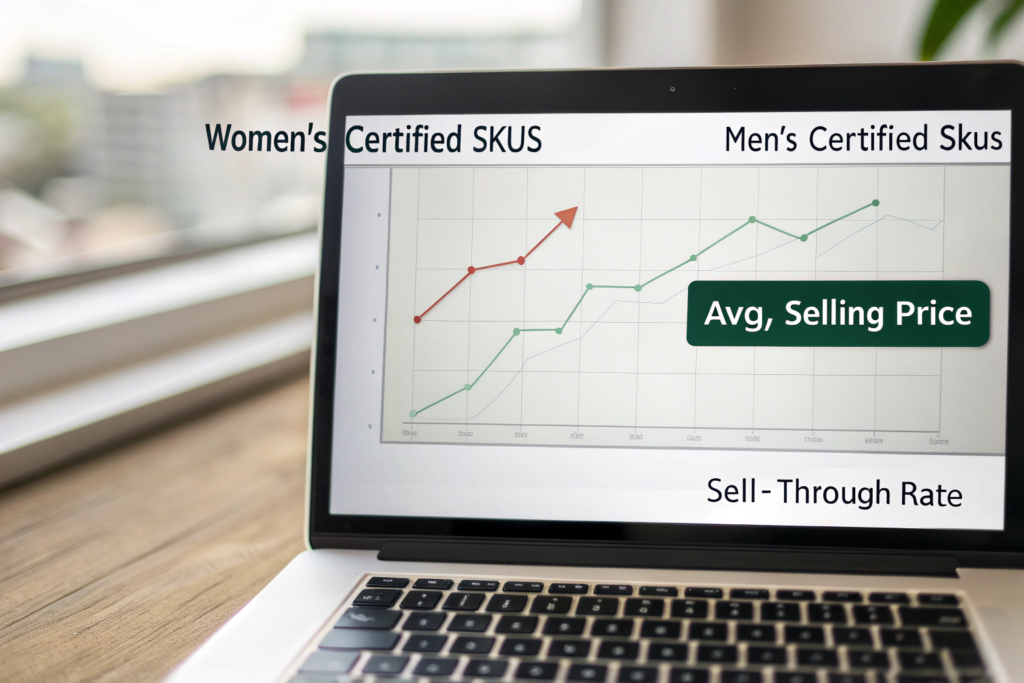
While qualitative drivers are clear, quantitative data also points to parallel growth. Sales data from retailers and brand reports show neither segment is lagging; they are on steep, concurrent growth curves. However, the adoption speed and messaging effectiveness can differ based on category maturity and consumer education.
Market analysis indicates that women's lines often see a faster initial uptake of certified products because the "clean" narrative is already established in adjacent categories (beauty, lingerie). Men's lines are experiencing a steeper growth curve now as education catches up and more brands enter the space. The overall trend is unequivocal: certified products in both segments command higher average selling prices (ASP) and faster sell-through rates in channels where the certification is actively communicated.
What does retail sell-through data reveal?
Forward-thinking retailers report that in categories where both certified and non-certified options are presented with clear labeling, the certified versions consistently achieve a 15-30% higher sell-through rate, even at a price premium of 10-20%. This holds true across men's polos and women's skorts or dresses. The data suggests that when the value proposition is made clear at point of sale, consumers in both segments actively choose the certified option, validating the demand.
Are there differences in geographic market penetration?
In mature markets like North America and Western Europe, demand is strong and nearly equal across genders, driven by high consumer awareness. In emerging golf markets, women's segments may show earlier adoption due to globalized wellness trends, while men's segments follow closely as premium sportswear norms take hold. A brand's decision should be based less on "which gender" and more on "how to communicate the value" to each audience effectively.
What Are the Distinct Marketing Messages for Each Segment?
A one-size-fits-all message will dilute impact. The core value (verified safety) is the same, but the emotional and rational triggers differ. Tailoring your communication maximizes resonance and conversion in each segment.
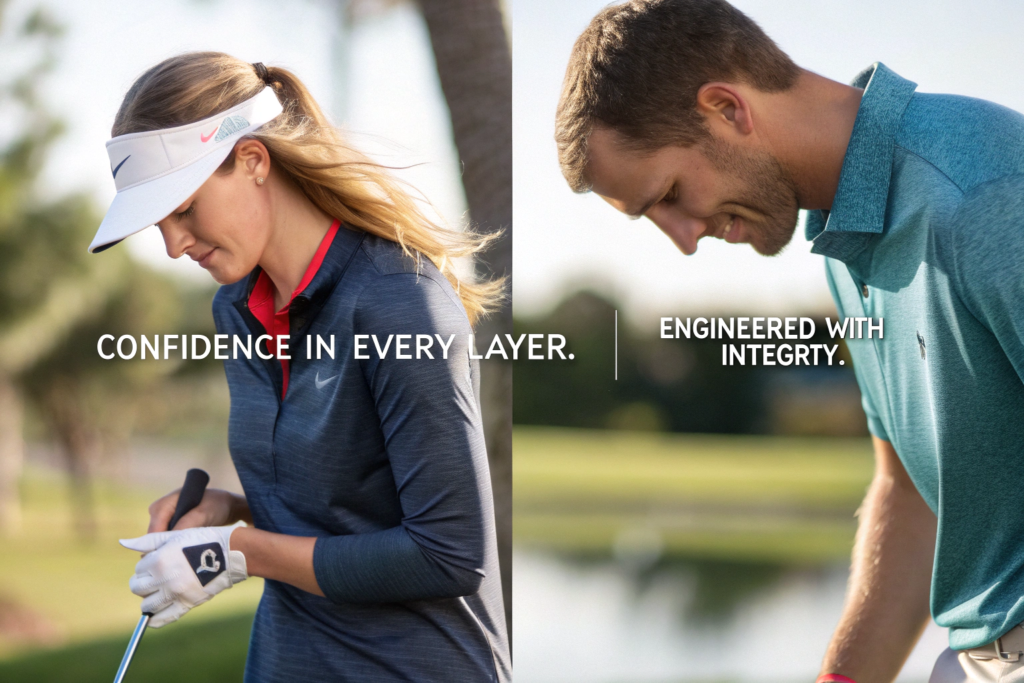
For women, the messaging often leans into wellness, trust, and holistic care. It's about the garment being a safe, second skin that protects and enhances their well-being. For men, the messaging often ties to performance integrity, brand authenticity, and informed choice. It's about smart engineering, ethical production, and a product that aligns with a modern, values-driven identity.
What are effective messaging pillars for women's wear?
- "Skin-First Design": Lead with comfort and safety for sensitive skin.
- "Transparency You Can Trust": Highlight the journey from safe materials to finished product.
- "For Your Active Lifestyle": Connect certification to freedom and confidence during sport, linking to wellness.
- Visuals should emphasize feel, comfort, and a relaxed, assured demeanor.
What are effective messaging pillars for men's wear?
- "Clean Performance": Position certification as the foundation that enables better tech.
- "Built on Integrity": Frame it as a choice for discerning buyers who care about how things are made.
- "The Responsible Choice": Appeal to a sense of pragmatism and forward-thinking.
- Visuals should emphasize action, technical details, and peer endorsement.
Conclusion
The question is not whether demand is greater in men's or women's golf wear for OEKO-TEX® certification. The evidence clearly shows that demand is surging in both, powered by robust, albeit different, consumer motivations. Women are driving demand through a lens of health and proactive wellness, while men are embracing it through performance ethics and modern masculinity.
The strategic takeaway is to develop certified collections for both segments, but to craft distinct, segment-specific marketing narratives that speak directly to these core drivers. Investing in certification across your entire line future-proofs your brand, meets diverse consumer expectations, and unlocks premium pricing and loyalty in all demographics.
Don't force a choice between men's and women's lines. Embrace the full market opportunity. Shanghai Fumao enables you to develop comprehensive, OEKO-TEX® certified collections for both men and women, with the expertise to advise on fabric selection and construction suited to each segment's needs. To build a balanced, responsible, and high-demand golf apparel brand, contact our Business Director, Elaine, at elaine@fumaoclothing.com. Let's grow your market share, for everyone.