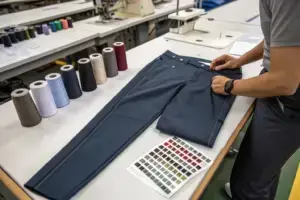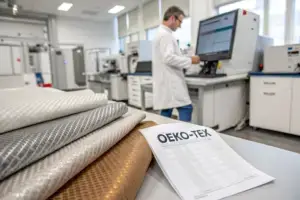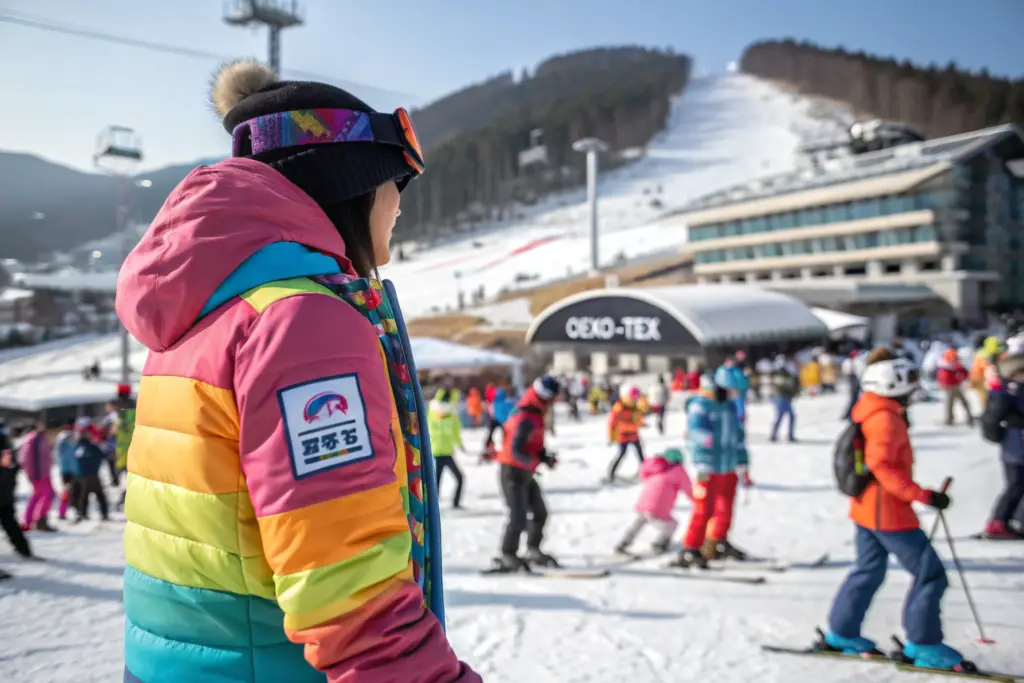
As a manufacturer shipping globally, I see data in containers. Over the past three years, our export logs tell a clear story: ski wear shipments to Japan, South Korea, and Australia are growing at 25% year-over-year. But what's more telling is that every single one of these orders now mandates OEKO-TEX certification. This isn't a coincidence; it's a direct causal relationship driven by new consumer profiles, stringent retail gatekeeping, and a fundamental shift in how the Asia-Pacific region views product safety in sportswear.
Yes, the explosive growth of the Asia-Pacific ski market is a primary driver accelerating global demand for OEKO-TEX certification. This demand stems from three converging forces: the rise of affluent, health-conscious middle-class consumers who prioritize safety; the entry of strict international retailers setting new compliance benchmarks; and the region's own evolving regulatory environment that uses OEKO-TEX as a trusted reference standard. For any brand or buyer looking to capitalize on this boom, understanding this certification landscape is no longer optional—it's the cost of entry.
We learned this firsthand in 2023. A longstanding American brand client wanted to expand into South Korea. Their existing best-selling jacket, produced without OEKO-TEX, was rejected by every major distributor there. The feedback was unanimous: "Get the certification, or we cannot sell." We fast-tracked the testing process for their entire line. Within six months, they secured their first Seoul-based retailer. The certification was the key that unlocked the market.
What Does the Asia-Pacific Ski Market Boom Look Like?
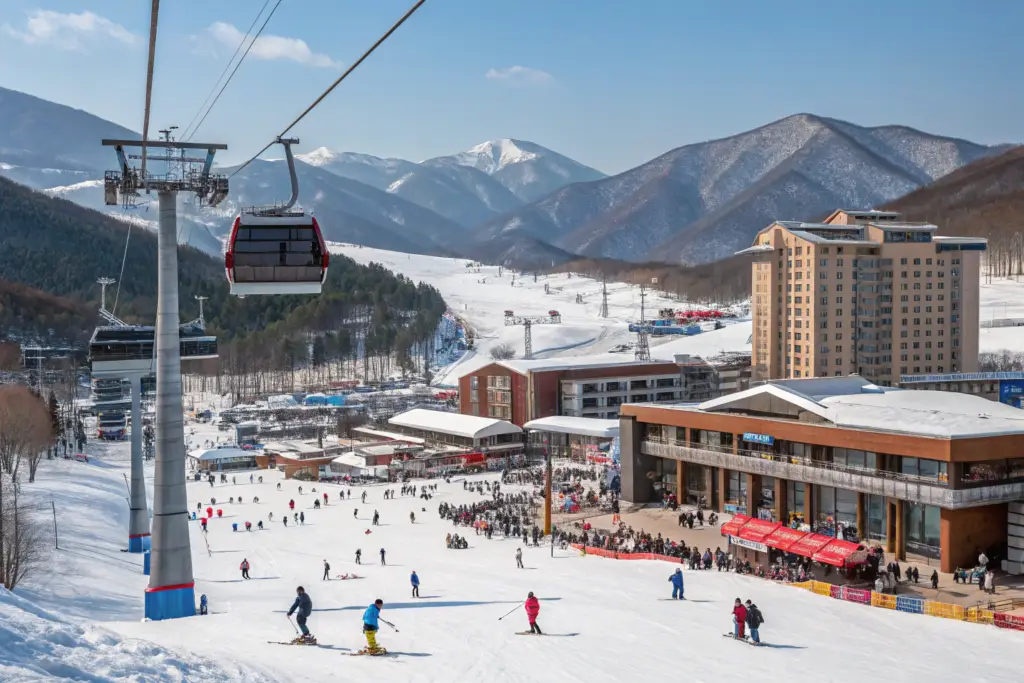
The numbers are staggering. While traditional markets in North America and Europe are mature, Asia-Pacific is the new frontier. Countries like China, Japan, and South Korea are investing billions in ski infrastructure, from the 2022 Beijing Winter Olympics legacy to over 500 new resorts planned across the region. This isn't just about sport; it's a massive lifestyle and tourism industry being built from the ground up.
The Asia-Pacific ski market is characterized by its rapid infrastructure development, a demographic of first-time but affluent skiers, and a strong influence of fashion and social media on gear purchasing. Unlike Western enthusiasts who may prioritize pure performance, many new Asian consumers seek a blend of technical functionality, high-fashion aesthetics, and verifiable safety—especially for family purchases. This trifecta puts certifications like OEKO-TEX at the forefront of the purchasing decision.
A specific client case from last season illustrates this perfectly. A Californian brand known for trendy, colorful ski suits approached us to manufacture for the Japanese market. Their designs were strong, but their fabric lacked any safety certification. Japanese buyers insisted on OEKO-TEX STANDARD 100 testing, particularly for the vibrant dyes used. They were concerned about colorfastness and skin contact safety, especially for children's wear. After we helped them achieve certification, the buyer's comment was revealing: "Now the mothers will feel confident buying this for their children." The certification addressed a core emotional need in the market.
Which countries are leading this growth and why?
The growth is led by a powerful trio:
- Japan: A mature but revitalized market with incredibly high-quality standards. Japanese consumers are deeply informed and trust third-party certifications implicitly. Retailers like Ishii Sports and Kojitsu Sangyo have strict vendor manuals.
- South Korea: Driven by K-pop and celebrity culture, skiing is a major social activity. Safety and style are equally important. Distribution is often through large department stores (e.g., Lotte, Shinsegae) with rigorous compliance departments.
- China: Post-Olympics, the "300 million people on ice and snow" policy has created a massive new consumer base. While domestic brands are growing, imported brands with international safety certifications command a significant premium and trust.
For a factory, this means production runs must be segmented. A shipment to Osaka may require different test reports than one to Seattle, even for the same jacket. Understanding these nuances is critical, and resources like the American Apparel & Footwear Association (AAFA) provide crucial regional regulatory updates.
How is consumer behavior different in this market?
The consumer is often urban, fashion-forward, and new to the sport. Key behavioral differences include:
- High Research Intensity: Consumers heavily rely on online reviews, influencer endorsements, and product labels before purchasing.
- Family-Centric Purchasing: A large portion of ski apparel is bought by parents, making children's wear safety a top-tier concern.
- Retail as Experience: Purchases often happen in high-end department store pop-ups or specialty boutiques where sales staff are trained to explain technical and safety features.
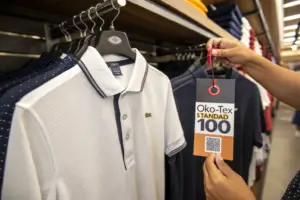
This environment makes the OEKO-TEX label a powerful in-store sales tool. It's an instantly recognizable, language-transcending symbol that a salesperson can point to as proof of safety, directly influencing the final purchase decision. This aligns with broader retail trends in experiential selling.
How Are Regional Retailers and Regulations Shaping Demand?
The demand for certification is not just bubbling up from consumers; it's being enforced top-down by the gatekeepers of the market—the retailers and regulators. In Asia-Pacific, major department stores and specialty chains have adopted some of the world's most stringent private standards, often using OEKO-TEX as a baseline requirement for any imported apparel, especially for categories involving close skin contact like base layers and children's wear.
Regional retailers act as compliance amplifiers. They cannot test every batch themselves, so they rely on trusted, third-party certifications like OEKO-TEX to de-risk their inventory. Furthermore, while national regulations may vary, countries like South Korea and Japan have strong chemical safety laws (e.g., KC Mark, Japan's Law 112) that align closely with OEKO-TEX's restricted substances list. For brands, obtaining the certification is the most efficient way to demonstrate compliance across multiple jurisdictions. It's a universal passport.
In 2024, we prepared a shipment of ski gloves for a Australian chain. Just before shipment, the retailer's compliance team requested an additional OEKO-TEX test report specifically for the formaldehyde content in the leather palms. While not part of our standard package, we had the component tested promptly. The report satisfied the retailer, and the shipment cleared without delay. This "just-in-time" testing demand is becoming common, and factories must have agile systems to respond. At Shanghai Fumao, we maintain a database of pre-certified components to speed up this process.

What are the specific requirements of key APAC retailers?
Retailer requirements can be highly detailed. Here’s a snapshot:
| Retailer / Market | Typical Requirement | Focus Area |
|---|---|---|
| Japanese Department Stores | OEKO-TEX STANDARD 100 Class II (for direct skin contact) | Infant wear, base layers, glove linings. |
| Korean Luxury Outdoor Chains | OEKO-TEX + additional phthalate & heavy metal tests | All apparel, with extra scrutiny on prints and PVC components. |
| Australian Major Retailers | OEKO-TEX or equivalent SAI Global certification | Sun-protective wear, school uniform adjacent items. |
Navigating this requires a proactive factory partner. We advise clients to build the cost and timeline for the strictest required certification into their initial development plan for an APAC-targeted collection.
How do local regulations interact with OEKO-TEX?
OEKO-TEX often serves as a surrogate standard. For example:
- China's GB Standards: While China has its GB standards for textile safety, many importers and premium domestic brands view OEKO-TEX as a more internationally recognized and trusted mark, using it to signal higher quality.
- Japan's Law 112: Regulates formaldehyde. An OEKO-TEX certificate provides ready-made proof of compliance for this specific substance, among many others.
This interaction makes OEKO-TEX a powerful tool for global market access, simplifying compliance across diverse and complex regulatory landscapes.
What Does This Mean for Your Sourcing Strategy?
For brands and buyers, the implications are profound. Sourcing for the Asia-Pacific market can no longer be an afterthought or a simple diversion of excess Western inventory. It requires a dedicated strategy, starting at the product development and factory selection stage. The factory you choose must have proven experience and systems to manage the specific certification and documentation workflow that this market demands.
Your sourcing strategy must now be bifurcated: one for markets where certification is a "value-add" and one for Asia-Pacific where it is a "non-negotiable." This means selecting a manufacturing partner with a deep certification library, established relationships with accredited labs in the region, and a track record of passing audits from APAC-based retailers. The cost of certification shifts from an optional line item to a core part of your product's cost of goods sold (COGS) for this market. The return, however, is access to the world's fastest-growing consumer base.
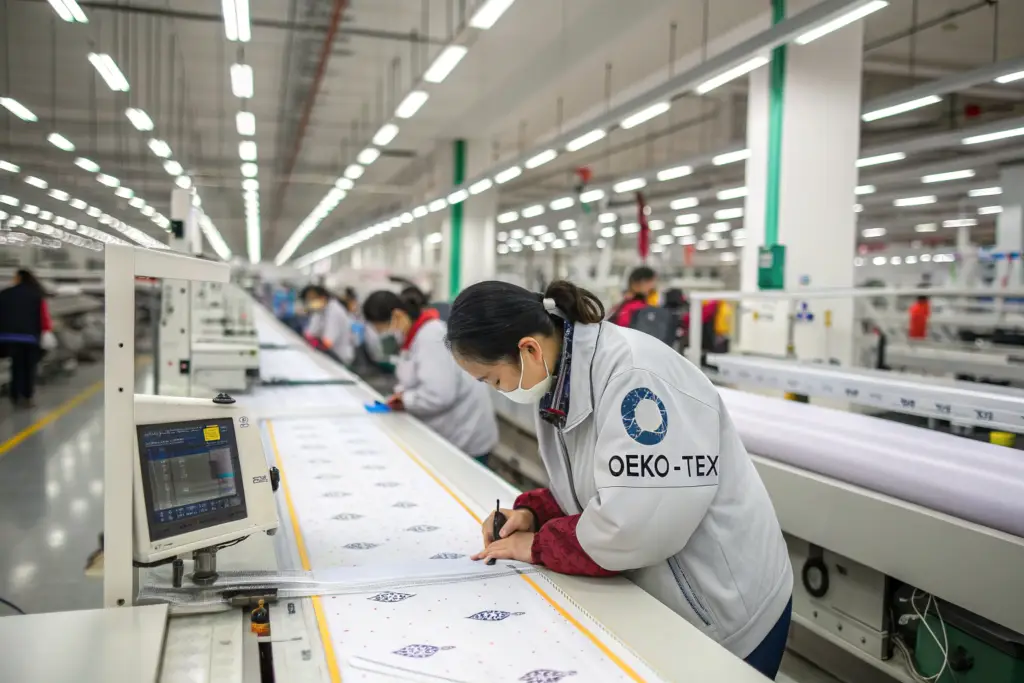
A brand we work with made a strategic decision in 2023. They designated their entire "Alpine Collection" as their APAC-focused line. From the initial fabric sourcing, they only selected materials that were either pre-certified or could be certified. They worked with our team at Shanghai Fumao to streamline the testing process. As a result, when they presented the collection at the ISPO Shanghai trade show, every sample had its certification pending or in hand. This preparedness was a major differentiator, leading to three new distributor contracts on the spot.
Should you develop Asia-Pacific-specific products?
Absolutely. Consider these factors:
- Sizing & Fit: Asian body types often differ from Western standards.
- Color & Aesthetic Preferences: Tends toward brighter colors, sleek designs, and often more fashionable detailing.
- Packaging & Labeling: Multilingual hangtags and care labels are essential, with certification logos prominently displayed.
Developing a dedicated product line, or at least a dedicated variant of your core products, allows you to optimize for these factors and justify the additional investment in certification. This is a core principle of product line development for global markets.
How do you verify a factory's APAC certification capability?
Don't just ask, "Are you OEKO-TEX certified?" Ask these deeper questions:
- "Can you show me recent OEKO-TEX certificates for shipments to Japan or South Korea?"
- "What is your process for handling additional substance tests requested by Korean regulators?"
- "Do you have a dedicated compliance officer who manages retailer audit documentation?"
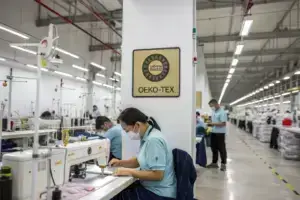
A competent factory will have a portfolio of certificates and a system to manage them. At our facility, we use a digital platform where clients can view the status of all certifications for their orders in real-time. This level of transparency is what builds the long-term trust required to succeed in these markets.
Beyond OEKO-TEX: The Future of APAC Compliance
Looking ahead to 2025 and beyond, OEKO-TEX is the foundation, but the building is getting taller. The Asia-Pacific market is rapidly evolving towards broader sustainability and circularity demands. Savvy buyers are already seeing early signals of the next wave of requirements, which will include certifications around recycled content, carbon footprint, and end-of-life recyclability.
The future of APAC compliance is holistic. It will integrate OEKO-TEX's product safety with environmental management (like OEKO-TEX STeP) and recycled content verification (like GRS - Global Recycled Standard). Early-adopter brands are already combining these certifications to create a powerful "360-degree" sustainability story that resonates deeply with the environmentally conscious, young urban consumers in cities like Tokyo, Seoul, and Sydney. This is the next competitive frontier.
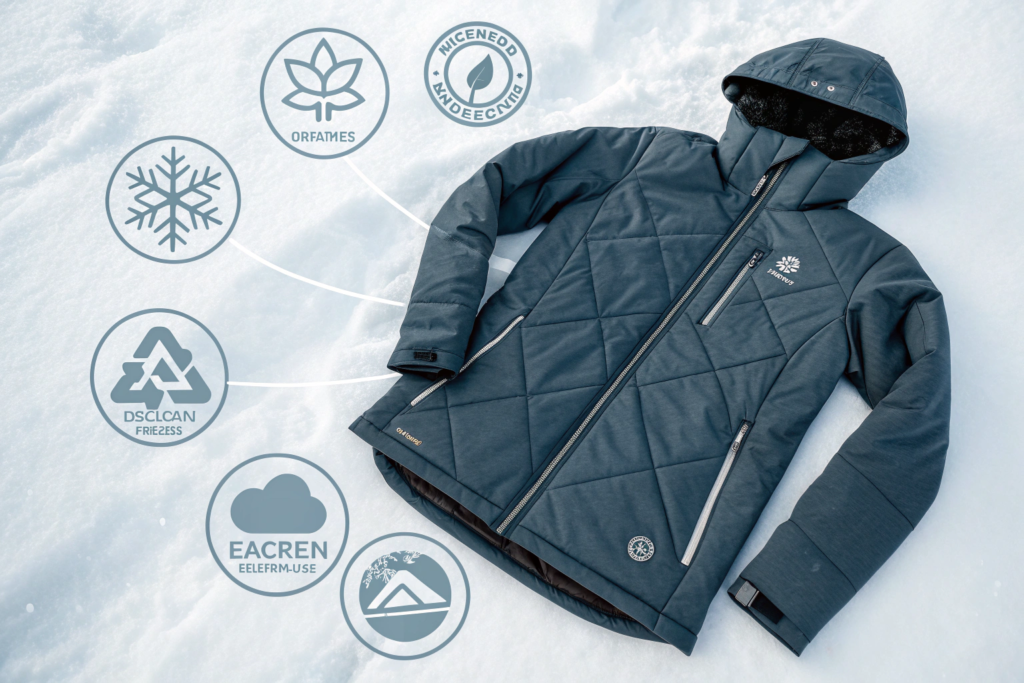
We are currently piloting a program with a forward-thinking Australian brand. Their new shell jacket uses GRS-certified recycled nylon, is produced in our STeP-assessed facility, and carries the OEKO-TEX STANDARD 100 label. The marketing story is compelling: "Safe for you, better for the planet." This multi-layered certification approach is allowing them to enter premium retail spaces and command a significant price premium, proving that the investment in comprehensive certification has a direct and measurable ROI.
What emerging standards should be on your radar?
- GRS (Global Recycled Standard): Demand for recycled PET and nylon in ski wear is exploding. GRS verifies the recycled content and tracks it through the supply chain.
- Higg Index Facility Environmental Module (FEM): While not a certificate, this self-assessment is increasingly requested by global brands to benchmark a factory's environmental impact. APAC retailers are beginning to ask for it.
- Carbon Neutral/Footprint Claims: Verified claims about a product's carbon footprint, often based on LCA (Life Cycle Assessment), are the next luxury differentiator.
How can you future-proof your supply chain?
Start the conversation with your manufacturing partner now. Ask:
- "What is your roadmap for GRS-certified production?"
- "Can you provide Higg FEM data for our sustainability reporting?"
- "Are you tracking the carbon footprint of your key fabric offerings?"
A partner like Shanghai Fumao, which is already investing in recycled material lines and energy-efficient machinery, is preparing for this future. Aligning with such a partner ensures your brand won't be scrambling to meet next year's requirements.
Conclusion
The growth of the Asia-Pacific ski market is not just driving OEKO-TEX demand; it is fundamentally reshaping the compliance landscape for the entire ski apparel industry. This region's unique blend of affluent new consumers, rigorous retailers, and evolving regulations has made third-party safety certification the universal key to market access. For brands, this is not a barrier but an opportunity—to build trust, justify premium positioning, and secure a foothold in the world's most dynamic consumer market.
The strategy is clear: integrate OEKO-TEX certification into the DNA of your Asia-Pacific-bound products from the earliest design stage. Choose a manufacturing partner who views certification not as a bureaucratic hurdle, but as a core component of quality and a shared investment in your brand's global growth.
If you are looking to navigate the exciting complexities of the Asia-Pacific ski wear market and need a partner with the proven certification expertise and systems to ensure your success, let's talk. At Shanghai Fumao, our experience in certifying products for Tokyo, Seoul, and Sydney is hard-won and readily available. We help you turn compliance from a cost into your most compelling market advantage. Contact our Business Director, Elaine, to discuss how we can develop and certify your next collection for Asia-Pacific success. Reach her at: elaine@fumaoclothing.com.