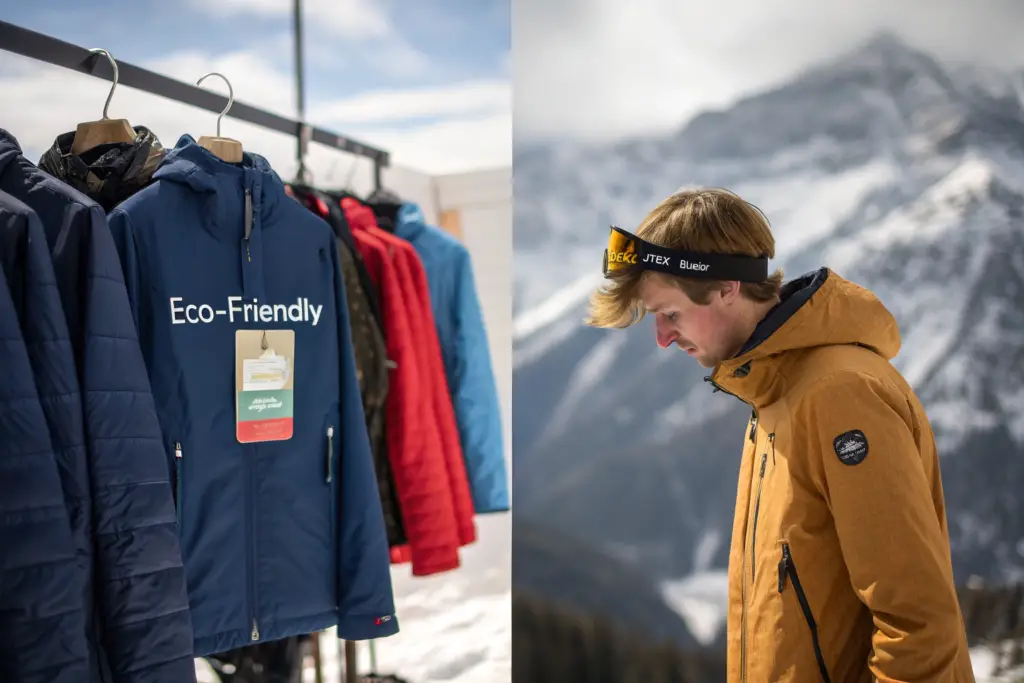
As a manufacturer who has navigated the complex shift from "greenwashed" claims to genuine sustainability, I face this question head-on. The ski apparel market is under intense scrutiny—its products are technical, chemical-heavy, and used in pristine natural environments. While noble intentions and some sustainable practices are possible without third-party verification, achieving credible, defensible, and market-ready sustainability in ski wear is virtually impossible without certifications like OEKO-TEX.
Truly sustainable ski apparel is not possible without certifications like OEKO-TEX because they provide the only scalable, verifiable, and trusted proof that the extensive chemical treatments required for performance (waterproofing, insulation, durability) are managed responsibly, preventing toxic pollution and ensuring human safety—core tenets of sustainability that internal promises cannot reliably guarantee. Intentions are not evidence.
Let's unpack why certification is the non-negotiable backbone of authentic sustainability in this demanding sector.
Can You Have Performance Without Verified Chemical Safety?
Ski apparel demands extreme performance: waterproofing, breathability, insulation, and stretch. These functions are achieved through advanced chemistry—DWR finishes, laminated membranes, and synthetic insulation. The sustainability question isn't "use chemistry or not?" but "how is that chemistry managed?"
You cannot have responsibly sustainable high-performance without verified chemical safety because the environmental impact of apparel occurs largely at the material production stage; unchecked chemical use pollutes waterways and creates long-term toxicity, directly contradicting the environmental values of skiers and the outdoor community. Performance must be planet-safe.
What is the "Dirty Secret" of Waterproofing?
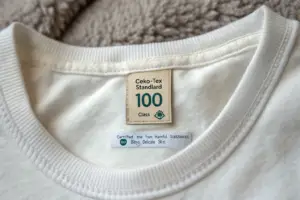
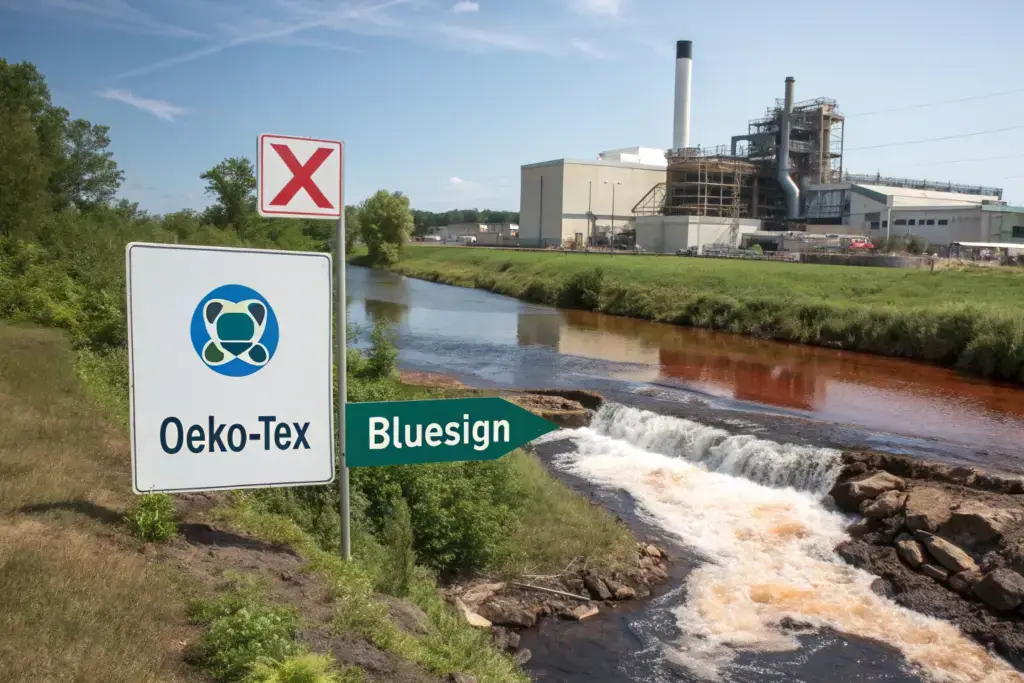
Traditional durable water repellent (DWR) finishes have relied on PFCs/PFAS (per- and polyfluoroalkyl substances), dubbed "forever chemicals" for their environmental persistence and toxicity. A brand can claim a "PFC-free" DWR, but without certification, how does a buyer verify the alternative chemistry isn't equally harmful? OEKO-TEX STANDARD 100 and standards like bluesign® provide restricted substance lists (RSLs) that strictly limit or ban entire chemical groups, pushing mills toward verified safer alternatives. We moved our ski shell production to a bluesign® approved fabric mill, and the OEKO-TEX certification of the final garment proves the entire chain—from mill to our factory—adhered to these rules.
How Do Unverified Insulations Impact Sustainability?
Insulation, whether synthetic (like PrimaLoft®) or natural (down), involves processing. For down, the bleaching and washing agents can be toxic. For synthetics, the polymer production and finishing can involve heavy metals and solvents. The Responsible Down Standard (RDS) ensures ethical sourcing, but OEKO-TEX ensures chemical safety. Using both is the gold standard. A "sustainable" jacket with ethically sourced down that is washed with harmful chlorine bleach is not truly sustainable. Certification provides the missing piece.
How Do Brands Communicate "Sustainability" Without Proof?
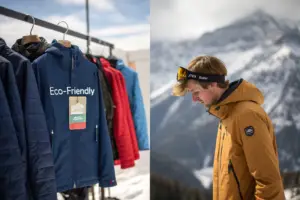
In a market flooded with green claims, consumers and retailers have grown skeptical. Terms like "eco-friendly," "green," and "conscious" are meaningless without backing. This is where certification becomes a communication and credibility tool.
Brands attempting to communicate sustainability without third-party proof face "greenwashing" accusations, erode consumer trust, and fail to meet the stringent procurement requirements of reputable outdoor retailers, who increasingly mandate certifications as a condition for shelf space. Your story needs a passport.
What Do Retailers and Distributors Actually Require?
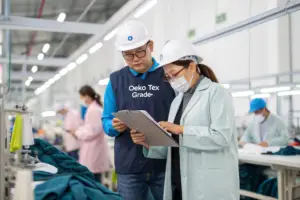
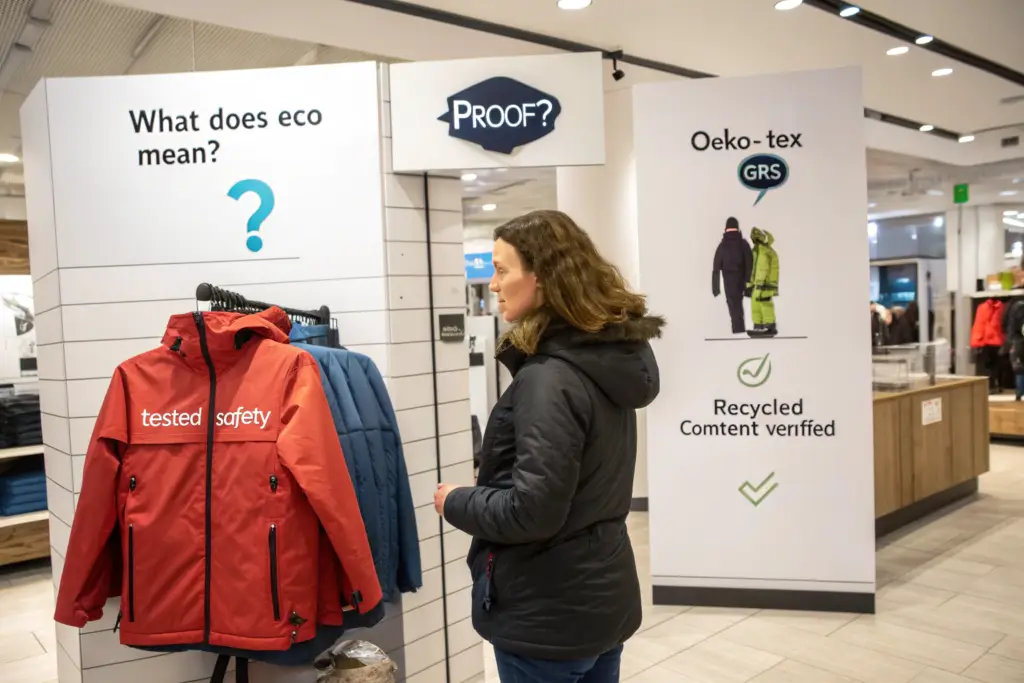
Major outdoor retailers like REI, Backcountry, and European chains are not asking for sustainability stories—they are demanding compliance with specific Manufacturer's Restricted Substance Lists (MRSLs) and certifications. They conduct their own audits. Presenting an OEKO-TEX certificate is often the most efficient way to satisfy a significant portion of their chemical compliance requirements. For a brand, lacking this is a direct barrier to market access and scaling. We've had clients come to us after being rejected by a distributor because their previous factory could only provide a fabric certificate, not a full garment OEKO-TEX certification.
Can You Rely on Supplier "Letters of Guarantee"?
Some factories provide a simple letter stating materials are "free from harmful substances." This is a significant risk. It is not testable, verifiable, or defensible in a liability case. It places the entire burden of proof on the brand if something goes wrong. In contrast, an OEKO-TEX certificate is a legal document from an independent body. The difference is between a handshake and a notarized contract. After a 2022 incident where a non-certified glue caused a recall, we at Shanghai Fumao stopped accepting supplier guarantees alone; we require the certificate for every component.
What Are the Tangible Gaps in an Uncertified Supply Chain?
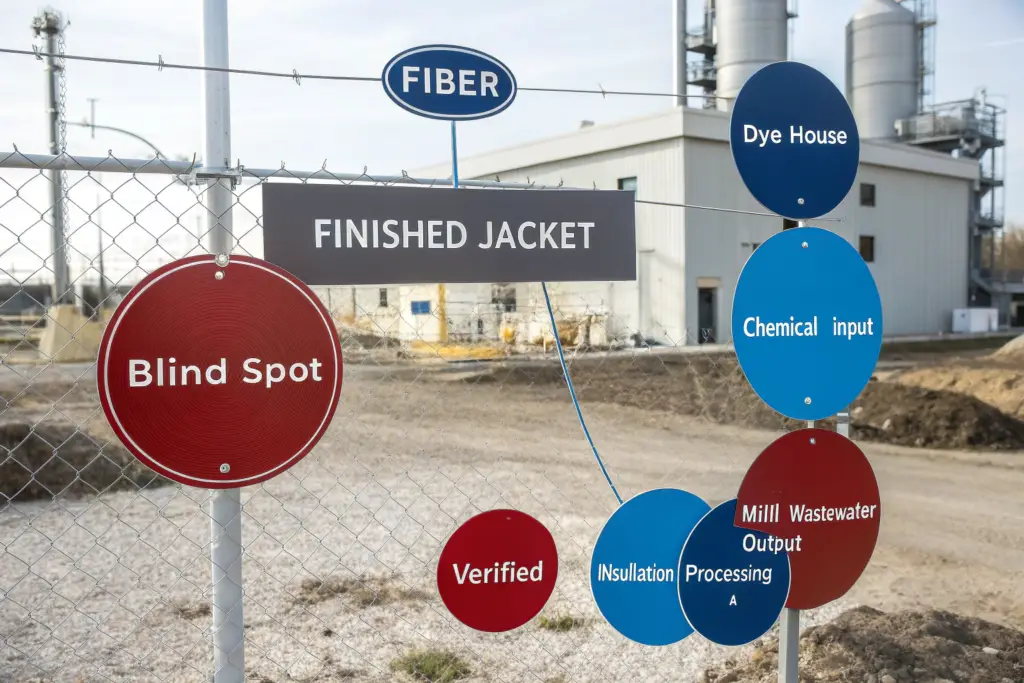
An uncertified supply chain has blind spots that directly undermine sustainability goals. Sustainability is about measurable impact reduction, which requires measurement and control.
Tangible gaps in an uncertified supply chain include a lack of traceability for recycled content, no controlled management of chemical inventories at mills, no verification of working conditions at material suppliers, and no lifecycle perspective on chemical pollution—gaps that certifications systematically fill through audits and chain-of-custody documentation. You can't manage what you don't measure.
How is Recycled Content Verified?
Using recycled polyester is a common sustainability claim. Without the Global Recycled Standard (GRS), there is no way to prove the percentage of recycled content or ensure the material is not blended with virgin material from unsustainable sources. GRS is a chain-of-custody standard. It tracks the recycled material from the recycler to the final product. An uncertified brand claiming "made with recycled plastic bottles" has no audited proof. This claim is increasingly challenged by informed consumers and journalists.
What About Energy, Water, and Social Welfare?
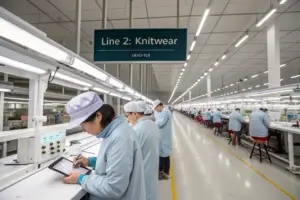
Comprehensive sustainability includes environmental footprint (energy, water, waste) and social welfare. OEKO-TEX STeP (Sustainable Textile Production) certification addresses this at the factory level, assessing these modules. An uncertified factory might be efficient, but it has no benchmark or improvement roadmap. A brand claiming "ethical manufacturing" without evidence from such audits is on thin ice. For our factory, pursuing STeP was a commitment to moving beyond product-level to process-level sustainability.
Is a "Partial" or "In-House" Approach Credible?
Some brands adopt a piecemeal strategy: certifying only the main fabric or implementing their own internal standards. This can be a step, but it lacks the completeness and credibility for a market-defining position.
A "partial" or "in-house" approach lacks the objectivity, global recognition, and supply-chain-wide enforcement of independent certification, leaving the brand vulnerable to challenges and limiting its appeal to the most discerning consumers and B2B partners who seek comprehensive assurance. It's a half-measure.
What are the Limits of a Fabric-Only Certificate?
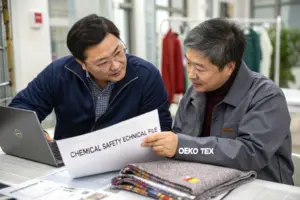
A fabric certificate covers only that roll of fabric. It does not cover:
- The lamination adhesive bonding the membrane.
- The sewing thread.
- The zippers and Velcro.
- The insulation.
- The printing inks for logos.
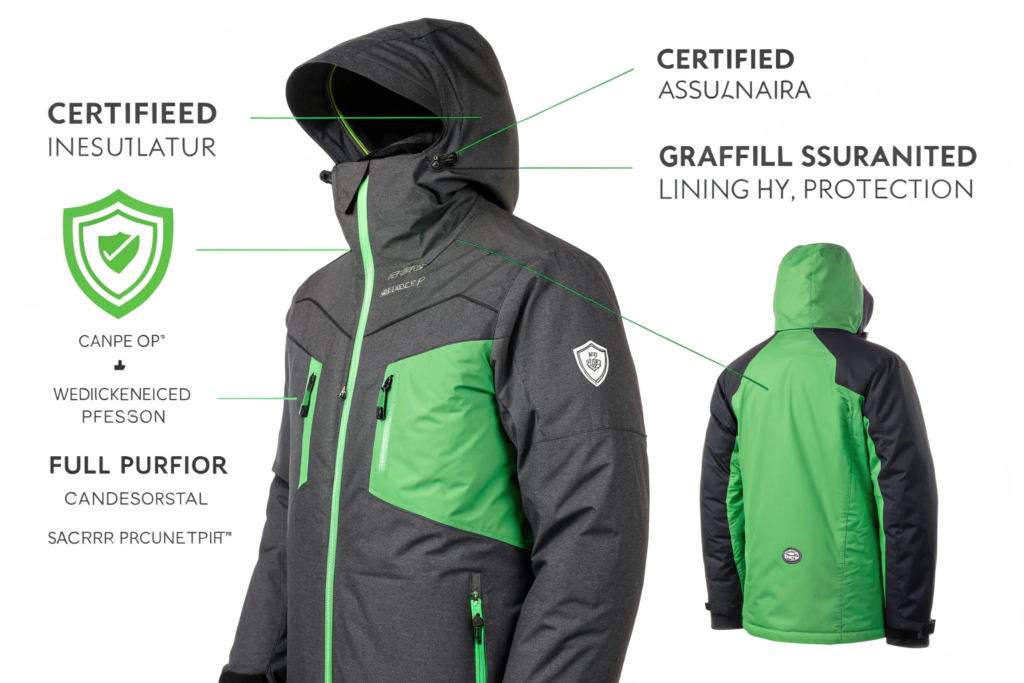
A ski jacket is a system. A toxic adhesive can render a certified fabric irrelevant. Full garment OEKO-TEX certification tests the final, assembled product, covering all these elements. This is why we operate on a full-package, certified production model at Fumao. It's the only way to guarantee the final product's integrity.
Can a Brand's Own Standard Be Enough?
A brand can have a rigorous internal MRSL. However, enforcing it across a global, multi-tiered supply chain requires immense resources for testing and auditing—resources that a certification body like OEKO-TEX pools across thousands of companies. For all but the largest brands, replicating this is impractical and lacks the perceived objectivity. The external certificate is a trust signal that reduces the "cost of trust" for the consumer.
Conclusion
For ski apparel, where technical performance is inextricably linked to chemical use and the end-user is deeply connected to the natural environment, sustainability cannot be a vague ambition. It must be a verifiable, chemical-safe, and supply-chain-transparent reality. Certifications like OEKO-TEX (for product safety), GRS (for recycled content), and bluesign®/STeP (for process sustainability) are not optional badges; they are the essential infrastructure that turns sustainable intent into credible, scalable, and market-ready action.
Building such a product requires a manufacturing partner embedded in this certified ecosystem. If your goal is to create ski apparel that performs brilliantly on the mountain while genuinely protecting the planet and its people, the journey begins with verified materials and processes. Let's build that future together. Contact our Business Director Elaine at elaine@fumaoclothing.com to explore how Shanghai Fumao can be your partner in achieving authentically sustainable, high-performance ski wear.