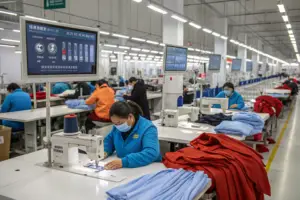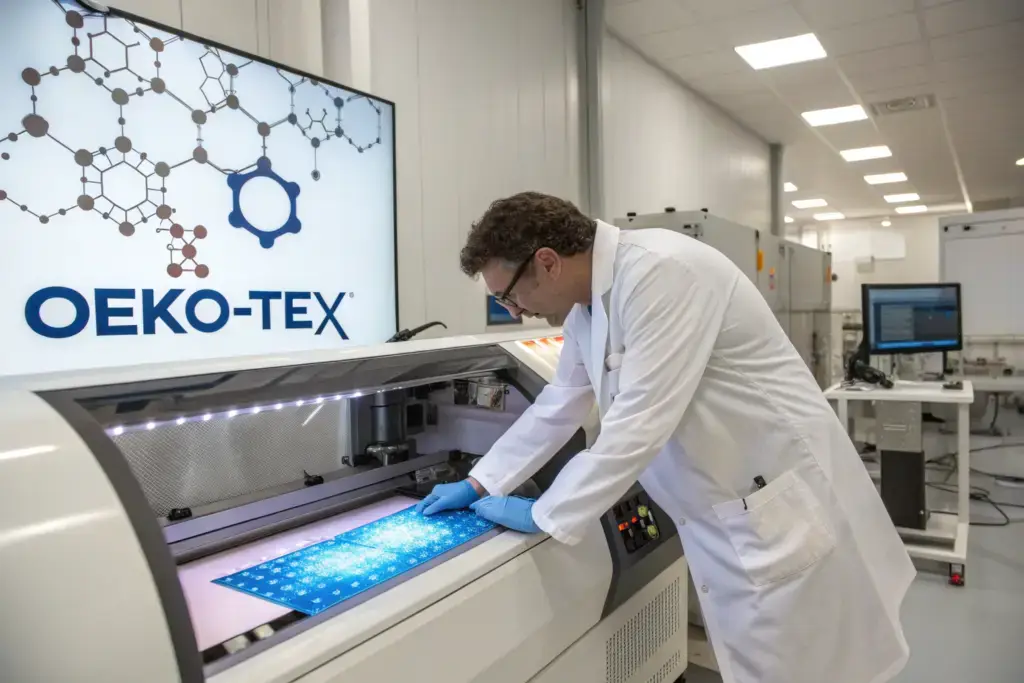
The world of ski fabric technology moves fast. We see new waterproof membranes, bio-based insulations, and smart textiles hitting the market every season. As a brand owner, you want to use these innovations to stay ahead. But you also need to guarantee safety and trust to your customers. This puts a critical question on the table: Can the OEKO-TEX certification, a long-time industry benchmark, keep pace with these rapid changes? The answer impacts your ability to innovate safely and market with confidence.
Yes, OEKO-TEX certification is actively adapting to new ski fabric technologies, but it requires a proactive partnership between innovators, manufacturers, and the certification body itself. The system is designed to be dynamic, with updates to its restricted substances list (RSL) and testing methods, and it offers specific pathways like the MADE IN GREEN by OEKO-TEX label to address complex, high-tech supply chains.
Relying on outdated certifications for cutting-edge materials is a risk you cannot afford. It can lead to unexpected compliance failures, delayed launches, or worse, a product that doesn't meet the safety promises on its label. Let's explore how the certification framework evolves and what you, as a brand sourcing advanced ski wear, need to know to navigate this landscape successfully.
How Does OEKO-TEX Update Its Standards for Advanced Materials?
OEKO-TEX is not a static rulebook. Its core strength lies in its ongoing adaptation. The association updates its Standard 100 Restricted Substances List (RSL) at least once a year, based on new scientific research, regulatory changes, and market trends. This is crucial for ski fabrics, which often incorporate novel chemical treatments for extreme water repellency (like advanced DWR), flame resistance, or antimicrobial properties.
The process involves a global network of research institutes and industry experts. When a new chemical compound or manufacturing process emerges in textile production—such as a new solvent used to laminate a waterproof membrane—OEKO-TEX evaluates its potential health and environmental impact. If risks are identified, limits are set, and testing methods are developed. This means a new ski fabric technology is not automatically "safe" until it has been scrutinized under the current RSL. For manufacturers like Shanghai Fumao, this requires constant communication with our fabric mills to ensure any new material proposed for a client's high-performance line comes with pre-verification of its compliance status.
What specific new ski fabric technologies pose fresh challenges?
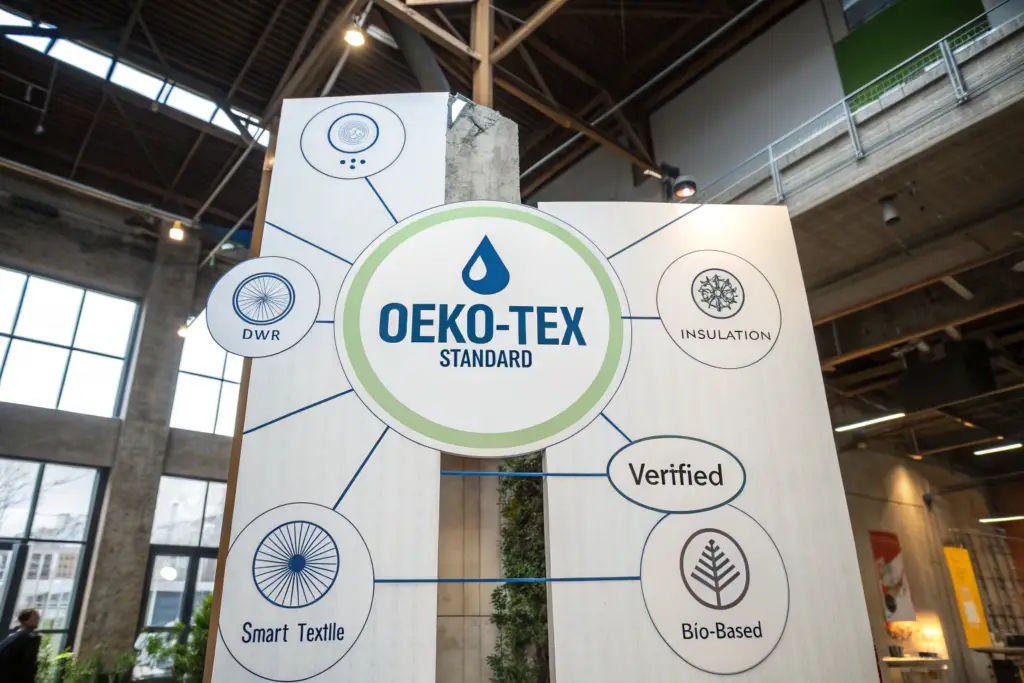
Several advanced categories require special attention:
- PFAS-Free DWR Treatments: The industry is rapidly phasing out Per- and Polyfluoroalkyl Substances (PFAS) for environmental and health reasons. New, alternative durable water repellents are being developed. OEKO-TEX has expanded its testing to monitor a broader range of fluorinated and non-fluorinated compounds, ensuring that "PFAS-free" claims are verifiable and that replacements are not introducing other harmful substances.
- Bio-based and Recycled Insulations: Insulations made from recycled plastics or natural materials like algae oil involve complex chemical recycling or fermentation processes. These processes can introduce or concentrate contaminants. OEKO-TEX testing must adapt to screen for unexpected by-products in these novel supply chains. Last season, we worked with a brand on a ski jacket using a new bio-based insulation. While the insulation was marketed as "natural," our due diligence included requesting the supplier's OEKO-TEX certificate specifically for that material class, preventing a potential compliance gap.
- Phase Change Materials (PCMs) & Smart Textiles: These technologies often involve microencapsulated chemicals or conductive inks/metals. OEKO-TEX needs to assess the potential for skin irritation, allergenicity, or leaching of these encapsulated substances under conditions of sweat, friction, and heat—all relevant to ski wear.
How does the MADE IN GREEN label address complex tech supply chains?
OEKO-TEX STANDARD 100 certifies the product. MADE IN GREEN by OEKO-TEX goes further by also tracking the production path and adding social responsibility audits. For a high-tech ski jacket with components from multiple specialized suppliers (e.g., a membrane from Japan, insulation from Taiwan, fabric from Korea, assembly in China), this is invaluable. The MADE IN GREEN label provides a unique QR code that traces the product's journey through certified facilities. This level of transparency is becoming a key demand for brands wanting to prove ethical and clean sourcing for their most advanced products. You can learn more about traceability trends from the Sustainable Apparel Coalition.
What Are the Testing Challenges for Cutting-Edge Ski Fabrics?
Testing a standard cotton t-shirt is one thing. Testing a multi-layered, laminated ski fabric with proprietary coatings is another. The complexity of modern ski materials creates real challenges for certification labs. The key is ensuring that the tests are severe enough to simulate real-world use while still being standardized and repeatable.
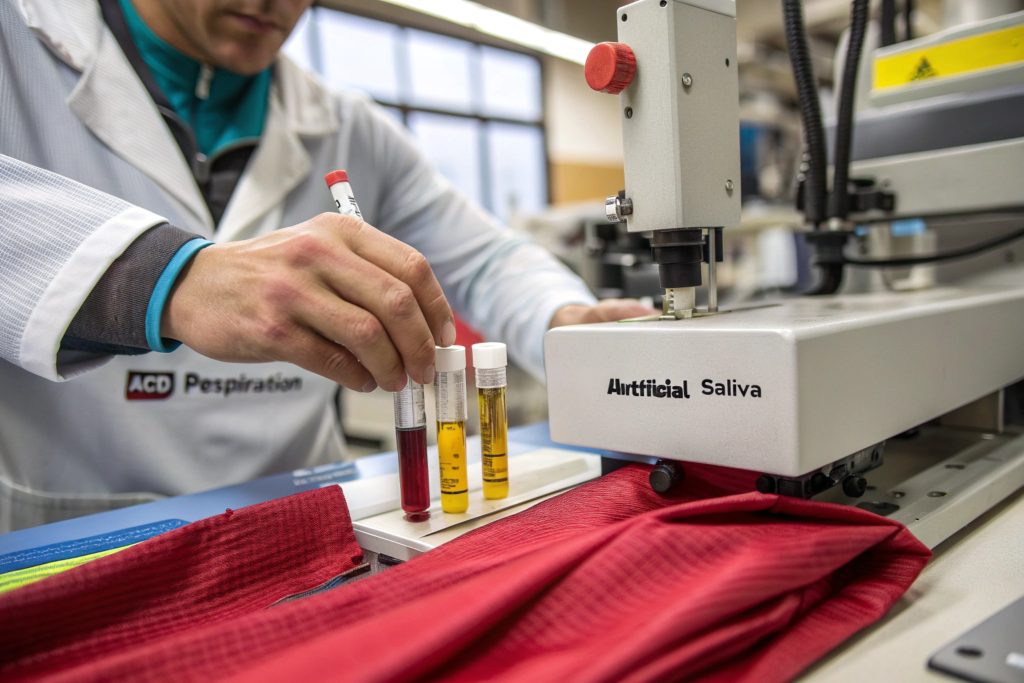
The challenge lies in the "what" and "how" to test. Do you test each layer separately, or the composite fabric as a whole? How do you simulate the abrasive forces of skiing, which might wear down a surface treatment? OEKO-TEX uses a combination of tests on the final article and its components, often employing severe extraction methods (using artificial sweat or saliva) to check for leachable substances. For manufacturers, this underscores the importance of sourcing all components—threads, adhesives, tapes, prints—from certified sources, as a single non-compliant glue dot in a seam could cause a failure.
How are new waterproof/breathable membranes and laminates tested?
This is a core area for ski wear. Membranes like ePTFE (e.g., Gore-Tex) or PU layers are tested for residual solvents, monomers, and heavy metals that could be present from their manufacturing processes. The lamination adhesive itself is also in scope. The test must ensure that no harmful substances migrate through the inner liner to the wearer's skin, especially under conditions of body heat and moisture. We encountered this directly when developing a new line of budget-friendly ski shells with a proprietary laminate. The initial lamination adhesive failed the OEKO-TEX test for a specific pHthalate. We had to work with our adhesive supplier to reformulate, a process that took two months but was non-negotiable for ensuring the final product's safety and marketability. Resources from the Outdoor Industry Association (OIA) often discuss such material compliance hurdles.
Does OEKO-TEX certification cover performance claims like "waterproof"?
A critical point for brand owners to understand: No. OEKO-TEX is solely a human-ecological safety certification. It does not test or verify functional performance claims like waterproofness (e.g., 20K mm), breathability, or insulation warmth. A fabric can be OEKO-TEX certified but completely non-waterproof. Conversely, a fabric can be highly waterproof but fail OEKO-TEX due to harmful PFAS chemicals in its DWR. This is why at Shanghai Fumao, we manage two parallel verification tracks: functional performance testing (in our in-house lab or third-party labs) and chemical safety certification (OEKO-TEX). Both are essential for a complete product dossier.
How Can Brands Proactively Manage Certification for Innovative Products?
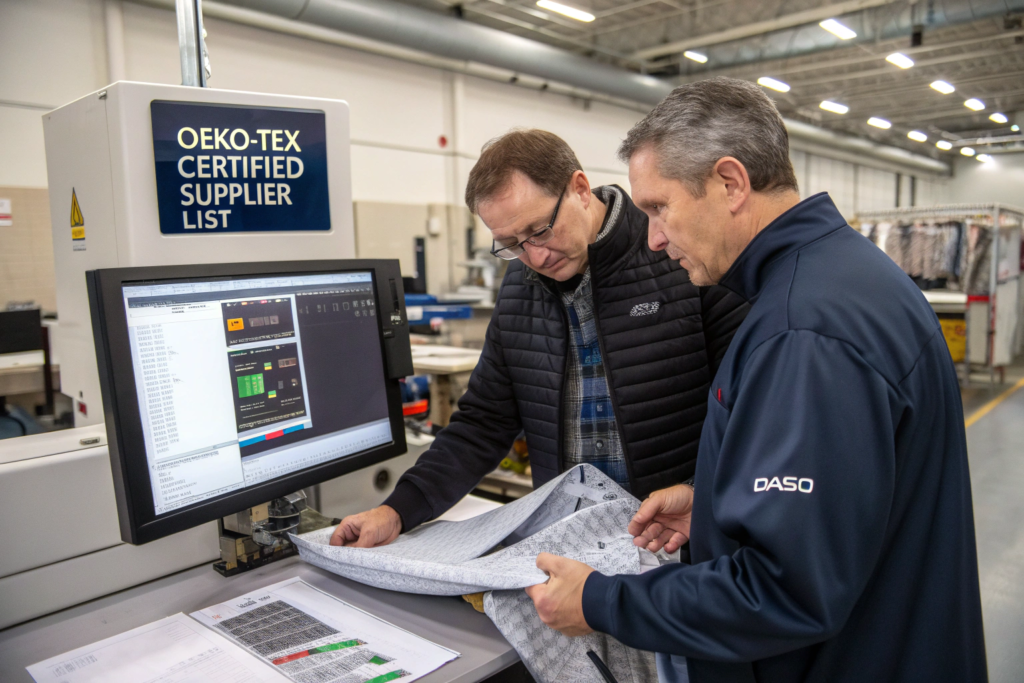
Waiting until a prototype is finished to think about OEKO-TEX is a recipe for delays and cost overruns. The most successful brands integrate certification considerations into the very first stages of product development. This proactive, collaborative approach with your manufacturing partner is the most effective way to ensure your innovative skiwear hits the market on time, on spec, and fully compliant.
Think of it as "safety by design." By selecting pre-certified materials and components from the start, you de-risk the entire development timeline. Your manufacturer should act as your guide, leveraging their relationships with mills and trim suppliers to navigate the certified material landscape for new technologies.
What questions should you ask your factory about new fabric tech?
- "Can you provide the OEKO-TEX certificate for this specific new fabric/component, and is it valid for the intended product class (e.g., Class II for clothing with direct skin contact)?"
- "Has this new technology (e.g., a specific DWR finish) been evaluated against the latest OEKO-TEX RSL? Can we get a pre-compliance letter from the mill?"
- "What is the lead time and process for testing a prototype if we use this innovative material combination?"
- "Do you have a vetted list of suppliers for membranes, insulations, and trims that are already certified, to speed up our development?"
Asking these questions early separates truly proficient partners from basic cut-and-sew operators. Last year, a client approached us with a revolutionary idea for a heated ski vest using new conductive yarns. Our first step was to pause and jointly investigate the certification pathway for those yarns before any design work began, saving them from a potential dead-end investment.
What role does the LEATHER STANDARD by OEKO-TEX play in ski apparel?
Ski gear often incorporates leather accents on cuffs, trim, or in lifestyle-oriented pieces. The LEATHER STANDARD by OEKO-TEX is the equivalent certification for leather, ensuring it is tested for chromium VI, formaldehyde, and other tanning-related chemicals. This is a perfect example of the system's adaptation—a specialized standard for a specialized material. Ensuring any leather component in your design holds this certificate is as important as the fabric certification. The International Union of Leather Technologists and Chemists Societies (IULTCS) provides context on leather safety standards.
What Does the Future Hold for Certification and Ski Tech Innovation?
The trajectory is clear: innovation and responsibility will continue to converge. OEKO-TEX and similar frameworks will face the constant challenge of keeping up with material science, but their role as independent verifiers will only grow in importance. The future likely involves more digitalization (like blockchain for the MADE IN GREEN traceability), faster testing methods for new chemicals, and even closer integration with environmental impact assessments.
For forward-thinking brands, this means building a supply chain that is both agile and principled. Your manufacturing partner must have one foot in the future of materials and the other firmly planted in the rigorous processes of verification and compliance.
Are there emerging technologies beyond OEKO-TEX's current scope?
Yes, and this is an area of active observation. Examples include:
- Self-healing fabrics: The chemicals involved in the "healing" mechanism would need toxicological assessment.
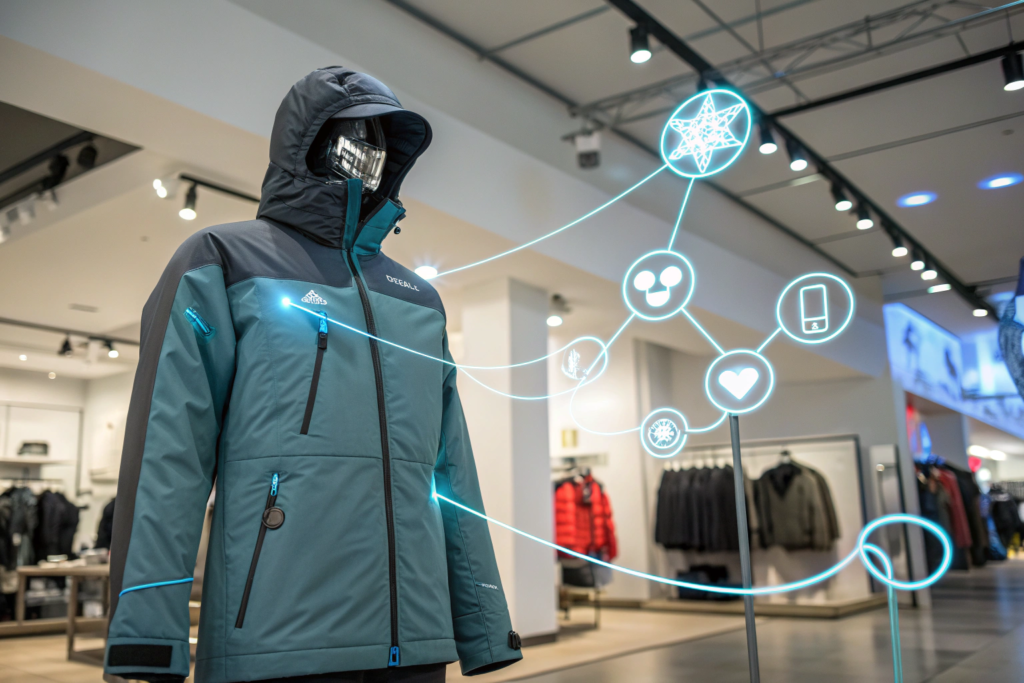
- Fabrics with embedded sensors or electronics: This blurs the line between apparel and electronics, potentially introducing heavy metals or new polymers that require novel testing protocols.
- Nanotechnology treatments: The potential for nanoparticle migration and its effects is a complex scientific field that certification bodies are monitoring closely.
For now, the safest approach for brands is to require OEKO-TEX certification for the base textile components and maintain open dialogue with your manufacturer about the compliance pathway for any additive technology.
How can partnering with Shanghai Fumao future-proof your ski line?
At Shanghai Fumao, we view certification not as a barrier but as a framework for safe innovation. Our experience across diverse apparel categories, including technical outerwear, has taught us how to navigate the certification process efficiently. We maintain a curated database of pre-certified material suppliers for advanced fabrics. Our quality control team is trained to understand the critical points in production where chemical or contamination risks can occur. By acting as your strategic partner, we help you filter the endless stream of new fabric technologies, focusing only on those that can deliver both breakthrough performance and verifiable safety. This is how you build a brand that is both cutting-edge and trusted.
Conclusion
OEKO-TEX certification is not being left behind by new ski fabric technologies; it is evolving in response to them. The system's annual updates, specialized labels like MADE IN GREEN, and its focus on real-world testing scenarios demonstrate a committed effort to stay relevant. However, this adaptation is not automatic. It requires brand owners and manufacturers to be informed, proactive, and collaborative.
The responsibility falls on you to choose a manufacturing partner who understands this dynamic landscape. You need a factory that doesn't just follow standards but actively engages with them to secure your innovative designs. By integrating certification planning into your product development from day one, you turn compliance from a final hurdle into a foundational pillar of your product's integrity and market success.
Embrace innovation without compromise. Let Shanghai Fumao be your guide through the complex intersection of cutting-edge ski fabric technology and rigorous safety certification. Together, we can develop the next generation of high-performance ski apparel that your customers can trust implicitly—on every level. To start a conversation about your next innovative project, contact our Business Director, Elaine, at elaine@fumaoclothing.com.