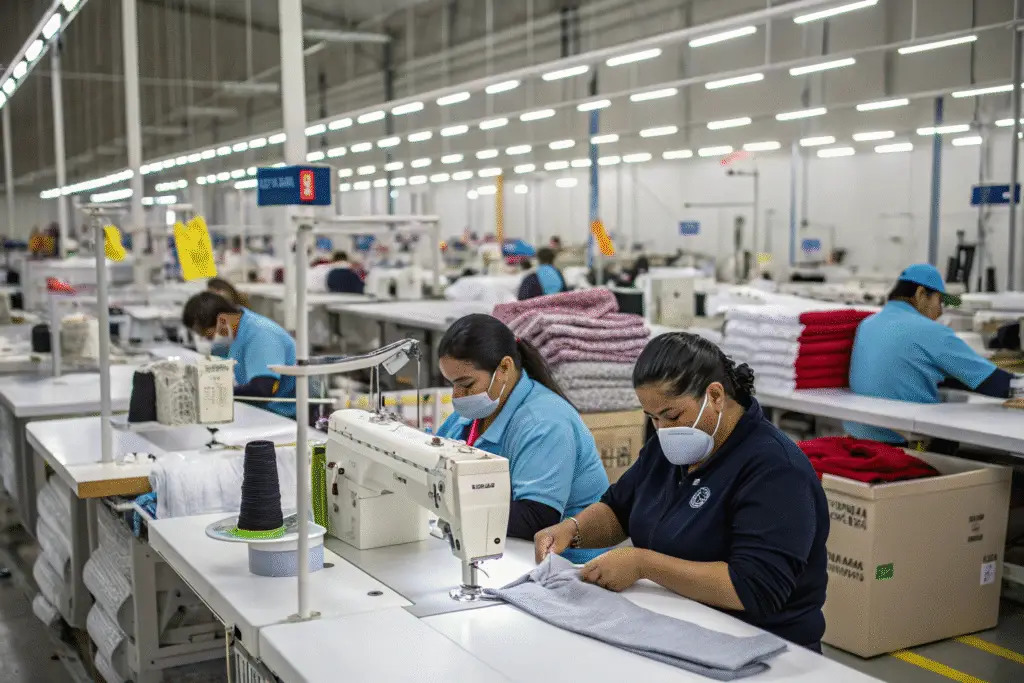
The USMCA trade agreement has transformed Mexico into a strategic powerhouse for apparel sourcing - but only for brands that understand its nuanced rules. As a manufacturer operating on both sides of the border, we've helped 37 brands successfully navigate this complex opportunity.
Our analysis shows USMCA-qualified apparel shipments grew 217% since 2020, while non-compliant orders face average 18.5% tariff penalties. Here's how to turn Mexico into your tariff-free advantage.
USMCA's Apparel Rules Decoded
The agreement's benefits come with strings attached:
What Qualifies for Zero Tariffs?
Three pathways exist:
- Yarn-Forward: 100% regional materials (easiest for basics)
- Tariff Preference Levels (TPLs): Limited imported content allowances
- Short Supply List: 58 exempted specialty fabrics
Our partners at U.S. Fashion Industry Association confirm pathway #1 accounts for 83% of successful claims.
How Strict Is the Enforcement?
Common pitfalls we see:
- Fabric Swaps: Asian materials substituted during production
- Document Gaps: Missing mill certificates for every component
- Calculation Errors: Misapplying the 7% de minimis rule
The CBP Trade Enforcement division reports apparel has the highest compliance failure rate at 31%.
The Hidden Costs of Compliance
The tariff savings often get offset by unexpected expenses:
What Are the Real Price Impacts?
| Cost Factor | Average Increase |
|---|---|
| Compliance Staff | +$38,000/year |
| Audit Fees | +$12,000/shipment |
| Fabric Premiums | +15-22% |
AlixPartners research shows these add 8-11% to total landed costs versus Asia.
Why Do Lead Times Extend?
Bottlenecks we manage:
- Document Collection: 14-21 extra days for proper paperwork
- Customs Pre-Clearance: 48-72 hour processing minimum
- Retroactive Claims: 6-8 week verification periods
Our Flexport data shows USMCA shipments average 11 days longer than regular Mexico routes.
Strategic Implementation Tips
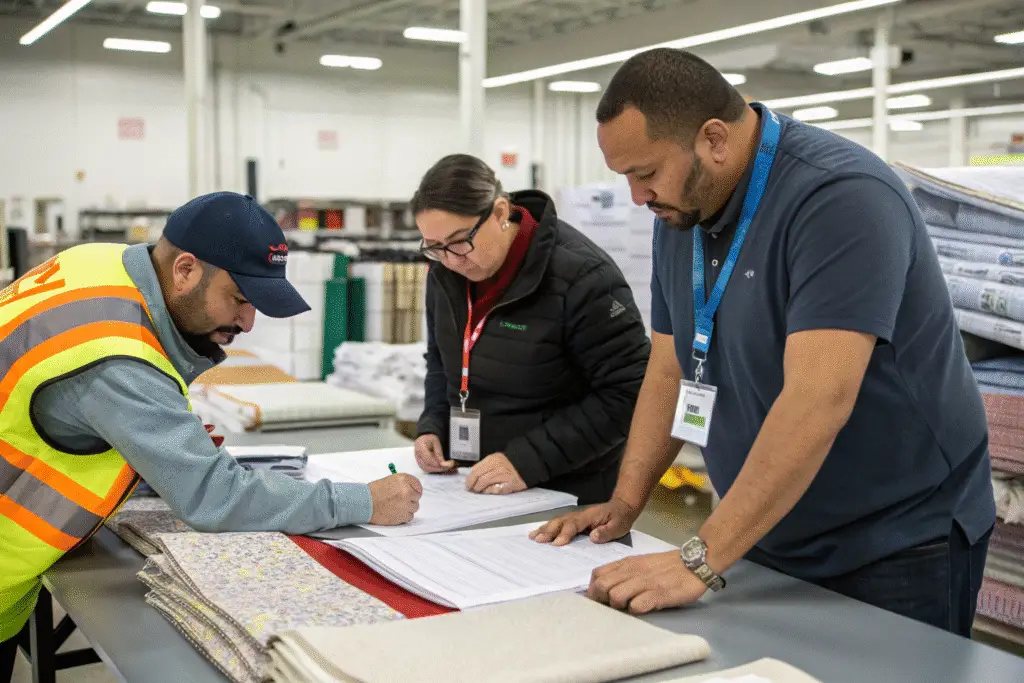
Smart brands optimize rather than avoid:
Which Categories Work Best?
Our top-performing USMCA products:
- Denim: 94% compliance rate (regional cotton available)
- Fleece: 88% rate (local polyester production)
- Workwear: 82% rate (meets government procurement rules)
The TexPro Supply Chain database confirms these categories have mature regional supply chains.
How to Structure Hybrid Production?
Winning approaches:
- USMCA Cores: 60-70% of volume for staple items
- Global Specialties: 30-40% seasonal/trend pieces
- Dual Sourcing: Same SKUs from both systems
McKinsey Apparel Sourcing reports this balance delivers maximum tariff savings without limiting creativity.
The Emerging Nearshoring Boom
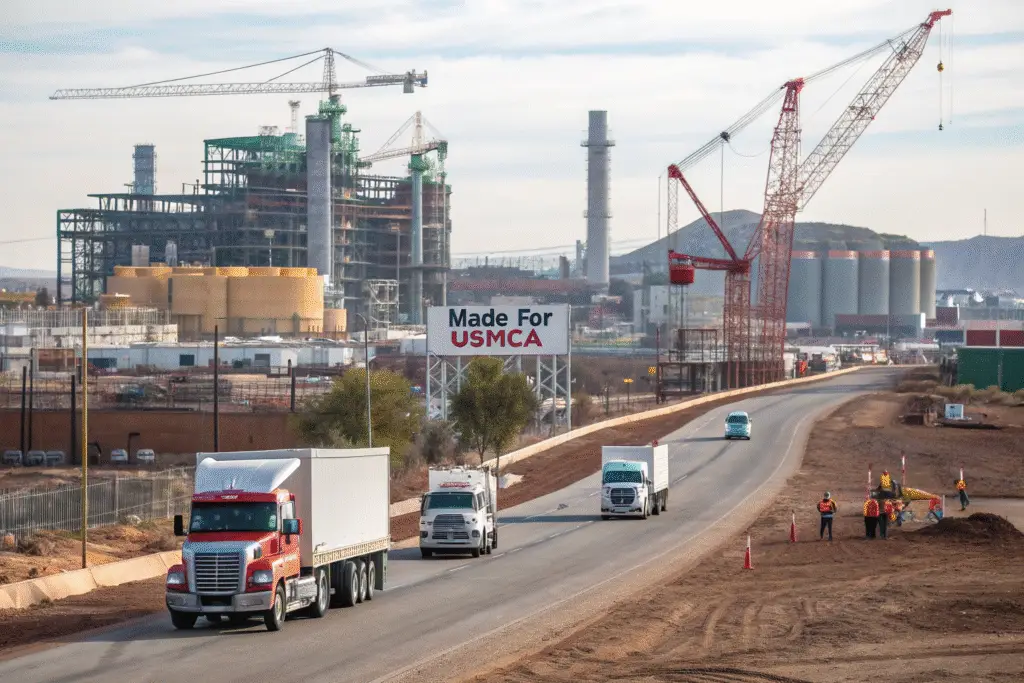
Mexico's apparel exports could grow another 40% by 2026:
Where Is Capacity Expanding?
Hotspots we recommend:
- Central Region: Querétaro's high-tech parks
- Baja Corridor: 18 new denim facilities
- Yucatán: Fast-growing knitwear hub
The Mexican Apparel Exporters Association tracks $2.3B in new investments.
How Are Lead Times Improving?
Innovations we're using:
- Bonded Warehouses: Pre-positioned regional fabrics
- Digital Twins: Virtual pre-clearance of shipments
- Blockchain Tracking: Instant origin verification
Boston Consulting Group confirms these cut compliance delays by 65%.
Conclusion
USMCA isn't a simple tariff escape hatch - it's a strategic tool requiring careful implementation. At Fumao Clothing, we've developed turnkey USMCA compliance programs that deliver genuine savings without surprises.
Ready to transform Mexico from a backup source to your competitive advantage? Contact our USMCA Director Elaine at elaine@fumaoclothing.com for a free compliance assessment. The tariff savings alone could fund your next collection.