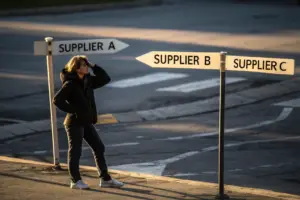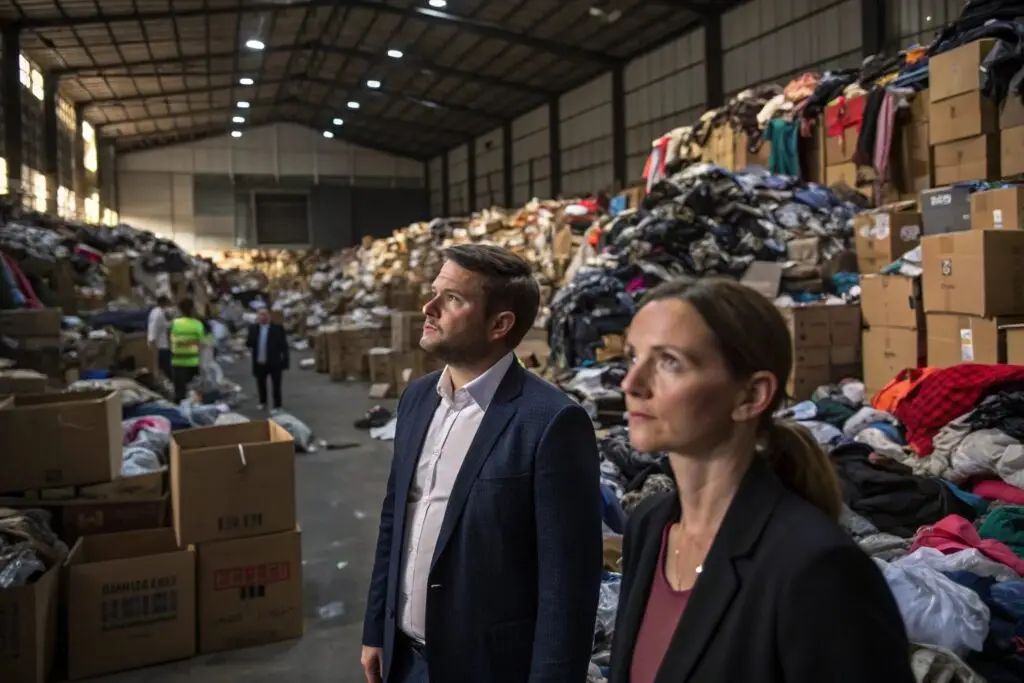
Warehouses full of unsold clothes. End-of-season discounts. Landfills of wasted fashion. These problems are pushing the industry toward a radical idea: no inventory at all.
Fashion is moving toward a “no inventory” future through pre-order models, on-demand production, and AI-driven forecasting to reduce waste and increase profitability.
When I first learned about on-demand manufacturing, I thought it was too slow. But today, with the right systems, small brands and big labels alike are launching leaner, faster, smarter—without stockpiling goods that may never sell.
What is the future of the fashion industry?
The fashion world is evolving fast—from what we wear to how it’s made and sold. Tech, sustainability, and consumer behavior are driving a deep shift.
The future of the fashion industry will be shaped by sustainability, digital innovation, circular models, and real-time manufacturing replacing mass inventory cycles.
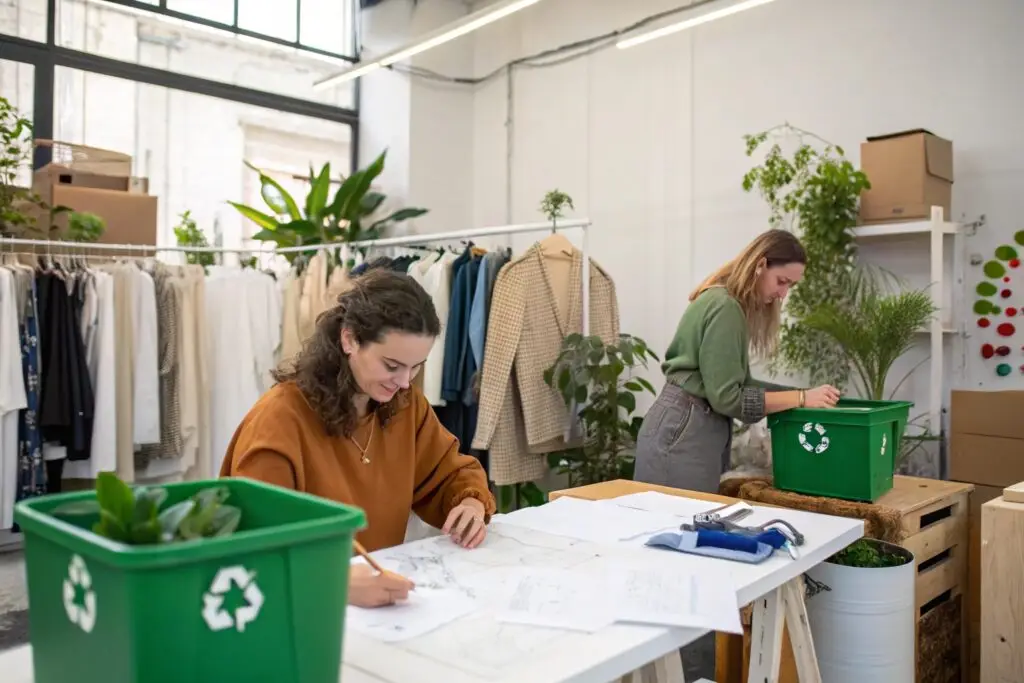
How are technology and sustainability reshaping the future of fashion production?
Fashion is no longer just about fabric and stitching. It’s about:
- 3D design software1 that replaces physical samples
- AI that predicts what customers will buy2 before it’s made
- On-demand sewing machines and digital printers
- Materials made from seaweed, corn fiber, or recycled textiles
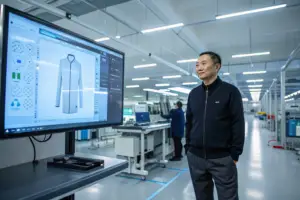
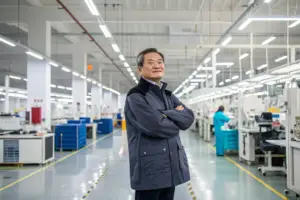
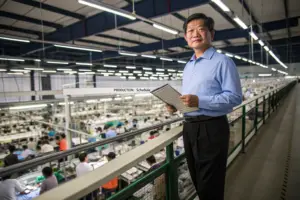
Our own factory has cut sampling time in half using digital prototypes. We test fit virtually before sewing a single piece. The result? Fewer errors, faster speed.
Why are brands moving away from traditional mass-production models?
Old-school models relied on overproduction. That led to:
- Warehousing costs
- Price markdowns
- Unsold stock going to waste
Now, brands realize it’s better to:
- Produce what’s ordered, not what’s forecasted
- Create limited editions and test capsules
- Launch small, then scale fast
Fast-moving brands survive. Wasteful ones fade out.
What is inventory in the fashion industry?
Inventory used to be the heart of fashion. You made thousands of items, stored them, and hoped they sold. But things are changing.
In fashion, inventory refers to the finished garments, raw materials, or components held in storage before being sold or used—often a major cost and risk area.
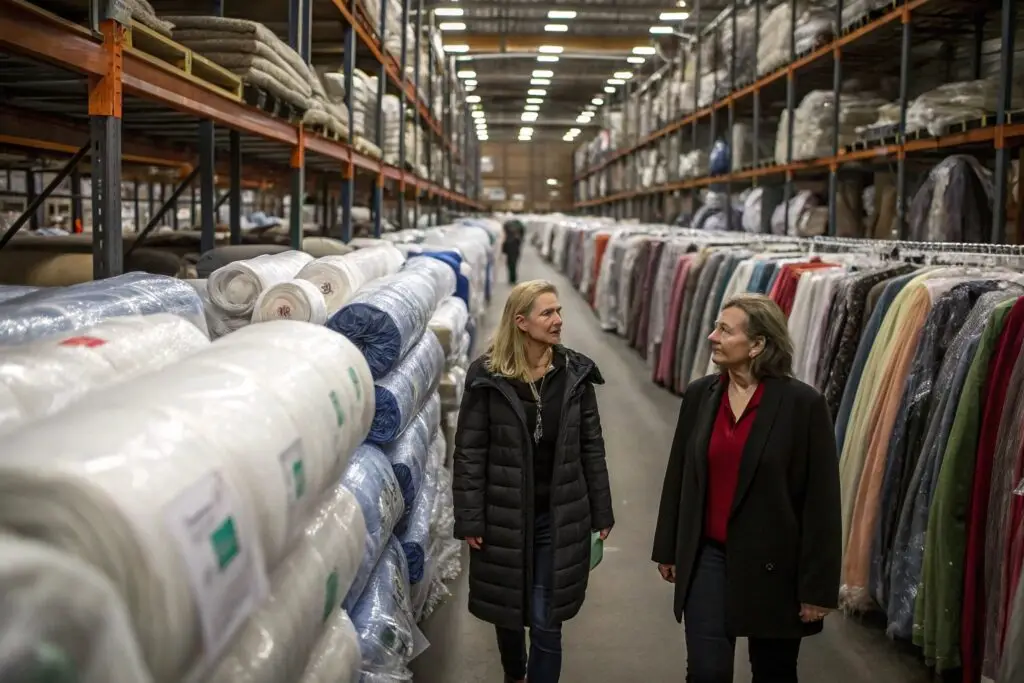
Why is holding too much fashion inventory a growing liability for modern brands?
Inventory ties up cash. It creates risk. And in a fast-fashion world, items lose appeal quickly.
| Inventory Risk | Impact |
|---|---|
| Trend fades before launch | Products go unsold |
| Wrong size mix | Excess returns or markdowns |
| Material degrades | Lower resale quality |
| Holding costs | Warehousing, insurance, loss |
That’s why brands now look to flexible production cycles3, smaller runs, and pre-sale models. Less guesswork, more results.
What inventory strategies are replacing bulk buying in the new fashion economy?
Smart brands are shifting toward:
- Made-to-order: Only produce after payment
- Drop collections: Limited releases, create urgency
- Micro-batching: Test 100–300 pieces, reorder based on real sales
- Just-in-time production: Align with factory capacity and demand
We now help many clients run 3 batches per season, instead of one. They stay fresh, fast, and profitable.
What will fashion look like in the future?
Fewer warehouses. More pre-orders. Customization at scale. That’s what we’re heading toward—and it’s exciting.
The future of fashion will include virtual design, localized production, AI-driven trends, and a shift toward customer-first, inventory-light business models.
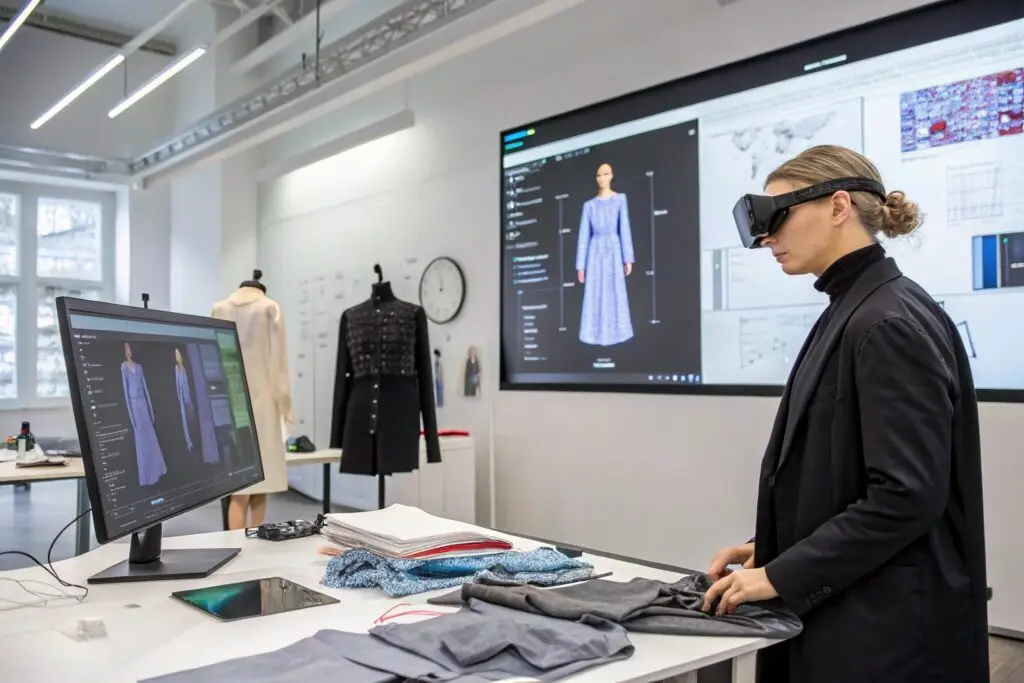
How will technology like 3D sampling4 and AI change how clothes are made and sold?
Tech will speed things up and cut costs. Here’s how:
- 3D sampling saves fabric and time
- AI forecasting5 reduces overproduction
- Digital showrooms replace fashion weeks
- Smart fabrics adapt to weather, mood, or motion
We’ve already seen brands sell out digital-only collections (NFT wearables for gaming or AR use). Physical goods are next in line.
How can small and mid-sized brands benefit from the “no inventory” fashion future?
They’re actually at an advantage. With less overhead, they can pivot fast.
Tactics that work:
- Offer pre-orders through social media hype
- Launch with limited drops
- Use factories like ours that accept small MOQs and rush timelines
- Automate fulfillment using DDP models
It’s no longer about being big—it’s about being quick and customer-aligned.
Is the fashion industry declining?
We’ve seen store closures, bankruptcies, and shifting consumer priorities. But decline? No. Fashion is evolving—not dying.
The fashion industry is not declining; it’s transforming—away from volume-based models toward data-driven, experience-led, and inventory-light systems.
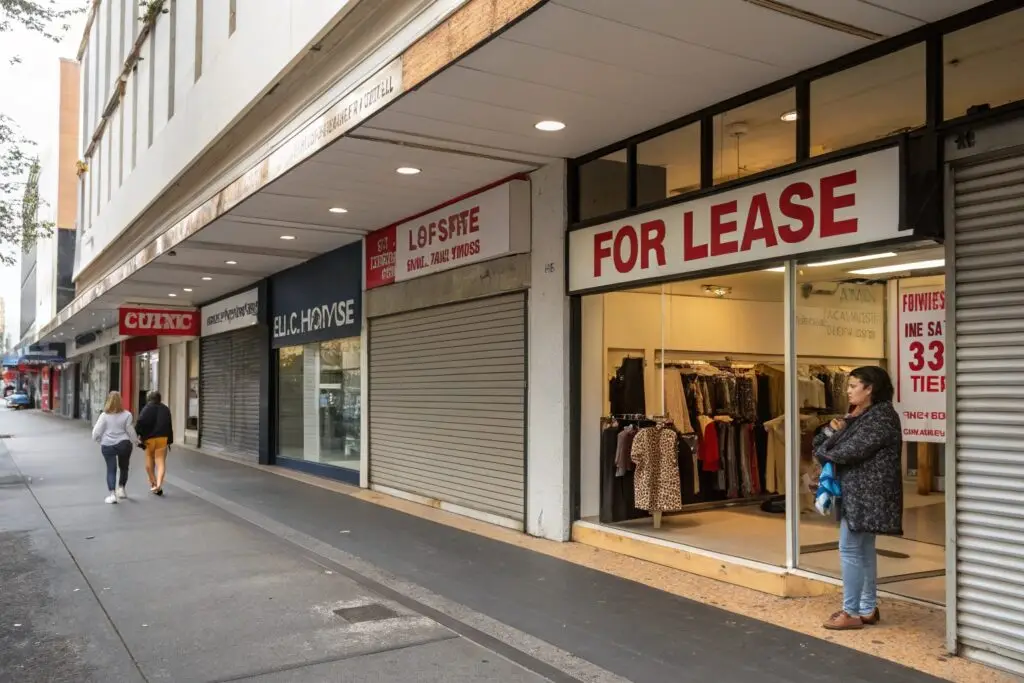
Why do some think fashion is in decline, and what’s the reality?
Yes, some big brands failed. Yes, COVID disrupted retail. But:
- Online DTC brands grew faster than ever
- Secondhand and resale platforms exploded
- Customers now want fewer, better pieces
This isn’t collapse. It’s correction.
What signs show fashion is entering a new era—not fading out?
Here’s what’s rising:
| Trend | What It Means |
|---|---|
| Pre-order culture | Customers wait for what they really want |
| Personalization | Brands offer sizing, color, and design tweaks |
| Sustainability | Fewer pieces, more impact |
| Localized production | Faster, ethical, customer-focused supply chains |
Factories like ours now offer smaller batches, hybrid shipping, and brand-support tools to match the new era.
Conclusion
Fashion is moving toward a “no inventory” future—not because it’s trendy, but because it’s smart. By focusing on data, speed, and what customers actually want, brands can grow with less waste and more agility. The future is lighter, faster, and closer to the customer.
-
Explore how 3D design software is revolutionizing fashion production by reducing waste and improving efficiency. ↩
-
Discover the impact of AI on fashion retail, enhancing customer satisfaction and reducing overproduction. ↩
-
Explore how flexible production cycles can help brands reduce inventory risk and improve cash flow. ↩
-
Explore how 3D sampling is revolutionizing fashion design and production, making it more efficient and sustainable. ↩
-
Learn about AI forecasting's role in reducing waste and improving inventory management in the fashion industry. ↩