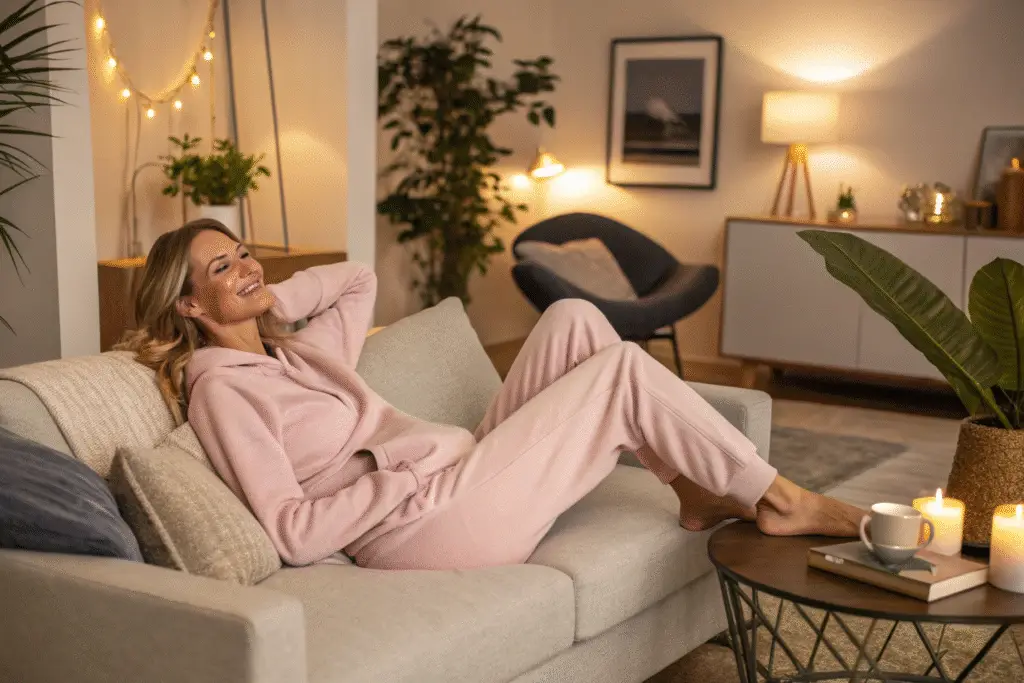
In today’s fashion world, “comfort-first” isn’t just a trend—it’s becoming the foundation of women’s wear design. Gone are the days when style meant sacrifice. Now, women expect garments that support their active, multifaceted lives without compromising elegance or quality.
Comfort-first design demands soft fabrics, smart structuring, and thoughtful details that meet real-life needs, shaping the future of women’s fashion brands.
In this article, I’ll explain why comfort matters more than ever, how brands are integrating it, and how sourcing professionals can adopt comfort-first strategies without sacrificing brand identity.
Why Is Comfort Crucial in Modern Women’s Wear?
Comfort-first isn’t about lounging—it’s about empowerment. Clothing needs to move with the wearer, not against her.
When garments are designed around real-world wearability, they support confidence, inclusivity, and everyday joy.
How Has the Pandemic Shifted Priorities?
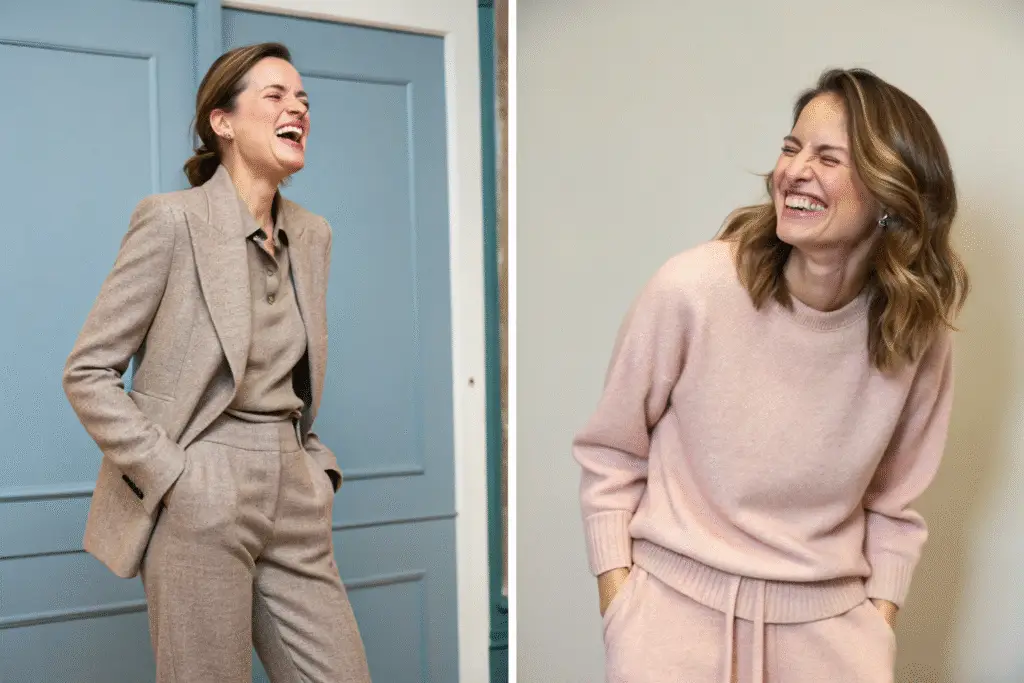
The pandemic changed the way we dress. Women began demanding pieces that are versatile—ones that work from Zoom calls to errands to evening outs. Reports from McKinsey show that 55% of women now prioritize comfort over trends.
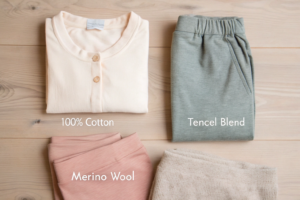
This has pushed brands toward fabric blends like cotton-spandex and Tencel™ twills that offer both structure and softness.
How Are Brands Defining Comfort-First Design?
Comfort-first design blends aesthetics with usability. It’s about the details.
Brands are treating comfort as a core design principle—with fabrics, fit, and micro-details built around it.
What Fabric Innovations Support Comfort?
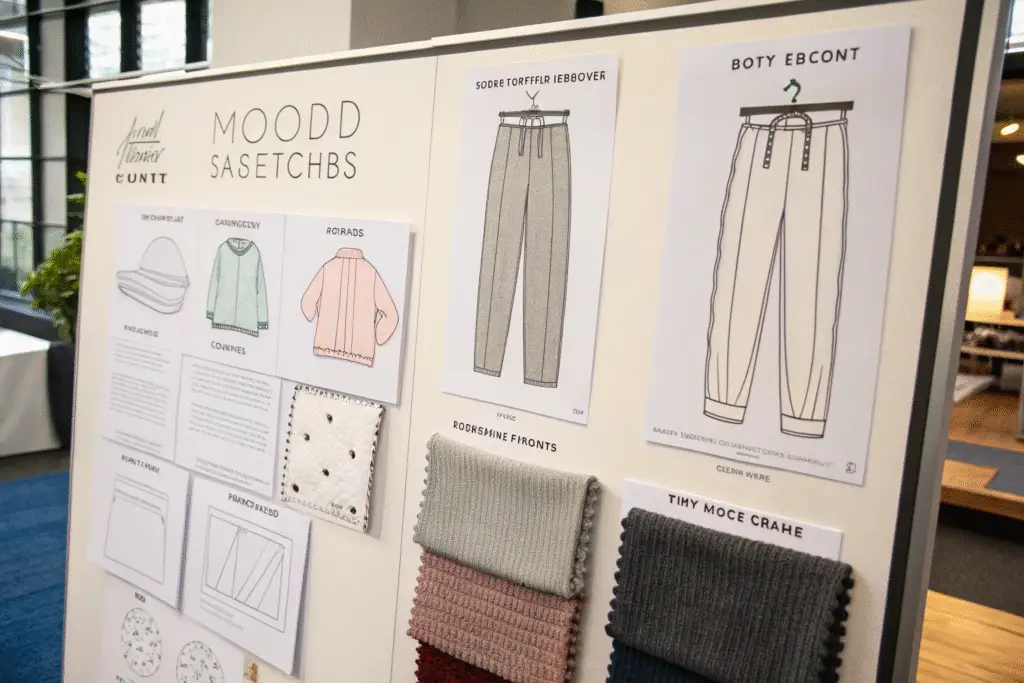
Fabric choices define comfort. Popular options include:
- Cotton-spandex knits for stretch and recovery
- TENCEL™ Modal blends for softness and lightness
- Ribbed jersey panels in high-movement zones
Suppliers like Lenzing offer materials that balance sustainability with performance.
How Do Structural Details Enhance Wearability?
Fit and finish matter. Comfort-first garments feature:
- Elastic waistbands that look tailored
- Gussets under arms or at side seams for ease
- Minimal hardware to avoid pinching or noise
Large brands like Everlane use hidden stretch to elevate basics into premium comfort gear.
Can Comfort-First Design Be Fashionable and Profitable?
Comfort-first design isn’t just for athleisure—it’s where luxury and wearability converge.
Fashion-forward comfortwear commands higher price points and stronger customer loyalty.
Are Consumers Willing to Pay More?
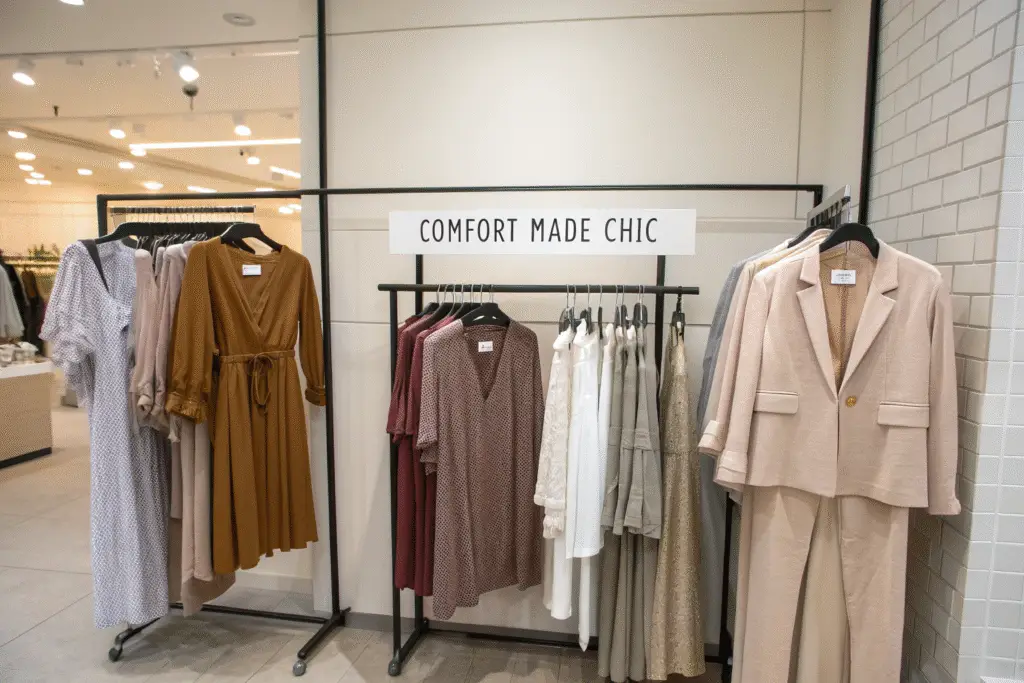
Yes. According to CB Insights, 68% of women say they’d spend more on clothes that fit well and feel good. Comfort-first pieces are becoming wardrobe staples, not trend items—making them reliable bets for wholesale buyers.
Does Comfort Raise Manufacturing Costs?
Not necessarily. When designed smartly, comfort-first garments can use similar fabrics and techniques as regular lines. The key is front-loading fit and pattern work at the sample stage—then replicating efficiently.
Manufacturers like Fumao Clothing offer comfort expertise without cost overruns, even for modest bulk runs.
How Can Suppliers Support Comfort-First Apparel?
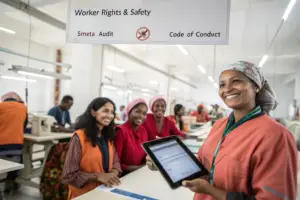
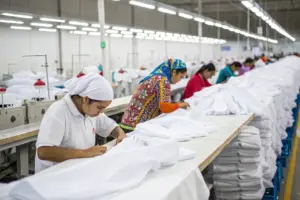
To deliver comfort-first apparel, suppliers need technical skill, fabric knowledge, and pattern innovation.
Factories must work tightly with designers to realize both comfort and stylistic intent.
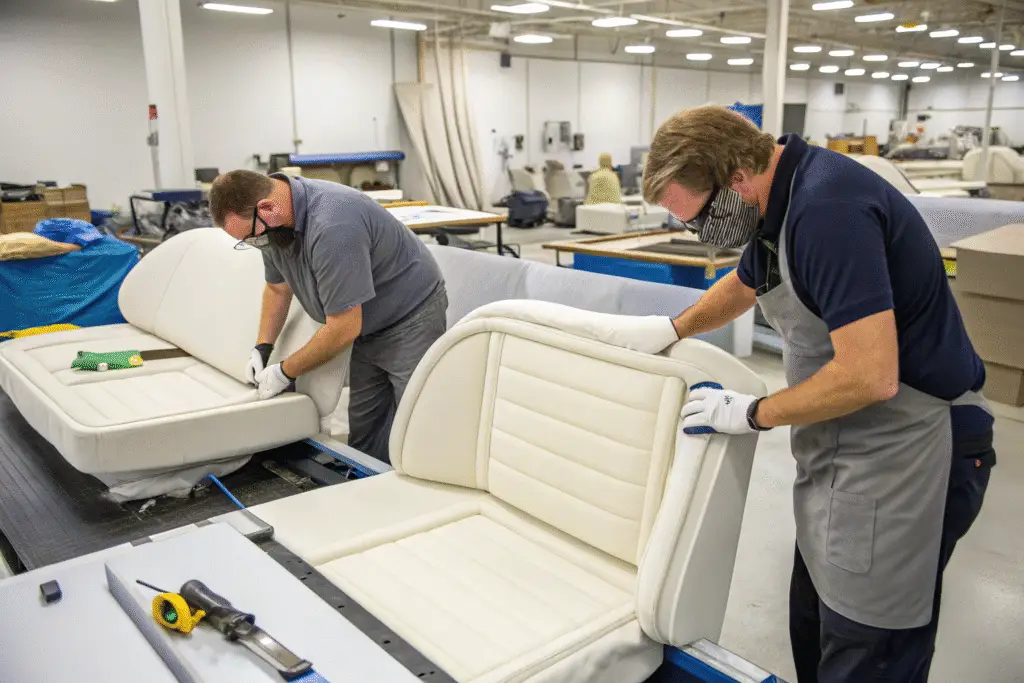
What Fabric and Lab Testing Helps Ensure Comfort?
Tests matter. Seek:
- Stretch & recovery tests (≥20% stretch)
- Pilling tests for softness over time
- Moisture-wicking performance for daily wear
Third-party labs like SGS or Intertek can validate that performance matches feel.
How Many Fittings Are Needed for Fit Perfection?
Comfort-first often requires more iterative fittings:
- First-fit with base fabric
- Second-fit with blended fabric plus stretch
- Wear-test fit for real-world comfort
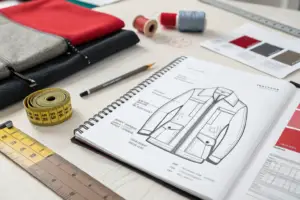
Factories should support at least 2-3 fittings per style before bulk cutting begins.
Conclusion
Comfort-first design is more than convenience—it’s the new clothing standard. It elevates function, fosters emotional connection, and strengthens profitability for women’s wear brands.
Whether you're an importer, designer, or brand owner, embracing comfort-first means creating garments that empower and engage. It’s style with soul—and that makes all the difference.