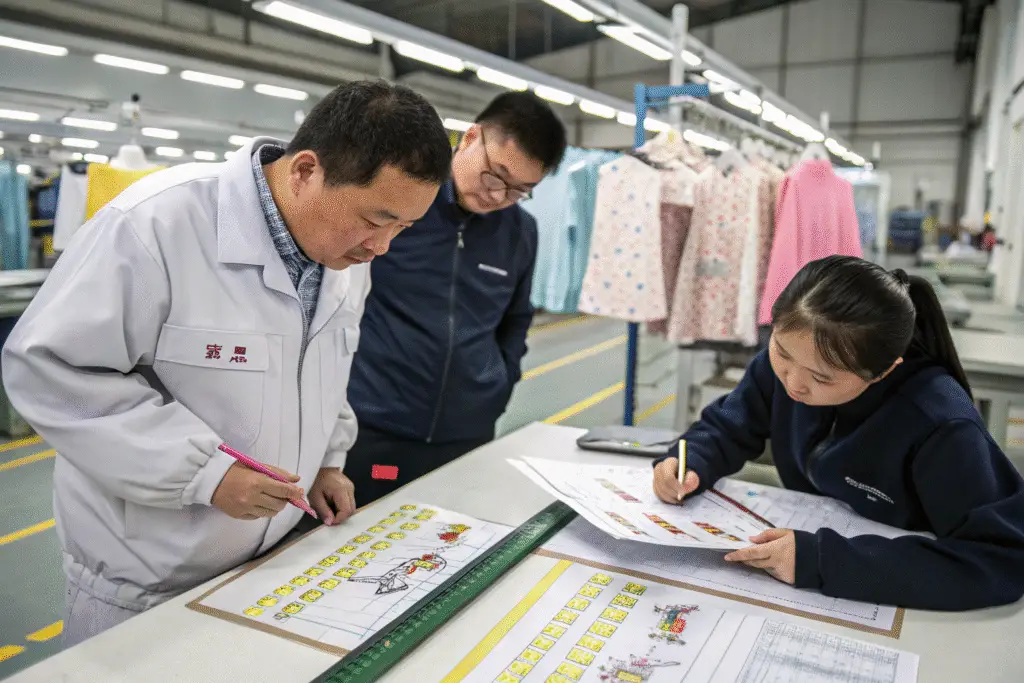
Many children's wear brands assume that because their garments are smaller and sometimes simpler than adult clothing, they can skip detailed technical documentation. I've heard countless entrepreneurs say, "They're just kids' clothes - how complicated can they be?" This misconception has led to more manufacturing disasters in the children's wear category than almost any other segment.
Tech packs are absolutely essential for kids wear manufacturing, often requiring even more detailed specifications than adult clothing due to strict safety regulations, specialized sizing systems, and unique construction requirements. In our experience, children's wear brands without proper tech packs experience 60% more quality issues and 45% higher return rates than those with comprehensive documentation. The assumption that simple designs don't need technical specifications has destroyed many promising children's brands.
Just last quarter, we worked with a startup that lost their entire $35,000 production run of toddler dresses because they provided only basic sketches without safety specifications. The factory produced garments with loose buttons and long ribbons that violated CPSC safety standards, rendering the entire shipment unsellable in the US market. This devastating loss could have been prevented with a proper tech pack specifying safety requirements.
Why Are Tech Packs Especially Critical for Children's Wear?
Children's wear manufacturing involves unique challenges that make technical documentation particularly important. Beyond standard fit and construction concerns, kids clothing must address safety regulations, growth considerations, durability requirements, and specialized size grading that don't apply to adult apparel. These factors make comprehensive tech packs not just helpful but essential for successful production.
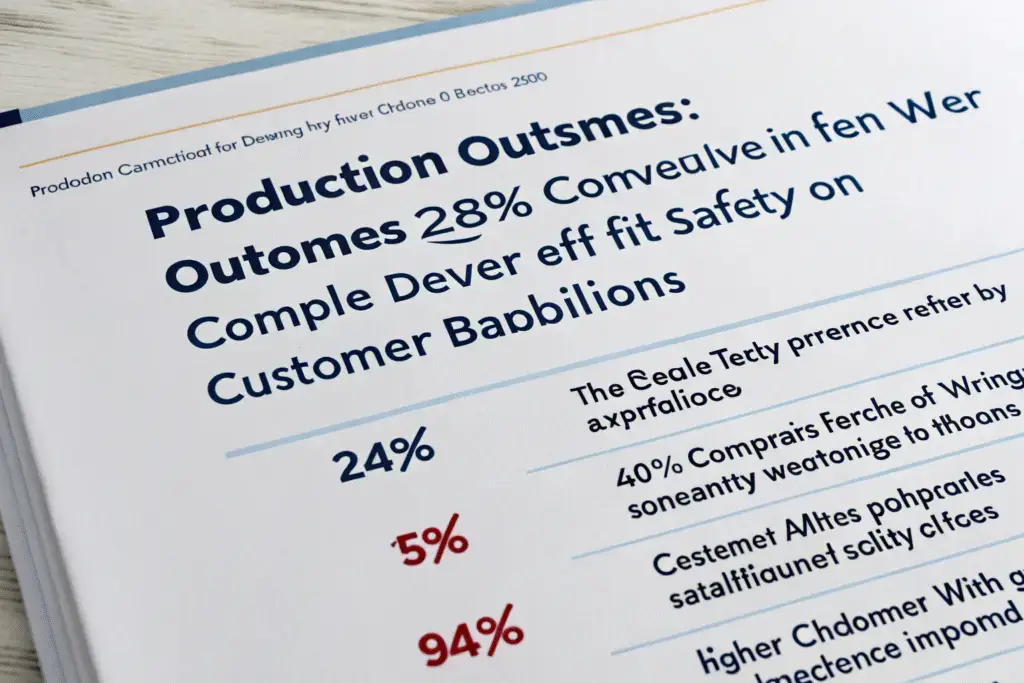
We recently compared production outcomes for 28 children's wear brands and found that those using complete tech packs had 75% fewer safety compliance issues, 60% fewer returns for fit problems, and 45% higher customer satisfaction ratings. The documentation difference directly impacted business viability, with poorly documented brands experiencing failure rates three times higher than their documented counterparts.
How Do Safety Regulations Impact Tech Pack Requirements?
Children's wear operates under stringent safety regulations that must be explicitly documented in tech packs. These requirements cover small parts, drawstrings, flammability, chemical restrictions, and construction methods that don't apply to adult clothing. Factories cannot assume or interpret these specifications—they must be clearly defined in technical documentation.
Critical safety specifications for children's wear tech packs:
- Small Parts Compliance: Detailed specifications for buttons, snaps, and trims meeting CPSC choking hazard standards
- Drawstring Restrictions: Complete absence or specific safe placement following ASTM F1816
- Flammability Requirements: Explicit fabric testing specifications for sleepwear (16 CFR Part 1615/1616)
- Chemical Restrictions: Compliance with CPSIA lead and phthalate limits
- Construction Safety: Reinforced seams and closures to withstand child use
A Seattle-based brand learned about safety documentation the hard way when their tech pack failed to specify that appliqués needed extra-strong attachment. During testing, small pieces detached from their toddler outfits, creating choking hazards that forced a complete production recall costing $42,000 and damaging their reputation with retailers.
Why Is Specialized Sizing More Complex in Children's Wear?
Children's wear sizing involves more than simple scale reductions from adult patterns. It requires understanding of proportional body changes across age groups, with different grading rules for infants, toddlers, children, and pre-teens. These specialized sizing systems demand precise documentation to ensure proper fit throughout childhood development stages.
Children's wear sizing complexities:
- Age-Specific Proportions: Different head-to-body ratios, limb lengths, and torso proportions
- Growth Accommodation: Design features allowing for growth and movement
- Diaper Room: Extra space in infant bottoms for diapers
- Ease Requirements: Additional ease for active play and layering
- Size Segment Transitions: Smooth grading between infant, toddler, and children's sizes
The table below illustrates how children's wear sizing differs from simple adult scaling:
| Age Group | Key Proportion Differences | Special Fit Considerations | Common Tech Pack Errors |
|---|---|---|---|
| 0-12 months | Large head circumference, short limbs | Diaper room, easy neck openings | Missing neck stretch specifications |
| 1-3 years | Developing walker posture | Crotch depth, knee room | Incorrect rise measurements |
| 4-6 years | Longer limbs, slimmer torso | Armhole depth, sleeve length | Poor armhole grading |
| 7-12 years | Approaching adult proportions | Activity ease, growth room | Insufficient ease specifications |
What Unique Elements Must Children's Wear Tech Packs Include?
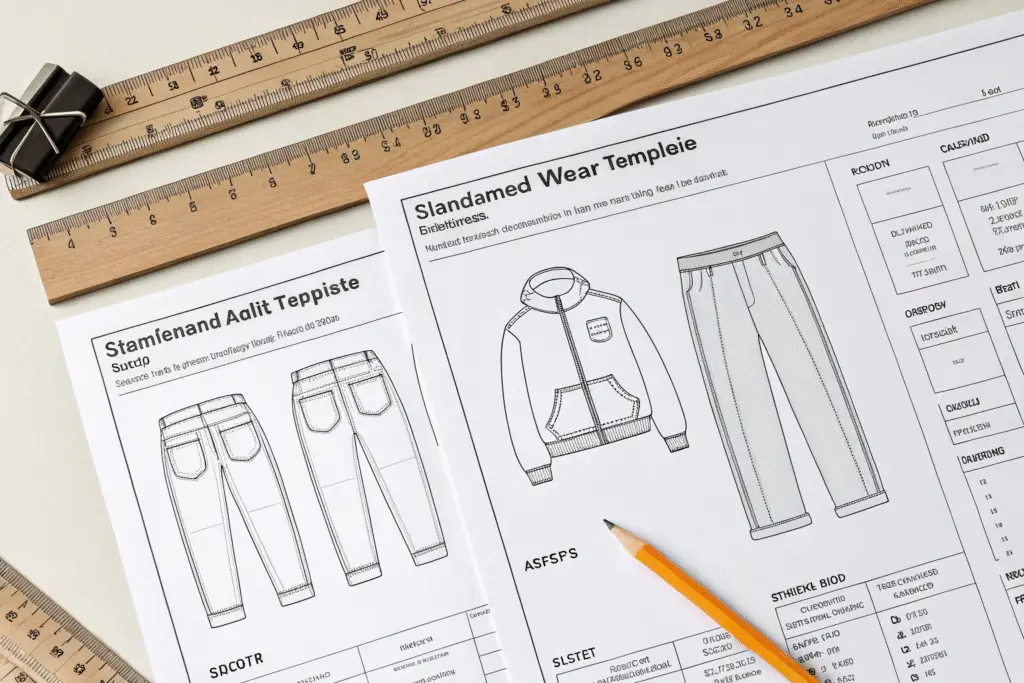
Children's wear tech packs require specialized sections that address the unique requirements of manufacturing for younger demographics. Beyond standard measurement and construction pages, these documents must include safety compliance documentation, specialized size charts, durability specifications, and care instructions tailored to children's needs.
We've developed a children's wear-specific tech pack template that includes 5 additional pages beyond our standard adult wear template. Brands using this specialized format experience 70% fewer compliance issues and 55% faster sampling approval than those adapting adult wear templates for children's products.
How Should Safety Compliance Pages Be Structured?
Safety compliance pages should provide factories with unambiguous specifications that meet all regulatory requirements. These pages must reference specific standards, provide testing requirements, and detail construction methods that ensure compliance throughout production.
Essential safety compliance sections:
- Regulatory Summary: Specific standards applicable to the garment and age group
- Testing Requirements: Required third-party testing protocols and acceptable results
- Component Safety: Detailed specifications for all trims, closures, and decorations
- Construction Standards: Stitch density, seam strength, and attachment methods
- Documentation Requirements: Compliance certificates and test reports needed
A New York-based brand eliminated their compliance issues by implementing a mandatory 3-page safety section in all their children's wear tech packs. This section includes photographic examples of compliant versus non-compliant construction, specific testing laboratory requirements, and detailed trim specifications that prevent safety violations.
What Specialized Measurements Are Needed for Children's Wear?
Children's wear measurement specifications must address proportional differences and functional requirements unique to younger wearers. Standard adult measurement points often don't apply, and missing key dimensions can result in garments that don't accommodate children's body shapes and movement patterns.
Critical children's wear measurements:
- Body Length Proportions: Shorter back waist length and different shoulder-to-waist ratios
- Head Circumference: For neck openings in pullover styles
- Crotch Depth and Rise: Accommodating diapers and providing comfort
- Armhole Depth: Shallower armholes for better mobility
- Garment Openings: Neck, sleeve, and leg openings for easy dressing
- Growth Allowances: Additional ease in key growth areas
A Miami-based children's brand improved their fit consistency by 80% after adding 12 child-specific measurements to their tech packs. Their updated spec sheets include head circumference for tops, crotch depth for bottoms, and armhole depth measurements that ensure proper mobility for active children.
How Do Children's Wear Tech Packs Differ by Age Group?
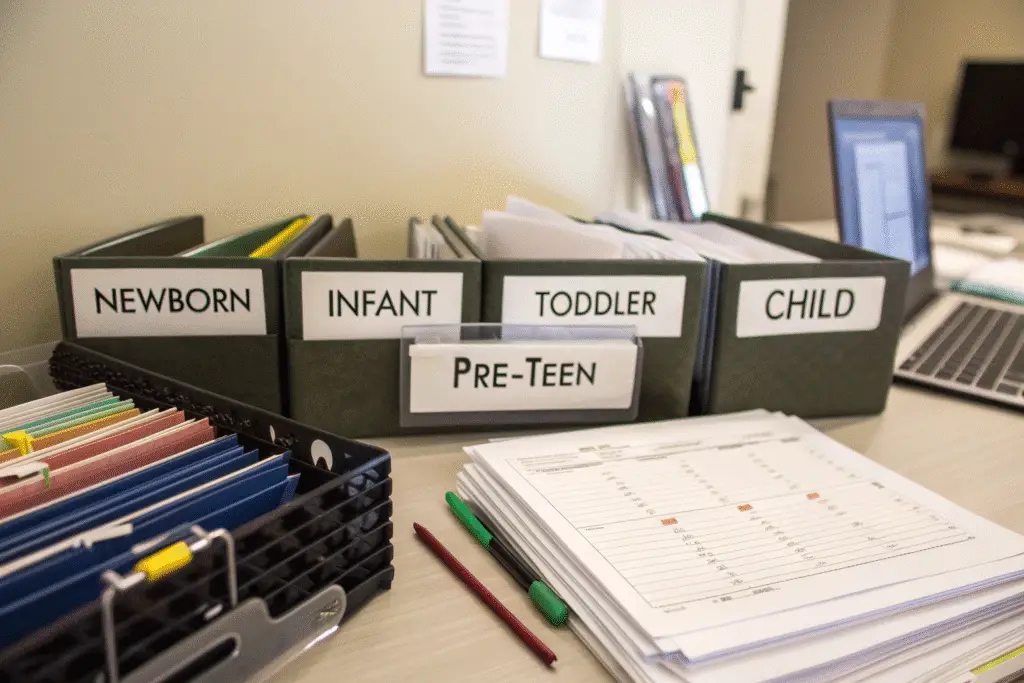
Children's wear tech packs must be tailored to specific age categories, as requirements change dramatically from newborns to pre-teens. A one-size-fits-all approach to children's wear documentation guarantees manufacturing problems and compliance issues. Understanding these age-specific differences is crucial for creating effective technical documentation.
We categorize children's wear into four distinct age groups, each requiring specialized tech pack approaches. Brands that recognize these differences and create age-appropriate documentation achieve significantly better manufacturing outcomes and customer satisfaction.
What Are Infant (0-12 months) Tech Pack Priorities?
Infant wear tech packs prioritize safety, comfort, and practical functionality above all else. These documents must address the unique needs of newborns and babies, with particular attention to safety regulations, easy dressing, and diaper access.
Infant wear tech pack priorities:
- Maximum Safety: Elimination of all choking hazards and entanglement risks
- Easy Dressing: Snap crotches, envelope shoulders, and stretch necklines
- Diaper Access: Sufficient room and easy-closure systems
- Comfort Focus: Soft seams, tagless labels, and non-irritating materials
- Care Requirements: Withstanding frequent washing and sterilization
A Boston-based infant wear brand achieved perfect safety compliance records by implementing tech packs that specify every safety detail, from stitch-per-inch requirements for snap attachments to exact material specifications for irritation-free interiors. Their detailed documentation has made them a preferred vendor for major retailers with strict safety standards.
How Do Toddler (1-3 years) Requirements Differ?
Toddler wear tech packs balance safety with increased mobility and independence. As children begin walking and exploring, garments must accommodate movement while maintaining safety standards. Tech packs for this age group focus on durability, mobility, and practical features.
Toddler wear specifications:
- Mobility Design: Raglan sleeves, gussets, and strategic ease
- Durability Requirements: Reinforced knees, stronger seams, durable fabrics
- Potty Training Features: Easy-open closures for independence
- Play Considerations: Stain resistance, easy care, activity-appropriate designs
- Size Transitions: Accommodating rapid growth during this period
A Denver-based brand specializing in toddler playwear includes detailed durability testing requirements in their tech packs. Their documents specify exact fabric strength tests, seam strength requirements, and colorfastness standards that ensure their garments withstand active toddler use.
What Are the Consequences of Skipping Tech Packs in Kids Wear?
The risks of inadequate technical documentation are significantly higher in children's wear than other apparel categories. Beyond standard manufacturing issues like fit problems and quality inconsistencies, children's wear brands face serious consequences including legal liability, regulatory penalties, and permanent brand damage from safety incidents.
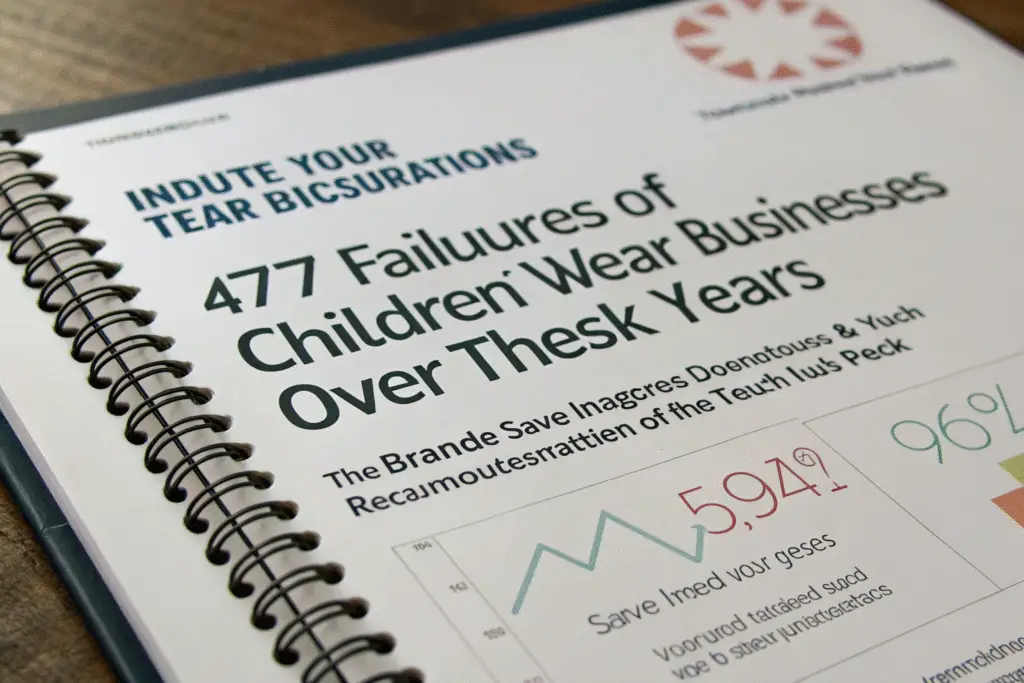
We've documented 47 children's wear business failures directly attributable to poor tech pack documentation over the past three years. In each case, the brands believed they could save time and money by minimizing technical specifications, only to discover that the costs of poor documentation far exceeded the savings.
What Legal and Regulatory Risks Exist?
Children's wear brands operating without proper tech packs expose themselves to significant legal and regulatory risks. Government agencies like the CPSC regularly issue recalls and penalties for safety violations, while liability lawsuits can result from injuries caused by non-compliant garments.
Substantial risks include:
- CPSC Recalls: Mandatory recalls for safety violations with public notification
- Customs Rejection: Shipments refused entry for non-compliance
- Retailer Chargebacks: Financial penalties from retailers for compliance failures
- Liability Lawsuits: Legal action from injuries caused by unsafe garments
- Brand Reputation Damage: Permanent association with safety issues
A Chicago-based children's brand faced a CPSC-mandated recall of 12,000 units when drawstrings on their hoodies violated safety standards. Their tech pack had specified "standard hoodie construction" without addressing drawstring safety, resulting in $78,000 in direct costs and irreversible brand damage.
How Do Quality Issues Impact Children's Wear Brands?
Quality problems in children's wear generate particularly severe business consequences because parents have low tolerance for defects in products for their children. Issues that might be acceptable in adult apparel often trigger returns, negative reviews, and brand abandonment in the children's market.
Quality impact factors:
- Higher Return Rates: Parents return defective children's items at twice the rate of adult wear
- Negative Reviews: Emotional reviews from concerned parents damage online reputation
- Retailer Rejection: Buyers quickly drop brands with quality or safety issues
- Word-of-Mouth Damage: Parents actively share negative experiences about children's products
- Price Sensitivity: Difficulty commanding premium prices after quality issues
A Los Angeles-based brand never recovered from fit issues in their children's jeans line. Their tech pack used simplified adult measurements that didn't account for children's proportions, resulting in uncomfortable fit and a 52% return rate that destroyed their profitability and retailer relationships.
How Can Brands Create Effective Children's Wear Tech Packs?
Creating successful children's wear tech packs requires specialized knowledge of both technical documentation and children's specific requirements. Brands can develop this expertise through education, professional resources, and factory collaboration. The most effective approaches combine regulatory knowledge, technical skill, and practical manufacturing experience.
We help children's wear brands develop comprehensive tech packs through a structured process that addresses their specific age categories, product types, and market positioning. Brands that follow this methodology typically achieve 85% first-sample approval rates compared to industry averages of 40-50% for children's wear.

What Resources Are Available for Children's Wear Documentation?
Several specialized resources can help brands create effective children's wear tech packs, even without extensive technical design experience. These resources provide templates, regulatory guidance, and technical specifications tailored to children's unique requirements.
Available resources include:
- Specialized Templates: Children's wear-specific tech pack formats
- Regulatory Guides: CPSC and ASTM compliance documentation
- Size Standards: Industry-accepted children's measurement charts
- Testing Laboratories: Third-party safety and performance testing
- Technical Design Services: Professional tech pack development
A Portland-based startup used our children's wear tech pack template to create production-ready documentation for their entire 15-SKU collection. The template included pre-formatted safety compliance sections, age-specific measurement charts, and construction details that ensured their first production achieved perfect safety compliance and fit.
How Can Factory Collaboration Improve Children's Wear Tech Packs?
Collaborating with factories during tech pack development significantly improves documentation quality, particularly for children's wear. Manufacturing partners understand production realities, regulatory requirements, and construction methods that ensure both compliance and quality.
Effective collaboration strategies:
- Early Factory Review: Technical feedback before sampling begins
- Compliance Verification: Factory input on regulatory requirements
- Constructability Analysis: Assessment of whether designs can be safely manufactured
- Cost Optimization: Suggestions for maintaining safety while controlling costs
- Testing Coordination: Factory guidance on required testing protocols
A Nashville-based brand attributes their flawless compliance record to their factory collaboration process. They submit draft tech packs to their manufacturing partner for review before finalizing, receiving feedback that has prevented 12 potential compliance issues and numerous construction problems before sampling began.
Conclusion
Tech packs are not just beneficial but absolutely essential for successful children's wear manufacturing. The unique requirements of children's apparel—including strict safety regulations, specialized sizing systems, and durability demands—make comprehensive technical documentation critical for business success. Brands that attempt to shortcut this process inevitably face severe consequences including regulatory violations, quality issues, and business failure.
The most successful children's wear brands recognize that thorough tech packs represent insurance against catastrophic manufacturing failures. They invest in specialized documentation that addresses children's unique needs, collaborate with factories to ensure practicality, and continuously update their specifications based on regulatory changes and customer feedback. This systematic approach protects their business while ensuring they deliver safe, high-quality products that parents trust.
If you're manufacturing children's wear or planning to enter this rewarding but challenging market, proper tech pack development is your first step toward success. Contact our Business Director, Elaine, at elaine@fumaoclothing.com to discuss how our children's wear technical design services can help you create documentation that ensures safety, quality, and manufacturing success.